
Reviewed · HISTORICAL TOURS
From Chania: Crete World War II History Tour
Crete’s battlefields are scattered, not hidden in one museum. This six-hour tour with GS Tours connects Maleme, Tavronitis, Galatas, wartime shelters, relics, and military cemeteries into one clear story. I especially like the use of old maps and photographs, plus the chance to see a private collection of wartime objects up close. The main drawback is practical: the day can feel long with only one planned comfort stop.
I also like the small-group format and the guides’ personal command of the subject. Yannis, Babis, and other guides praised by name bring a local point of view to the invasion and occupation, not just a list of military dates. At $111 per person, the price is fair if you value transport, entry fees, guiding, and access to places that are awkward to connect on your own.
In This Review
- Key points to know before you go
- Why Crete’s Second World War story matters
- Maleme and the airfield that shaped the battle
- Tavronitis Bridge and the physical remains of war
- Galatas and the role of local resistance
- Shelters, museums, and the private collection
- German and Allied cemeteries
- The guide makes or breaks the experience
- Food, breaks, and the six-hour schedule
- Is $111 a fair price?
- Who should book this tour?
- Final verdict
- FAQ
- Where does the tour depart from?
- How long does the tour last?
- What languages are available?
- What is included in the price?
- What should I bring?
- Can I cancel or pay later?
Key points to know before you go
- Maleme from above: See the former airfield area and learn why this small Cretan village became the first major German landing point.
- Maps make the battle clear: Guides use maps, old photographs, and documents to explain troop movements at Maleme, Tavronitis, Galatas, and Hill 107.
- A rare private collection: A local collector may show wartime objects gathered around Crete and explain the story behind individual pieces.
- Two sides of remembrance: Visit German and Allied war cemeteries, including the beautifully kept Commonwealth cemetery at Souda Bay.
- Comfortable minivan travel: Air-conditioned transport matters in Crete’s heat, especially on summer days reaching 34°C.
- Bring proper shoes: Expect stops at monuments, battle sites, shelters, and cemetery grounds rather than a purely seated museum visit.
Why Crete’s Second World War story matters
The Battle of Crete was not an isolated island campaign. This tour begins with the Greek-Italian War of 1940 and the wider chain of events that led Hitler to launch Operation Mercury, the German airborne invasion of Crete.
That opening context is useful because the battle can otherwise seem like a confusing series of place names. You hear how Greece fought Italy, how German forces turned toward Crete, and why control of the island mattered to the war in southeast Europe.
The guide then explains the invasion and the local resistance. British, Australian, and New Zealand forces fought alongside Greek troops and Cretan partisans. The local population helped Allied soldiers, hid people, carried messages, and resisted the occupation despite severe danger.
I appreciate that the tour gives the Cretan population a central place in the story. This is not only a military account of paratroopers, airfields, and defensive positions. It also covers the people who lived through the invasion and occupation, along with the partisans who helped alter the course of events.
The battle had a wider effect on Allied morale. The resistance in Crete showed that German forces could be challenged, even after the early victories that had shaken the Allied side. Your guide connects events on the island with the mood of the war beyond Greece.
More ancient sites near Chania:
- Historical Delphi One Day Tour with Arachova Stop & Expert Guide
★ 4.5 · 1,247 reviews - Historic Athens: Small Group Electric Bike Tour
★ 4.9 · 740 reviews - Naxos Half Day History and Culture Guided Tour
★ 5.0 · 491 reviews
Maleme and the airfield that shaped the battle
Maleme is one of the most important stops. The village itself is pleasant and modest, which makes the wartime story easy to underestimate. From above, you get a better sense of the airfield and the surrounding ground where German paratroopers first landed.
This viewpoint is valuable because maps alone cannot show why the airfield mattered. Its position gave German forces a route for bringing in more men and supplies. Once the airfield was secured, the battle changed direction.
Guides such as Yannis and Babis use maps and old photographs to explain the action in a logical order. That support is especially helpful if you know little about the Battle of Crete. Instead of hearing isolated facts, you can follow where troops moved and why certain positions became so important.
The tour also visits Hill 107, a location used to explain the battle around Maleme. The height helps you understand the connection between the airfield and nearby defensive positions. You are not simply told that the hill mattered. You can see how terrain affected observation and movement.
Comfortable shoes are important here. The day includes outdoor sites and monuments, and the experience is stronger when you can move around instead of treating every stop as a quick view from the minivan.
Tavronitis Bridge and the physical remains of war
At Tavronitis, the bridge offers another piece of the battle’s geography. The stop helps show how roads, crossings, and open ground affected the invasion and the response to it.
You may find remnants and memorials that are less polished than the formal museums and cemeteries. That is part of the appeal. The story is attached to ordinary places: a bridge, a village, a stretch of ground, or a building that might otherwise pass without notice.
The guide’s job here is to make those places readable. With maps and supporting material, you can connect what you see today to the fighting in May 1941. The landscape is not presented as a preserved battlefield in the manner of some major European memorial sites. Instead, the history is spread through the living countryside, and the explanation supplies the link.
That can also be a limitation. If you want large exhibitions, rows of military vehicles, or a clearly marked battlefield trail, this is not that kind of excursion. The sites are meaningful because of the guide’s explanation, not because every location has a large display.
Galatas and the role of local resistance
The Battle of Galatas adds another layer to the day. Here, the guide explains how the fighting developed and how Greek forces, Allied troops, and local people fit into the wider struggle.
This is one of the tour’s strongest features for anyone who wants more than a German-versus-Allied outline. The story includes the British, Australian, and New Zealand armies, but also the Cretan civilians and partisans who helped them.
Local stories give the battle a human scale. The tour can include accounts connected with families and residents of the area. One particularly memorable type of encounter is hearing a local person share a parent’s wartime story. Moments like that cannot be guaranteed, but they show why a locally run tour can offer something a standard military museum cannot.
The guides also connect the battlefield to everyday Cretan life. Yannis was praised for explaining not only the battle but also the Cretan way of life. That wider view helps you understand that the invasion happened in villages where people had homes, farms, families, and long-standing communities.
A few more Chania half-days to weigh up
- From Kissamos Port: Boat Cruise to Balos Lagoon & Gramvousa
★ 4.2 · 6,755 reviews - From Chania: Full-Day Samaria Gorge Trek Excursion & Guide
★ 4.6 · 3,191 reviews - Cretan Safari – 4×4 Adventure to Preveli Beach with Lunch
★ 5.0 · 780 reviews - Elafonissi Beach Day Trip from Chania -Stop in Elos Village
★ 4.5 · 744 reviews
Shelters, museums, and the private collection
The experience includes small museums, secret shelters, and other wartime monuments. These stops break up the outdoor visits and bring you closer to the material side of the story.
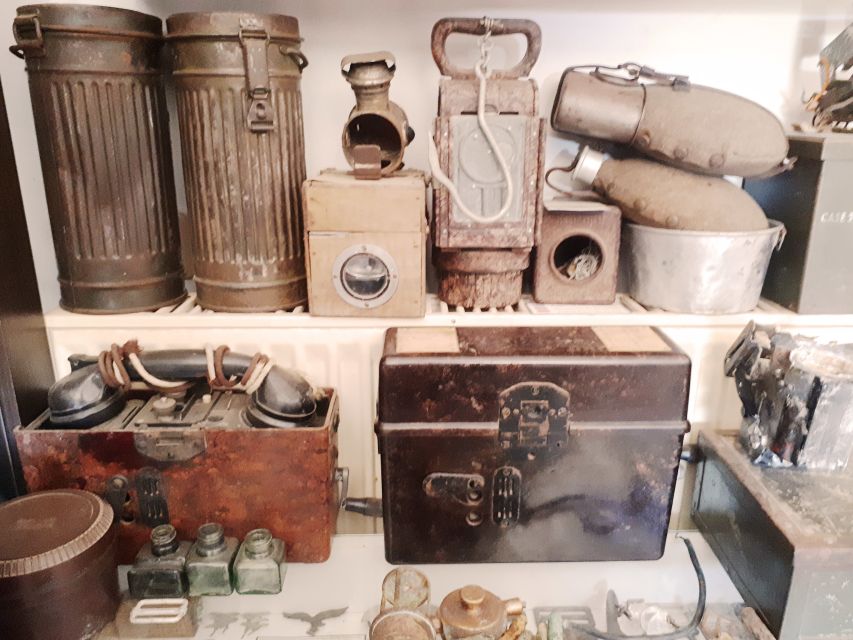
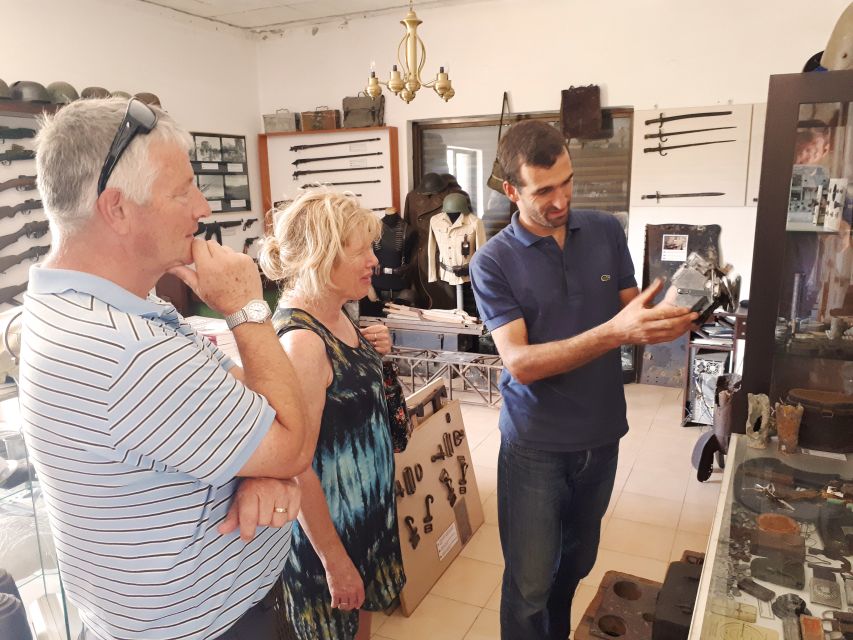
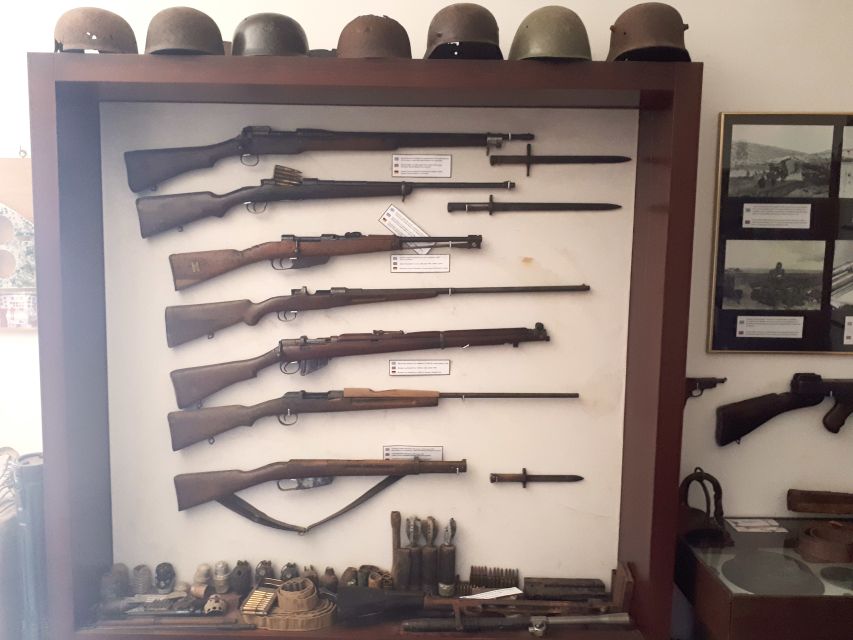
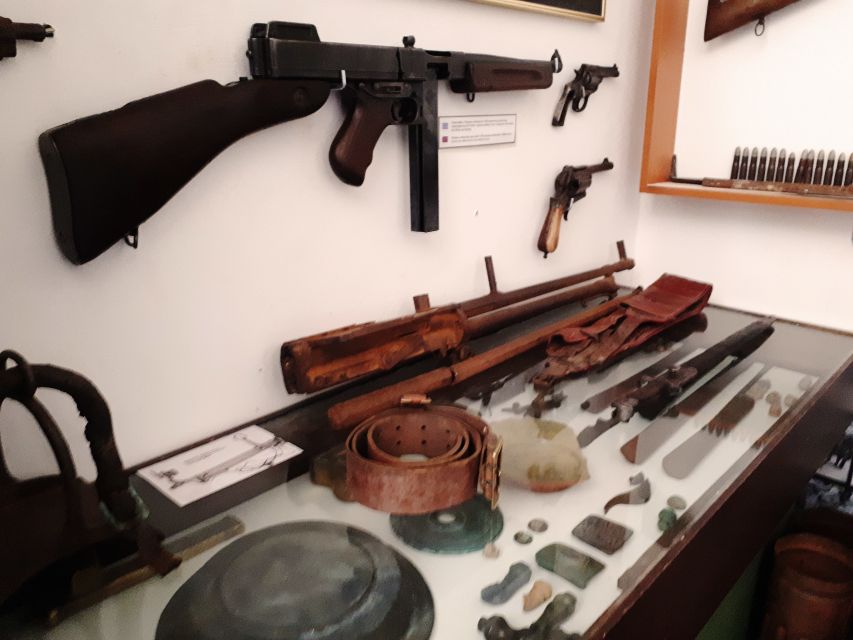
A major highlight is a visit to a private collector. The collection includes objects found in the local area, and the owner can explain where individual pieces came from. You may see relics at close range rather than behind glass in a formal institution.
This part has real character. Several guides use the collection to show details that make the campaign more tangible. Old maps, photographs, and objects work together, giving you a clearer sense of the people and equipment involved.
The private collection is also where the tour’s personal quality is most obvious. It is not simply a room full of objects. The collector’s enthusiasm and detailed explanations make the pieces easier to understand.
There is one tradeoff. The collection can take a substantial portion of the day, especially when the owner explains many objects one by one. I would prefer the guide to keep a close eye on the clock, particularly for anyone whose main reason for booking is the Commonwealth cemetery.
The collection may also be expanding. One visitor who returned for family reasons hoped to see it displayed more fully in the future. That suggests the experience could change over time, so ask what is currently on view when you book.
German and Allied cemeteries
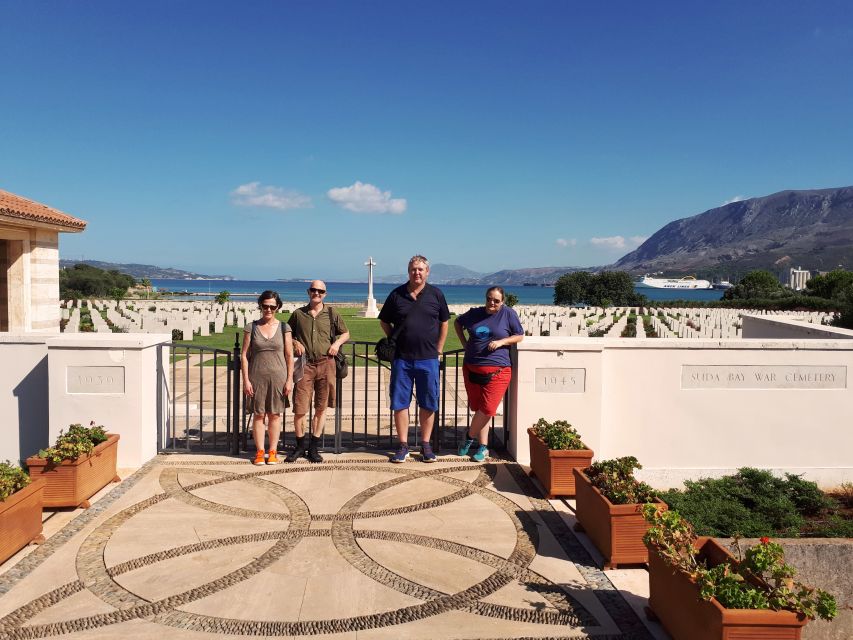
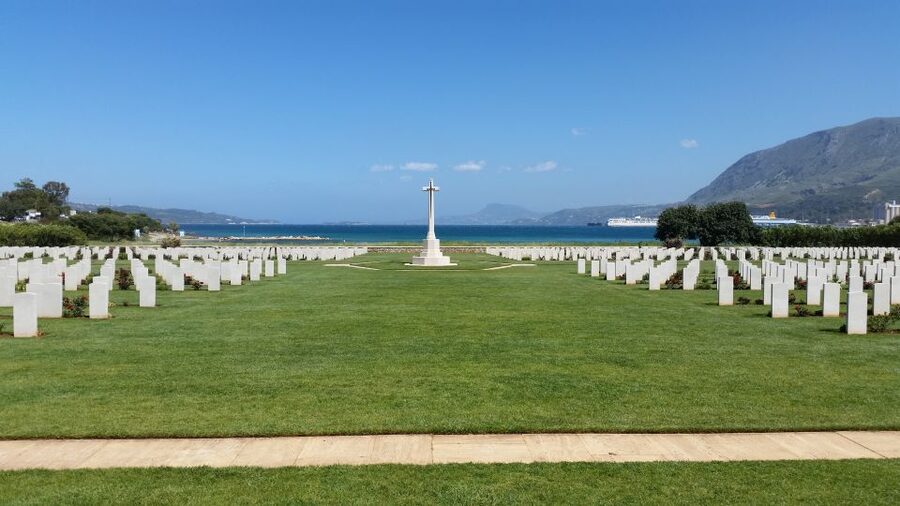
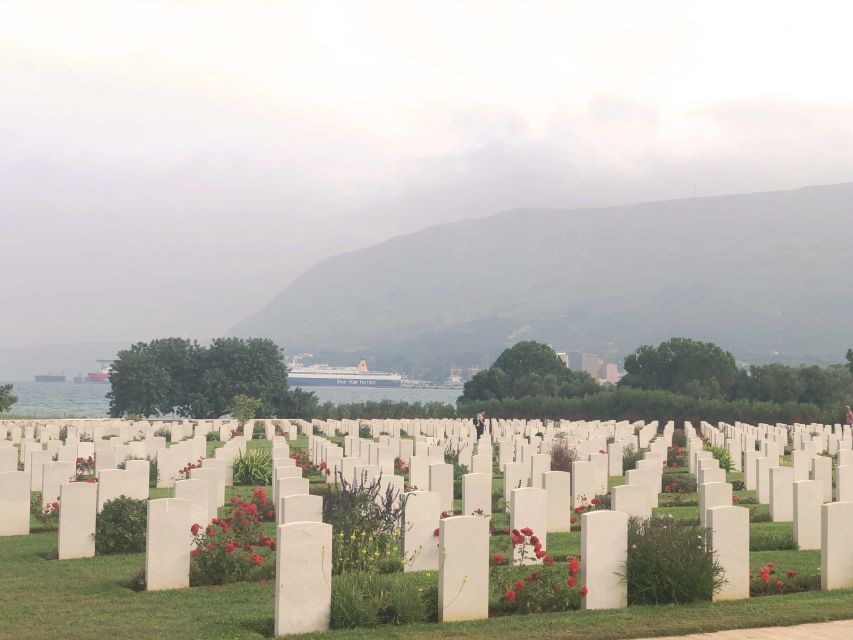
The war cemeteries provide the quietest and most emotional part of the tour. Visiting both German and Allied burial grounds gives the day a more balanced tone.
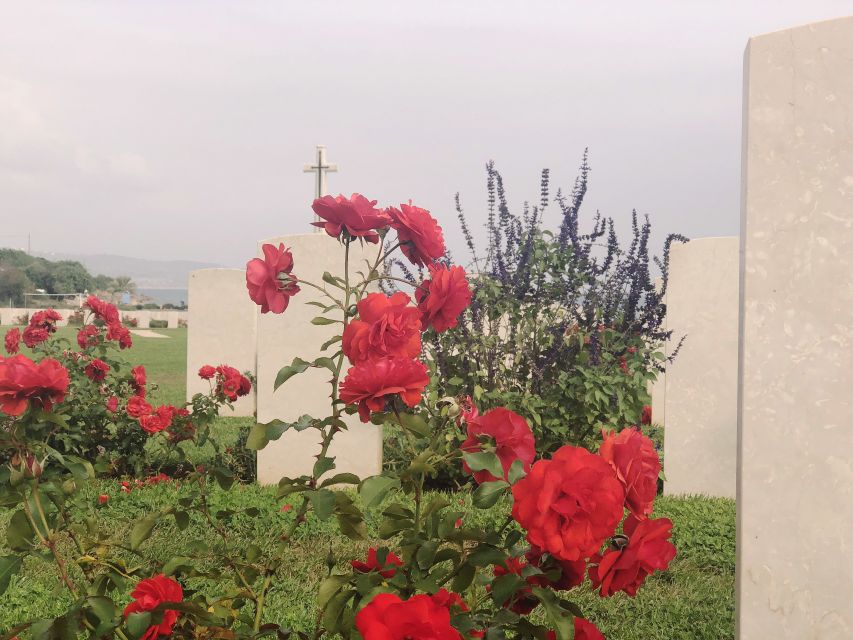
The Commonwealth cemetery at Souda Bay is carefully maintained and offers a strong sense of order and remembrance. For people with a family connection to the battle, this may be the most important stop of the entire day. Descendants of soldiers who fought in Crete have used the tour to pay their respects to relatives who never returned home.
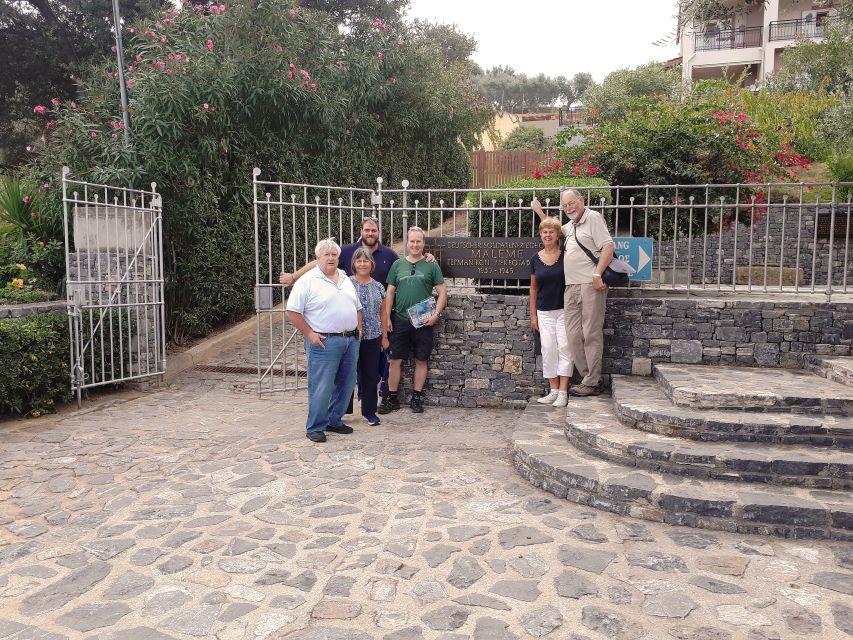
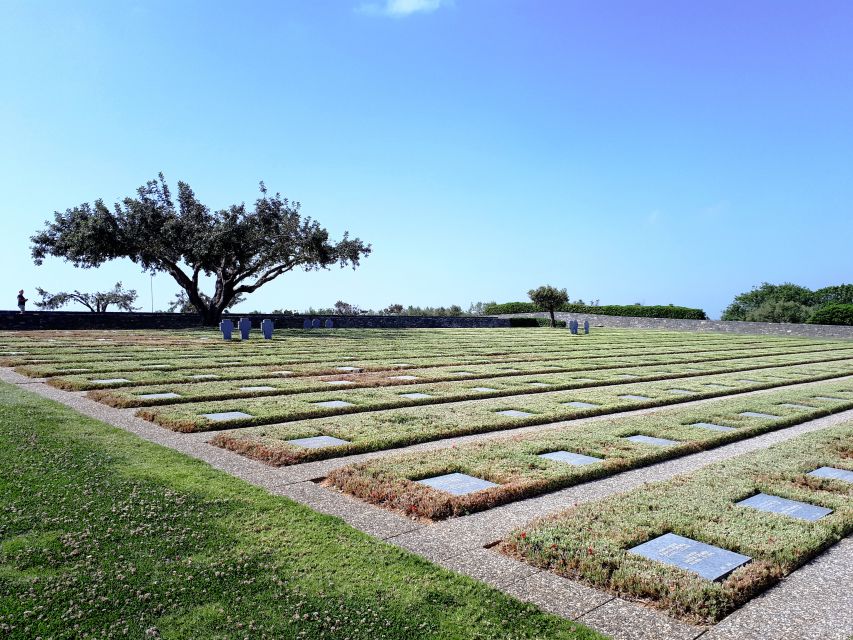
The German cemetery is also treated with care. The wording and memorial approach are presented sensitively, recognizing the human cost without blurring responsibility for the invasion and occupation.
Time management matters here. At least one participant felt there was not enough time at Souda Bay, particularly because the cemetery was the main reason for making the trip. If you have a specific grave to find or need time for quiet reflection, tell the guide early in the day and confirm how much time is planned.
This is not a stop to rush through for a photograph. Give yourself room to read names, look at dates, and absorb the scale of the losses. The cemetery visit can be especially powerful for families from Britain, Australia, New Zealand, Canada, and other Allied countries.
The guide makes or breaks the experience
The tour has received high praise for its guides, with Yannis, Yiannis, Yonis, Janos, Babis, and Gyannis mentioned by different spellings in names supplied by the operator and customers. The repeated point is clear: the guides are well informed, friendly, and able to explain the battle in a logical way.
Some visitors felt a guide with military experience added depth to the presentation. The use of maps and old photographs also received repeated praise. These tools matter because the sites themselves do not always explain what happened.
The guide is also the driver on some departures. The air-conditioned minivan was described as comfortable, and one family felt confident with the driving. In hot weather, that is more than a small convenience.
The small-group setup gives you room to ask questions. It also allows the guide to adjust slightly for mobility needs. One guide took particular care with a participant who had mobility issues. Still, this is an active sightseeing day with outdoor stops, so tell the operator about any limitations in advance.
English and Greek are the available tour languages. The English presentation is the key reason many people choose this experience, especially if they want a clear account rather than a self-guided visit.
Food, breaks, and the six-hour schedule
The advertised duration is six hours, with some accounts describing a day closer to six and a half hours. One description elsewhere gave a longer estimate, so I would confirm the expected timing when you reserve.
A snack and a bottle of water are included for each person. A local bakery snack has been especially welcome during the day, and dietary requirements have been accommodated on at least one departure.
Do not treat the snack as a full restaurant lunch. One participant suggested allowing time for a sandwich, while several others wanted another comfort stop. The usual plan includes only one scheduled break, although a guide made an extra supermarket stop when asked.
My advice is simple: use the restroom before pickup, bring comfortable shoes, and carry any extra drink or food you may need. The tour only departs from the Chania region, and pickup and drop-off are included from specific locations in that area.
The air-conditioned minivan keeps the road portions comfortable, but six hours is still a long stretch when the day combines driving, walking, cemetery visits, and detailed talks. If you need regular breaks, ask about the schedule before paying.
Is $111 a fair price?
At $111 per person, this is not the cheapest way to see western Crete. It can be good value if you would otherwise need to arrange a rental car, research the sites, find the private collection, and build the military background yourself.
The fee covers pickup and drop-off from listed Chania-region locations, air-conditioned minivan transport, an English-speaking driver-guide, a local guide, entrance fees, taxes, a snack, and water. The small-group format is important here because the value comes from explanation and conversation, not simply getting from one site to another.
I would not choose this tour solely for transport. The reason to pay is the access and interpretation: maps, photos, local stories, shelters, relics, and two different military cemeteries in one day.
The price makes the most sense for history enthusiasts, people tracing a family connection, and anyone who wants a structured introduction to the Battle of Crete. If you only want a relaxed day in the countryside, the frequent historical talks may feel like too much.
Who should book this tour?
I would recommend it to anyone with a serious interest in the Second World War, especially if you want to understand Crete from a Greek and Cretan point of view.
It is also a strong choice for families researching a relative who fought, was evacuated, or died on the island. The cemetery visits and personal stories give that connection a proper setting.
You do not need specialist military knowledge. The guides explain the campaign from the beginning, and the maps help you follow the action. The tour works particularly well as an introduction because it links the Greek-Italian War, Operation Mercury, the invasion, the resistance, and the occupation.
I would hesitate only if you need a long meal break, dislike outdoor walking, or want extended private time at Souda Bay cemetery. In those cases, ask for a precise stop schedule before booking.
Free cancellation is available up to 24 hours before departure, and you can reserve now and pay later. The tour runs in English or Greek, and pets are not allowed.
Final verdict
Book this tour if you want the Battle of Crete explained by people who know the island and care about its wartime story. The strongest elements are the guides, the old maps and photographs, the private collection, and the chance to visit both German and Allied cemeteries.
Plan for a full, serious day rather than a casual outing. Bring good shoes, expect limited scheduled breaks, and request extra cemetery time if that matters to you. For $111, GS Tours offers a focused and unusually personal way to understand the places where Crete’s war was fought.
FAQ
Where does the tour depart from?
The tour departs only from the Chania region. Pickup and drop-off are included from specific locations in that region.
How long does the tour last?
The stated duration is six hours. Some accounts describe the day as lasting about six and a half hours, so confirm the expected timing when booking.
What languages are available?
The tour is available in English and Greek. It includes an English-speaking driver-guide and a local guide.
What is included in the price?
The price includes transport in an air-conditioned minivan, pickup and drop-off from selected Chania-region locations, guides, entrance fees, local taxes, a snack, and one bottle of water per person.
What should I bring?
Bring comfortable shoes. The experience includes visits to monuments, battle sites, shelters, museums, and cemeteries.
Can I cancel or pay later?
You can cancel up to 24 hours in advance for a full refund. A reserve-now, pay-later option is also available.
Just added around Chania
- From Chania Private half day Winery-Olive factory-Kournas lake★ 5.0 · 50 reviews
- Crete Wine and Olive Oil Tour★ 5.0 · 272 reviews
- Sea Kayak Tour of Chania’s Old Venetian Port★ 5.0 · 37 reviews
- Cruise Ship Guest Beer & Food Tour – Chania Old Port★ 5.0 · 26 reviews
- Wine & Olive Oil Tour with lunch at the White Mountains★ 5.0 · 71 reviews
- Private Boat Trip Chania – Balos (price is per group-up to 9 people)★ 5.0 · 60 reviews
- The Delicious Chania Street Food Tour★ 5.0 · 138 reviews
- Sunset Craft Beer & Food Tour – Chania Old Port★ 5.0 · 86 reviews
Historical Tours, compared.
Historical Delphi One Day Tour with Arachova Stop & Expert Guide
Read our review →
Historic Athens: Small Group Electric Bike Tour
Read our review →
Half-Day Guided History and Culture Sightseeing Tour
Read our review →

Throne of Helios: The History of Rhodes in 9D Experience
Read our review →
The History of Athens: Greek Mythology Private Tour
Read our review →Browse the lists this tour appears in