
Reviewed · HALF-DAY
From Thessaloniki: Vergina & Veria Half-Day Tour
Ancient kings and Christian pilgrims share this road. I like the way this six-hour excursion joins two very different places: Veria, linked to St. Paul’s preaching, and Vergina, the first capital of ancient Macedon. I also like that the tour includes both the New Museum of Aigai and the Royal Tombs, so you see the objects and the buildings they came from.
The main thing to consider is the pace. You cover two destinations, spend time in a museum and royal burial site, then have only about an hour for lunch, free time, or an optional palace visit. The tour returns to Thessaloniki at around 2:30 p.m., making it useful for a half-day plan, but it is not designed for lingering.
In This Review
- Key points at a glance
- Why this half-day route works
- Veria and the story of St. Paul
- Entering the New Museum of Aigai
- Beneath the mound at the Royal Tombs
- Aristotle, Alexander, and Macedonian power
- Your final hour in Vergina Village
- Transport, timing, and the pace of the day
- Who should book this excursion?
- Should you book the Vergina and Veria tour?
- FAQ
- How long does the tour last?
- What time does the tour return to Thessaloniki?
- Where does the tour begin?
- Where does the tour end?
- Is transportation included?
- Is the entrance fee included in the tour price?
- Is lunch included?
- What language is the guided tour in?
- Is the tour suitable for wheelchair users?
Key points at a glance
- Enter the Royal Tombs of Vergina: Walk beneath the burial mound that covers the tomb of Philip II, father of Alexander the Great.
- See major Macedonian finds in one place: The New Museum of Aigai displays weapons, pottery, sculpture, jewelry, and grave goods.
- Connect Aristotle with Alexander: The tour places Macedonian royal culture in the wider story of Aristotle’s influence on Alexander.
- Visit Veria’s religious landmark: Learn about the city where St. Paul preached during his second missionary journey.
- Choose how to use your final hour: Stop for lunch in Vergina Village or use the time for an optional visit to the Royal Palace of Aigai.
- Travel with a licensed guide: The guide leads the visits in English by default, and Dimitra has been praised for keeping a multilingual group together and on time.
Why this half-day route works
Vergina and Veria are not interchangeable sights. One is tied to Macedonian power and royal ceremony. The other is tied to Christian pilgrimage and the early spread of the faith. Putting them together gives you a fuller picture of Central Macedonia than a museum visit alone.
I find this especially useful if you are staying in Thessaloniki without a car. The tour takes care of transportation by air-conditioned luxury bus and connects the sites in a sensible order. You can focus on the guide and the ruins instead of working out regional buses, road directions, and admission arrangements.
The meeting point is by the statue of Eleftherios Venizelos. A representative waits there with a list of names, so look for the person organizing the departure rather than simply waiting beside the statue without checking. The trip ends back at the same meeting point.
The price is $68 per person, but admission is separate at €15. Lunch and personal expenses also come out of your pocket. That makes the real cost higher than the headline price, yet the fee can still make sense if you want a guide, transport, and organized access to two important sites in one morning and early afternoon.
A few more Thessaloniki half-days to weigh up
- From Thessaloniki: Half-Day Canyoning Trip to Mount Olympus
★ 5.0 · 267 reviews - Thessaloniki: Half-Day Sailing Cruise to Shipwreck Bay
★ 4.9 · 260 reviews - Athens: Cape Sounion & Poseidon Temple Sunset Half-Day Trip
★ 4.8 · 8,241 reviews
Veria and the story of St. Paul
Veria is the first stop in the religious part of the outing. The town is associated with St. Paul, who preached here on his second missionary journey. That connection gives the visit a clear purpose, even for you if you are more interested in history than religious tourism.
The experience is not simply a drive through a Macedonian town. Your guide explains why Veria matters in the Christian story and places the city in the route taken by St. Paul. This is the sort of context that can be easy to miss when visiting independently, especially if you do not already know the biblical references.
You should not expect the same scale of archaeological display here as at Vergina. Veria is the more reflective stop, while Vergina supplies the major visual impact. If your main interest is ancient Macedonian art, the time in Veria may feel brief. If you like seeing how different eras overlap in Greece, the contrast makes the schedule worthwhile.
A guide also helps keep this part from becoming a vague religious anecdote. Ask questions if you want to understand the city’s importance, since the tour description gives the historical link but not a detailed list of every stop in Veria.
Entering the New Museum of Aigai
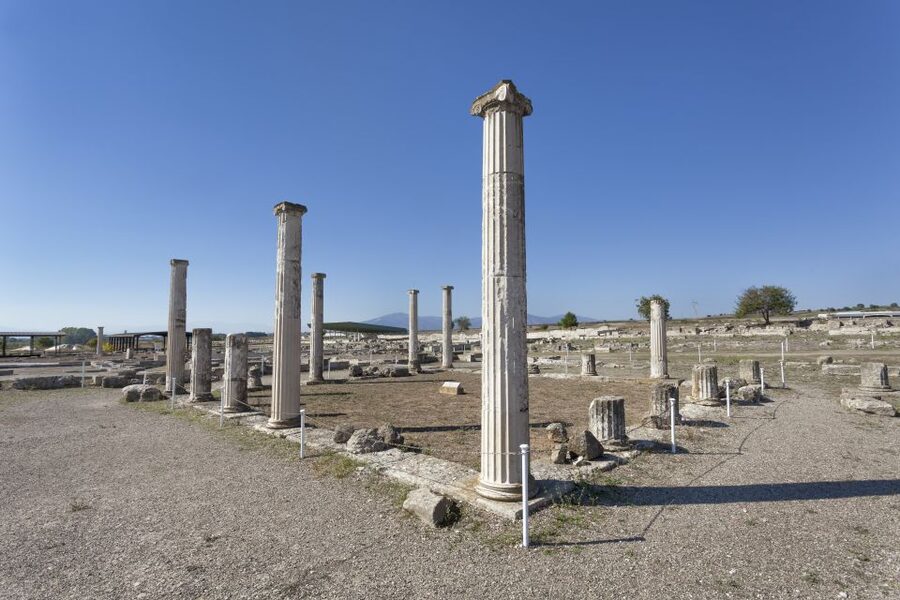
Vergina was known in antiquity as Aegae, or Aigai, the first capital of ancient Macedon. The New Museum of Aigai serves as your introduction to the royal city before you go below the burial mound.
This order matters. You first see the objects and learn about Macedonian architecture, sculpture, culture, and daily life. Then you visit the tombs where some of the finest objects were found. The museum helps you read the site rather than treating the royal burials as a collection of impressive but disconnected treasures.
The displays include:
- Ancient weapons
- Pottery
- Precious jewelry
- Sculpture
- Architectural pieces
- Grave goods
The gold objects are likely to attract the most attention, but the wider collection is what gives the visit weight. Weapons tell you about warfare and status. Pottery gives a more ordinary view of life. Architectural fragments show the scale and design of the royal center.
I like that this museum is included with a licensed guide rather than left as a quick self-guided stop. Ancient Macedonian history can become a blur of rulers, battles, and familiar names. A good explanation gives you a framework for understanding why Aigai mattered as a royal metropolis and commercial center.
One practical point: the entrance fee is not included. Budget €15 per person for admission to the sites. The tour includes the guided visit, but the ticket cost remains yours to pay.
Beneath the mound at the Royal Tombs
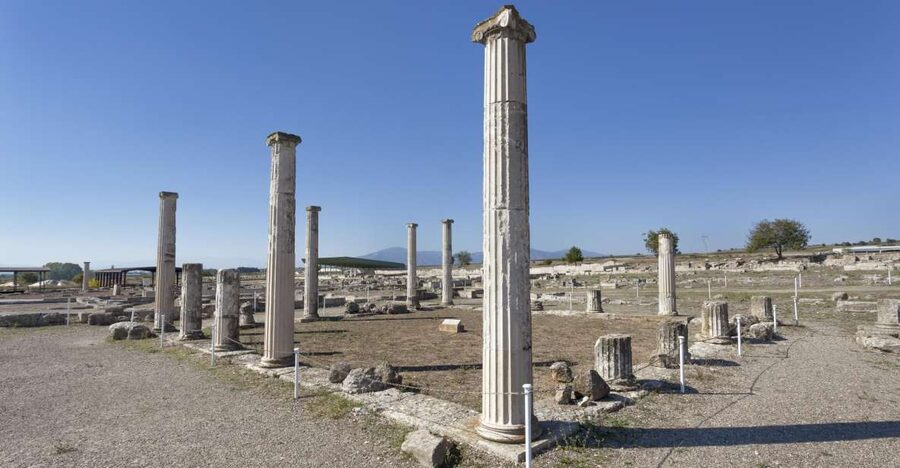
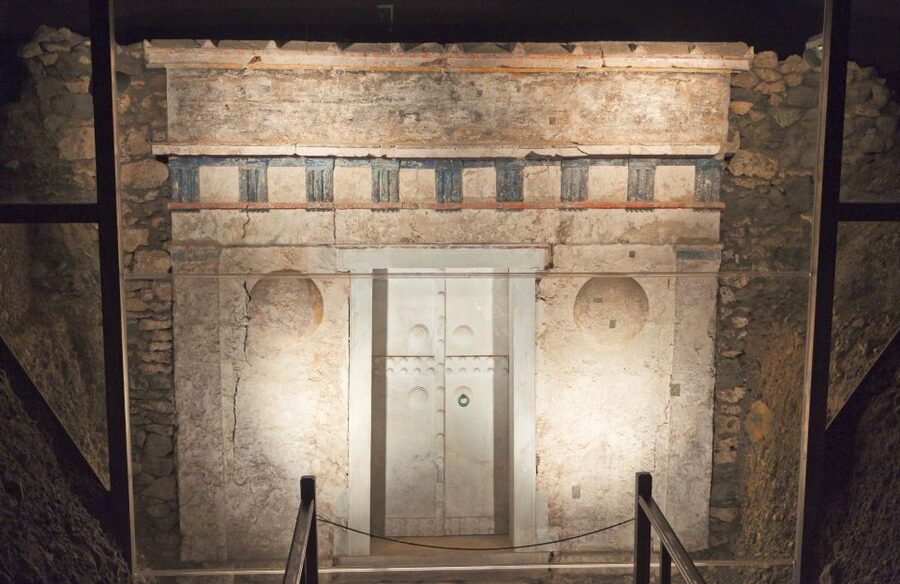
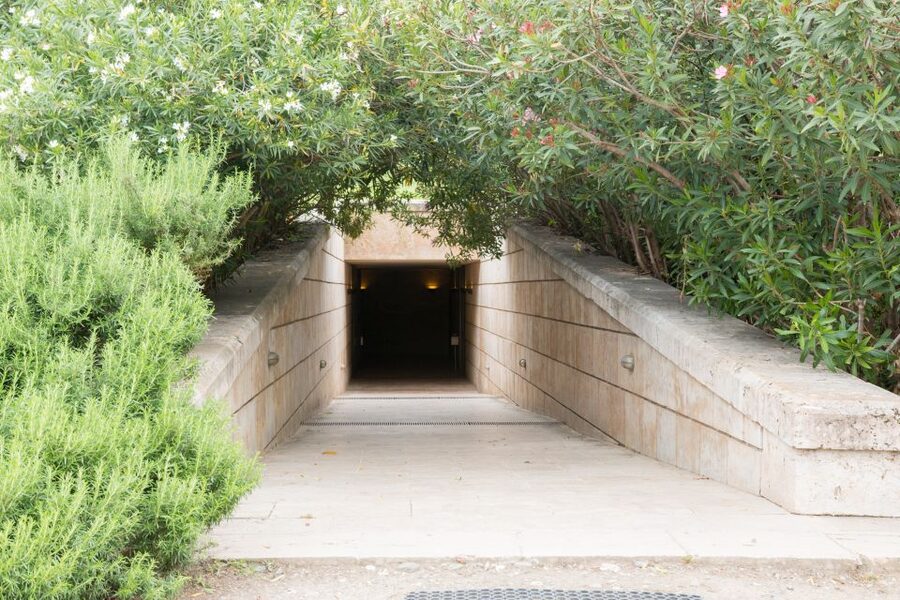
The Royal Tombs are the emotional center of the excursion. You go under the tumulus, or burial mound, and see the funerary monuments associated with the Macedonian royal family. The most famous is the tomb of Philip II, father of Alexander the Great.
This is not a simple outdoor ruin. The mound covers the tombs, and the museum-like setting protects the burial buildings and treasures while allowing you to view them in place. The enclosed atmosphere gives the stop a strong sense of discovery, although the lighting and display conditions may feel subdued compared with an open-air archaeological site.
The tomb of Philip II carries much of the historical drama. Philip built the Macedonian kingdom into a major power and created the conditions that allowed Alexander to launch his eastern conquests. Seeing the royal burial site adds a physical dimension to a story that often feels distant in books.
The finds date largely to the fourth century B.C. and include extraordinary golden treasures. You may find the combination of architecture and objects more moving than either one alone. The museum upstairs, or at the New Museum of Aigai, explains the culture. The tombs show how that culture expressed rank, family, wealth, and remembrance.
The Royal Tombs are protected by UNESCO, which reflects their importance, but the value of the visit is not just the label. You are looking at a royal burial complex tied directly to Philip II and the world of Alexander. For many people, this is the part of the day that justifies the journey from Thessaloniki.
Same stretch of coastline, a completely different day out:
- Thessaloniki: Full-Day Bus Trip to Meteora
★ 4.8 · 3,471 reviews - From Thessaloniki: Pozar Thermal Baths and Edessa Day Trip
★ 4.7 · 1,243 reviews - From Thessaloniki: Day Trip to Dion and Mount Olympus Park
★ 4.7 · 1,046 reviews - Thessaloniki: OTE Tower Rotating Experience with Light Meal
★ 4.6 · 857 reviews
Aristotle, Alexander, and Macedonian power
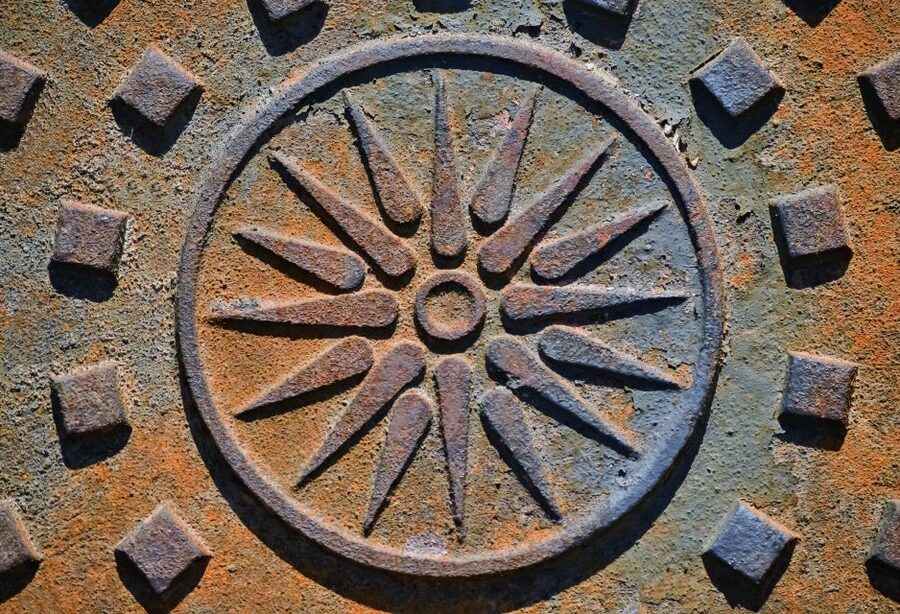
The tour also links Aristotle with Alexander the Great. Aristotle was Alexander’s teacher, and that relationship helps connect the intellectual world of ancient Greece with the Macedonian court and military kingdom.
Do not expect a separate Aristotle museum on this excursion. The value is in the guide’s explanation of the relationship and in the setting. You are learning about Alexander in the homeland and royal center that shaped his early life, rather than encountering him only through distant battlefields and later conquests.
This context is useful because the site can otherwise seem focused only on tombs and treasure. The royal family, political power, education, warfare, and public display all belong to the same story. I would pay close attention during the guide’s introduction, especially if ancient Greek names and dynasties tend to run together for you.
The tour’s strongest guide feedback centers on Dimitra, also spelled Demitra in one account. She was praised for handling three languages, explaining the museums and sites clearly, and keeping the group together and on schedule. Since the default language is English, confirm the language arrangements if your booking involves more than one language.
Your final hour in Vergina Village
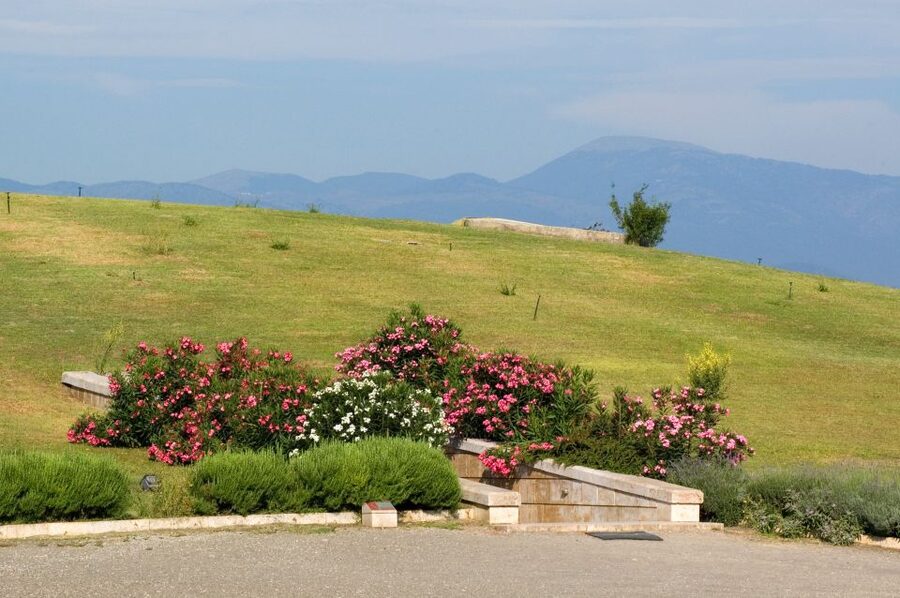
After the principal visits, you get about one hour for lunch and free time in Vergina Village. This is a useful pause after the museum and tombs, but it is not a long village stay.
Ask the guide for a lunch recommendation. That is one of the best practical tips for using the break well, since the tour does not include food and the time is limited. You can sit down for a meal, take a short walk, or simply regroup before the return drive.
There is also an optional visit to the Royal Palace of Aigai. The information provided does not specify a separate price or the exact amount of time available for this option, so ask your guide before choosing it. If the palace is a priority, find out how it fits with lunch and the return schedule.
This choice creates a small tradeoff. Lunch gives you a more relaxed break. The palace adds another major Macedonian site but may leave less time to eat. I would decide based on your priorities before the final stop, rather than trying to do everything at the last minute.
Transport, timing, and the pace of the day
The tour lasts six hours and returns to Thessaloniki at approximately 2:30 p.m. Starting times vary, so check availability for the date you want. The early finish can work well if you have an afternoon museum booking, dinner plan, or another Thessaloniki activity.
Transportation is provided by air-conditioned luxury buses. That matters in Central Macedonia, where the distance between Thessaloniki and the archaeological sites makes independent taxi travel expensive. The tour also includes liability insurance during transportation.
The schedule appears well controlled. Dimitra received particular praise for keeping the group on time, and the bus was reported as punctual from start to finish. That is important here because the day includes several stops and a fixed return.
The drawback is that organized timing leaves limited room for personal wandering. You will be following the guide through the museum and tombs, then using the final hour for lunch, free time, or the palace. If you want to study every display label or take a slow village walk, a private visit would give you more freedom.
The activity is not suitable for wheelchair users. The provider also offers free cancellation up to 24 hours in advance and a reserve-now, pay-later option, which can help if your Thessaloniki plans are still shifting.
Who should book this excursion?
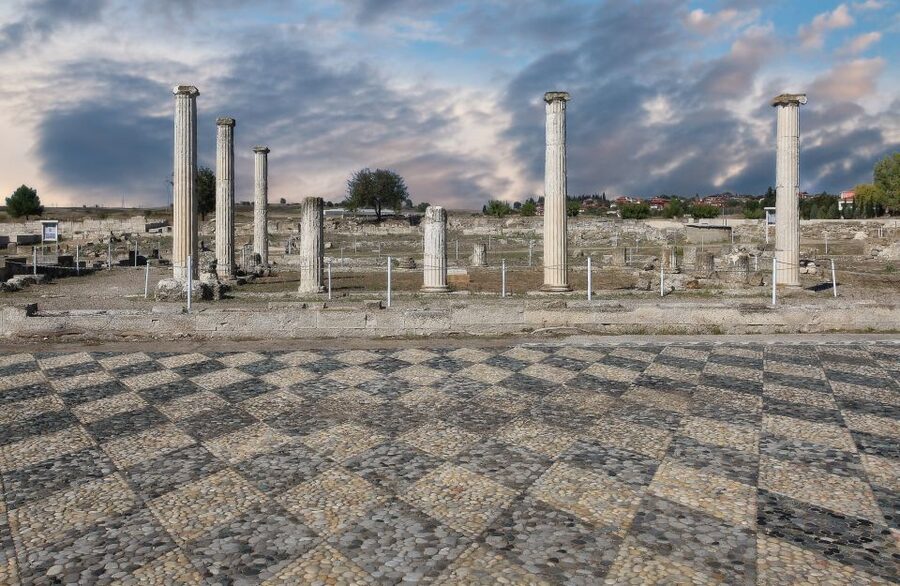
I would choose this tour if you want a practical introduction to ancient Macedon without renting a car. It suits visitors who enjoy archaeology, ancient political history, museum collections, and guided interpretation. The Royal Tombs, in particular, are far more meaningful when someone explains Philip II, Aigai, and the finds as you see them.
It is also a good fit if you want to add a religious and cultural stop without devoting a full day to it. Veria gives the route a different tone and keeps the outing from being only a sequence of royal objects.
Families with older children may appreciate the clear human story: kings, gold, burial chambers, Alexander, and Aristotle. Younger children may find the museum and guide-led explanations demanding, especially if they are not interested in ancient history.
I would think twice if you dislike fixed schedules, need wheelchair access, or want a long lunch. The tour does not include admission or food, and the optional palace visit may compete with your break. Still, the combination of transport, guiding, and access to two important Vergina sites offers solid value for $68 before the €15 entrance fee.
Should you book the Vergina and Veria tour?
Book it if you want to see the Royal Tombs and New Museum of Aigai from Thessaloniki with historical guidance and a reliable timetable. The visit to Philip II’s tomb, the fourth-century golden treasures, and the connection between Aristotle and Alexander give the tour real substance.
Skip it if your ideal day means setting your own pace or spending hours at one archaeological site. For most visitors with limited time in Thessaloniki, though, this is an efficient and worthwhile outing. Keep lunch money ready, ask Dimitra or your guide for a local recommendation, and decide in advance whether the Royal Palace matters more to you than a relaxed meal.
FAQ
How long does the tour last?
The tour lasts approximately six hours.
What time does the tour return to Thessaloniki?
The return is scheduled for around 2:30 p.m.
Where does the tour begin?
It begins at the statue of Eleftherios Venizelos in Thessaloniki. A representative waits there with a list of participant names.
Where does the tour end?
The activity ends back at the same meeting point.
Is transportation included?
Yes. Transportation is provided by air-conditioned luxury buses, and liability insurance applies during transportation.
Is the entrance fee included in the tour price?
No. Entrance fees cost €15 per person and are paid separately.
Is lunch included?
No. Lunch is not included. The tour provides about one hour for lunch or free time in Vergina Village, and you can ask the guide for restaurant recommendations.
What language is the guided tour in?
The default live tour language is English. One guide, Dimitra, has been praised for managing a group using three languages.
Is the tour suitable for wheelchair users?
No. The activity is listed as not suitable for wheelchair users.
Just added around Thessaloniki
- Thessaloniki: Aristotle’s Birthplace and Mt. Athos Cruise★ 4.4 · 52 reviews
- Thessaloniki: Walking Tour★ 4.9 · 27 reviews
- Thessaloniki: Self-Guided Audio Walking Tour & Narrative★ 3.5 · 28 reviews
- Thessaloniki: Small-Group Wine Tasting Tour with Appetizers★ 4.8 · 31 reviews
- Thessaloniki: City Sightseeing Hop-On Hop-Off Bus Tour★ 4.2 · 285 reviews
- Thessaloniki: Museum of Illusions Admission Ticket★ 4.3 · 147 reviews
- Thessaloniki:Selfie Museum, a 60-minute immersive experience★ 4.8 · 33 reviews
- Thessaloniki: Halkidiki Beach-Hopping with Swimming★ 4.9 · 52 reviews
Half-Day, compared.

Cape Sounion & Poseidon Temple Sunset Half-Day Trip
Read our review →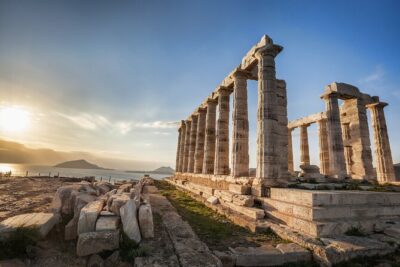
Cape Sounion and Temple of Poseidon Half-Day Small-Group Tour from Athens
Read our review →
Half-Day Exclusive Catamaran Cruise in Santorini with Meal and Open Bar
Read our review →
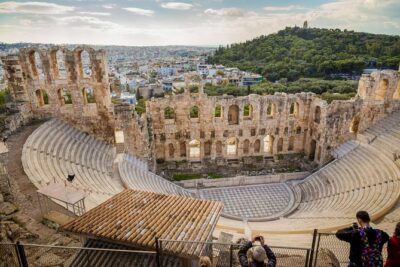
Athens Half-Day Sightseeing Tour with Tickets of Acropolis
Read our review →
Half-Day Cooking Class at Basiliko Family Tavern
Read our review →
Temple of Poseidon & Cape Sounion Half-Day Tour
Read our review →
Browse the lists this tour appears in