
Reviewed · FOOD & DRINK
Thessaloniki: Food Tastings and Drinks tour with a Chef
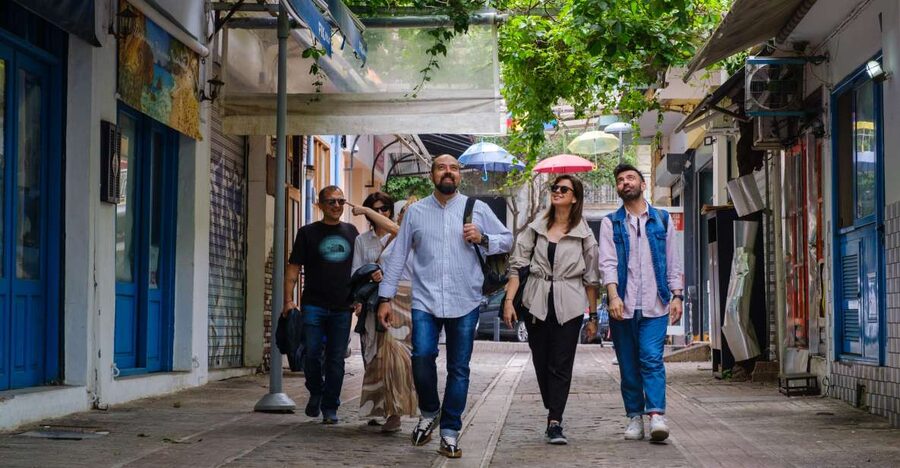
Come hungry, leave with a new city. This four-hour walk with chef Panagiotis, known as Panos, connects Thessaloniki’s food to its layered Greek, Balkan, Jewish, and Ottoman past. You move through markets, grocery stores, pastry shops, cheese sellers, cafés, and local places that are easy to miss without someone who knows the city well. The tour costs $94 per person, and the price includes all food bites, samples, coffee, and drinks.
I especially like the small group of no more than six, which makes conversation easy and lets Panos adjust his explanations to the people in front of him. I also like the generous range of tastes, from koulouri and bougatsa to cheeses, seafood, fruit, wine, coffee, and regional spirits. The main consideration is simple: there is a lot of food. Pace yourself, or you may be too full to enjoy the final stop.
In This Review
- Key points at a glance
- Meeting Panos beside Saint Sophia
- Koulouri, coffee, and the city’s first flavors
- Bougatsa and the pastry shops of Thessaloniki
- Thessaloniki’s food markets and everyday shops
- Seafood, dairy, meat, and regional flavors
- Wine, spirits, and Thessaloniki’s café culture
- The historical side of a food walk
- Why the six-person limit matters
- Is $94 good value?
- Who should book this experience?
- Practical tips for getting the most from the walk
- Should you book the Thessaloniki food tour?
- FAQ
- How long is the Thessaloniki food tour?
- What does the tour cost?
- What food and drinks are included?
- Where does the tour meet?
- Who leads the experience?
- How large is the group?
- Is the tour wheelchair accessible?
- Can I cancel the booking?
Key points at a glance
- A chef as your guide: Panos brings professional food knowledge, personal memories, and a warm way of explaining what you are eating.
- Food and history together: Thessaloniki’s changing cultures are explained through pastries, coffee, olives, cheeses, seafood, and everyday shops.
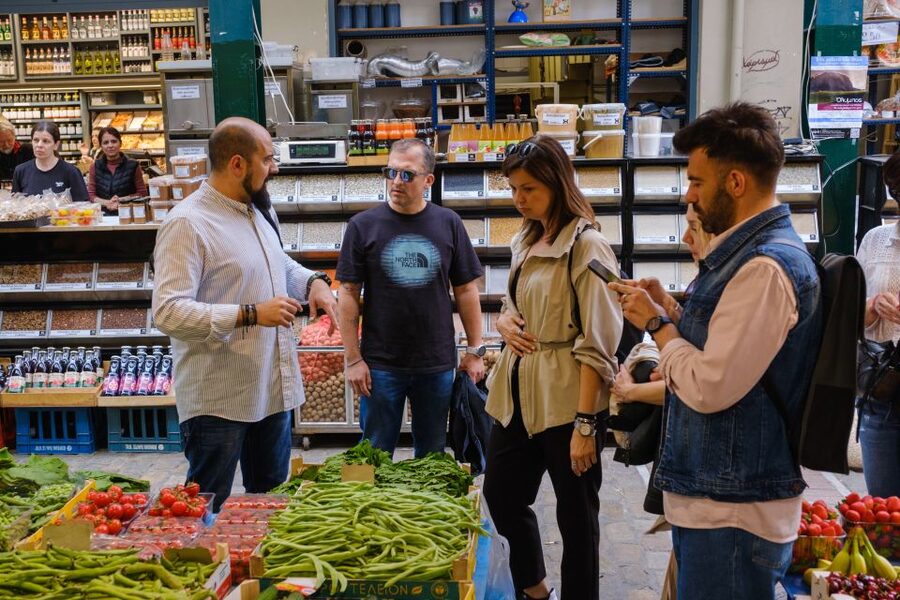
- Markets rather than monuments alone: You spend time around food stalls, grocers, family-run shops, and places many visitors would pass without noticing.
- A generous four hours: Samples and drinks are included throughout, so this works as both a cultural walk and a substantial meal.
- Limited to six people: The small format suits anyone who likes questions, conversation, and a relaxed pace.
- Best early in your stay: The route helps you understand local ingredients and gives you useful ideas for later meals in Thessaloniki.
Meeting Panos beside Saint Sophia
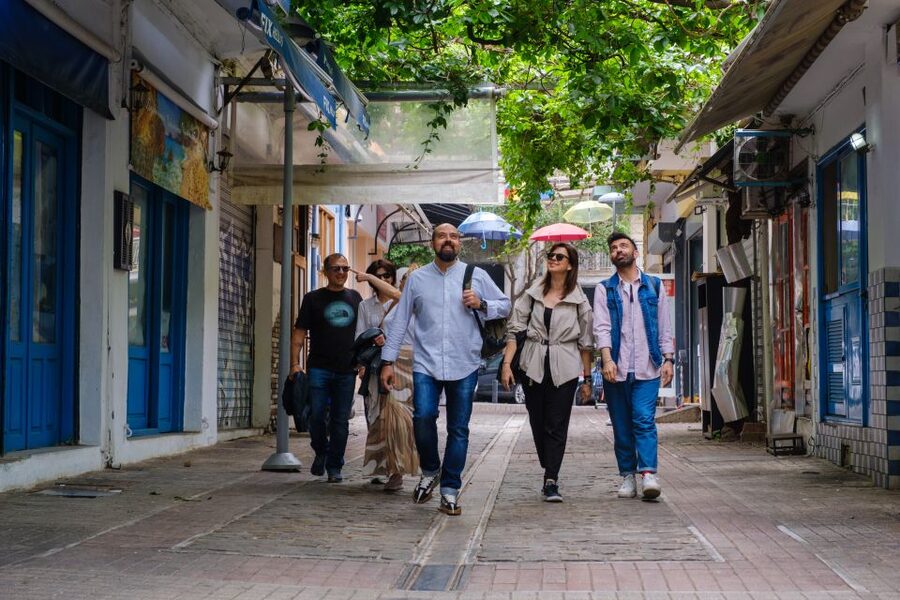
The meeting point is in front of the gate to the Church of Saint Sophia in central Thessaloniki. You are told to look for a guide with a big beard and a big smile, which should make the first meeting fairly painless.
Starting here makes practical sense. You are already in the city center, and the church gives you a clear landmark. Wear comfortable shoes and clothes. This is a walking tour with repeated stops, not a seated tasting in one restaurant.
Panos is the heart of the experience. He is a chef by background, but his role is broader than explaining recipes. He connects food with migration, trade, family customs, politics, and daily life in Thessaloniki. His style appears to be conversational rather than formal, so you can ask questions and compare Greek food with traditions from home.
That personal approach matters. Several accounts of the experience describe Panos greeting shop owners and being recognized by people along the route. You are not simply being led from one commercial stop to another. You are seeing places that are part of his own food world.
More Food Tours in Thessaloniki
- Thessaloniki: Open Market Food Tour with Tasting
★ 4.8 · 186 reviews - Thessaloniki Food Tour with a Local Chef
★ 5.0 · 111 reviews - Thessaloniki: Walking Open Market Food Tour and Tasting
★ 5.0 · 75 reviews
Koulouri, coffee, and the city’s first flavors
The tour pays tribute to koulouri, the sesame-covered bread ring commonly associated with Thessaloniki. It is an ideal first taste because it is modest, familiar, and deeply tied to ordinary city life. Panos uses food like this to explain how a dish becomes part of a place’s identity.
Coffee also receives special attention. Thessaloniki is linked with the invention and popularization of frappé, the cold instant coffee drink that became a Greek café classic. You learn the story behind the drink and how coffee culture fits into local social life.
The route may also include a traditional coffee stop, with one account specifically describing a Turkish coffee shop. That detail gives the tour a useful historical edge. Coffee in Thessaloniki is not only a quick caffeine stop. It reflects older connections across the region and the city’s long habit of bringing different food traditions into daily life.
You should not expect a coffee lecture detached from the city. Panos uses the cup in front of you as a starting point for a wider story about local habits, regional influence, and the way Thessalonians spend time together.
Bougatsa and the pastry shops of Thessaloniki
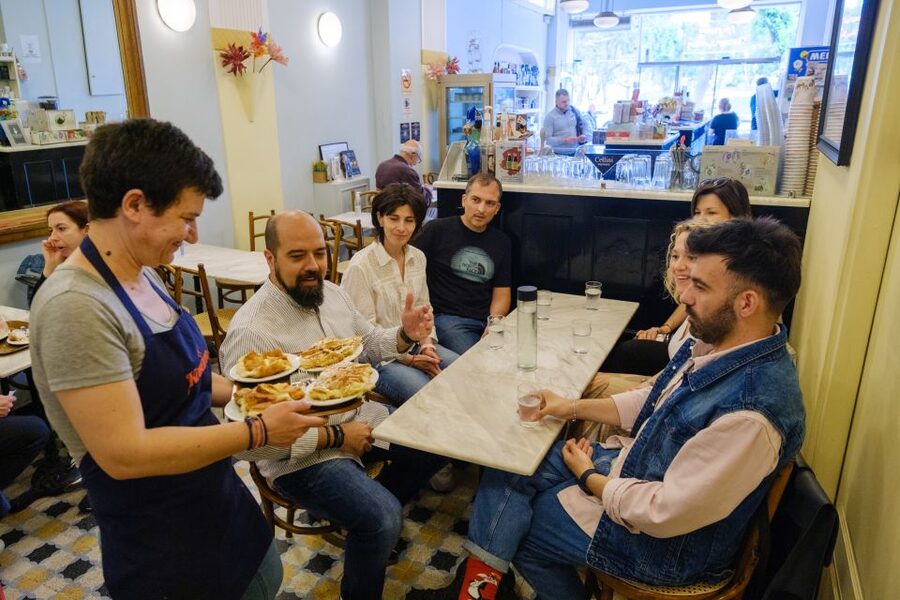
Bougatsa is another major food marker on the route. This flaky pastry can be filled with sweet custard or savory ingredients, and Thessaloniki has a strong claim to it as part of the city’s food culture. It is often treated as a quick breakfast or snack, but Panos gives it more context.
The pastry stop is valuable because it shows how food can carry traces of movement between communities. Thessaloniki has long been shaped by different peoples, languages, religions, and trading links. Bougatsa gives you something concrete to taste while hearing about those connections.
Expect the food to keep coming. The portions are described as generous, and the tour is designed to feed you rather than offer one-bite samples only. That is excellent value for anyone who wants lunch-sized tasting, but it also creates a practical challenge. You cannot approach every stop as if it were the last.
I would treat the early pastries as a chance to sample, not a signal to fill up. If you are traveling with a companion, sharing can help you save room for the cheeses, salads, seafood, meat, and drinks later.
Thessaloniki’s food markets and everyday shops
The market section is where the tour moves furthest from a standard sightseeing walk. You may pass stalls and stores selling fresh produce, herbs, spices, seafood, dairy products, meat, and prepared foods. The point is not simply to identify ingredients. It is to see how local cooking begins.
Thessaloniki’s multicultural past becomes easier to understand in a market. Different preservation methods, seasonings, pastries, and combinations have met here over many generations. Marinated anchovies, fresh fish, regional cheeses, olives, herbs, and seasonal fruit all tell part of that story.
One stop described in the experience is a family-run cheese shop. It offers cheeses from a small farm in Northern Greece, along with products such as kefir, creams, jams, honey, biscuits, vine leaves, and dips. This is one of the strongest parts of the route for anyone who likes learning how food is made and where it comes from.
Panos can explain the differences among the cheeses and introduce ancient varieties of olives. That is the sort of detail you are unlikely to get by walking into a shop alone and pointing at a display. You can also ask which products travel well, although the tour information does not promise that every shop can arrange purchases or shipping.
Another stop may be a grocery or specialty food shop filled with fresh salads, savory bites, and traditional spirits. These stores show a less polished, more useful side of local food culture. You see what people might actually buy for home, rather than only what appears on a restaurant menu.
Same stretch of coastline, a completely different day out:
- Thessaloniki: Full-Day Bus Trip to Meteora
★ 4.8 · 3,471 reviews - From Thessaloniki: Pozar Thermal Baths and Edessa Day Trip
★ 4.7 · 1,243 reviews - From Thessaloniki: Day Trip to Dion and Mount Olympus Park
★ 4.7 · 1,046 reviews - Thessaloniki: OTE Tower Rotating Experience with Light Meal
★ 4.6 · 857 reviews
Seafood, dairy, meat, and regional flavors
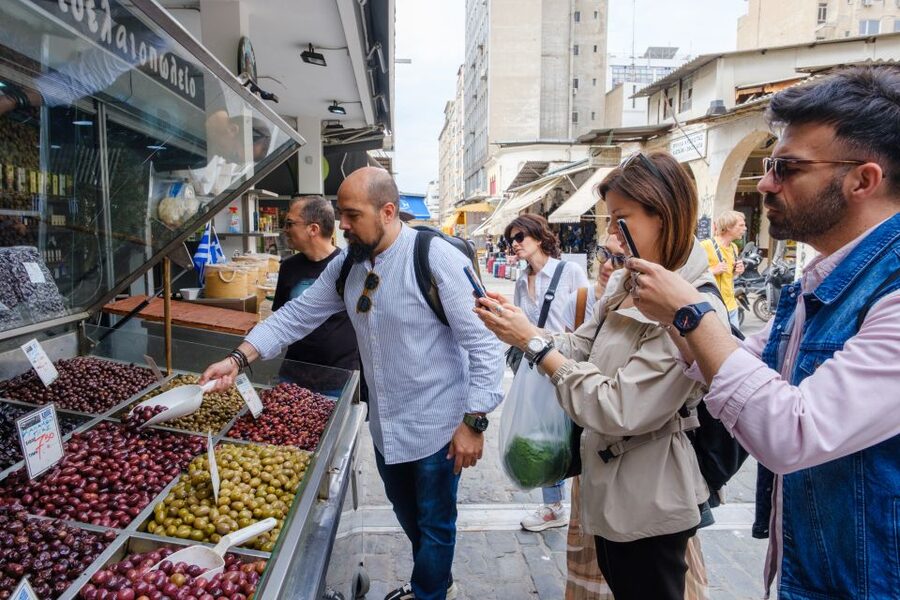
The food selection is broad enough to show that Greek cooking is not limited to the familiar plate of grilled meat and salad. Daily-fished seafood, dairy products, marinated anchovies, fresh meat, herbs, fruit, and pastries all have a place.
The seafood matters because Thessaloniki’s location gives fish and seafood a natural role in the local diet. The tour information does not promise a particular species or a fixed menu, so the exact tasting can change with season and supply. That is a good thing in principle, since fresh food is best when the route follows what is available.
The cheese tasting is especially useful for visitors who know only a few Greek varieties. You may encounter differences in texture, age, milk, salt, and production method. Panos explains these distinctions as a chef, which makes the tasting more than a parade of similar white cheeses.
Fresh salads, dips, vine leaves, honey, and preserves add another layer. These foods help you understand how Greek meals are built through contrast: creamy with sharp, salty with sweet, fresh with preserved, crisp with soft.
The route can also include grilled meat and regional drinks. Since all bites, coffees, and beverages are included, you do not need to keep calculating small extra charges at each stop. That makes it easier to concentrate on the food and the conversation.
Wine, spirits, and Thessaloniki’s café culture
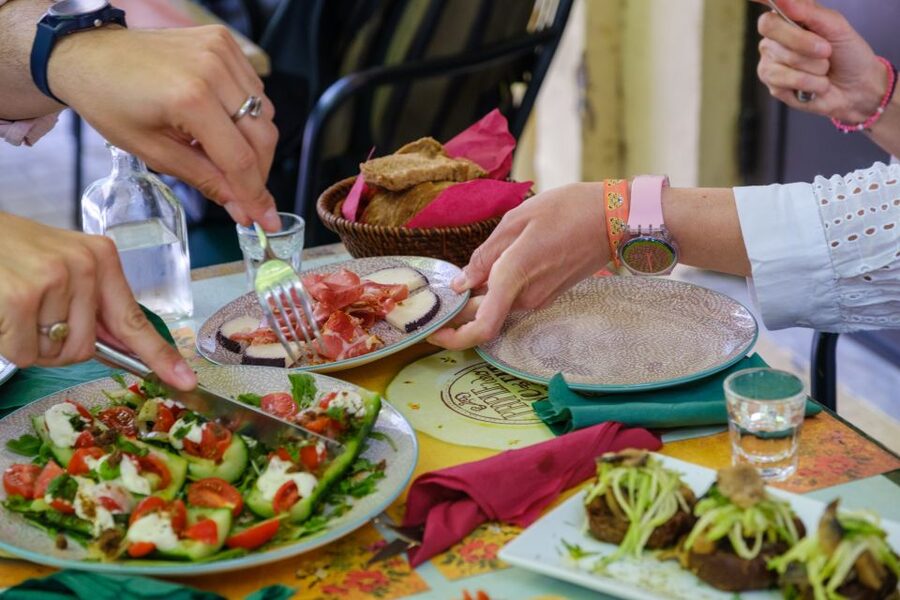
Drinks are not an afterthought here. Coffee, wine, water, and traditional spirits may appear along the way, with one described route finishing at a comfortable wine bar with tapas and a nightcap.
That final drink gives the walk a social finish. Instead of ending abruptly at the last shop, you have time to sit, talk, and review what you have tasted. It also makes the experience feel closer to a long local meal than a series of disconnected samples.
The tour may include grappa or a similar regional spirit, along with wine. If you do not drink alcohol, the provided details do not spell out every substitute, so contact the operator before booking if that is important to you. The listing does confirm that coffees and beverages are included.
The slow movement from coffee to food shops to wine reflects how Thessaloniki eats. Meals are not always a quick transaction. Conversation, lingering, and repeated small tastes are part of the pleasure.
The historical side of a food walk
This is not a monument-heavy history tour. You are not promised long interior visits or a set lecture at each major sight. Instead, Panos uses the streets and the food in front of you to explain Thessaloniki.
That method works particularly well here because the city’s identity is tied to exchange. Ingredients, recipes, religious communities, merchants, and families have crossed paths over time. A pastry can open a discussion about migration. A coffee can lead to the story of café life. A cheese can point toward Northern Greece and small-scale farming.
Several participants describe Panos as a strong storyteller who links social and political history with food. That is likely the main reason the tour receives such consistent praise. You are not just told what a dish is called. You learn why it matters.
The historical material also helps you see familiar foods differently. Koulouri becomes more than bread. Bougatsa becomes more than pastry. Frappe becomes more than iced coffee. The city begins to feel connected through tastes rather than divided into separate attractions.
Why the six-person limit matters
A group capped at six is a major advantage for this particular tour. Food tastings work better when everyone can see the products, hear the explanation, and ask questions without shouting across a crowd.
A small group also suits the shop visits. Family-run stores and compact food businesses may not have room for a large tour. With fewer people, the experience can feel more like being introduced around than being processed through a sightseeing route.
Panos’s strength is his interaction with the group. His explanations cover history, food production, local customs, and personal stories, but the small format lets him respond to individual interests. Vegetarians have been accommodated, according to one detailed account, though you should still state dietary needs before the tour.
The downside is availability. A six-person limit means popular dates can fill quickly, especially during busy travel periods. It also means the tour is not designed for a large family reunion or a big group of friends unless separate arrangements are made.
Is $94 good value?
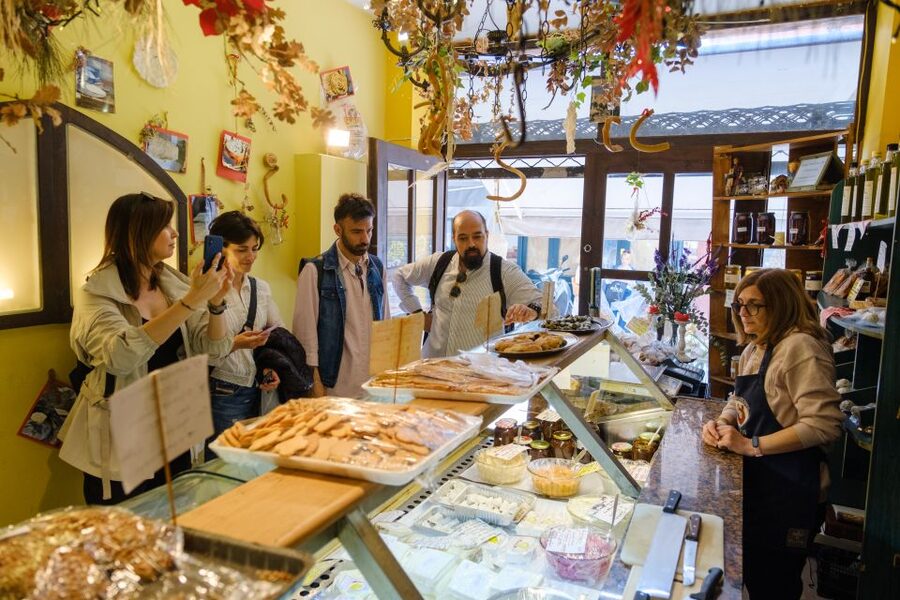
At $94 per person, this is not the cheapest way to buy a koulouri and a coffee. That comparison misses the point. The fee includes four hours of guiding, a small group, a chef’s explanations, food from several types of businesses, coffee, alcoholic and nonalcoholic beverages, and a substantial amount of local orientation.
The value is strongest if you planned to eat several times during the day anyway. You are combining a walking tour, a food introduction, and a meal-sized tasting session. The route may also save you from spending money on random choices that do not suit your taste.
It is also valuable early in a Thessaloniki visit. One participant described the tour as a superb introduction that helped set up the rest of a stay. I agree with that strategy. Book it near the start, then use Panos’s recommendations for later restaurants and shops.
The price is less attractive if you want a quick snack tour, dislike walking, or prefer one long meal in a single restaurant. You are paying for context and variety. If you only want to eat without conversation, a market lunch will cost less.
Who should book this experience?
I would recommend it most strongly to food-focused visitors who want to understand what they are tasting. It also suits first-time visitors who want an introduction to central Thessaloniki without spending four hours inside museums.
You will likely enjoy it if you like:
- Trying foods you would not order on your own
- Small shops and local markets
- Stories about food, migration, and city life
- Conversation with a guide rather than a scripted lecture
- Generous tastings that can replace a full meal
- Recommendations for later meals in town
It is a good match for couples, solo visitors, and small groups of friends. The English and Greek guiding options make it accessible to a wide range of participants, and the tour is listed as wheelchair accessible.
You should think twice if you have mobility limits that make a four-hour city walk tiring, although the activity is marked wheelchair accessible. You should also ask ahead about serious allergies, strict dietary rules, or alcohol-free requirements because the published details confirm vegetarian accommodation but do not list every possible dietary arrangement.
Practical tips for getting the most from the walk
Eat lightly before meeting Panos. You want enough appetite for the first pastry and coffee, but not so much that you are full before the market section.
Wear shoes you can walk in for four hours. Comfortable clothing matters too, especially in warm weather. Thessaloniki can encourage slow wandering, but the route still covers several stops on foot.
Bring a small bag if you hope to buy cheese, honey, biscuits, dips, or other products. One person bought several items at the family-run shop, and that is a tempting possibility. The tour does not promise shopping time or luggage storage, so keep your purchases manageable.
Take notes on foods you like. Panos’s route includes enough dishes, ingredients, and local names that it is easy to forget the details by dinner. Ask him to repeat the name of anything you want to find later.
Most of all, pace yourself. The food is generous, the stops are varied, and the final wine or tapas stop deserves room.
Should you book the Thessaloniki food tour?
Yes, if you want food to explain the city rather than simply fill your stomach. Panos combines chef-level food knowledge with local memories, historical stories, and friendly introductions at shops and cafés. The strongest feature is not one particular pastry or drink. It is the way the stops connect.
At $94, the tour is a worthwhile splurge for a first or second day in Thessaloniki, especially since the fee covers all tastings and beverages. Book it if you value personal guidance, small groups, and generous food. Skip it only if you prefer independent eating, have limited walking stamina, or want a tightly fixed menu with no variation.
FAQ
How long is the Thessaloniki food tour?
The tour lasts four hours. Starting times depend on availability when you book.
What does the tour cost?
The listed price is $94 per person.
What food and drinks are included?
All food bites, samples, coffees, and beverages are included. The route may feature koulouri, bougatsa, cheeses, seafood, salads, anchovies, fresh produce, meat, wine, coffee, and regional spirits.
Where does the tour meet?
The meeting point is in front of the gate to the Church of Saint Sophia in central Thessaloniki. The guide is described as having a big beard and a big smile.
Who leads the experience?
The tour is led by chef Panagiotis, also known as Panos. He guides in English or Greek and explains both Greek food and Thessaloniki’s history and culture.
How large is the group?
The experience is limited to six participants, making it a small-group tour.
Is the tour wheelchair accessible?
Yes. The activity is listed as wheelchair accessible. Comfortable shoes and clothes are recommended.
Can I cancel the booking?
You can cancel up to 24 hours in advance for a full refund. Reserve now and pay later is also available.
Just added around Thessaloniki
- Thessaloniki: Aristotle’s Birthplace and Mt. Athos Cruise★ 4.4 · 52 reviews
- Thessaloniki: Walking Tour★ 4.9 · 27 reviews
- Thessaloniki: Self-Guided Audio Walking Tour & Narrative★ 3.5 · 28 reviews
- Thessaloniki: Small-Group Wine Tasting Tour with Appetizers★ 4.8 · 31 reviews
- Thessaloniki:Selfie Museum, a 60-minute immersive experience★ 4.8 · 33 reviews
- Thessaloniki: City Sightseeing Hop-On Hop-Off Bus Tour★ 4.2 · 285 reviews
- Thessaloniki: Museum of Illusions Admission Ticket★ 4.3 · 147 reviews
- Thessaloniki: Halkidiki Beach-Hopping with Swimming★ 4.9 · 52 reviews
Food & Drink, compared.

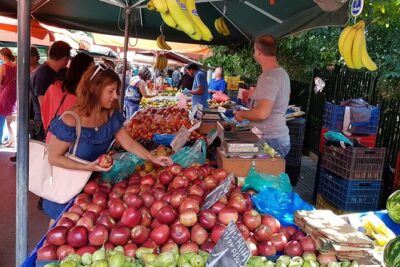
Small Group Greek Traditional Food Tour in Athens 20+ Tastings
Read our review →
Santorini Wine Stories: Sunset Tour with Tasting & Dinner
Read our review →
Food Market Visit and Cooking Class with Wine
Read our review →
Browse the lists this tour appears in