
Reviewed · 3-DAY EXPERIENCES
3-Day Ancient Greek Archaeological Sites Tour from Athens
Ancient Greece comes alive on the road. This three-day circuit links Mycenae, Olympia, and Delphi with the Corinth Canal, Epidaurus, Nafplia, and the Antirion Bridge. I like the way the tour combines major archaeological sites with smaller towns and mountain roads, rather than keeping you inside Athens. I also like that entrance fees, breakfast, dinner, guiding, and hotel stays are bundled into the price.
The main trade-off is time. You cover a huge stretch of Greece in only three days, so the schedule is active and some site visits last about three hours in strong sun. The tour suits you best if you want a well-organized introduction to classical Greece and prefer not to arrange buses, hotels, and remote ruins yourself.
- Theater at Epidaurus: Hear why its acoustics are famous, then explore one of Greece’s best-preserved ancient performance spaces.
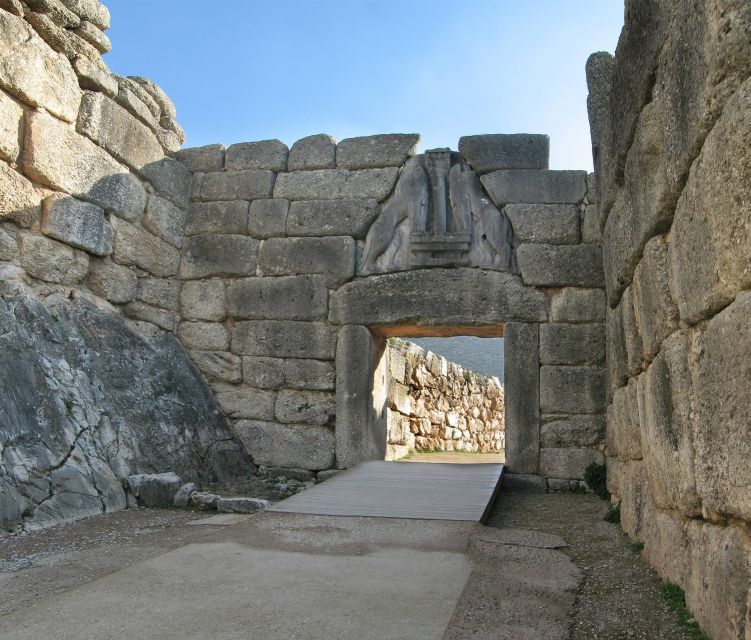
- Mycenae and the Tomb of Agamemnon: Walk through the Lion Gate and the ruins of the legendary citadel.
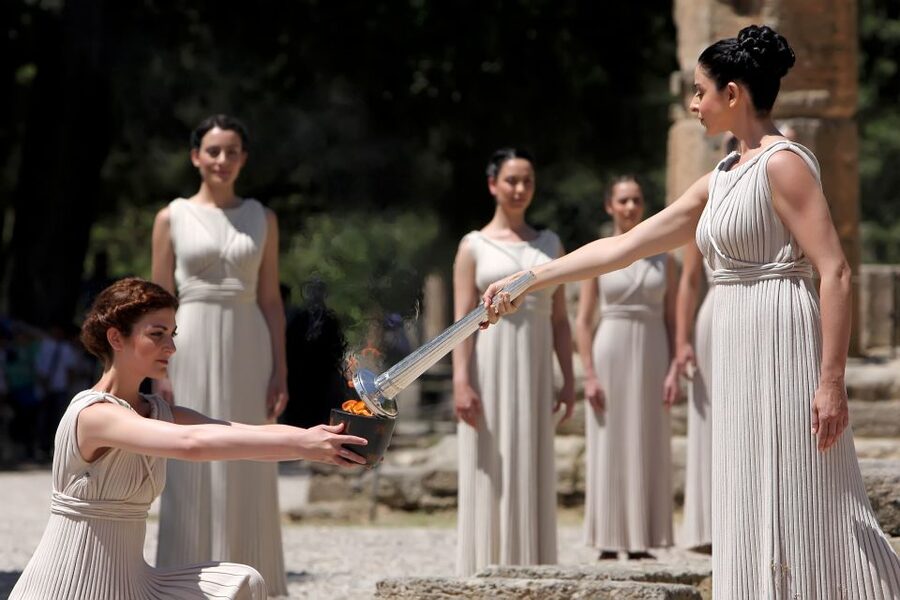
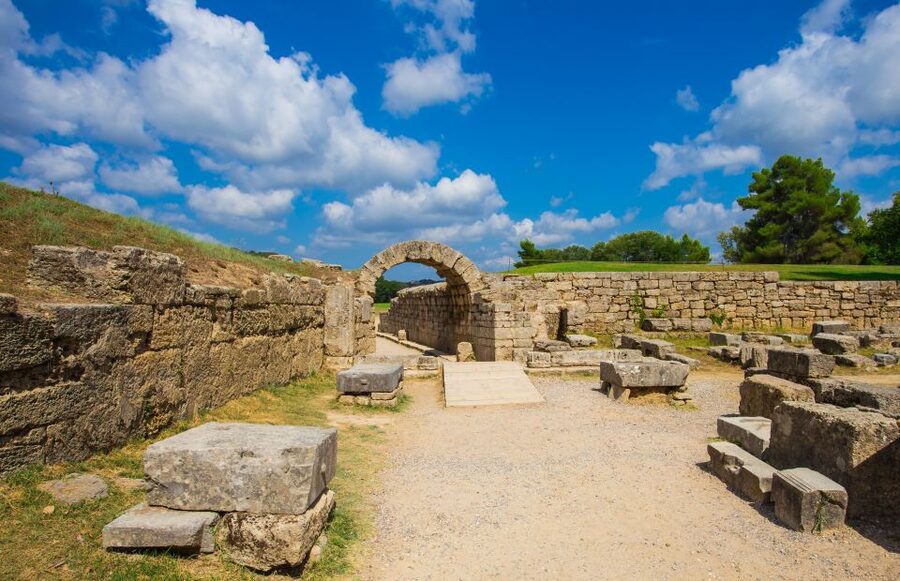
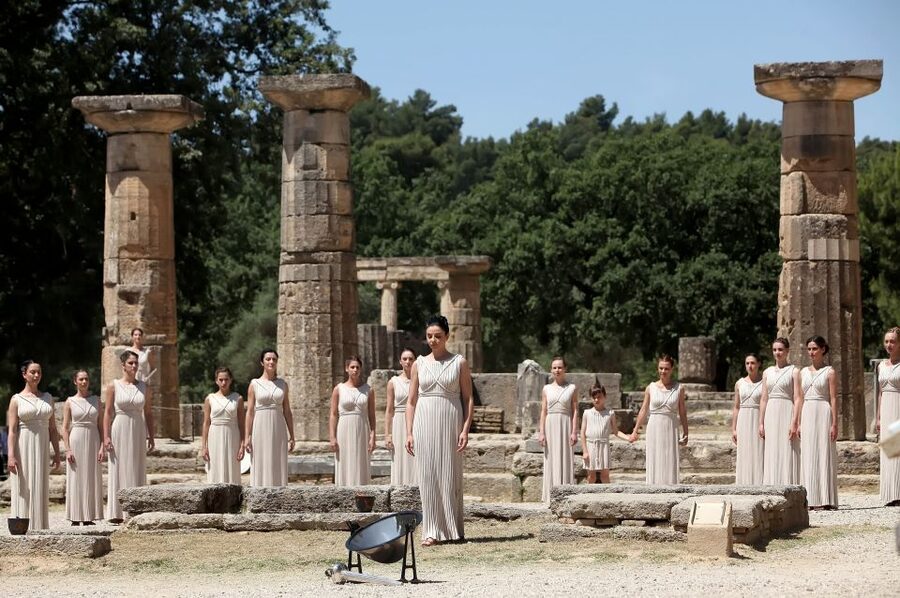
- Olympia’s Olympic altar: See the ancient stadium, temples, museum, and the place where the Olympic flame is lit.
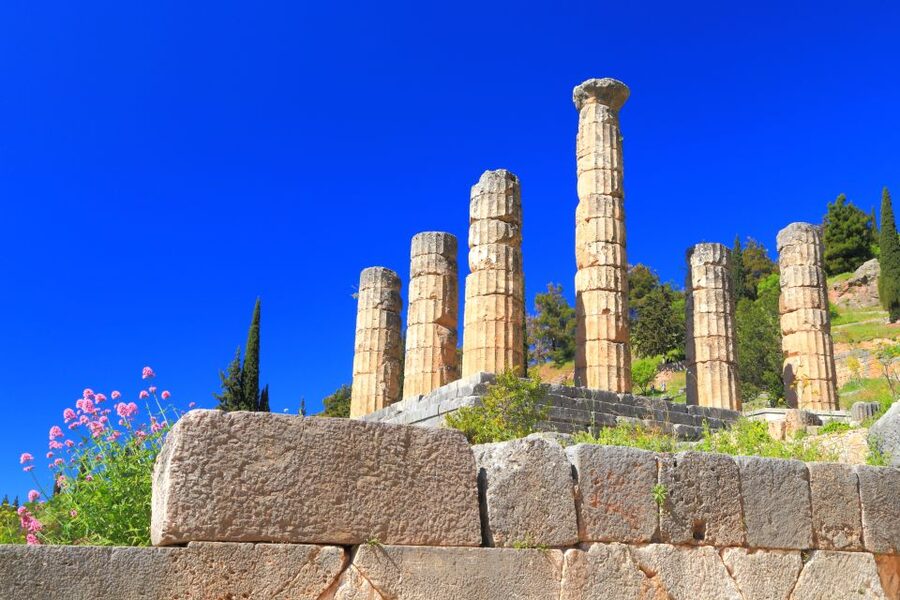
- Delphi on Mount Parnassus: Visit Apollo’s temple, the theater, museum, and the sanctuary once called the center of the world.
- Two scenic crossings: Pass through the Corinth Canal and cross the Corinthian Gulf on the modern bridge from Rion to Antirion.
- A guide-led road trip: Guides such as Anna, Marianna Tsigaridou, Evan, and Dimitris have been praised for clear instructions, mythology, and practical care.
In This Review
- What the $506 Price Covers
- Day One: Corinth Canal, Epidaurus, Nafplia, and Mycenae
- Day Two: Olympia and the Road to Delphi
- Day Three: Delphi, Apollo, and the Oracle
- Guides, Buses, and the Pace of the Trip
- Food, Hotels, and Everyday Comfort
- Is This Tour Environmentally Responsible?
- Who Should Book This Three-Day Route?
- Final Verdict: A Strong First Look at Ancient Greece
- FAQ
- How long is the Ancient Greek Archaeological Sites Tour from Athens?
- What archaeological sites are included?
- Is the Corinth Canal included?
- Does the tour visit Nafplia?
- Is transportation included?
- Are hotels included?
- Are meals included?
- Is the tour conducted in English?
- Does hotel pickup come with the tour?
- Is the tour suitable for wheelchair users?
- What additional hotel charge should I expect?
- Can I book now and pay later?
- Can I cancel for a full refund?
What the $506 Price Covers
At $506 per person, this is not a bargain-basement bus ride, but it can be good value for the ground covered. You receive three days of transport in a luxury air-conditioned bus, a live English-speaking guide, archaeological entrance fees, two hotel nights, breakfast, and dinner.
That bundle matters in the Peloponnese. Mycenae, Olympia, and Delphi are spread across several regions, and reaching all three independently would mean arranging multiple buses or hiring a car, then finding hotels in Olympia and Delphi. The tour removes much of that work.
You still pay for lunches, drinks, personal expenses, and hotel tax. Lunches are usually handled during stops, and you should budget separately rather than expect every meal to be included. The hotel tax is paid directly to the property: €5 per room per night for a three-star hotel or €10 per room per night for a four-star hotel.
The accommodation choice affects the feel of the trip. Three-star and four-star options are available, but the exact hotels may not be confirmed until close to departure. A three-star stay in Olympia has received especially good marks, while the Delphi hotel experience can vary more. Treat the hotel category as a useful guide, not a promise of identical quality at every stop.
Bookings use double or triple rooms. If you want a single room, you need to make a separate booking for one person. That detail is easy to miss and worth settling before you pay.
Day One: Corinth Canal, Epidaurus, Nafplia, and Mycenae
The first morning begins with pickup from most centrally located Athens hotels, usually about an hour before departure. You can also meet at the supplier’s office 15 minutes before departure, but you need to confirm the exact meeting point and time with Key Tours.
The first major sight is the Corinth Canal, cut through the narrow Isthmus of Corinth. It is not an ancient ruin, but it gives the morning a useful change of pace. The steep walls and narrow waterway show the scale of the 19th-century engineering project, and the stop breaks up the first stretch of driving.
From there, you continue to Epidaurus. The ancient theater is the day’s first classical site and one of the tour’s best introductions to Greek architecture. Its shape and setting are impressive, but the guide’s explanation of its acoustics adds the real value. You can hear why a theater built long before modern sound systems still draws attention.
This is a place where you should listen carefully, then take a few minutes to walk around on your own. The schedule gives you guided visits followed by some free time, though the amount can vary with the group and road conditions.
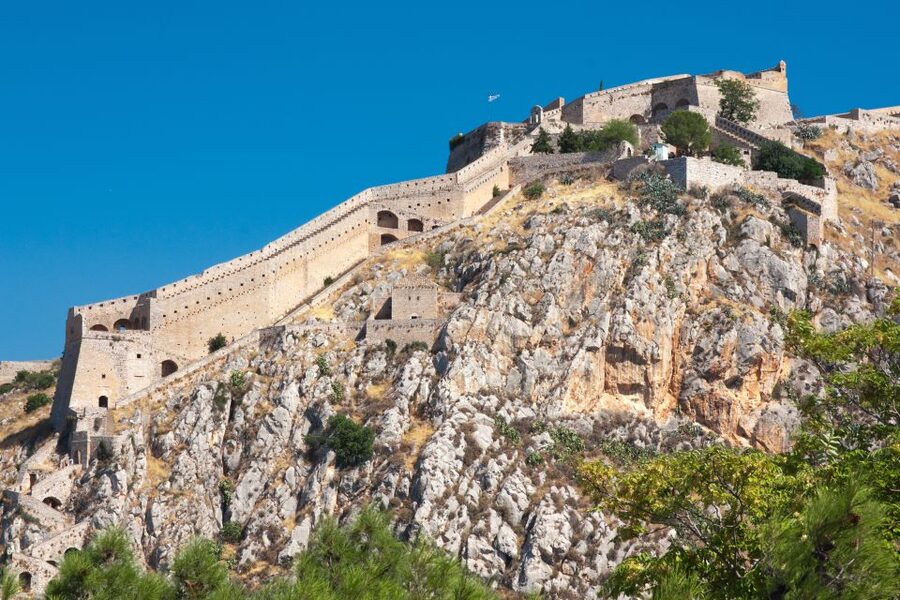
The route then reaches Nafplia, often spelled Nafplion, a pretty harbor town that served as the first capital of the modern Greek state. The stop helps connect ancient Greece with the country’s more recent political story. The itinerary also passes through the plain of Argos, an area tied to some of the oldest myths in the Greek world.
Next comes Mycenae, the citadel associated with Agamemnon and the Bronze Age world described in Homeric stories. You will see the famous Lion Gate, the remains of the fortified settlement, and the Tomb of Agamemnon, also called the Treasury of Atreus.
Mycenae rewards a good guide. Much of the site is made up of walls, foundations, and rough stone, so the stories and explanations help you picture a powerful citadel rather than a complete ancient city. Several guides on this route have used books, photographs, or reconstructed images to show what the ruins may once have looked like.
Do not count on returning to every corner later. The practical advice is simple: take photographs as you go, especially if you want a record of details beyond the main stops. Mycenae is also uneven and exposed, so comfortable shoes and sun protection will help.
After Mycenae, the coach continues toward Olympia. Short stops in Tripolis and Megalopolis provide chances to stretch your legs or buy souvenirs. These are brief road stops, not full sightseeing visits, but they help on a long day of driving.
You spend the night in Olympia. Dinner and breakfast are included, and staying in town gives you some independence around the organized schedule. The first night is often one of the stronger accommodation points, particularly in the three-star option, but hotel quality can depend on the assigned property.
A few more Athens half-days to weigh up
- 3-Day Classical Greece Tour: Epidaurus, Mycenae, Nafplion, Olympia, Delphi
★ 4.5 · 342 reviews - From Athens: 3 Days in Meteora & Delphi with Tours & Hotel
★ 4.6 · 97 reviews - Meteora & Delphi 3 Days Semi Private Tour
★ 4.5 · 80 reviews
Day Two: Olympia and the Road to Delphi
Olympia is more than the birthplace of the modern Olympic flame. In antiquity, it was a sacred sanctuary where athletic contests formed part of religious life. The site makes sense when you see the temples, sporting grounds, and museum together.
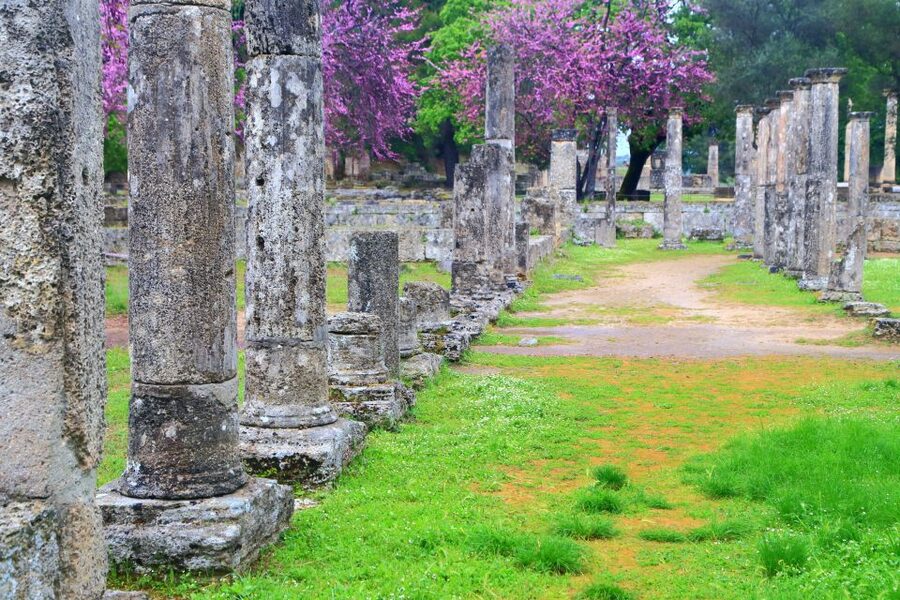
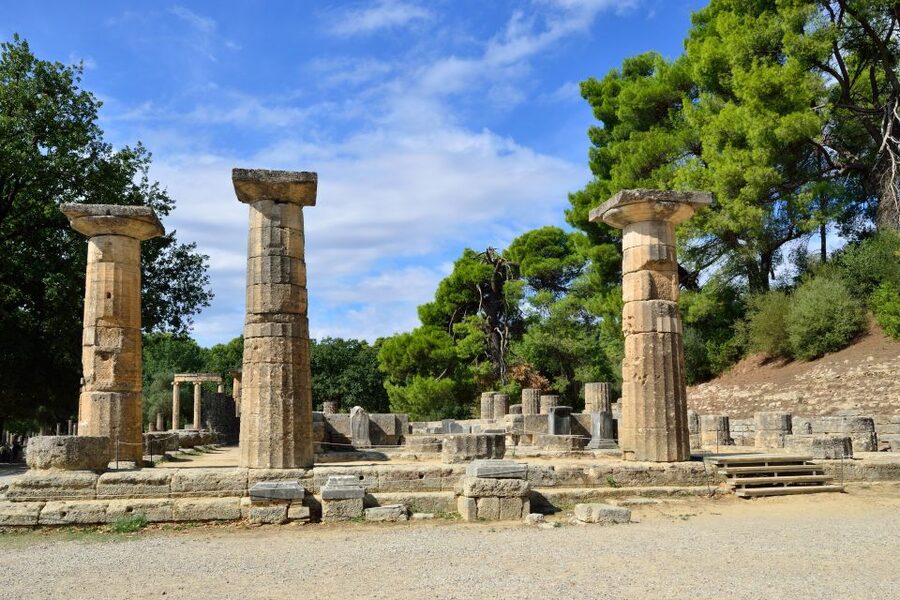
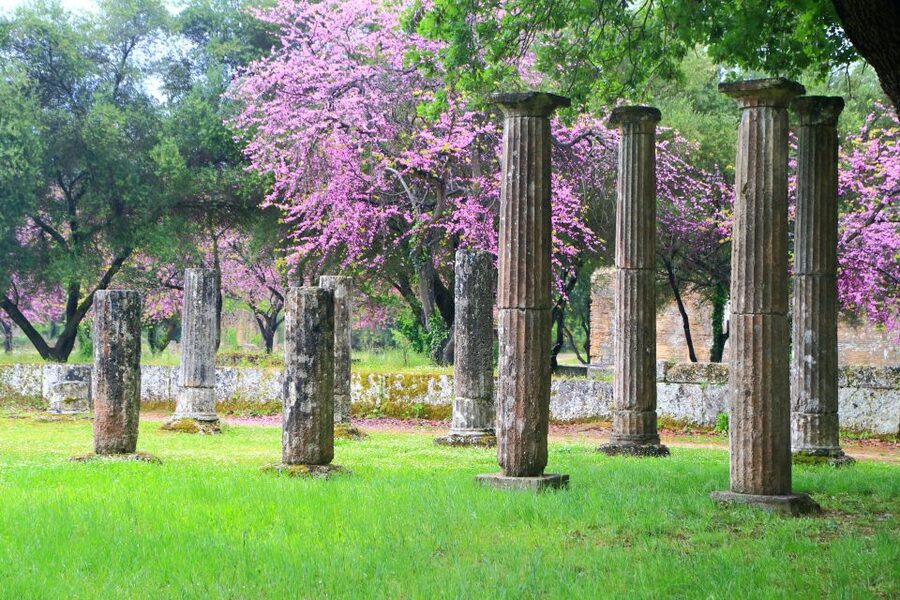
The visit includes the remains of the Temple of Zeus, the Temple of Hera, the ancient stadium, and the altar connected with the Olympic flame. The Doric columns and fallen stone require some imagination, but the setting helps you understand how religion, competition, and civic pride met in one place.
The Archaeological Museum of Olympia sits directly opposite the ruins. That is a major advantage. You do not have to make a separate journey to see the sculptures and objects found during excavation, and the museum gives shape to the stones you have just walked among.
The Olympia visit can last around three hours, and summer heat is a serious factor. Much of the site is open and exposed. Bring a hat, sunglasses, water, and an umbrella if you use one for shade. Spring or autumn should feel more comfortable than the hottest part of summer, though the tour operates across the main season.
After Olympia, the route heads to Rion and crosses the Corinthian Gulf on the modern bridge to Antirion. The bridge ride is one of the more memorable transport moments of the trip. You then follow the coast toward Delphi, passing Nafpaktos, a small harbor city with a more relaxed feel than the major archaeological stops.
The road sections are long, but they are not empty time. Guides often use the drive to explain Greek customs, mythology, geography, and modern life. Anna, for example, has been praised for adding cultural context between sites, while Dimitris was especially good at linking myths to the towns and hills along the route.
The day ends with a visit to Arachova, a mountain village on the slopes of Mount Parnassus. It is a useful pause before Delphi and gives you a taste of a contemporary Greek mountain community rather than another set of ruins.
You then stay overnight in Delphi. This is the night where expectations should be measured. The assigned hotel may be perfectly serviceable, but the Delphi accommodation has received criticism for worn facilities and maintenance problems. If hotel condition matters greatly to you, the uncertain property assignment is worth considering before booking.
Day Three: Delphi, Apollo, and the Oracle
Delphi is the emotional high point for many people on this itinerary. Ancient Greeks considered it the center of the world, and its sanctuary sits high on the slopes of Mount Parnassus above the Valley of Phocis.
The mythology begins with Gaia, or Mother Earth, and the Python dragon said to guard the sanctuary. Apollo killed Python and took control of the site, creating the setting for the famous Oracle. A strong guide can make this story useful rather than merely decorative, showing how myth, religion, politics, and pilgrimage worked together.
The archaeological visit includes the Temple of Apollo, the theater, and the upper parts of the sanctuary. The theater held as many as 5,000 spectators for plays, poetry readings, and festivals. From higher points, you get broad views over the valley and toward Mount Parnassus.
The site is steep in places, and there is considerable walking. Guides have been praised for choosing shaded places to stop and talk, but you should still expect sun, stairs, and uneven ground. Wear sturdy shoes and carry water.
The Archaeological Museum of Delphi completes the visit. It contains artifacts and relics connected with the sanctuary, allowing you to see the artistic quality and religious importance behind the broken columns outside. As at Olympia, the museum is not an optional extra if you want the full story.
Delphi is also a site where group management matters. Some visits use a larger group at the ruins, and one experience included transfers between groups that caused confusion. Listen for exact meeting times and locations, and take a photograph of the meeting point if the guide gives one. That small habit can save stress when you return from exploring.
After Delphi, you return to Athens through the hills of Parnassus and the Valley of Phocis, with vineyards and olive trees along the route. The return drive is long, but it gives you a final look at the countryside beyond the capital.
Guides, Buses, and the Pace of the Trip
The strongest part of this experience is the guiding. The best guides do more than recite dates. They explain the myths, point out links between sites, use visual material to reconstruct ruined buildings, and leave you time to look around alone.
Names praised for this kind of service include Anna, Marianna Tsigaridou, Evan, Dimitris, Christine, and Maria Anna. Marianna was particularly good at telling mythological stories while finding shade for the group. Evan has been described as attentive and quick to answer questions, and Maria Anna was able to make the archaeology engaging for a young history enthusiast.
The drivers also matter. You spend many hours on winding roads and passing through small towns. Drivers including Spiros, Thomas, Giannis, and Georgios have been singled out for calm handling and safe navigation. One passenger described the minibus as comfortable, with air-conditioning and charging ports, but vehicle size can vary.
Do not assume every departure is a tiny group. One group of nine had a mid-sized van, while another used a 20-seat minibus. Larger groups can mean more waiting at meeting points and less flexibility. The benefit is that you meet people from several countries, and three days on the same coach often creates a friendly shared rhythm.
The pace is efficient, not leisurely. You will have regular breaks, but this is not a tour for sleeping late or lingering for half a day at one sanctuary. The schedule works because it gives you a guided overview, then some independent time. It does not work as well if you want to photograph every column or read every museum label.
Same stretch of coastline, a completely different day out:
- Athens: Acropolis & up to 5 Archaeological Sites Combo Pass
★ 4.4 · 12,619 reviews - Athens: Acropolis Ticket with Optional Audio or Live Guide
★ 4.2 · 11,055 reviews - Athens: Acropolis, Parthenon & Acropolis Museum Guided Tour
★ 4.8 · 9,316 reviews - Athens: Cape Sounion & Poseidon Temple Sunset Half-Day Trip
★ 4.8 · 8,241 reviews
Food, Hotels, and Everyday Comfort
Breakfast and dinner are included, which makes the three-day format easier. Meals have generally been considered good, and special diets can be handled when arranged clearly. A traveler with celiac disease received gluten-free meals at each location, but you should still notify the operator before departure.
Lunch is not included. You may stop for a quick meal or buy food along the route, so keep cash or a card available. Lunch breaks are practical rather than leisurely, especially on the first day.
The included dinners also reduce the number of decisions after a full day outdoors. That said, you give up some freedom to choose restaurants and dining times. If local food exploration is a major goal, add your own meals where the schedule permits.
Hotels are selected in Olympia and Delphi, with three-star and four-star categories available. Several stays have been praised for good service and convenient locations. The quality is not perfectly consistent, so I would choose the category based on your comfort needs and keep expectations moderate.
Is This Tour Environmentally Responsible?
The tour is presented as carbon-neutral, with a zero carbon footprint. That is an attractive feature if you want to see several distant sites without organizing a private car and its fuel use yourself.
The practical environmental choice is also the shared coach. One vehicle carries a group across the Peloponnese and into central Greece instead of each person making separate journeys. The tour still involves substantial road travel, but the carbon-neutral design gives you a way to combine transport and sightseeing with a stated effort to offset its impact.
Who Should Book This Three-Day Route?
I would choose this tour if you have limited time in Athens and want the major classical sites handled in one organized loop. It is especially useful for first-time visitors, families with an interest in mythology, and anyone who does not want to drive unfamiliar mountain roads.
It also suits you if you value explanation. The ruins at Mycenae, Olympia, and Delphi can look like piles of ancient stone without context. A good guide helps you understand what each sanctuary did, how the myths connect, and why the sites are placed where they are.
I would hesitate if you need wheelchair access, since the tour is not suitable for wheelchair users. I would also think twice if you want slow mornings, long museum visits, or guaranteed boutique hotels.
For summer departures, prepare for heat. The most useful items are a hat, sunglasses, water, sunscreen, comfortable walking shoes, and a phone or camera for quick photographs. Keep track of your guide’s instructions, especially when groups change between sites.
Cancellation is free up to 24 hours before departure, and you can reserve now and pay later. Pickup is available from most centrally located Athens hotels, but you need to confirm the exact point and time.
Final Verdict: A Strong First Look at Ancient Greece
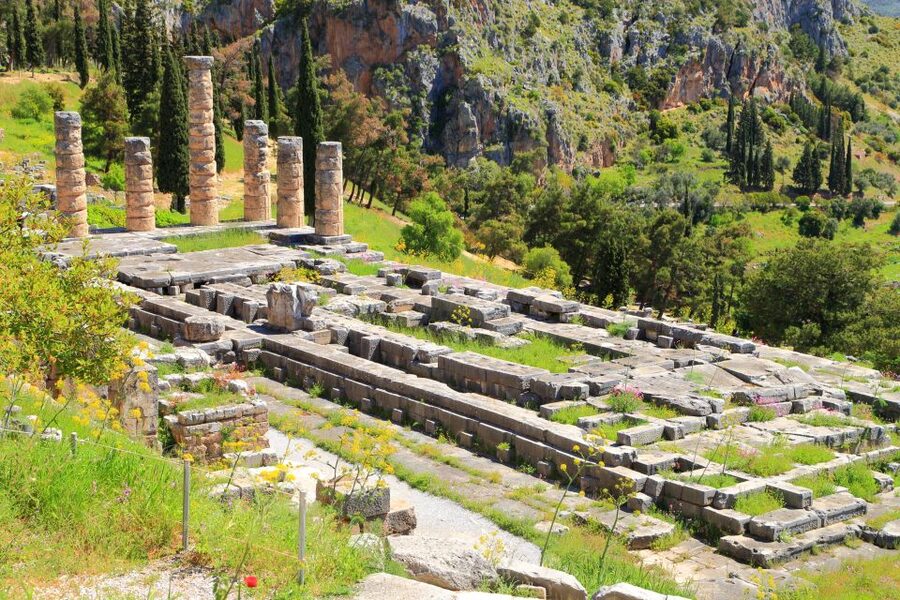
I recommend the tour for its ambitious route, strong guiding, and practical coverage. In three days, you see the Corinth Canal, Epidaurus, Nafplia, Mycenae, Olympia, Nafpaktos, Arachova, and Delphi, with transport, admissions, hotels, breakfast, and dinner arranged.
The cost is reasonable when you add those inclusions and consider the distances involved. The price buys convenience and interpretation, not free time. You will spend many hours on the road, and hotel quality can vary.
Book it if your goal is to understand the main archaeological sites of classical Greece without renting a car. Skip it if you want a slow, highly independent trip. For most first visits, this is an efficient and rewarding introduction, provided you accept the pace and arrive ready for sun, stairs, and plenty of old stones.
FAQ
How long is the Ancient Greek Archaeological Sites Tour from Athens?
The tour lasts three days and includes two overnight stays, one in Olympia and one in Delphi.
What archaeological sites are included?
The itinerary includes Epidaurus, Mycenae, Olympia, and Delphi. It also includes the Tomb of Agamemnon, the ancient theater at Epidaurus, the Temple of Apollo at Delphi, and the altar of the Olympic flame at Olympia.
Is the Corinth Canal included?
Yes. The first day includes a stop at the Corinth Canal, a 19th-century engineering project.
Does the tour visit Nafplia?
Yes. The route continues to Nafplia, the former capital of the First Hellenic Republic, and passes through the plain of Argos.
Is transportation included?
Yes. Transfers are provided by luxury air-conditioned bus. The vehicle may be a coach or minibus, depending on the departure.
Are hotels included?
Yes. Accommodation in a three-star or four-star hotel is included, depending on the option selected. The exact hotel may be confirmed close to departure.
Are meals included?
Breakfast and dinner are included. Lunches, drinks, and personal expenses are not included.
Is the tour conducted in English?
Yes. The tour has a live English-speaking guide.
Does hotel pickup come with the tour?
Free pickup is available from most centrally located Athens hotels on request. Pickup usually takes place about one hour before departure, and you should contact Key Tours for the exact location and time.
Is the tour suitable for wheelchair users?
No. The tour is not suitable for wheelchair users.
What additional hotel charge should I expect?
The hotel tax is paid directly to the hotel. It is €5 per room per night at a three-star hotel and €10 per room per night at a four-star hotel.
Can I book now and pay later?
Yes. The tour offers a reserve-now, pay-later option, subject to the booking terms.
Can I cancel for a full refund?
Yes. You can cancel up to 24 hours in advance for a full refund.
Just added around Athens
- Delphi One Day Trip from Athens★ 4.0 · 98 reviews
- Mercedes Private Tour to Delphi and Arachova★ 5.0 · 30 reviews
- Private Delphi and Hosios Loukas Monastery – Great Lunch and Drinks Included★ 5.0 · 36 reviews
- Day tour to Ancient Olympia,Ancient Sparta Mycenae Including Meal★ 5.0 · 54 reviews
- Athens: Half Day Trip To Cape Sounio/Poseidon Temple Semi Private★ 5.0 · 131 reviews
- Culinary Secrets of Downtown Athens★ 5.0 · 103 reviews
- Athens Half-Day Private Tour Acropolis, Parthenon City Highlights★ 5.0 · 35 reviews
- From Athens: Day Tour to Mykonos★ 5.0 · 64 reviews
3-Day Experiences, compared.
3-Day Classical Greece Tour: Epidaurus, Mycenae, Nafplion, Olympia, Delphi
Read our review →

Browse the lists this tour appears in