Reviewed · ATHENS TOURS
Athens Highlights: Urban Run experience with a Local
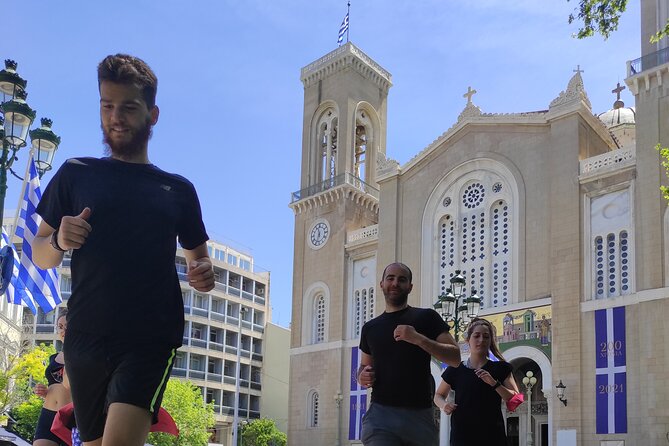
Start Athens on foot. This 90-minute morning run pairs major sights with quieter streets, giving you a useful first look at central Athens without sitting in traffic. I especially like the small group limit of 10 and the flexible pace, which makes the outing friendlier to mixed running abilities. You also get bottled water and a CPR-certified local runner leading the way.
The early start is both a strength and a consideration. You can enjoy cooler streets and a calmer city before a busy sightseeing day, but 7:00 am is too early for some holiday schedules. The route also passes working streets, hills, and historic sites, so this is an outdoor sport experience, not a gentle sightseeing walk.
In This Review
- Key Points About the Athens Run
- Why a Morning Run Works So Well in Athens
- Meeting George Near the Monument to the Unknown Soldier
- Acropolis, Pnyx, and Philopappos Hill
- Temple of Olympian Zeus and the Panathenaic Stadium
- Parliament, the National Garden, and Central Athens
- Roman Agora, Ancient Agora, and Tzisdarakis Mosque
- The Pace, Fitness Level, and Safety Questions
- What $33.79 Buys You
- Who Will Enjoy This Athens Experience Most?
- Booking, Weather, and Cancellation Details
- Should You Book the Athens Urban Run?
- FAQ
- Where does the Athens urban run start?
- What time does the run begin?
- How long does the experience last?
- Where does the run finish?
- How many people can join the run?
- Is the experience offered in English?
- Is bottled water provided?
- Who leads the experience?
- Is the route suitable for all running speeds?
- Can I cancel for a full refund?
- What happens if the weather is poor?
- Are service animals allowed?
Key Points About the Athens Run
- A 7:00 am start helps you see central Athens before the day becomes crowded and hot.
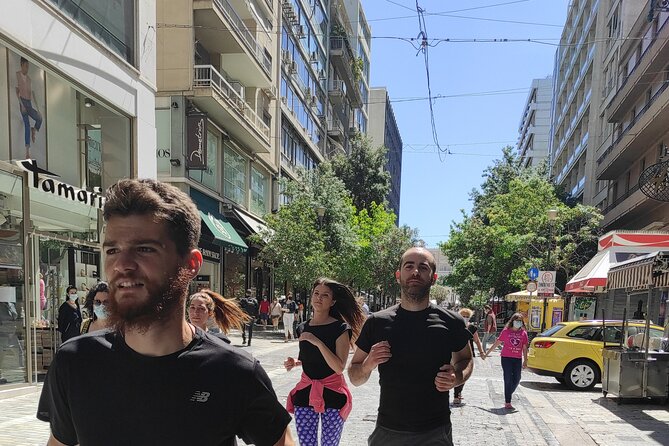
- George, a local long-distance runner, leads the route and adjusts the pace to suit the group.
- Ten major stops include the Acropolis, Pnyx, Philopappos Hill, the Panathenaic Stadium, and the Ancient Agora.
- The Panathenaic Stadium is a highlight, with the route allowing a memorable run around the Olympic venue.
- A small group of up to 10 people makes it easier to ask questions and keep the pace manageable.
- Bottled water is provided, but you still need suitable running shoes and enough fitness for outdoor exercise.
Why a Morning Run Works So Well in Athens
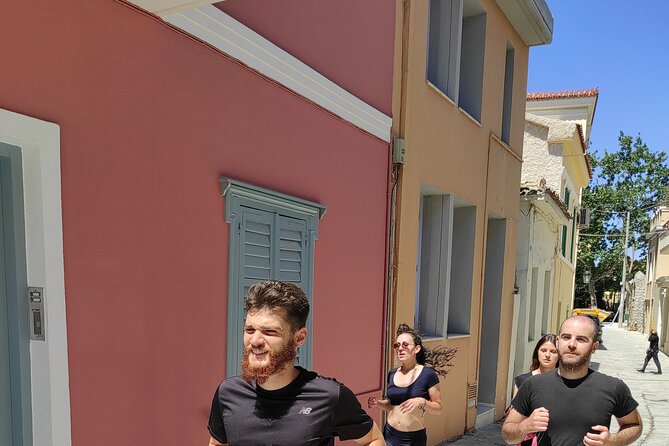
Athens is a city best understood through its streets. The famous monuments matter, but the links between them matter too: the lanes around Plaka, the open slopes near the Acropolis, the city gardens, and the broad ceremonial spaces around Parliament.
This experience uses running to connect those places. You are not simply stopping at one monument for a photo. You are moving through the historic center and seeing how the main sights fit together.
I like the 7:00 am start for practical reasons. Athens can become hot, crowded, and noisy later in the day. A morning run gives you cooler conditions and a cleaner view of the streets. It also leaves most of your day free for museums, the Acropolis interior, or a slower lunch.
The tradeoff is simple: you need to get up early and arrive ready to exercise. The tour lasts about an hour and a half, and the safety information makes clear that runners accept the normal risks of outdoor sport, including injury and extreme fatigue.
A few more Athens half-days to weigh up
- Athens: Acropolis & up to 5 Archaeological Sites Combo Pass
★ 4.4 · 12,619 reviews - Athens: Acropolis Ticket with Optional Audio or Live Guide
★ 4.2 · 11,055 reviews - Athens: Acropolis, Parthenon & Acropolis Museum Guided Tour
★ 4.8 · 9,316 reviews
Meeting George Near the Monument to the Unknown Soldier
The meeting point is the Monument to the Unknown Soldier on Leoforos Vasilisis Amalias 133. The location is central and near public transportation, which helps if you are staying elsewhere in Athens.
George is described as a long-distance runner inspired by the historic center. His role is more than keeping the route moving. He provides local context, answers questions along the way, and adjusts the pace to match the people in the group.
That flexibility comes through clearly in the experience. The run is not presented as a race, and you should not expect a fixed athletic training session. George has adjusted routes and pacing for different abilities and interests, including runners who wanted extra time around the Olympic Stadium.
The group limit of 10 is important here. A large running group can split quickly at corners or force slower people to struggle. With up to 10 participants, George has a better chance of keeping everyone together and changing the pace when needed.
Acropolis, Pnyx, and Philopappos Hill
The Acropolis is the obvious anchor for the morning. You may not enter the archaeological site during this experience, but running near it gives you an early orientation to Athens and its most famous landmark.
The useful part is the setting. You can see how the Acropolis rises above the older neighborhoods rather than meeting it only from a ticket line. If this is your first morning in Athens, the route helps you understand where Plaka, the ancient center, and the surrounding hills sit in relation to one another.
Next comes Pnyx, a historic meeting place associated with ancient Athenian public life. The location adds a different angle to the city because it is tied to civic gathering rather than temples alone.
Philopappos Hill brings more change in pace and surface. The route through this area helps you get away from the tight streets and see Athens from a more open setting. It also means the outing is not flat city jogging from start to finish.
You should take the hills seriously. The exact effort will depend on the route and group pace, but the inclusion of Pnyx and Philopappos Hill means you should be comfortable with an urban run that includes rises and uneven outdoor sections.
Temple of Olympian Zeus and the Panathenaic Stadium

The Temple of Olympian Zeus gives the route another major ancient landmark. Its scale makes sense as part of a run because you experience it as part of the city rather than as an isolated stop.
The Panathenaic Stadium is the emotional high point for many people on this outing. Built in white marble and linked with the modern Olympic Games, it is one of Athens’s most memorable places to approach on foot.
Several runners particularly enjoyed running around the stadium. One person described it as a birthday treat, while another singled out the chance to run around the top of the Olympic Stadium. That detail tells you what makes this experience different from a standard walking tour: you do not only look at the venue, you experience it through movement.
The stadium stop also shows why an early run can fit a tight schedule. You get a strong sense of place before the main sightseeing day begins. Still, do not confuse this with a stadium tour or an entry ticket. The supplied details promise a run around the area, not admission inside every site.
Same stretch of coastline, a completely different day out:
- Athens: Cape Sounion & Poseidon Temple Sunset Half-Day Trip
★ 4.8 · 8,241 reviews - Athens: Acropolis and Parthenon Guided Walking Tour
★ 4.6 · 5,882 reviews - All Day Cruise -3 Islands to Agistri,Moni, Aegina with lunch and drinks included
★ 5.0 · 4,958 reviews - Athens, Piraeus, and Coastline: Blue Hop-On Hop-Off Bus
★ 3.9 · 4,849 reviews
Parliament, the National Garden, and Central Athens
The route continues to the Hellenic Parliament, another useful stop for understanding modern Athens. The building and surrounding area provide a contrast with the ancient monuments earlier in the run.
The National Garden offers a change from formal avenues and archaeological sites. It gives the outing some greenery and a quieter setting within the center. You may find this part especially welcome after the hills and harder urban stretches.
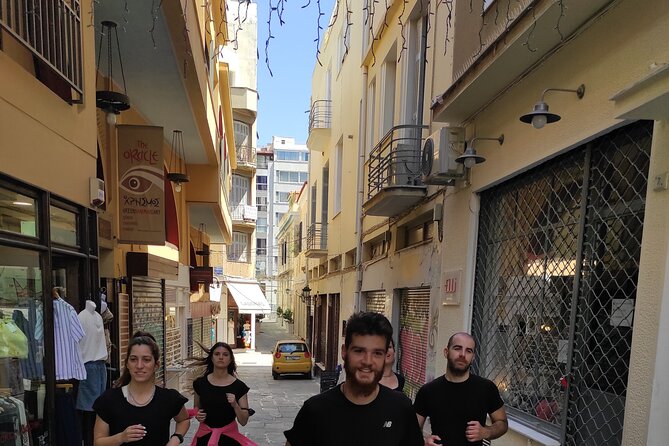
This combination is one of the tour’s best features. You move from ancient religious sites to civic buildings, public gardens, and neighborhood streets. The route feels varied rather than repetitive.
George also gives practical advice about running in Athens. If you plan to continue running during your stay, his suggestions can help you choose places to go later without getting lost. That local guidance may be worth as much as the sightseeing itself for runners staying several days.
Roman Agora, Ancient Agora, and Tzisdarakis Mosque
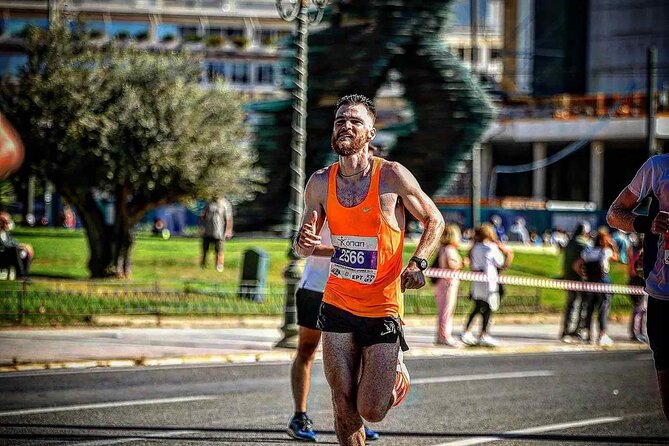
The Roman Agora and Ancient Agora bring the run back into the oldest parts of the city. These sites help show that Athens is not a collection of separate monuments. Its ancient, Roman, Ottoman, and modern layers sit close together.
The Ancient Agora is especially useful as a final historical stop because it was once a major center of public and commercial life. You may not have time for a full archaeological visit during the run, but seeing its setting gives you a better sense of the old city before you return later at walking speed.
Tzisdarakis Mosque adds another layer to the route. Its presence in central Athens points to the city’s Ottoman period and reminds you that the historic center changed hands and cultures over time.
The route ends back at the starting point. That is practical if you need to collect a bag, catch public transportation, or continue sightseeing from the center. It also means you do not need to arrange a second transfer after exercising.
The Pace, Fitness Level, and Safety Questions
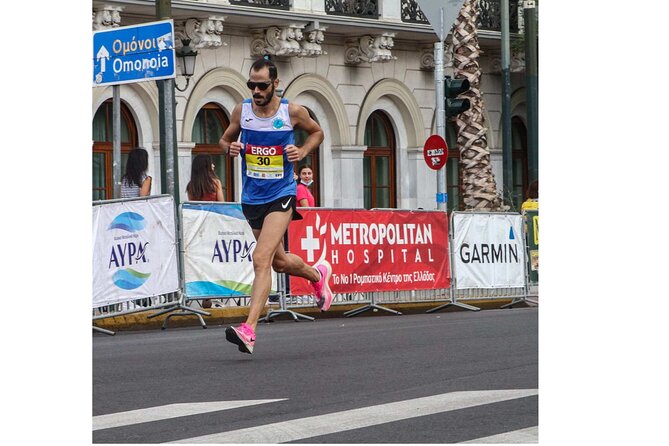
The strongest practical feature is the adjustable pace. George has been praised for looking after runners with different abilities and for tailoring the outing to the group’s requests.
That does not mean you can treat this as a stroll. The experience is described as outdoor sport, and participants are asked to have no health problems involving the body, breathing, or heart that could create danger during the run. You should be honest about your fitness before booking.
A good approach is to think of this as a guided urban jog rather than a timed workout. You can expect to move through the city, pause around points of interest, and receive some explanation along the way. The guide has also allowed quiet stretches for people who prefer to enjoy the run without constant conversation.
Wear proper running shoes and arrive ready to begin. Bottled water is supplied, but the information does not promise food, lockers, changing facilities, or equipment. Those details are worth planning around before you leave your accommodation.
The tour is offered in English. Service animals are allowed, and the meeting point is near public transportation. Most people can participate, but the health requirements and outdoor conditions still matter more than the broad participation statement.
What $33.79 Buys You
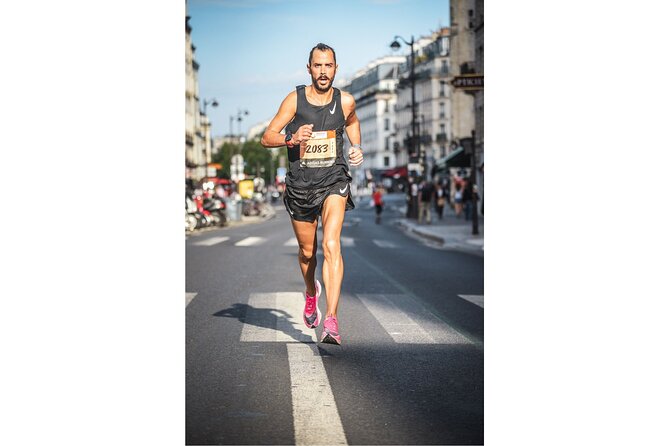
At $33.79 per person, the cost is reasonable if you value both exercise and orientation. A standard sightseeing tour may give you more formal historical explanation, while this run gives you a route through much of central Athens, a local running partner, and advice for future runs.
The value is strongest for someone who would otherwise spend the morning exercising alone. You avoid planning a safe route, checking distances, and finding your way through unfamiliar streets. You also gain a companion who can adjust the pace and point out places you might miss from a vehicle.
The price is less attractive if you do not enjoy running or if your main goal is detailed archaeological interpretation. This is not a replacement for visiting the Acropolis, Ancient Agora, or Roman Agora at leisure. Think of it as a lively first survey of the center, with sightseeing woven into a real run.
Group discounts are available, which may help if you are booking with friends or family members who all want to participate. The maximum group size remains 10, keeping the activity more personal than a large city tour.
Who Will Enjoy This Athens Experience Most?
I would recommend this outing to runners who want to keep active while seeing the city. It suits people who dislike losing a vacation morning to a hotel treadmill and want local guidance instead.
It is also useful for first-time visitors with limited time. The route touches many of the city’s major sights in 90 minutes, and you can return to those places later with a better sense of direction.
The experience can work for different running levels because the pace is adjusted. Still, you should be able to take part in outdoor exercise and manage the physical demands of an urban route with hills.
I would hesitate to suggest it to anyone wanting a slow, fully narrated history tour. I would also think twice if a 7:00 am start feels unrealistic or if you have a medical issue that could make outdoor running unsafe.
Booking, Weather, and Cancellation Details
You receive confirmation at booking, and the activity is generally booked about 37 days ahead. That advance demand suggests you should reserve early if your Athens dates are fixed, especially if you want a particular morning.
Free cancellation is available up to 24 hours before the start time for a full refund. Changes or cancellations inside that window are not accepted for a refund.
The experience depends on good weather. If poor conditions force a cancellation, you can choose a different date or receive a full refund. A minimum number of participants is also required, and if that number is not reached, you will be offered another option or a refund.
Should You Book the Athens Urban Run?
Book it if you want to see central Athens actively, prefer a small group, and like the idea of a local runner setting the pace. The Panathenaic Stadium, the hill sections, and the links between ancient and modern Athens give the route real character.
Skip it if you want indoor comfort, a slow walking pace, or a full archaeological lecture at every stop. For the right person, $33.79 buys more than a jog. It gives you a practical city orientation, a safe route through places that can be confusing on your own, and a strong start to an Athens day.
FAQ
Where does the Athens urban run start?
It starts at the Monument to the Unknown Soldier, at Leoforos Vasilisis Amalias 133 in Athens.
What time does the run begin?
The start time is 7:00 am.
How long does the experience last?
The run lasts approximately 1 hour and 30 minutes.
Where does the run finish?
The experience ends back at the meeting point.
How many people can join the run?
The group has a maximum of 10 participants.
Is the experience offered in English?
Yes, the experience is offered in English.
Is bottled water provided?
Yes, bottled water is provided during the run.
Who leads the experience?
George, a local long-distance runner, leads the route. The experience is provided by Drastirioi.
Is the route suitable for all running speeds?
The pace can be adjusted for different abilities, and the route can be tailored to requests and capabilities. You still need to be able to take part in outdoor exercise.
Can I cancel for a full refund?
Yes, you can cancel at least 24 hours before the start time for a full refund. Cancellations made less than 24 hours before the experience are not refunded.
What happens if the weather is poor?
If poor weather causes a cancellation, you will be offered another date or a full refund.
Are service animals allowed?
Yes, service animals are allowed.
Just added around Athens
- Traditional Greek Show in Plaka with Dinner★ 3.6 · 178 reviews
- Santorini Wine Roads Tour with Wine Tastings Morning & Sunset★ 5.0 · 106 reviews
- Insightful Pistachio Orchard and Factory Tour★ 4.5 · 27 reviews
- Private Sunset Wine Tour with 3 Wineries and Tapas★ 5.0 · 34 reviews
- Traditional Villages Full day Tour in Santorini★ 4.0 · 84 reviews
- Half Day Tour★ 5.0 · 63 reviews
- Half-Day Shared Fishing Experience in Hydra★ 5.0 · 35 reviews
- Athens Old City Private Photoshoot Tour / 2 hrs★ 5.0 · 109 reviews
Athens Tours, compared.
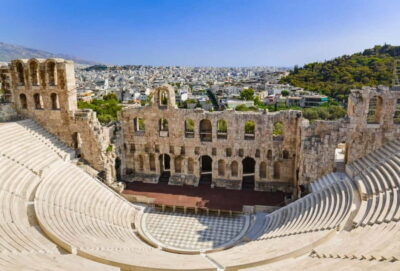
Acropolis & up to 5 Archaeological Sites Combo Pass
Read our review →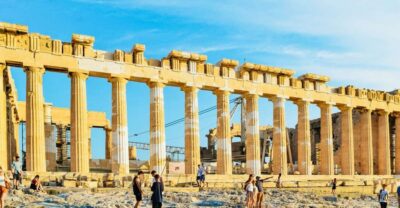
Acropolis, Parthenon & Acropolis Museum Guided Tour
Read our review →
Cape Sounion & Poseidon Temple Sunset Half-Day Trip
Read our review →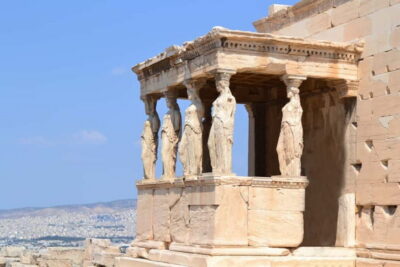
All Day Cruise -3 Islands to Agistri,Moni, Aegina with lunch and drinks included
Read our review →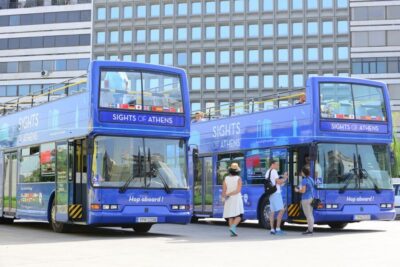
Athens, Piraeus, and Coastline: Blue Hop-On Hop-Off Bus
Read our review →