
Reviewed · LUNCH EXPERIENCES
Chania: 7 Villages of Apokoronas Tour with Lunch
Crete tastes best away from the coast. This 8-hour Apokoronas tour leaves Chania for quiet village roads, local food stops, and views of the White Mountains. I like the small family businesses and the chance to learn about Cretan food from the people who make it. I also like the guides, especially Yiannis, Nikos, Alex, and Nikkos, who are often praised for their humor, local knowledge, and careful driving.
The main thing to consider is the title. You may not make seven full village visits. In practice, the day includes several village stops, scenic countryside, food producers, a bakery, a coffee stop, and lunch. If you want a serious village walking tour, this may feel food-focused. If you want a broad, tasty introduction to rural Crete, it works very well.
In This Review
- Key points to know before booking
- Why Apokoronas makes a good day trip from Chania
- The first miles: orchards, springs, and Cretan countryside
- Coffee at the village kafeneio
- Vrises, the Mikis Theodorakis Theatre, and St. Antony’s Church
- Bread, biscuits, olive oil, and the bakery stop
- Cheese, honey, and the value of small producers
- The final village lunch
- Guides and the quality of the ride
- Who will enjoy this tour most?
- Practical details that improve the day
- Should you book the Apokoronas village tour?
- FAQ
- How long is the Apokoronas villages tour?
- What is included in the $135 price?
- Does the tour visit seven complete villages?
- Is lunch included?
- What food and drinks might I taste?
- What should I bring?
- Can I cancel or pay later?
Key points to know before booking
- Greek coffee in a village kafeneio: Learn how it is prepared, then drink it where local village life still centers on the traditional coffeehouse.
- Food is part of the sightseeing: Expect tastings of bread, cheese, honey, olive oil treats, Cretan biscuits, cheese pies, yogurt, and other local products.
- Vrises adds history and character: Visit the Mikis Theodorakis Theatre and the Church of St. Antony, built into the rock.
- Scenic roads replace the usual tourist route: The van travels through rural areas, orchards, springs, and mountain scenery rather than sticking mainly to major roads.
- Lunch is a real part of the experience: The final meal takes place at a village kafeneio and is included with the tastings.
- Comfort matters: Air-conditioned transfers, water, and a personal driver-guide make the long day easier, especially in summer.
Why Apokoronas makes a good day trip from Chania
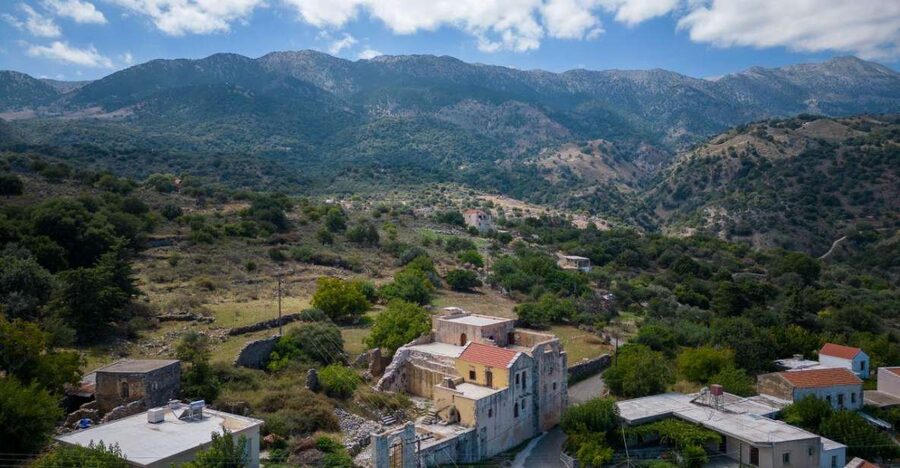
Apokoronas is the eastern part of the Chania region, a broad area of villages, farmland, springs, and mountain views. It gives you a look at Crete beyond the beaches and the old harbor. The pace here is slower, and the sights are less about one famous monument than about how food, farming, religion, and social life fit together.
You spend much of the day in an air-conditioned vehicle, but the tour is not just a drive-by sightseeing loop. You get out for short walks, village visits, tastings, and conversations. That mix matters. A full day inside a van would feel tiring, while a full day of walking would be hot and demanding in summer.
The route also keeps you away from many of the standard tourist stops. Several people particularly enjoyed the family-run cheese business, the village bakery, and the local coffeehouse. These stops give you something concrete to remember: the taste of a cheese, the smell of bread, or the sight of coffee being made in a traditional way.
A few more Crete half-days to weigh up
- Full-Day Land Rover Safari from Heraklion with Lunch
★ 5.0 · 1,351 reviews - Heraklion: Sailboat Cruise to Dia Island with Drinks & Lunch
★ 4.9 · 1,287 reviews - Heraklion: Finikia Horse Riding Tour with Lunch or Dinner
★ 4.9 · 1,231 reviews
The first miles: orchards, springs, and Cretan countryside
After pickup from a listed location in the Chania region, you travel in an air-conditioned luxury vehicle with an English-speaking driver-guide. You need to provide the precise location of your hotel, since pickup is available only from specific spots.
The early drive introduces the countryside around Apokoronas. Depending on the route and conditions, you may pass orange and lemon trees, avocado groves, olive trees, herbs, and small farming areas. One guide pointed out the uses of local plants, while another explained olive growing and the making of olive oil. These details help turn an ordinary roadside view into part of the story.
You also stop near springs and running water. One account described a gentle walk beside a rushing river, with snow-capped mountains visible in the distance during a winter visit. In hot weather, the water and shade can be welcome, though do not expect a swimming stop. The springs supply water onward, so this is more a nature stop than a place to soak your feet.
Bring comfortable shoes. The walk is described as gentle, but village paths and countryside ground are not the place for thin sandals. A sun hat is also useful, as shade is not guaranteed at every stop.
Coffee at the village kafeneio
A traditional kafeneio, also spelled cafeneio or kafeneion, is more than a place to grab caffeine. In a Cretan village, it can serve as a meeting place where people sit, talk, and watch the day unfold. This stop gives you a small but meaningful look at local social life.
You learn how Greek coffee is prepared, including the traditional method of heating finely ground coffee in a small pot. The coffee is strong and unfiltered, so let it settle before taking the last sip. Depending on the day, it may come with a cheese pie or another local snack.
This is one of the tour’s best cultural moments because it is simple. You are not looking at village life from behind a museum display. You are sitting in a working local café, drinking the same kind of coffee that has long been part of daily conversation.
The pace is another advantage. The tour is not designed to rush you from one photo stop to the next. Several guide names appear in the feedback, including Yiannis, Giannis, Yannis, Nikos, Alex, Andreas, and Nikkos. Names vary by departure, but the strongest pattern is clear: the driver-guide is central to the experience. Good guides explain what you are seeing, answer questions, help with photos, and keep the group comfortable.
Vrises, the Mikis Theodorakis Theatre, and St. Antony’s Church
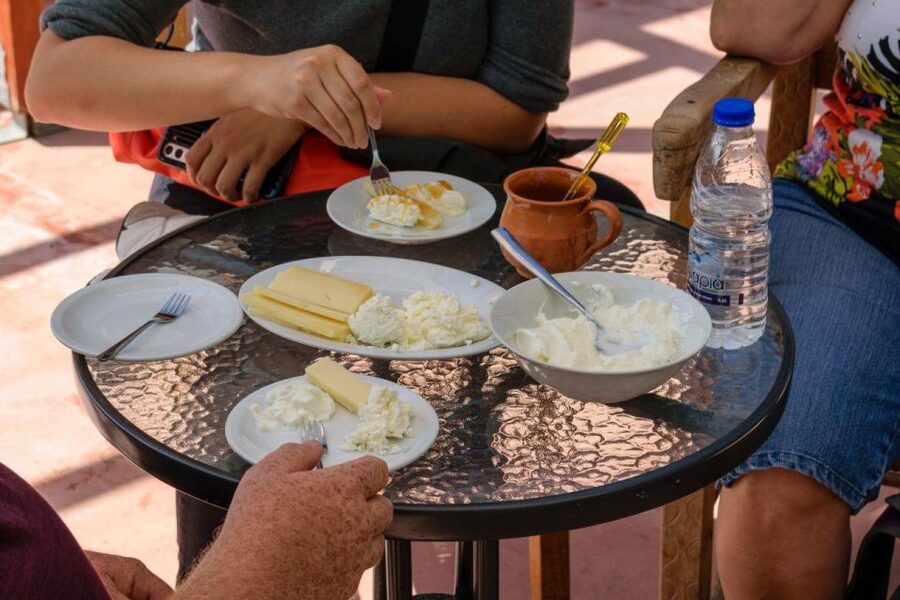
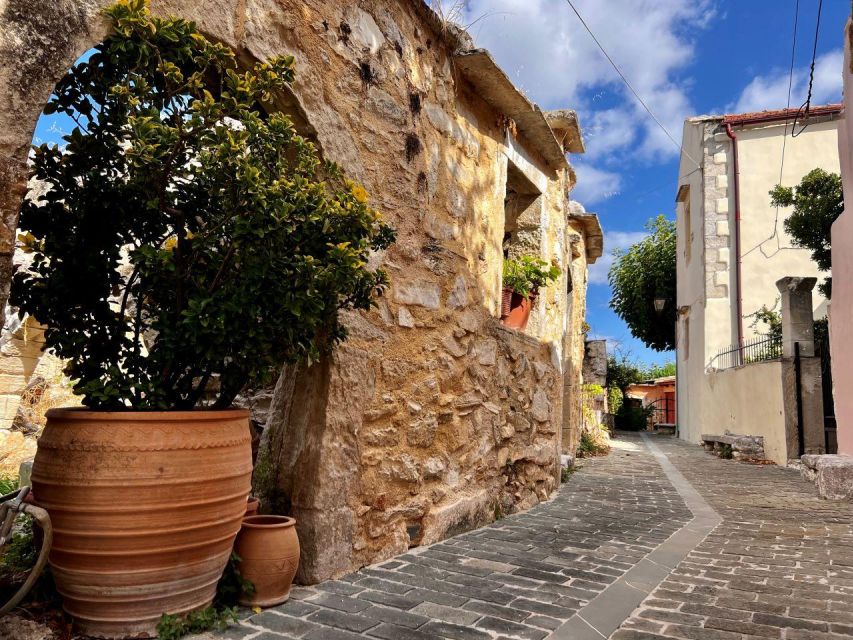
Vrises is one of the most clearly identified village stops. It is known for greenery, flowing water, and a calm village setting. The stop is less about checking off a major attraction and more about seeing a place with a distinct local character.
The Mikis Theodorakis Theatre adds a cultural note. Theodorakis was one of Greece’s best-known composers, and a theatre connected with his name gives the village stop more weight than a quick walk through a pretty street. Your guide can provide the surrounding context, though the exact amount of time at the theatre may vary.
The Church of St. Antony is another unusual stop. It is located within the rock, combining a small religious site with a natural setting. This is the sort of place that can be difficult to find without local direction. It also shows how Cretan religious life is often tied to caves, rocks, springs, and remote corners of the countryside.
Do not expect a large church complex or a long formal visit. The appeal is the setting and the story. If you enjoy small historical and religious sites, this stop will likely stay with you. If your priority is grand architecture, it may feel modest.
Same stretch of coastline, a completely different day out:
- From Kissamos Port: Boat Cruise to Balos Lagoon & Gramvousa
★ 4.2 · 6,755 reviews - Crete: Day Trip to Agios Nikolaos and Spinalonga Island
★ 4.6 · 4,416 reviews - From Chania: Full-Day Samaria Gorge Trek Excursion & Guide
★ 4.6 · 3,191 reviews - Agios Nikolaos: Boat Trip to Spinalonga with Swim Stop
★ 4.4 · 3,031 reviews
Bread, biscuits, olive oil, and the bakery stop
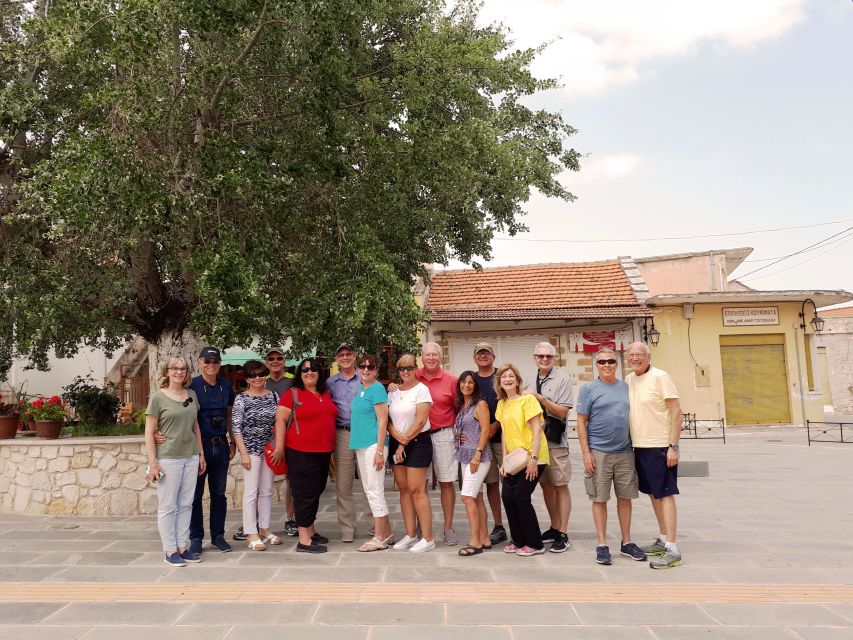
The bakery visit is one of the tour’s strongest food stops. You can expect freshly baked bread, olive oil-based treats, Cretan biscuits, and other products made for local tables rather than mass tourism. The smell alone may change your plans for dinner.
Several food items receive repeated praise, including cheese pies, bread, yogurt, cheese, and honey. One particularly generous day included bread, snacks, olive oil, and raki. The exact selection is likely to change with the business and season, but the pattern is consistent: you are offered plenty to taste.
The bakery is also a useful place to understand Cretan cooking. Olive oil is not a decorative finishing ingredient here. It is part of everyday baking and cooking, just as cheese, herbs, honey, and bread are central to the island’s food culture.
Raki may be offered at food stops. It is a strong local spirit, often served in a small glass as a gesture of hospitality. You can politely decline if you do not drink alcohol. If you accept every pour, pace yourself because lunch is still ahead.
Cheese, honey, and the value of small producers
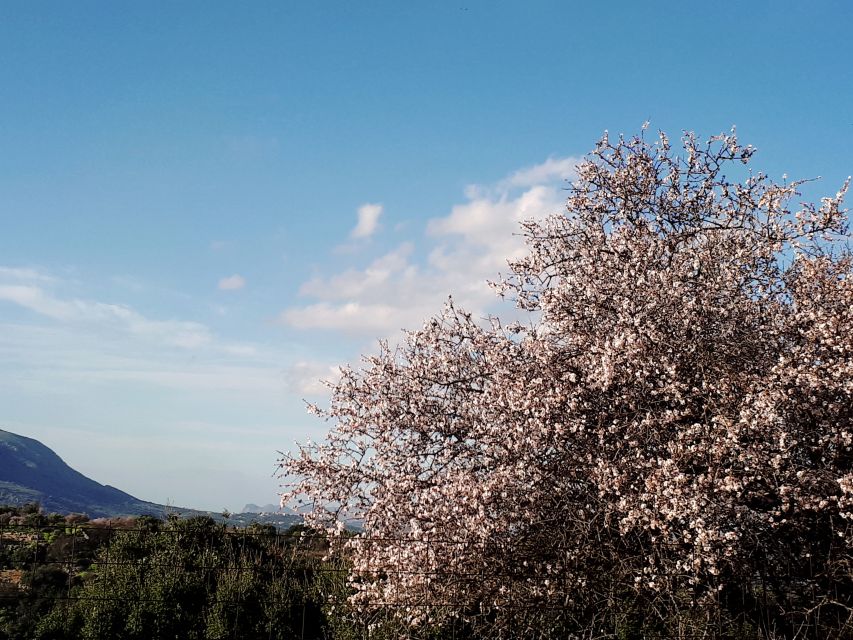
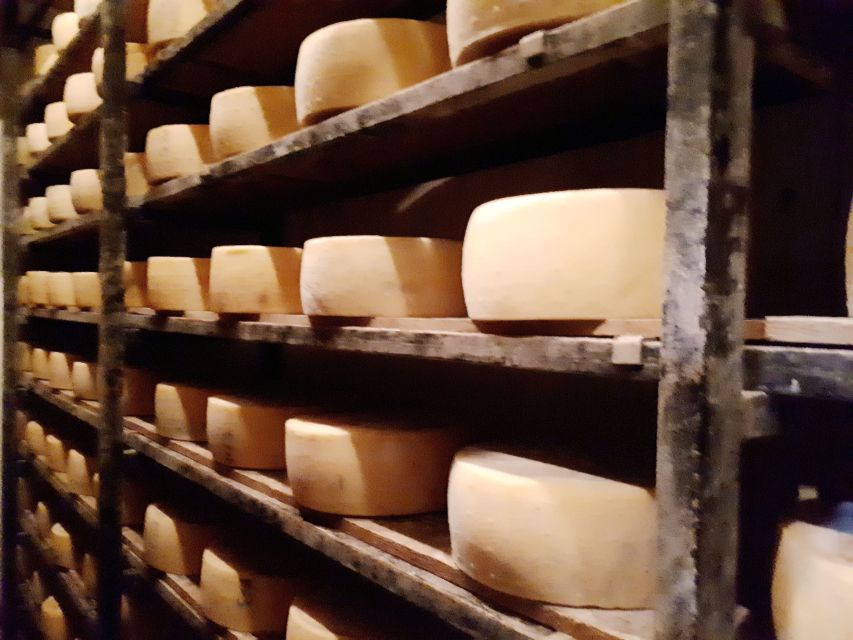
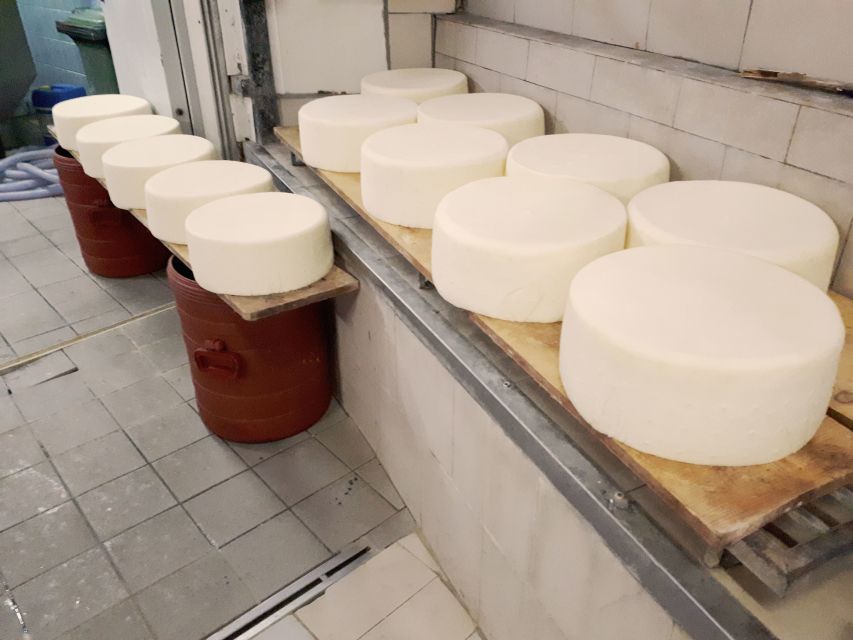
Another stop may be at a local cheese producer or shop. You can sample several cheeses and, depending on the day, yogurt and honey. This is where the tour becomes especially useful for anyone interested in Greek food beyond the familiar supermarket feta.
The value is not only in eating the samples. Your guide can explain how local products connect with farming, family businesses, and the village economy. You also get a chance to ask what you are tasting rather than trying to identify an unlabeled cheese at a busy market.
The tastings are included, so you do not need to budget extra for each stop. You may still want to buy something to take home, but purchases are optional. Check airline and customs rules before buying dairy, honey, or other food products for the journey home.
Some people may find the food stops more rewarding than the village sightseeing. That is not a flaw if you want a culinary day. It is worth knowing in advance because the seven-village name can create an expectation of seven separate walking visits. The actual experience is better understood as a countryside, culture, and food tour that passes through the villages of Apokoronas.
The final village lunch
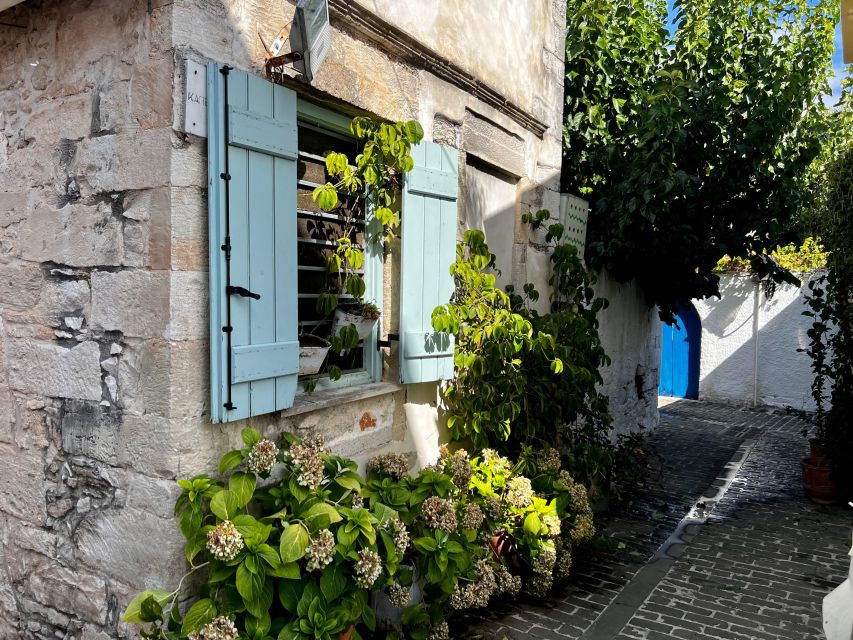
The tour ends with a traditional lunch at a cozy village kafeneio or small local restaurant. This is not a quick sandwich stop. Dishes described during the day include stuffed eggplant, tzatziki, Greek salad, baked chicken, bread, and other typical Cretan food.
The meal is included, along with all tastings. That makes the $135 price easier to judge. You are paying for eight hours of transport, a driver-guide, entrance fees, several food experiences, and a full meal. A self-drive day could cost less in direct expenses, but it would not easily reproduce the local introductions, tastings, or route planning.
The lunch also gives the day a social finish. You have already sampled products at several stops, and now you can sit down for a proper meal while sharing the day with the group. One guide even helped solo visitors feel part of the group, which is useful if you are traveling alone.
Food preferences and dietary restrictions are not detailed in the available information, so mention them when booking rather than waiting until lunch. The meal is traditional and generous, but you should not assume that every dish can be changed.
Guides and the quality of the ride
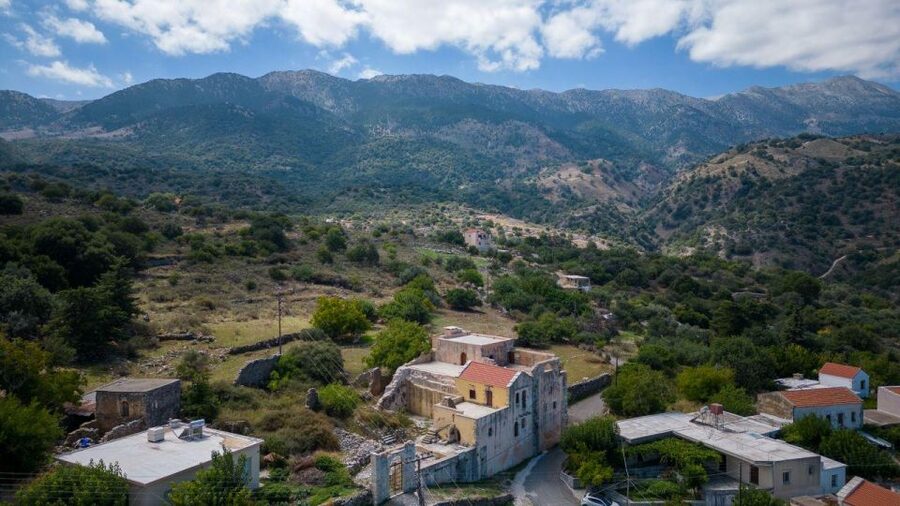
The driver-guide can make or break a road tour, and this experience receives especially strong praise in that area. Names vary, but guides such as Alex, Yiannis, Nikos, Nikkos, Andreas, and Giannis are repeatedly described as friendly, funny, well informed, and careful behind the wheel.
That last point matters. Apokoronas includes narrow and twisting roads. A careful local driver lets you look out at the scenery instead of worrying about every bend. You can also ask about plants, village life, Cretan history, the Battle of Crete, ancient cultures, and present-day rural challenges.
The transport rating is also high, with 88 percent of ratings giving it a perfect transport score. Air conditioning is important in June, July, and August. One guide was praised for having cold water ready and cooling the vehicle before each drive. Those small comforts matter during an eight-hour day.
Group size is not stated as a fixed number. Some departures may be small enough to feel personal, and one pair happened to have the tour almost to themselves. Do not book on the assumption that every departure will be private.
Who will enjoy this tour most?
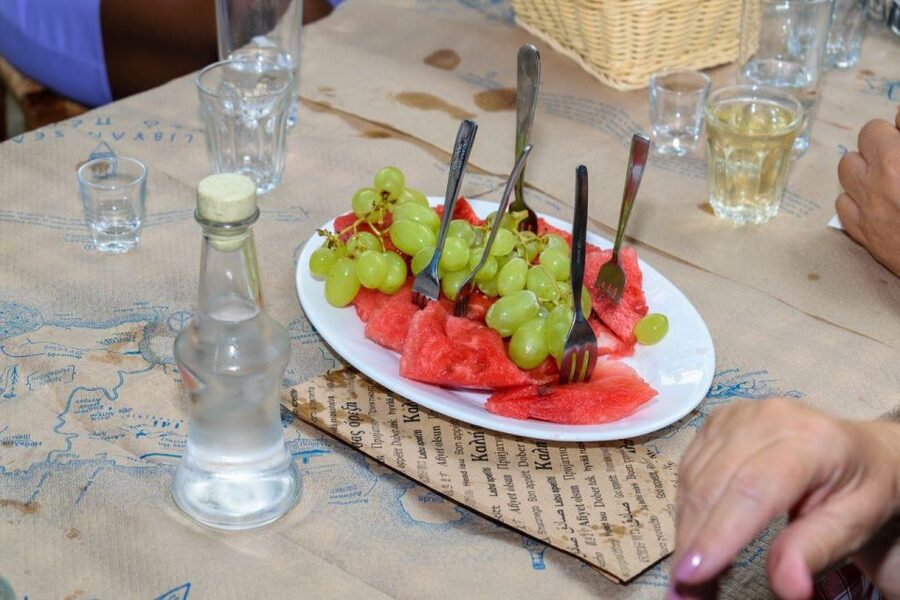
I would choose this tour if you want to see rural Crete without renting a car. You get countryside, village roads, local food, and an English-speaking guide in one organized day. It also suits first-time visitors who want context for Cretan ingredients and customs before exploring on their own.
It is a good fit for solo visitors, couples, and families with older children. A family with children found the day enjoyable, though the long duration and repeated food stops may test very young children. The gentle nature walk is more relaxed than a strenuous hike.
Food lovers should give this tour serious thought. You get multiple tastings rather than one restaurant meal, and the products come through small local businesses. You should also book it if you enjoy hearing stories about plants, farming, local customs, and the island’s past.
I would choose something else if your main goal is a precise seven-village checklist, long independent walks, archaeological sites, or dramatic beach scenery. This is a guided rural day with food at its center, not a rigorous village-by-village architectural tour.
Practical details that improve the day
The tour lasts eight hours, so avoid scheduling a major evening activity immediately afterward. The day includes food and driving, and a little flexibility is useful if a village stop takes longer than expected.
Wear shoes you can walk in and bring a hat. Summer sun can be strong, while spring and winter departures may bring cooler or wetter weather. One departure continued in rain and was still considered enjoyable, but a light waterproof layer would be sensible outside the hottest months.
Pickup is included only from specific locations in the Chania region. Give exact hotel information when booking. The final voucher arrives by email one day before the tour, so check your inbox and confirm the meeting details.
You can cancel up to 24 hours before departure for a full refund, and the reserve-now, pay-later option keeps your plans flexible. Availability and starting times vary, so check the date you want rather than relying on a standard departure time.
Should you book the Apokoronas village tour?
I would book it for an authentic-feeling day outside Chania, especially if you value local food and good guiding more than famous monuments. The combination of Greek coffee, a bakery, cheese and honey tastings, rural scenery, Vrises, St. Antony’s Church, and a full village lunch gives you a generous introduction to everyday Cretan culture.
Just adjust your expectations. The seven villages are not necessarily seven lengthy village explorations. Think of the title as a route through the Apokoronas villages, with food producers and cultural stops woven into the day. At $135 per person, the price is fair when you count the transport, guide, tastings, lunch, and entrance fees. For a self-drive alternative, you may spend less, but you will need to find the roads, producers, coffeehouse, and lunch yourself.
The tour has a 4.7 out of 5 rating from 289 ratings, and the strongest praise centers on the guides, food, scenery, and relaxed organization. If those are your priorities, this is one of the more useful day trips from Chania.
FAQ
How long is the Apokoronas villages tour?
The tour lasts 8 hours.
What is included in the $135 price?
The price includes pickup and drop-off from specific locations in the Chania region, an English-speaking personal driver-guide, air-conditioned luxury transfers, entrance fees, lunch, and all tastings.
Does the tour visit seven complete villages?
The route travels through the villages of Apokoronas, but the day also includes food tastings, a bakery, a coffeehouse, countryside stops, and lunch. It may not involve a full walking visit to seven separate villages.
Is lunch included?
Yes. A traditional lunch at a village kafeneio or local restaurant is included.
What food and drinks might I taste?
The tour includes Greek coffee and local food tastings. Depending on the day, you might try bread, Cretan biscuits, olive oil treats, cheese pies, cheese, yogurt, honey, and raki.
What should I bring?
Bring comfortable shoes and a sun hat. You should also provide precise hotel location details for pickup.
Can I cancel or pay later?
You can cancel up to 24 hours in advance for a full refund. The reserve-now, pay-later option allows you to book without paying immediately.
Just added around Crete
- VIP Luxury Private Tour – Full Day – 4×4 Excursion with LandRover★ 5.0 · 32 reviews
- Lasithi –Plateau Traditional Vilages★ 5.0 · 40 reviews
- Private Full-Day Knossos-Lasithi Plateau-Cave of Zeus from Elouda★ 5.0 · 28 reviews
- Sarakina Gorge, Kritza, Oliveoil Tasting, Mountains, South Coast★ 5.0 · 92 reviews
- Full-Day Land Rover Safari from Rethymno with Lunch Swimming★ 5.0 · 215 reviews
- Knossos Palace and Pottery experience (Luxury Adventure)★ 4.5 · 32 reviews
- Island Spinalonga, Milatos Cave,private Speedboat,OliveOilTasting★ 4.5 · 39 reviews
- Richtis Waterfall, History, Azoria, OliveTasting, NorthCoast★ 5.0 · 83 reviews
Lunch Experiences, compared.
All Day Cruise -3 Islands to Agistri,Moni, Aegina with lunch and drinks included
Read our review →
Hydra, Poros, and Aegina Day Cruise with Lunch
Read our review →
Meteora Monasteries Day Trip with Caves and Lunch
Read our review →
3-Island Pirate Cruise with Lunch and Waterslide
Read our review →
All-Inclusive Catamaran Cruise with Lunch and Drinks
Read our review →
Athens cruise: Agistri, Moni/Metopi, Aegina with lunch & drinks
Read our review →
Meteora Tour with Local Guide and Greek Lunch
Read our review →Browse the lists this tour appears in