Reviewed · CRETE TOURS
Chania: Sightseeing & Tastings Tour
Chania tastes best one bite at a time. This four-hour walking tour joins the city’s old lanes, market stalls, artisan workshops, and Cretan table in one well-paced introduction to Crete’s cultural capital. I like the local food focus, especially the chance to sample products from family-run businesses, and I like how the route reaches the old Ottoman and Jewish quarters instead of staying only around the postcard-pretty harbor. The main drawback is simple: you need to arrive hungry, and the four hours involve plenty of walking on old streets.
The tour costs $114 per person and begins in front of Kydon, The Heart City Hotel. Guides such as Manos, Adonis, Yannis, Yiorgos, Ioannis, and George have earned especially warm praise for their storytelling, humor, and personal recommendations. One practical caution: the meeting point has caused confusion for some people, so look for the guide holding a Crete Local Adventures sign directly at the hotel entrance.
In This Review
- Key points at a glance
- Why this four-hour Chania walk works
- Meeting at Kydon Hotel
- The Municipal Market and a Cretan pantry lesson
- Greek coffee and a slower pause
- Old Chania, from grand monuments to side streets
- A traditional knife workshop and local hands at work
- Ottoman and Jewish quarters
- Wine, raki, and the final meze table
- What the $114 price includes
- Who should book this Chania tour?
- Should you book it?
- FAQ
- Where does the Chania Sightseeing and Tastings Tour start?
- How long does the tour last?
- What food and drinks are included?
- Is wine included in the tour?
- Can vegetarians or people with dietary restrictions join?
- Are alcoholic drinks available to children?
- Is the tour wheelchair accessible?
Key points at a glance
- More than a food crawl: You combine Cretan tastings with Roman, Venetian, Ottoman, and Jewish-era sites.
- Start at the 1913 Municipal Market: More than 70 family-owned businesses sell groceries and regional products inside the century-old Agora.
- Come without a full breakfast: The food is spread through the morning or afternoon, with sweets, coffee, olives, honey, olive oil, local bites, mezedes, and drinks.
- Reach the less-seen quarters: Narrow lanes in the Ottoman and Jewish districts give you a better feel for Chania beyond the harbor.
- Meet working craftspeople: A visit to one of the last traditional Cretan knife workshops adds a human face to local culture.
- Good first-day choice: The guide offers restaurant, activity, and beach suggestions, helping you plan the rest of your time in Chania.
Why this four-hour Chania walk works
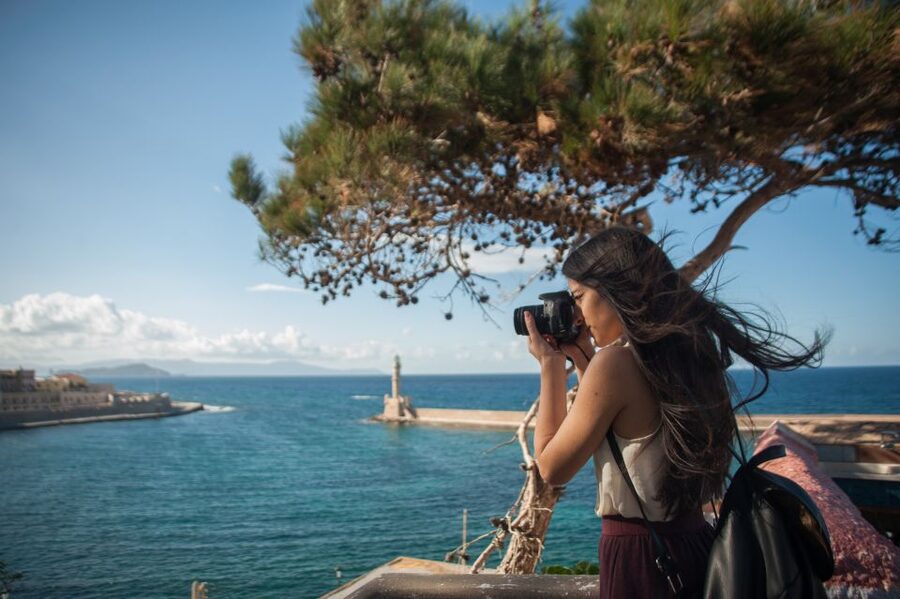
Chania is easy to admire and surprisingly easy to misunderstand. Many people stay around the Venetian harbor, take photographs of the lighthouse, and miss the layers behind the painted facades. This tour gives you a more useful introduction by linking food, streets, buildings, and local stories.
The city has been occupied or shaped by Romans, Byzantines, Arabs, Venetians, Ottomans, and Germans. That long sequence is not treated as a dry list of dates. Instead, your guide uses stories about merchants, sailors, rulers, artists, lovers, and local heroes to explain why Chania looks and feels like a meeting point between eastern and western worlds.
I particularly like the way food gives the history a clear anchor. You are not simply told that Crete has a strong agricultural tradition. You taste olives, honey, olive oil, sweets, coffee, and other regional products, then sit down later for mezedes. The result is easier to remember, and you leave with a better idea of what to order on your own.
The tour is conducted in English and has a 4.9 rating from 125 bookings. That high score makes sense when you look at the repeated praise for the guides’ warmth and local knowledge. Manos is often singled out for his friendly manner and strong English, while Adonis and Yannis are praised for their enthusiasm and practical advice. The exact guide will depend on the date, but the guide’s personality is an important part of the experience.
A few more Crete half-days to weigh up
- From Kissamos Port: Boat Cruise to Balos Lagoon & Gramvousa
★ 4.2 · 6,755 reviews - Crete: Day Trip to Agios Nikolaos and Spinalonga Island
★ 4.6 · 4,416 reviews - From Chania: Full-Day Samaria Gorge Trek Excursion & Guide
★ 4.6 · 3,191 reviews
Meeting at Kydon Hotel
The starting point is in front of Kydon, The Heart City Hotel, at the entrance. This is near the boundary between Chania’s newer section and the Old Town, making it a sensible place to begin the walk.
Do not wait inside the lobby or wander toward the harbor looking for the group. Stand in front of the hotel and look for the Crete Local Adventures sign. One person had difficulty finding the guide, so arrive a few minutes early and keep your eyes open.
There is no hotel pickup or drop-off. You make your own way to the meeting point and return there at the end, unless the guide escorts you back from the final stop. This is not a vehicle tour, so plan for continuous walking through narrow lanes and historic neighborhoods.
Comfortable shoes matter. The tour is wheelchair accessible, but old-town streets and the exact route through lanes and workshops can still make mobility worth discussing with the local provider before booking.
The Municipal Market and a Cretan pantry lesson
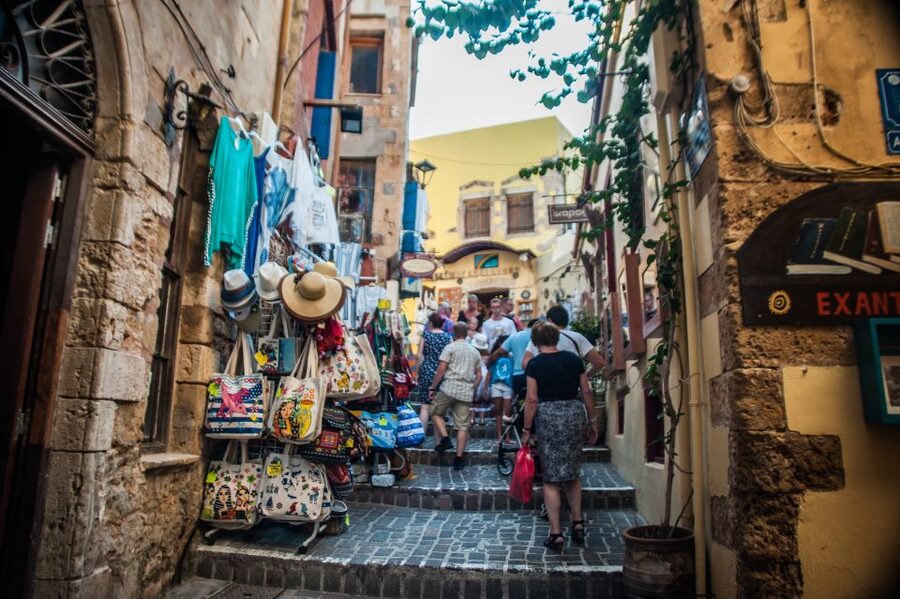
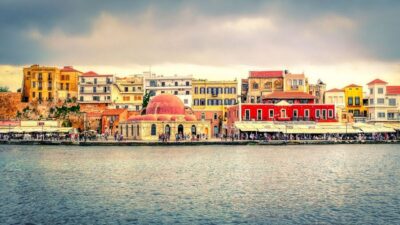
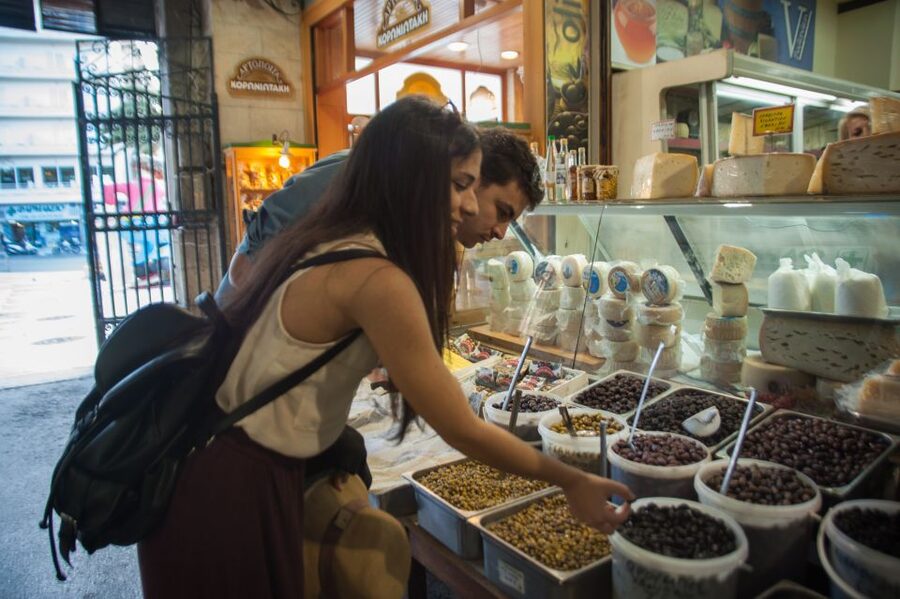
The first major stop is the Dimotiki Agora, or Municipal Market. Opened in 1913, the year Crete united with Greece, the market marks the line between the modern city and the Old Town. More than 70 family-owned shops sell local groceries and Cretan products.
This is one of the strongest parts of the tour because it places food in its everyday setting. Instead of seeing regional specialties only on a restaurant plate, you meet the people who sell them and learn what Cretan households and villages produce. The focus is on locally sourced goods from farmers, villages, and stock-breeders.
Expect tastings of items such as olives, honey, olive oil, and local sweets. The guide explains how the products are used and why Crete is associated with a famously healthy eating pattern. You might also encounter items such as Cretan pies, local cheeses, and bougatsa, all mentioned as part of the wider tasting experience.
The market visit takes about two hours, making it the longest portion of the route. That gives you time to ask questions, compare flavors, and note shops you may want to revisit. I like this shopping element because it turns the tour into a practical guide for the rest of your stay. You can return later for edible souvenirs instead of buying the first bottle of olive oil you see.
The one thing to watch is your appetite. Several people strongly advise skipping breakfast or eating very lightly beforehand. This is not a token sample followed by a long wait for lunch. Food appears at several points, and the final meze spread can be substantial.
Greek coffee and a slower pause
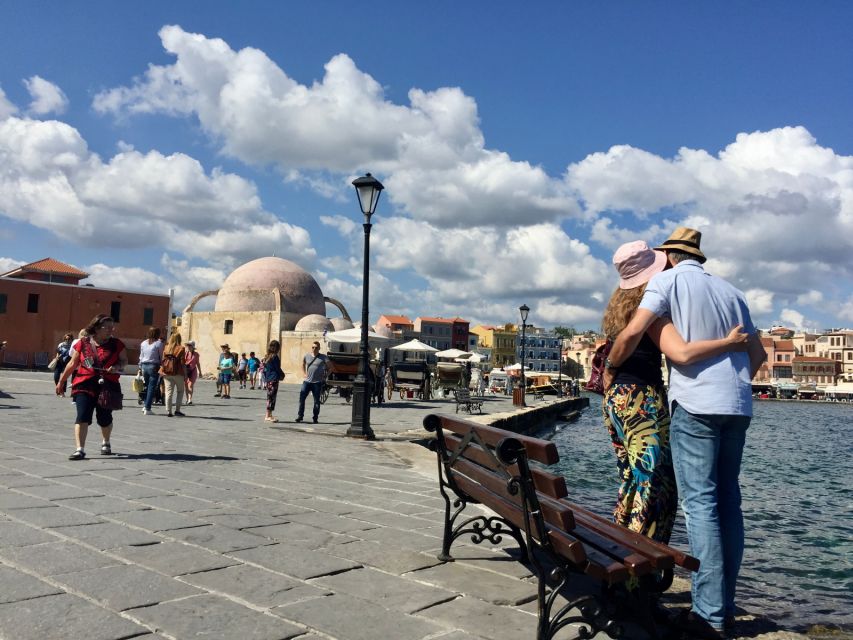
The itinerary includes a 30-minute coffee stop in the Old Town, with Greek coffee and local sweets included. This pause is useful because the tour does not rush from one tasting to the next.
Greek coffee is prepared thick and strong, and it is normally enjoyed slowly. The break gives your guide room to explain food customs and answer questions about Chania. It also gives you a chance to speak with the other people in the group, if you are not on a small or private departure.
The half-hour stop helps balance the walking. Four hours can sound short, but Chania’s lanes, market, monuments, workshops, and harbor promenade cover a fair amount of ground. A seated break keeps the tour from feeling like a race.
If you do not drink coffee, the included sweets still make this a pleasant stop. Dietary needs can be accommodated, including vegetarian requests, but you should tell the local partner in advance rather than waiting until the tour begins.
Same stretch of coastline, a completely different day out:
- Agios Nikolaos: Boat Trip to Spinalonga with Swim Stop
★ 4.4 · 3,031 reviews - Heraklion: Dia Island Sailboat Cruise with Swimming and Meal
★ 4.8 · 2,579 reviews - Crete: Knossos Palace Entry Ticket with Optional Audio Guide
★ 3.9 · 2,251 reviews - Heraklion Area: CRETAquarium Admission Ticket
★ 4.4 · 2,055 reviews
Old Chania, from grand monuments to side streets

After the market, the route moves through the Old Town. You will see Venetian and Ottoman monuments, narrow back streets, small gardens, and corners that are easy to pass without noticing.
The value here is the commentary. Chania’s buildings have changed purpose many times, and the guide connects those changes to the people who lived and worked here. Stories about trade, religion, shipping, politics, and family life make the architecture easier to read.
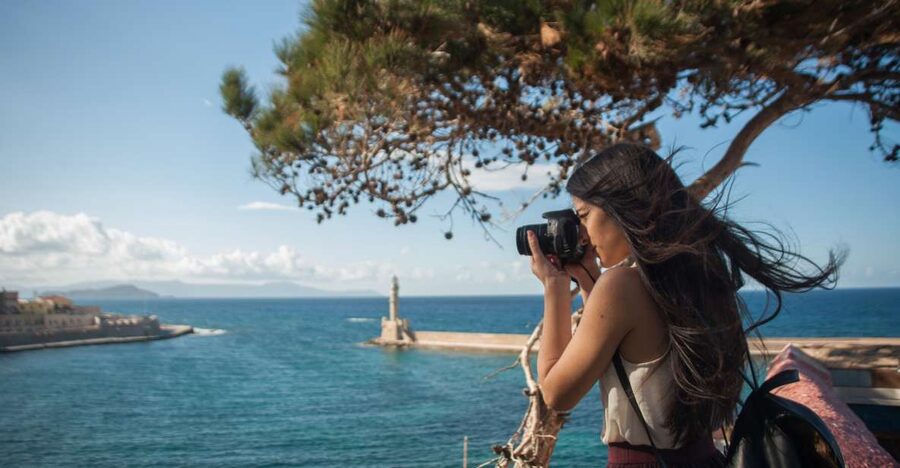
The harbor promenade is part of the route, but it is not the whole point. The waterfront is beautiful and deserves time, yet the side streets tell you more about how the city functions away from the cafés and souvenir shops. One guide took people to a fine overlook of the harbor, while others pointed out places they would not have found alone.
The pace is generally relaxed. Several people appreciated the blend of walking, information, coffee, and food rather than a nonstop lecture. Still, you should expect to stand and walk for much of the four hours. If hot weather is forecast, bring water, wear a hat, and choose light clothing.
A traditional knife workshop and local hands at work
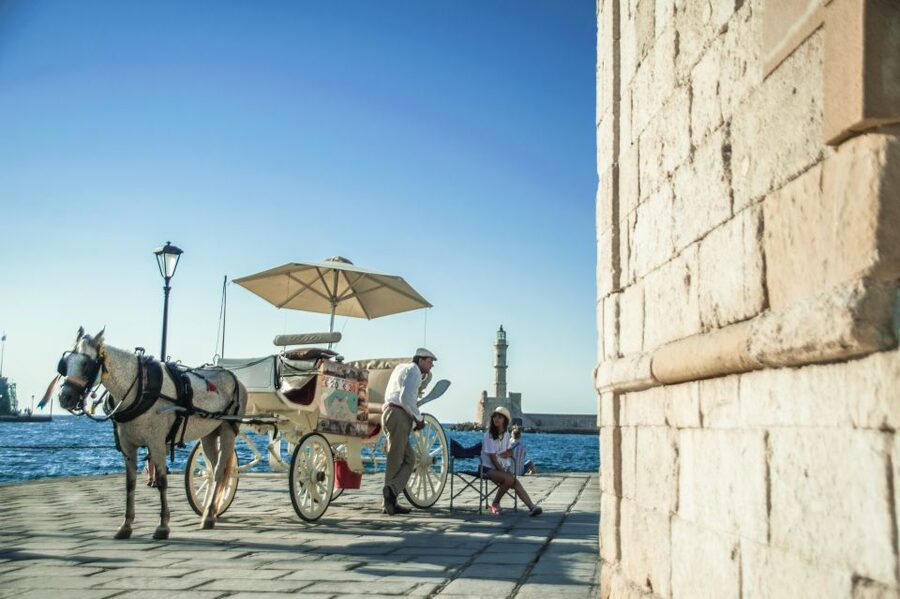
The artisan portion adds something that many food tours leave out. You visit one of the last remaining workshops making traditional handmade Cretan knives and hear from the knife maker about the craft.
The point is not only to watch. You may have the chance to test your own skills, depending on the workshop and the day. That small hands-on element makes the stop more memorable and shows that local culture is not limited to recipes and old buildings.
This is also where the tour’s local impact becomes clear. You are meeting shop owners and craftspeople who continue to sell or make Cretan products. The money spent through these stops supports family businesses rather than only large commercial operations.
The workshop is described as a visit of about 30 minutes. It is not a full craft class, so keep your expectations realistic. You are there to learn, meet the maker, and possibly try a small task, not produce a finished knife.
Ottoman and Jewish quarters
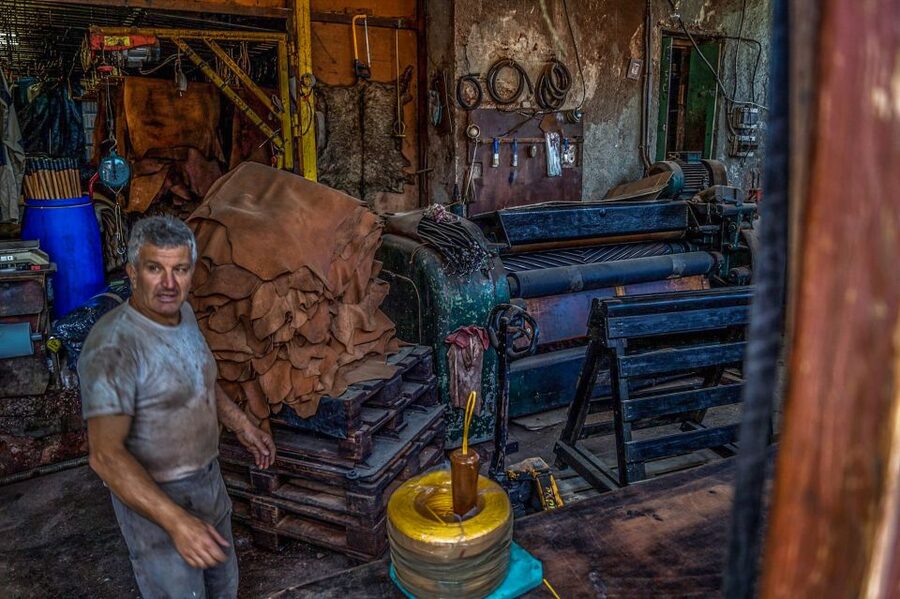
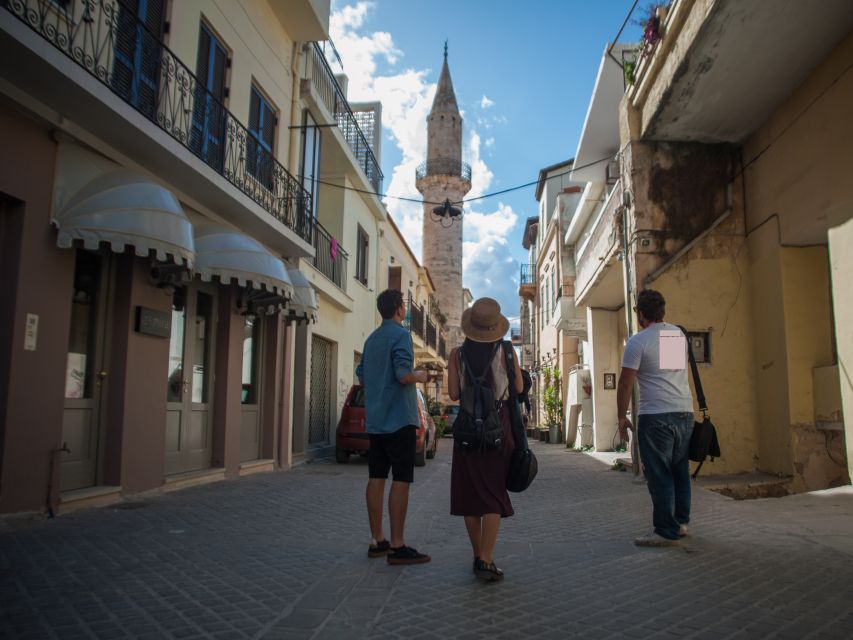
The route then turns toward the old Ottoman and Jewish neighborhoods. This is a particularly worthwhile part of the walk because it broadens your picture of Chania.
The Ottoman quarter reflects centuries of Turkish rule, while the Jewish quarter points to the city’s long-standing Jewish community. Your guide explains how different communities shaped local life over time and how Chania’s position between east and west affected daily customs, trade, and architecture.
These districts can feel quieter and less polished than the harbor. That is exactly their appeal. You see a side of the Old Town that is less arranged for photographs and more revealing of the city’s complicated past.
I would pay close attention here, even if food is still on your mind. The tour’s strength is the connection between the plate and the street. A spice, pastry, cooking habit, or market product makes more sense after you understand the people and cultures that passed through Chania.
Wine, raki, and the final meze table
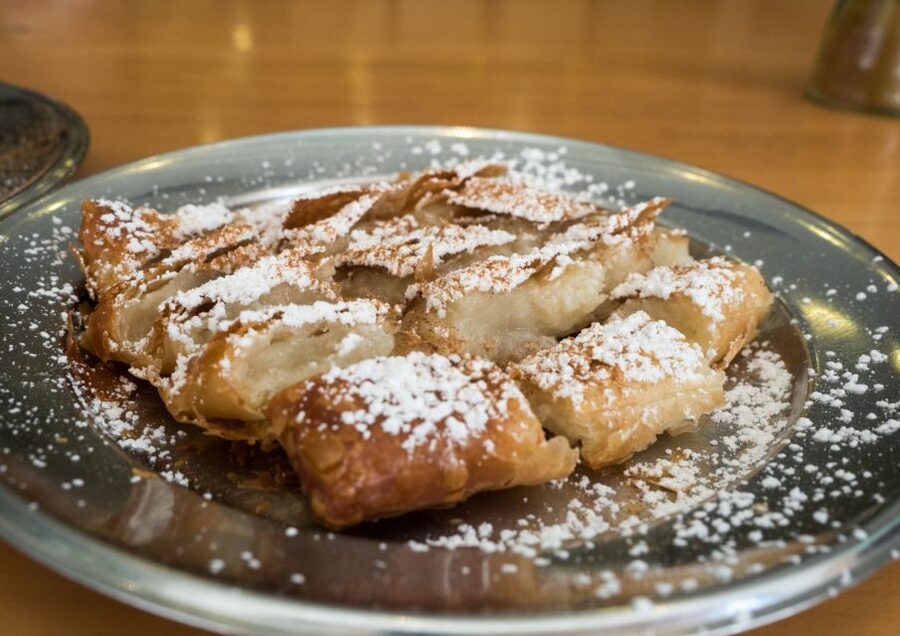
The final food stop is a local favorite where you sit down for Cretan mezedes, or small shared dishes. The itinerary allows about an hour for wine and wine tasting, and wine is also mentioned in the food experiences. The included list specifically names raki, while additional food and drink are not included, so ask your guide what is covered on your departure.
Raki is the traditional Cretan spirit served during the experience, and alcoholic drinks are available only to participants aged 18 and older. Anyone under 18 receives nonalcoholic drinks.
The meze meal is more than a last snack. It gives the group time to sit together, compare favorite dishes, and ask for advice about restaurants. Several guides have continued helping with recommendations after the tour, including suggestions for dining, beaches, and activities.
This is where the tour can feel almost like a shared meal with a well-informed local friend. The guides are repeatedly praised for being warm, funny, and easy to talk with. Manos, Adonis, and Yannis in particular are described as people who enjoy showing visitors their hometown, not simply reciting prepared facts.
If you have a small appetite, this final stop may be more than you can manage after the market tastings. Tell the guide early if you want smaller portions or need to avoid particular ingredients.
What the $114 price includes
At $114 per person, this is not the cheapest way to wander Chania. The value depends on how much you would otherwise spend on separate tastings, a market visit, a sit-down meal, and a private guide.
The price includes the guided walk, Greek coffee, local sweets, olives, honey, olive oil, mezedes, and raki. It also covers the storytelling, introductions to local businesses, and the chance to sample food you might not recognize or order without help.
For a first visit, I think the price is reasonable if you want both food and city history in one compact experience. You are paying for access and interpretation, not merely a list of samples. The local recommendations can also save you from spending later meals in places aimed mainly at passing visitors.
You will pay extra for personal purchases and any additional food or drinks. That matters if you plan to buy olive oil, honey, cheese, sweets, or handmade goods at the market and workshops. Bring room in your luggage and a little spending money, but do not assume every purchase is part of the tour.
Who should book this Chania tour?
I would choose this tour early in a Chania stay. It gives you a map of the Old Town, points out places to return to, and helps you recognize local foods when ordering later.
It is a strong fit for:
- First-time visitors who want history without a formal museum lecture
- Food-focused visitors who want regional products and a full meze sitting
- Couples and small groups who enjoy conversation with a local guide
- Cruise passengers with limited time, provided the four-hour schedule fits
- Visitors who want to see the Ottoman and Jewish quarters
- People who prefer family-run shops and local makers to standard sightseeing stops
It may not suit you if you want a short, low-walking excursion or a strictly structured culinary class. The craft stop is hands-on only in a limited way, and the tour is broad rather than focused on one cuisine or one historical period.
Free cancellation is available up to 24 hours before the start, and you can reserve now and pay later. Vegetarian diets and other restrictions can be accommodated with advance notice.
Should you book it?
I would book the Chania Sightseeing and Tastings Tour if you want your first hours in the city to feel useful, social, and delicious. The best parts are the Municipal Market, the less-visited quarters, the traditional knife workshop, and the final meze meal with time for questions.
Come hungry, wear comfortable shoes, and meet the guide at the exact hotel entrance. If you do that, the $114 fee buys much more than lunch. You get an introduction to Chania’s food, streets, makers, and layered past, plus practical advice for the rest of your visit.
FAQ
Where does the Chania Sightseeing and Tastings Tour start?
The tour starts in front of Kydon, The Heart City Hotel, at the entrance. Your guide will hold a Crete Local Adventures sign.
How long does the tour last?
The experience lasts four hours. Starting times vary, so check availability when booking.
What food and drinks are included?
The tour includes Greek coffee, local sweets, olives, honey, olive oil, mezedes, and raki. Additional food and drinks are not included.
Is wine included in the tour?
The itinerary includes wine and wine tasting. The included list specifically names raki but does not separately list wine, so confirm the exact wine arrangements for your selected departure.
Can vegetarians or people with dietary restrictions join?
Yes. Vegetarian diets and other dietary restrictions can be accommodated when you notify the local partner in advance.
Are alcoholic drinks available to children?
No. Alcoholic drinks are available only to participants aged 18 or older. Younger participants receive nonalcoholic beverages.
Is the tour wheelchair accessible?
Yes, the activity is listed as wheelchair accessible. Since the route passes through old streets, lanes, markets, and workshops, you may wish to confirm the route details before booking.
Just added around Crete
- VIP Luxury Private Tour – Full Day – 4×4 Excursion with LandRover★ 5.0 · 32 reviews
- Lasithi –Plateau Traditional Vilages★ 5.0 · 40 reviews
- Private Full-Day Knossos-Lasithi Plateau-Cave of Zeus from Elouda★ 5.0 · 28 reviews
- Sarakina Gorge, Kritza, Oliveoil Tasting, Mountains, South Coast★ 5.0 · 92 reviews
- Full-Day Land Rover Safari from Rethymno with Lunch Swimming★ 5.0 · 215 reviews
- Knossos Palace and Pottery experience (Luxury Adventure)★ 4.5 · 32 reviews
- Island Spinalonga, Milatos Cave,private Speedboat,OliveOilTasting★ 4.5 · 39 reviews
- Richtis Waterfall, History, Azoria, OliveTasting, NorthCoast★ 5.0 · 83 reviews
Crete Tours, compared.
From Kissamos Port: Boat Cruise to Balos Lagoon & Gramvousa
Read our review →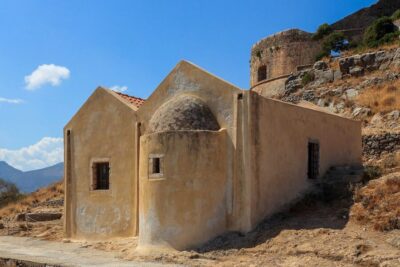
Day Trip to Agios Nikolaos and Spinalonga Island
Read our review →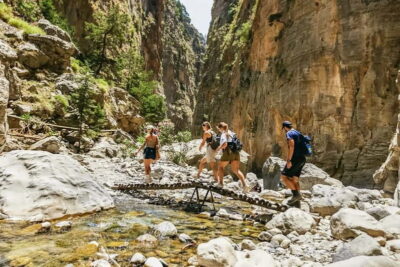
Full-Day Samaria Gorge Trek Excursion & Guide
Read our review →
Dia Island Sailboat Cruise with Swimming and Meal
Read our review →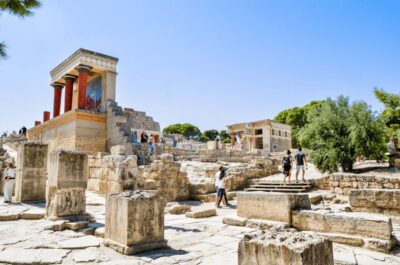
Knossos Palace Entry Ticket with Optional Audio Guide
Read our review →