
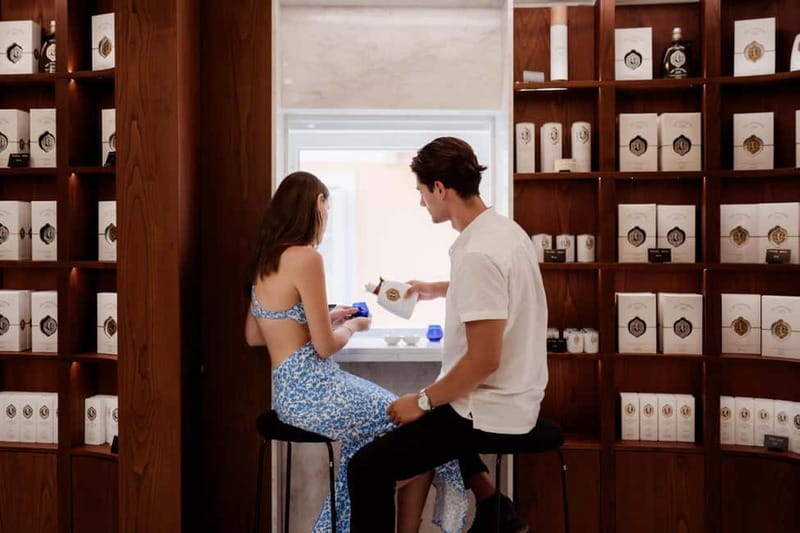
Reviewed · OLIVE OIL TASTINGS
Corfu: Private Olive Oil Tasting with Guide
Olive oil gets its own tasting menu here. This short, private experience in Old Corfu Town combines several excellent features: I like the clear, practical tasting instruction, which helps you tell fresh oil from poor-quality oil, and I like the small food pairings, including cheese, tomatoes, cucumber, yogurt, and even olive oil ice cream. The hosts also explain Corfu’s olive-growing traditions, health research, and everyday use of oil in Greek cooking.
The main drawback is the 40-minute duration. You get a focused introduction rather than a full farm visit or a long meal. The activity also takes place in a shop and tasting room, not in an olive grove, and it is not suitable for wheelchair users.
In This Review
- Key points to know before you go
- Finding The Olive House at Nikiforou Theotoki 29
- What happens during the 40-minute tasting
- Learning to taste olive oil like a professional
- Traditional foods show how Corfu uses oil
- Corfu’s olive oil story and the Mediterranean diet
- The guides make the short format work
- What the private format is worth
- Shopping after the tasting
- Who should book this Corfu experience?
- Should you book the Olive House tasting?
- FAQ
- Where does the olive oil tasting take place?
- How long does the experience last?
- What foods are included?
- Is the tasting private?
- Is a souvenir included?
- Is the activity suitable for wheelchair users?
Key points to know before you go
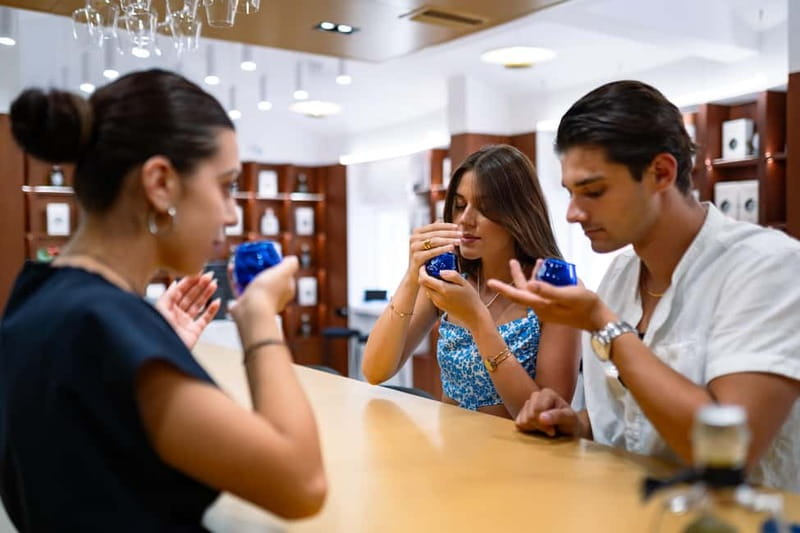
- Old Corfu Town location: The Olive House by The Governor is easy to find at Nikiforou Theotoki 29, close to the Ionian Bank Museum.
- Private English-language format: Your group receives a dedicated guide rather than joining a large tasting crowd.
- Food makes the lesson useful: Bread, vegetables, cheeses, yogurt, and other Corfiot treats show how olive oil works in real dishes.
- You learn how to taste properly: Smell, flavor, bitterness, pungency, and freshness all receive attention.
- Hosts bring personality: George, Victoria, and Eleftheria are praised for clear explanations, warmth, and energy.
- A souvenir is included: You leave with a small reminder of the tasting, and the shop sells olive oil products if you want gifts.
Finding The Olive House at Nikiforou Theotoki 29
The meeting point sits in the heart of Old Corfu Town, at Nikiforou Theotoki 29. Look for the logo reading The Olive House by The Governor. It is across from the Papagiorgis sweet shop and near the Ionian Bank Museum.
The storefront has olive oil bottles displayed outside and a screen playing a short video. A jewelry shop is on one side, while a souvenir shop is on the other. Those details matter because Old Corfu Town has plenty of narrow streets and busy shopfronts, so a clear visual marker saves time.
You start and finish at the same place. That makes this easy to fit between sightseeing stops, lunch, shopping, or a walk through the old center. You do not need to arrange a transfer, find a countryside meeting point, or give up half a day.
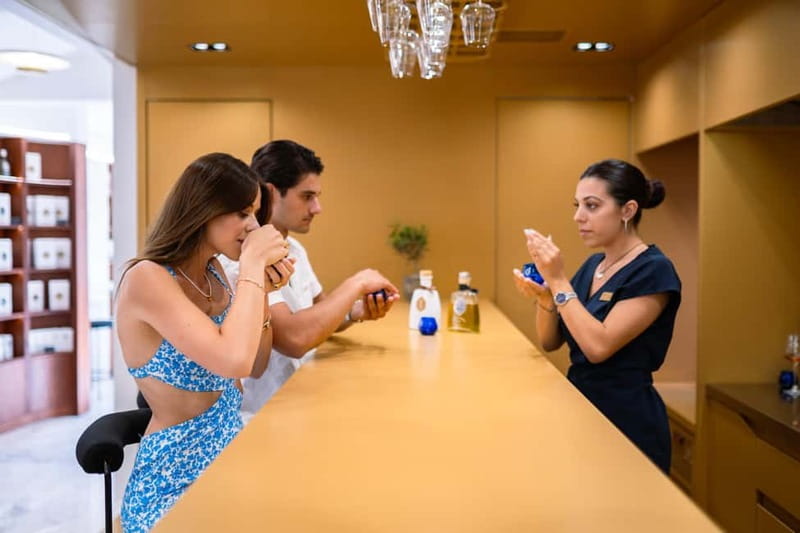
The tasting room itself is described as clean and attractive. It feels more polished than a casual shop sampling, but it remains small enough for direct conversation. If you enjoy asking questions, this setting works well. You can ask about harvesting, storage, cooking, or choosing a bottle without having to compete with a large group.
More Food Tours in Corfu
- The Governor’s Olive Mill Tour with Olive Oil Tasting
★ 5.0 · 502 reviews - Corfu Town: Guided Walking Tour and Local Food Tastings
★ 4.9 · 313 reviews - Small-Group Food and Cultural Tour in Corfu
★ 5.0 · 299 reviews
What happens during the 40-minute tasting
The activity follows a simple route. You arrive at The Olive House, take part in the food and oil tasting for about 40 minutes, then finish back at the same location.
That sounds brief, but the compact schedule is part of the appeal. You get a concentrated introduction to Corfiot olive oil without spending an entire afternoon on one subject. The guide uses the time for tasting, explanation, food pairings, and questions.
Because it is a private group, the pace can feel more personal. A couple may receive a quiet session with plenty of attention, while a family or small group can ask questions suited to its own interests. One experience with two people became a private tasting for just that pair, which shows how intimate the format can be when bookings are light.
Still, keep your expectations in check. There is no stated visit to an olive farm, no listed olive harvest activity, and no transport outside Corfu Town. You are coming for an indoor tasting and a lesson, not a full agricultural tour.
Learning to taste olive oil like a professional
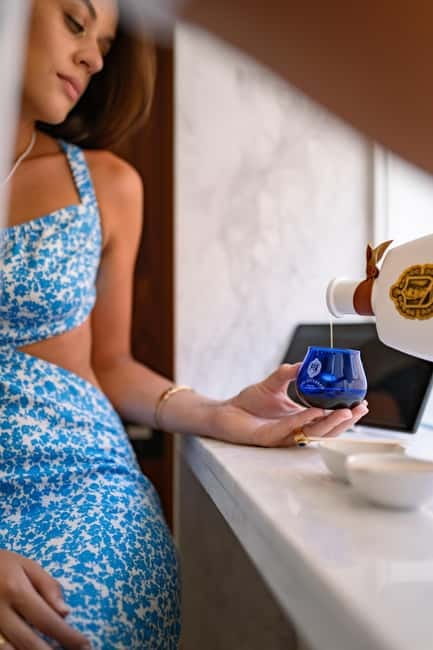
The strongest part of the experience is the tasting lesson itself. Olive oil can seem simple until someone shows you how much information sits in its aroma and flavor. The guide explains how to smell and taste the oil, then helps you notice qualities such as freshness, bitterness, and a peppery finish.
You may already know that good olive oil can taste fruity or grassy, but the session gives those ideas a practical setting. You learn to pay attention to the first aroma, the flavor across your palate, and the sensation that remains after swallowing. The point is not to memorize fancy terms. It is to understand what you are buying and eating.
The guides also explain how to recognize poor-quality oil. That is useful long after your holiday. Olive oil labels and packaging can be confusing, and supermarket shelves often offer more choices than clear guidance. A short tasting lesson can help you make better decisions when you return home.
You sample a selection of premium oils produced on Corfu. The exact number and varieties are not specified, so do not expect a fixed flight of a particular size. The focus is on comparing oils and understanding their differences, not simply drinking small samples without context.
A practical tip: pay attention to the order in which the guide presents the oils and foods. If you want to remember a favorite, ask about its name, flavor profile, and best use in cooking before you leave.
Traditional foods show how Corfu uses oil
The food pairings turn the tasting from a technical exercise into a small lesson in Greek eating. Depending on the session, you may try bread, tomatoes, cucumber, two kinds of cheese, yogurt, and other traditional Greek or Corfiot foods.
This is important because olive oil makes more sense when you taste it with food. A sharp, peppery oil may work beautifully over vegetables or bread, while a softer oil may suit a different dish. The guide prepares several small dishes to show how the oil can be used beyond a dipping bowl.
One particularly unusual item is olive oil ice cream. That is a fun surprise, but it also makes a point: olive oil is not limited to savory plates. The sweet tasting gives you a different way to notice its aroma and texture.
The portions are described as snacks and tasting accompaniments, not a replacement for lunch. If you arrive hungry, eat beforehand or plan a meal afterward. The tasting adds food to the experience, but its main purpose remains education.
I also like that the pairings help you connect the oil to daily Greek cooking. You are not tasting a product in isolation. You are seeing how it fits with vegetables, dairy, bread, and dessert.
More Olive Oil Tastings in Corfu
- Corfu: Olive Oil Experience – The Governor’s Olive Mill
★ 4.9 · 138 reviews - Corfu: Greek Cooking Class & Olive Oil Tasting
★ 4.9 · 137 reviews - North Corfu Olive Tour With Olive oil Tasting & Meze
★ 5.0 · 89 reviews - Symphony of Flavors – Olive Oil & Food Pairing at Corfu Town
★ 4.9 · 66 reviews
Corfu’s olive oil story and the Mediterranean diet
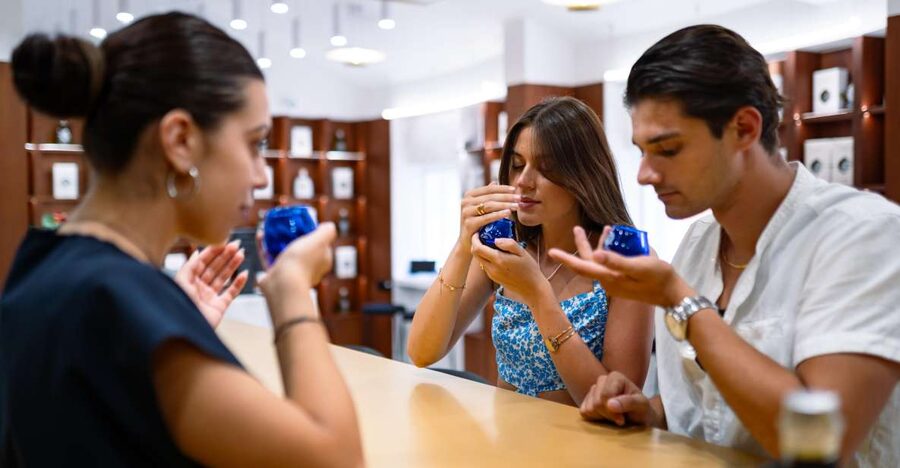
The guide explains the place of olive oil in Corfu and Greece, including how production methods have developed across generations. The discussion covers harvesting, production, and the work required to make the finished oil.
That background gives the tasting a local setting. Corfu is not simply selling a generic Greek souvenir. The session links the bottle in front of you to island farming traditions and to a food culture where olive oil is used as a central ingredient.
You also hear about the role of olive oil in the Mediterranean diet and current scientific research into its possible health benefits. This part should be treated as general food education, not personal medical advice. The guide can explain the subject, but you should not expect a medical consultation or a detailed nutrition lecture.
The most useful takeaway is moderation and quality. Learning how oil is made, stored, and tasted can help you appreciate why freshness matters. It also gives you better questions to ask when shopping: Where was it produced? How should it be stored? What foods suit it? How long will it keep after opening?
The experience does not turn olive oil into a miracle cure, and that is a good thing. Its value is more grounded: you understand an everyday ingredient through local history, sensory practice, and food.
The guides make the short format work
A 40-minute tasting needs a host who can explain things clearly without wandering off into a long lecture. The named hosts connected with this experience include George, Victoria, and Eleftheria.
George is described as energetic and engaging. His approach includes several unique dishes that show how olive oil works in cooking. Victoria receives praise for being friendly, funny, and precise when describing the tasting menu. Eleftheria is noted for her strong command of the harvesting and production process, along with the details of how to assess the oil.
The names matter because this is not an audio guide or a self-service sample counter. Your experience depends on the person leading the session. The available feedback points to hosts who answer questions well and keep the tone relaxed.
If you have food allergies or dietary limits, ask about the pairings before tasting. The included foods can include dairy, bread, vegetables, and yogurt, while the exact menu may vary. The supplied information does not promise a specific allergy-friendly menu.
The language for the live guide is English. If your group needs another language, this is not the safest choice because no other guide language is listed.
What the private format is worth
No tour price is provided here, so I cannot judge the exact cost against similar activities. I can assess the value of what you receive. A private English-language lesson, several Corfiot foods, expert-led tasting guidance, and a souvenir make this more than a quick shop sample.
The value is strongest if you want to learn something you can use at home. You are not paying only for a few bites and sips. You are paying for the explanation of production, tasting technique, food use, and local context.
The short duration also keeps the commitment low. If you have only one day in Corfu Town, you can fit this around the Old Fortress, the Liston, the museums, and your meals. It is also a sensible choice when you want a break from monuments but do not want a long organized excursion.
The value is weaker if you expect a countryside setting, a mill visit, or a large meal. Those elements are not part of the stated program. Think of this as a private tasting class with snacks and shopping access, not a full-day olive farm experience.
The 4.9 rating from 62 ratings supports the idea that the activity consistently delivers a well-liked introduction. The most praised elements are the guides, the practical tasting lesson, the food pairings, and the convenient location.
Shopping after the tasting
The Olive House includes a shop where you can buy olive oil products after the session. Some people choose gifts there, and the shop is described as offering products at reasonable prices.
Shopping after learning how to taste is much more useful than buying a bottle at random before the lesson. You can ask the host about flavor, storage, and how to use each oil. You may find that the oil you prefer for bread is not the one you would choose for a salad or cooked dish.
Do not feel obliged to buy. The souvenir is included, so the experience has a small takeaway even if you leave without extra bottles. If you do purchase oil, pack it carefully for the journey and check your airline or transport rules for liquids.
Who should book this Corfu experience?
I would recommend it to food-focused visitors, couples, small private groups, and anyone curious about Greek ingredients. It is especially good for people who enjoy learning a practical skill while on holiday.
It also suits cruise visitors or short-stay visitors because the meeting point is central and the activity takes only 40 minutes. You can schedule it before or after other Old Town plans without losing a large block of sightseeing time.
Families may enjoy the ice cream and snack element, though the guide’s lesson about tasting and production may appeal more to older children and adults. The private format gives your group room to ask questions at its own level.
You should think twice if mobility is a concern, since the activity is not suitable for wheelchair users. You should also choose another activity if you want an outdoor setting, transport, an olive grove, or a full meal.
Cancellation is flexible up to 24 hours before the experience for a full refund, and you can reserve now and pay later. That is useful when your Corfu plans depend on ferry schedules or changing weather, though you should still confirm the available start time before booking.
Should you book the Olive House tasting?
Yes, if you want a compact and personal food experience in Corfu Town. The best reasons to book are the practical tasting lesson, the lively guides, and the clever use of local foods to show what olive oil can do.
I would not book it expecting a farm tour or a long lunch. I would book it as a smart 40-minute addition to a day in the old town, especially if you want a useful souvenir and a better eye for choosing olive oil at home.
For most food lovers, the combination of local tradition, hands-on tasting, and friendly instruction offers strong value. It is short, easy to reach, and far more memorable than simply buying a bottle from a shelf.
FAQ
Where does the olive oil tasting take place?
It takes place at The Olive House by The Governor, at Nikiforou Theotoki 29 in Old Corfu Town. The shop is across from the Papagiorgis sweet shop and near the Ionian Bank Museum.
How long does the experience last?
The tasting lasts about 40 minutes. Check the available starting times when you book.
What foods are included?
Traditional Greek and Corfiot delicacies are included. The tasting may feature bread, tomatoes, cucumber, two types of cheese, yogurt, and olive oil ice cream.
Is the tasting private?
Yes. The activity is offered for a private group with a live English-speaking guide.
Is a souvenir included?
Yes. You receive a souvenir when the experience ends.
Is the activity suitable for wheelchair users?
No. The activity is listed as unsuitable for wheelchair users.
Just added around Corfu
- Symphony of Flavors – Olive Oil & Food Pairing at Corfu Town★ 4.9 · 66 reviews
- Corfu: Stand Up Paddle Board in Sidari★ 4.7 · 37 reviews
- Paleokastritsa: Paradise, Yali Beach, & Blue Caves Boat Tour★ 4.9 · 65 reviews
- Corfu: Northwest Coast and Village Charms 4×4 Tour★ 4.7 · 44 reviews
- Agios Gordios: Corfu ATV Quad Tour with Lunch at Pink Palace★ 4.3 · 108 reviews
- Corfu: Shore & Shared – Palaiokastritsa, Lakones, Kratsalo★ 4.9 · 137 reviews
- Corfu: Paxos Island Full-Day Cruise with Blue Caves★ 4.2 · 120 reviews
- Corfu: Shore & Shared Tour – Achilleion, Mon Repos, Old Town★ 5.0 · 45 reviews
Olive Oil Tastings, compared.
Knossos-Zeus Cave -Old Traditional Villages-Olive Oil Factory
Read our review →
The Governor’s Olive Mill Tour with Olive Oil Tasting
Read our review →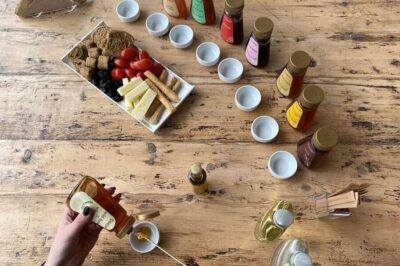
Olive Farm Tour with Tasting of Local Delicacies
Read our review →
Zeus Cave, Lassithi Plateau, Olive Oil Factory, Kritza, Pottery
Read our review →
Knossos, Lasithi, Lasinthos and Olive Farm Combo Tour
Read our review →
Browse the lists this tour appears in