
Reviewed · OLIVE OIL TASTINGS
From Chania: Wine and Olive Oil Tasting Tour with Snacks
Crete tastes best beyond the beach. This six-hour outing from Chania takes you into the Kissamos countryside for family-run wineries, a working olive oil factory, local snacks, and a look at an olive tree estimated to be 3,000 years old. I especially like the mix of Cretan wine tasting and practical olive oil instruction, rather than spending the whole day at only one type of producer.
The guides also add real value. Andreas, Alex, Kostas, Nikos, and the other local hosts are repeatedly praised for their friendly storytelling and strong grasp of Cretan culture. The main drawback is the price: at $141 per person, this is not a cheap half-day outing, and anyone expecting a full restaurant lunch or a long list of winery visits may find the program more modest than expected.
In This Review
- Key points to know before booking
- Leaving Chania for the Kissamos countryside
- First winery: Cretan grapes with a family touch
- The ancient olive tree in a traditional village
- The olive oil factory and the taste of extra virgin oil
- Second winery: a Cretan white-wine blend
- Finishing with tsikoudia, Crete’s local farewell
- What $141 gets you
- The guides make a real difference
- Who should book this Cretan tasting day?
- Should you book it?
- FAQ
- How long does the wine and olive oil tour last?
- Where does the tour operate?
- What is included in the price?
- Which wines can I taste?
- Can children join the tour?
- What should I bring?
- Can I cancel or pay later?
Key points to know before booking
- Two wineries, several wine styles: Taste local Vidiano, Muscat of Spina, Vilana, Assyrtiko, Grenache rouge, Syrah, and Mourvèdre.
- A working olive oil stop: See how extra virgin olive oil is produced, then taste different oils with local foods.
- The 3,000-year-old olive tree: Visit a traditional village and see one of Crete’s most unusual living monuments.
- A guide-led countryside journey: The drive from Chania into the Kissamos hills comes with local stories about Cretan life, wine, and farming.
- Generous tasting portions: Several people describe trying about ten wines, along with oils, cheese, and snacks.
- A useful all-in-one format: Transport, entrance fees, tastings, a driver-guide, and light food are included.
Leaving Chania for the Kissamos countryside
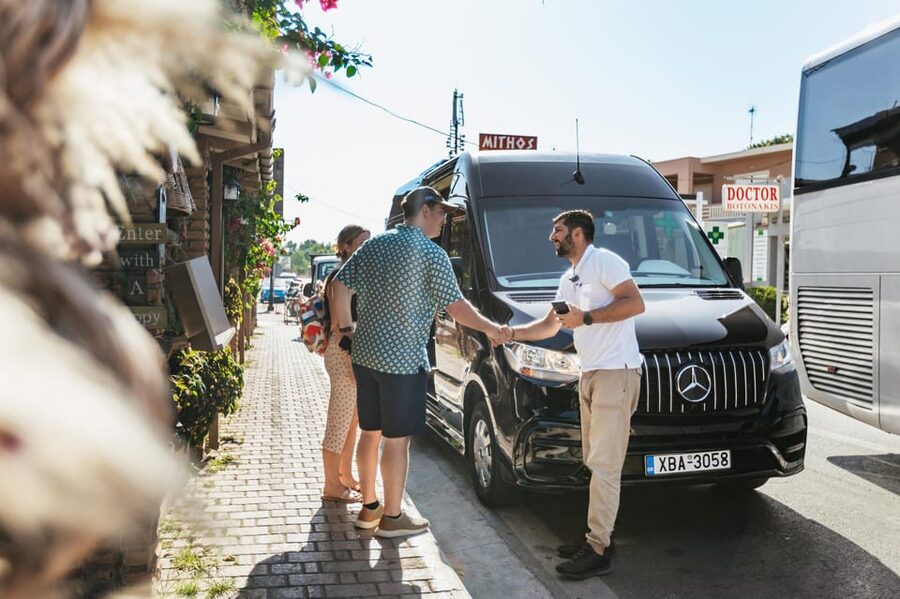
The day begins with pickup from selected locations in the Chania region. Pickup starts 30 to 60 minutes before the scheduled departure, so you should allow some flexibility at the start. The exact meeting point matters, especially if you are staying outside central Chania, and it is worth checking the pickup details carefully before the day.
You ride in an air-conditioned bus, a welcome feature during Crete’s warmer months. The transport has received especially strong marks, with 90 percent of ratings giving it a perfect score. That matters here because the tour covers rural roads and several stops that would be awkward to connect by public transport.
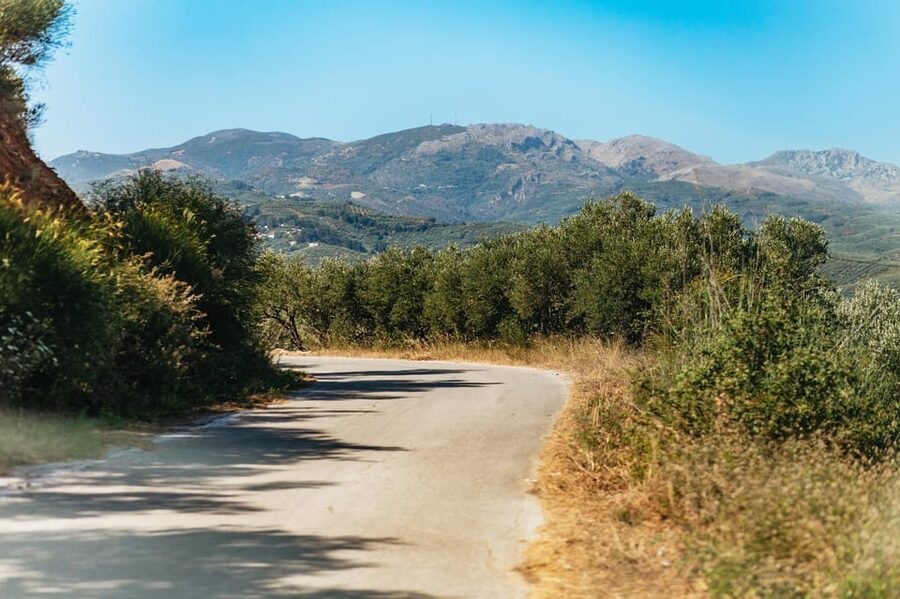
As you leave Chania, the city gives way to olive groves, hills, and small villages. The drive is not just dead time between tastings. Guides such as Alex, Andreas, and Kostas have been praised for explaining Cretan customs, local agriculture, and the island’s past along the way.
I like this setup because it gives you a broader sense of Crete than a tasting room alone. You get to see the setting where olives and grapes grow, then meet people whose work is tied closely to those crops. The tradeoff is that part of your six hours is spent on the road, so this is not the right choice if you want six straight hours of sitting at a vineyard table.
More Food Tours in Crete
- Crete: Sunset or Morning Quad with Local Products Tasting
★ 4.9 · 1,135 reviews - Crete: Quad Safari, Olive Mill with Tasting & Ghost Village
★ 4.9 · 1,004 reviews - From Chania: Olive Oil, Wine, Cheese & Honey Tasting Tour
★ 4.6 · 490 reviews
First winery: Cretan grapes with a family touch
One of the first major stops is a traditional family winery established in 1993. The visit focuses on the grapes grown in Crete, the winery’s approach to modern farming, and the way local producers are adapting older traditions to current wine production.
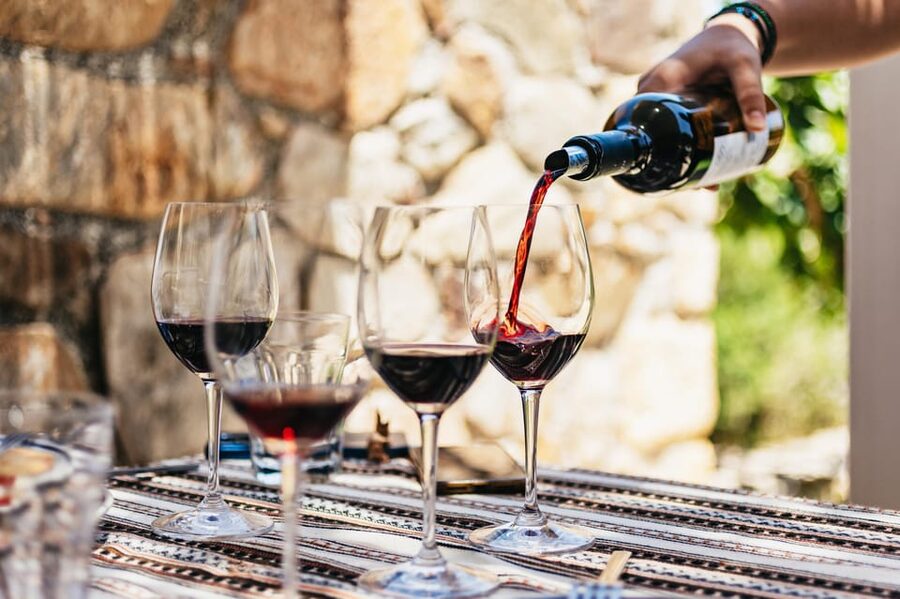
This is a useful introduction for anyone who knows little about Greek wine. Instead of simply pouring glasses and naming them, the visit connects the wine to the island’s soil, climate, and native grape varieties. You taste award-winning Vidiano and Muscat of Spina, along with international grapes such as Grenache rouge, Syrah, and Mourvèdre.
Vidiano is especially worth paying attention to. It is one of Crete’s best-known white grapes, and tasting it beside international varieties helps you notice what makes Cretan wine distinct. Muscat of Spina offers another local expression, while the red varieties give the tasting more range than a white-wine-only visit.
The number of pours can be generous. Some itineraries include five wines at this stop, though the exact selection can change. If you are new to wine tasting, do not feel pressured to finish every glass. The tour includes transportation, but you still want to remain comfortable on the winding return drive.
The atmosphere is part of the appeal. This is a family-run operation rather than a large commercial attraction, and the staff are described as open, friendly, and willing to explain their products. There is also no reported pressure to buy, which makes it easier to taste with curiosity instead of feeling as if every sip is a sales pitch.
The ancient olive tree in a traditional village
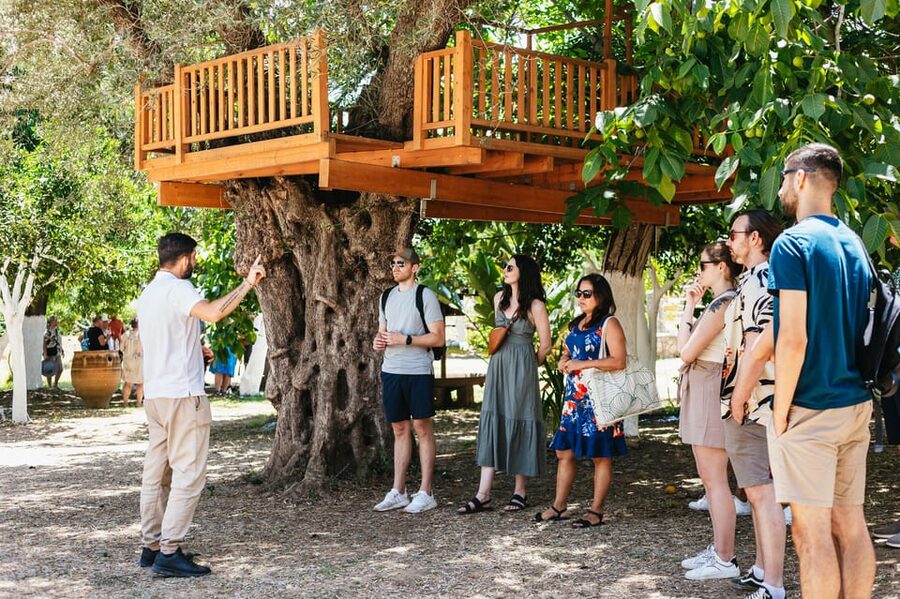
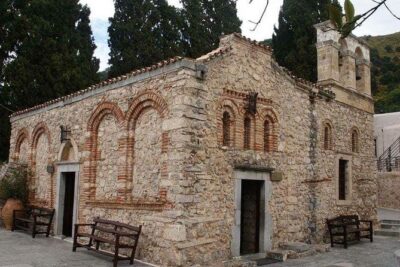
After the first winery, the route continues to a traditional village where you see the olive tree described as the oldest in the world. Its estimated age is about 3,000 years, making it a remarkable reminder of how long olive cultivation has shaped Crete.
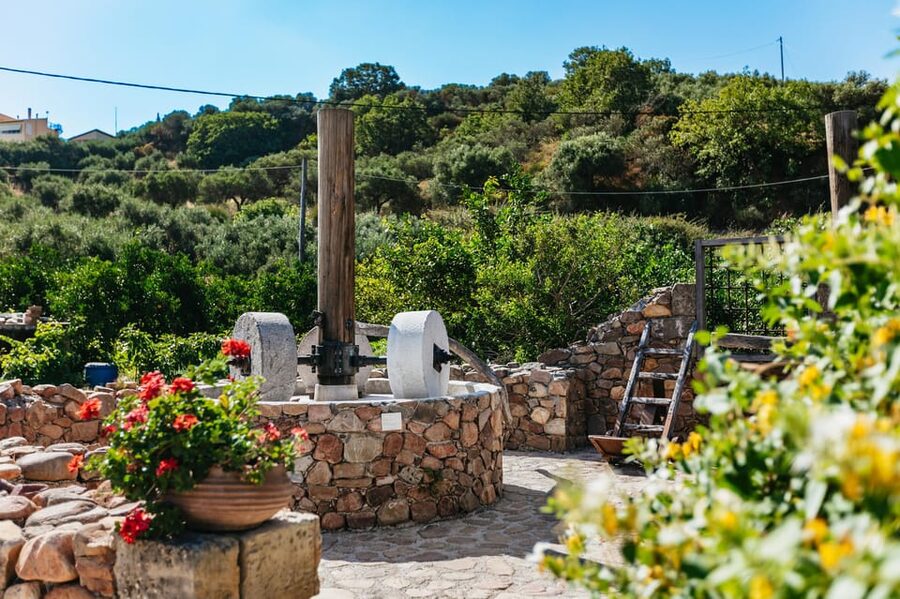
Do not expect a polished museum display. The appeal is the tree itself, its enormous trunk, twisted shape, and sheer age. You also hear about older methods of producing olive oil, which gives the stop more meaning than a quick photo opportunity.
This is one of the most memorable parts of the outing for me because it links the modern bottles on the tasting table to a much older way of life. Wine production has changed with new equipment and farming methods, but olives remain tied to family land, village customs, and daily cooking.
The stop is also a useful pause between tastings. You can stretch your legs, take photographs, and enjoy a quieter village setting before continuing to the next producer. Bring your passport or ID card, as this is listed among the required items, and wear shoes suitable for walking around rural sites.
The olive oil factory and the taste of extra virgin oil
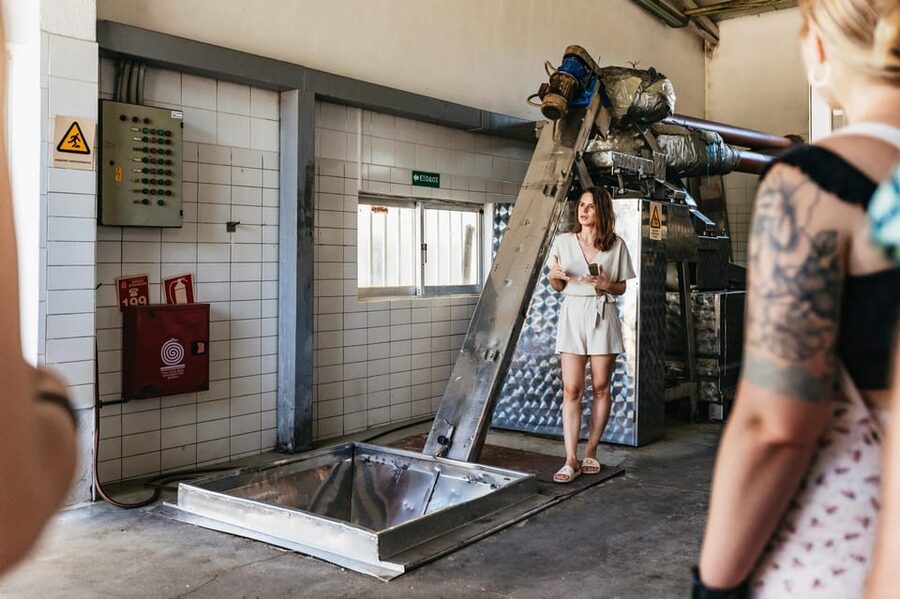
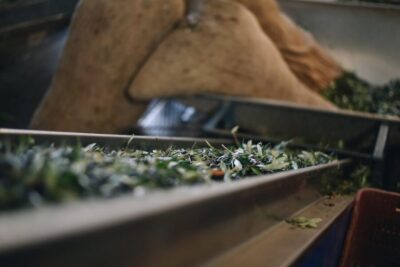
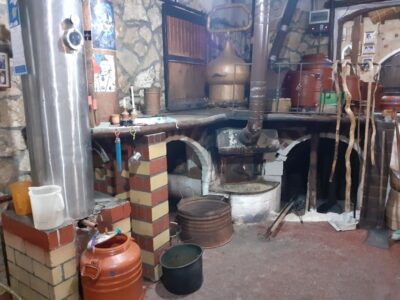
The olive oil visit gives the day its strongest practical lesson. At a local factory, you learn how olives become extra virgin olive oil and see how a traditional product is handled in a modern production setting.
The exact factory experience can vary with the season and operating conditions, but the core focus is clear: production, quality, and tasting. You sample several local oils and learn how to compare them. The staff are praised for explaining the work involved, from the care of the olive trees to the final product.
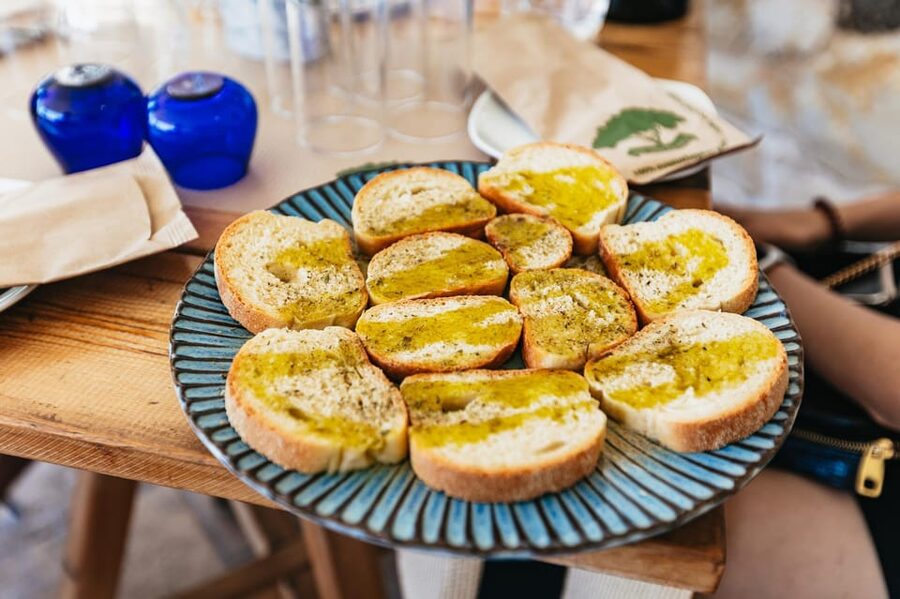
This tasting is more useful than simply drizzling oil over bread at a restaurant. You are encouraged to notice differences in flavor and finish, which can help when you shop for olive oil later. You may also have the chance to buy bottles at the factory, and several people found the products good enough to take home.
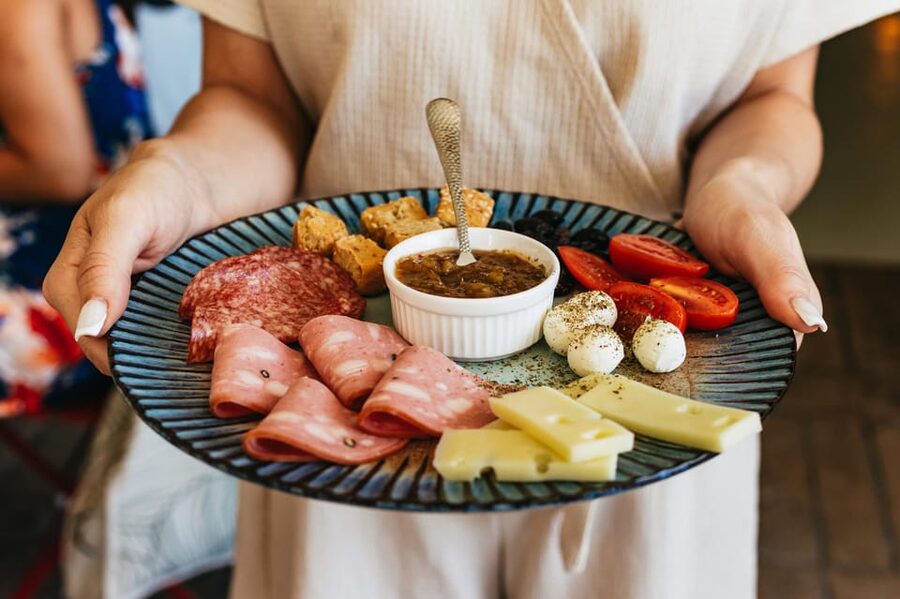
The tasting is paired with local foods and wine. Expect snacks rather than a large sit-down meal. Cheese and other local products may be included, and dietary needs such as vegetarian or vegan preferences can be accommodated when communicated in advance, according to the available tour details.
I would plan for this to be a light lunch, not a feast. One person felt the food could have been more substantial considering the amount of wine served. If you need a full meal at midday, eat a proper breakfast and consider carrying a small extra snack.
More Olive Oil Tastings in Crete
- Knossos-Zeus Cave -Old Traditional Villages-Olive Oil Factory
★ 5.0 · 694 reviews - Heraklion: Olive Farm Tour with Tasting of Local Delicacies
★ 4.9 · 411 reviews - Zeus Cave, Lassithi Plateau, Olive Oil Factory, Kritza, Pottery
★ 5.0 · 362 reviews - Crete: Knossos, Lasithi, Lasinthos and Olive Farm Combo Tour
★ 4.5 · 351 reviews
Second winery: a Cretan white-wine blend
The second winery in the Kissamos region adds another layer to the tasting. Here, you sample a local white blend made with Vilana, Vidiano, and Assyrtiko.
That combination gives you a chance to compare different Greek grapes in one glass. Vidiano appears again, while Vilana and Assyrtiko add a broader view of Greek white wine. The point is not to turn you into a sommelier in one afternoon. It is to help you recognize that Crete produces more than the basic table wine often poured in casual tavernas.
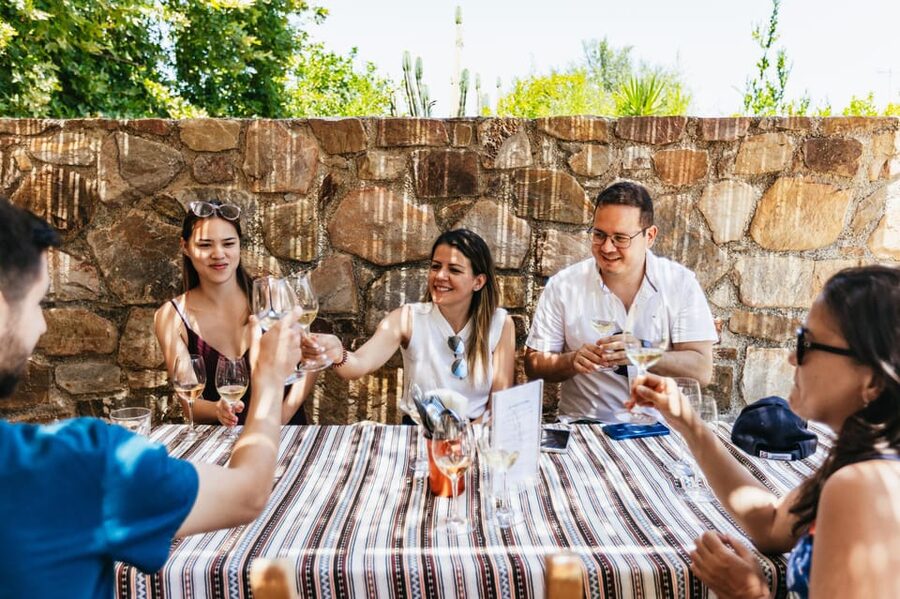
The setting is one of the highlights. The vineyards are described as attractive and atmospheric, and you have time to walk among the vines rather than remaining indoors for the entire tasting. That outdoor element makes the visit feel connected to the land and gives the second stop a different character from the first.
Food is served alongside the wine, generally in the form of local cheeses and snacks. The combination is important because it shows how the wines work with Cretan flavors. It also keeps the tasting social and relaxed, especially when the group is friendly.
The two-winery format works well. The first stop introduces local and international grapes, the olive oil factory shifts the focus to another major Cretan product, and the final winery brings you back to wine with a fresh set of bottles. The pace keeps changing, so the day does not feel like one long lecture.
Finishing with tsikoudia, Crete’s local farewell
Before the drive back to Chania, the tour ends with tsikoudia, the clear grape spirit traditionally served across Crete. It is presented as the Cretan way of saying goodbye, and it gives the day a distinctly local finish.
Tsikoudia is stronger than table wine, so you should treat the final drink with care. The tour is organized around tasting, not drinking to excess, and you can choose how much you want to sample. The return transport is included, which removes the serious problem of arranging a safe drive after the tastings.
You should also remember that children under 18 cannot take part in the wine tasting. Water or fresh orange juice is offered instead. Children must be accompanied by an adult, and unaccompanied minors are not permitted.
What $141 gets you

The $141 price looks high beside a simple winery visit, but the comparison is not quite fair. The fee covers pickup and drop-off from specific Chania-area locations, air-conditioned transport, entrance fees, a driver-guide, wine tastings at two wineries, olive oil tasting, and light food.
You are also paying for the route. Reaching rural producers, the ancient olive tree, and the olive oil factory independently would require a rental car, careful planning, and a designated driver. For couples or solo visitors who do not want to drive after several tastings, that convenience has real value.
The strongest value comes if you care about both wine and olive oil. If you only want a vineyard tour, you may prefer a more focused wine experience. If you want a full lunch, a larger meal may need to be added elsewhere.
The tour also works well for solo visitors. The group format gives you a social afternoon without requiring you to arrange company in advance. Past departures have included small, friendly groups, though the group size is not fixed in the information provided.
Free cancellation up to 24 hours before departure and the option to reserve now and pay later add useful flexibility. The operator can make minor changes if weather affects the program, so the order of stops may not always be identical.
The guides make a real difference
The guide is not just a driver on this outing. A good one turns the road time into part of the experience and helps explain what you are tasting.
Andreas has worked as a sommelier and is particularly well suited to guests who want more detail about wine. Alex and Alexandros are praised for their warmth, history stories, and careful attention to the group. Kostas is described as down to earth, entertaining, and well informed about local food and wine. Nikos and Thanassi also receive praise for their friendly approach and Cretan history stories.
Names and assignments can change, so you cannot book a specific guide based on these examples. Still, the pattern is clear: the human side of the outing is one of its biggest strengths. The best guides explain without turning the day into a classroom, and they help first-time tasters feel at ease.
One small but telling detail is the care with lost property. A pair of glasses and sunglasses were left behind on separate occasions and returned without trouble. That does not change the itinerary, but it suggests a helpful, well-run operation.
Who should book this Cretan tasting day?
I would choose this tour if you want an easy way to see the countryside around Chania and learn how wine and olive oil fit into Cretan life. It suits couples, solo visitors, first-time wine tasters, and anyone who prefers local producers over large attractions.
It is also a good break from the beach. You still get open views, olive groves, and vineyards, but the day has more substance than a standard sightseeing drive.
I would think twice if you dislike alcohol, need a full lunch, or want a very slow day at one winery. The schedule includes several stops, tastings, and road time, so it has a steady pace. Families can join, but children will receive juice or water instead of wine and may find the explanations less engaging.
Should you book it?
Yes, if you want a well-organized introduction to Cretan wine, olive oil, villages, and rural scenery without renting a car. The most worthwhile parts are the olive oil demonstration, the two contrasting winery visits, the ancient olive tree, and the guides’ local stories.
At $141, I would book it as a special half-day experience rather than a casual add-on. Eat breakfast, bring identification, wear comfortable shoes, and do not expect a full restaurant lunch. If that sounds right, this is one of the better ways to spend a day beyond Chania’s harbor.
FAQ
How long does the wine and olive oil tour last?
The tour lasts six hours, including transportation between Chania, the Kissamos-area stops, and the return journey.
Where does the tour operate?
The experience begins in Chania and travels into the Kissamos region of Crete. Pickup and drop-off are included from specific locations in the Chania region.
What is included in the price?
The price includes transportation in an air-conditioned bus, pickup and drop-off from selected locations, entrance fees, wine tasting, olive oil tasting, light lunch or snacks, and a driver-guide.
Which wines can I taste?
The tasting may include local Vidiano, Muscat of Spina, Vilana, and Assyrtiko, as well as Grenache rouge, Syrah, and Mourvèdre. The selection can vary.
Can children join the tour?
Children may join when accompanied by an adult, but wine tasting is not permitted for anyone under 18. Water or fresh orange juice is offered instead. Unaccompanied minors are not allowed.
What should I bring?
Bring your passport or ID card. Comfortable footwear is also sensible for walking around vineyards, villages, and the olive tree site.
Can I cancel or pay later?
You can cancel up to 24 hours before the tour for a full refund. The reserve-now, pay-later option allows you to book without paying immediately.
Just added around Crete
- VIP Luxury Private Tour – Full Day – 4×4 Excursion with LandRover★ 5.0 · 32 reviews
- Lasithi –Plateau Traditional Vilages★ 5.0 · 40 reviews
- Private Full-Day Knossos-Lasithi Plateau-Cave of Zeus from Elouda★ 5.0 · 28 reviews
- Sarakina Gorge, Kritza, Oliveoil Tasting, Mountains, South Coast★ 5.0 · 92 reviews
- Full-Day Land Rover Safari from Rethymno with Lunch Swimming★ 5.0 · 215 reviews
- Knossos Palace and Pottery experience (Luxury Adventure)★ 4.5 · 32 reviews
- Island Spinalonga, Milatos Cave,private Speedboat,OliveOilTasting★ 4.5 · 39 reviews
- Richtis Waterfall, History, Azoria, OliveTasting, NorthCoast★ 5.0 · 83 reviews
Olive Oil Tastings, compared.
Knossos-Zeus Cave -Old Traditional Villages-Olive Oil Factory
Read our review →
The Governor’s Olive Mill Tour with Olive Oil Tasting
Read our review →
Olive Farm Tour with Tasting of Local Delicacies
Read our review →
Zeus Cave, Lassithi Plateau, Olive Oil Factory, Kritza, Pottery
Read our review →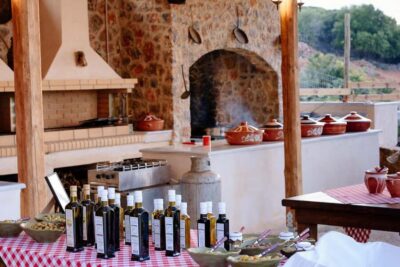
Knossos, Lasithi, Lasinthos and Olive Farm Combo Tour
Read our review →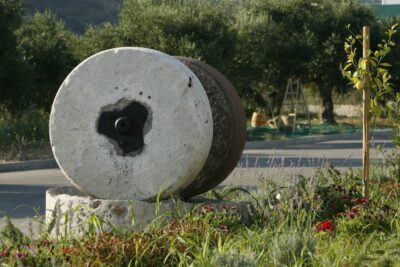
Full-Day Cretan Wines, Olive Oil, Raki and Food Tour
Read our review →Browse the lists this tour appears in