
Reviewed · FOOD & DRINK
Heraklion Food Stories Walking Tour with 8 local-favorite stops
Coffee, pastry, cheese, and wine make a fine map of Crete. The Heraklion Food Stories Walking Tour uses eight local stops to show you the city through its everyday food, from traditional Greek coffee and century-old bougatsa to market cheeses, olive oil, meat, and Cretan wine. I especially like the family-owned businesses and the way the tour supports local producers, and I like that your guide adds history and practical food advice instead of simply handing you samples. The main consideration is the $116.54 price, which is fair for the amount of food and a four-hour guided walk, but less attractive if you prefer to eat lightly or explore at your own pace.
You meet at 11 a.m. by the Unknown Soldier Statue on Liberty Square and finish at Heraklion’s Venetian Port. The tour is offered in English, with a maximum of 12 people, or as a private experience with hotel or cruise-port pickup. Guide Eva receives especially warm praise for her humor, kindness, and strong connection with local shopkeepers, so the quality of the day will depend partly on who leads your group.
In This Review
- Six things worth knowing before you book
- Starting at Liberty Square with Greek coffee
- Bougatsa at a bakery with a long family tradition
- Heraklion Central Market and the art of choosing cheese
- A proper seated meal near the Venetian Harbor
- Cretan wine, raki, and a local ending
- How the four-hour pace works
- Is $116.54 good value?
- Who should book this Heraklion food walk?
- Should you book it?
- FAQ
- Where does the Heraklion food tour start?
- Where does the tour end?
- Is hotel pickup included?
- How many people can join the tour?
- Can vegetarians or people with food allergies join?
- What happens if the weather is poor?
Six things worth knowing before you book
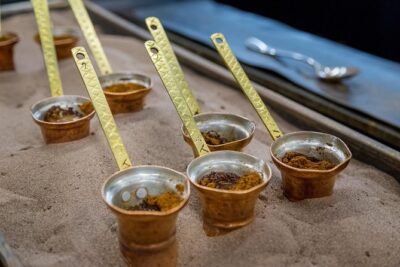
- Greek coffee starts the walk: You see ellinikós kafés prepared traditionally in sand and learn about the old practice of cup reading.
- A bakery dating to 1922 serves bougatsa: This is a chance to taste one of Heraklion’s signature pastries from a long-established family business.
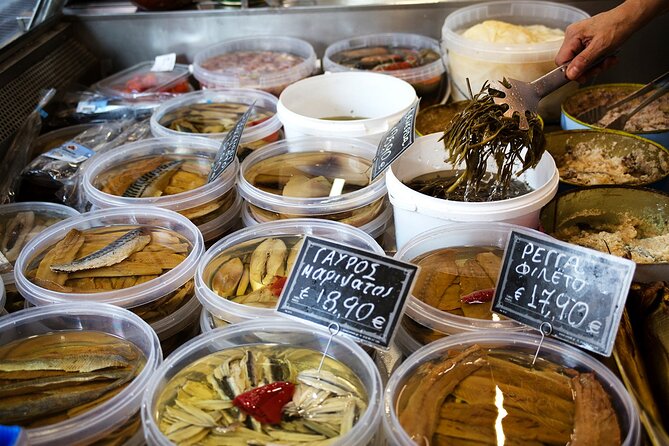
- The central market is the tour’s food classroom: You sample olives, rusks, cheese, and olive oil while learning how to judge local products.
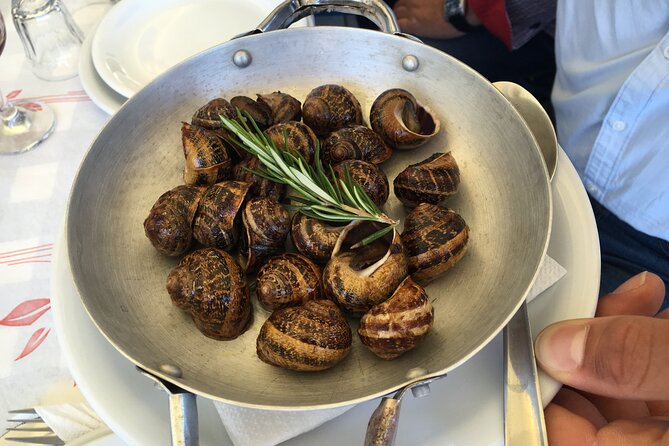
- Cretan food is more than salads: The seated meal includes organic local meat, with fried snails available for the adventurous.
- Wine and raki finish the route: A family-run shop introduces you to Cretan wines and spirits, with winemaking on the island reaching back to the Bronze Age.
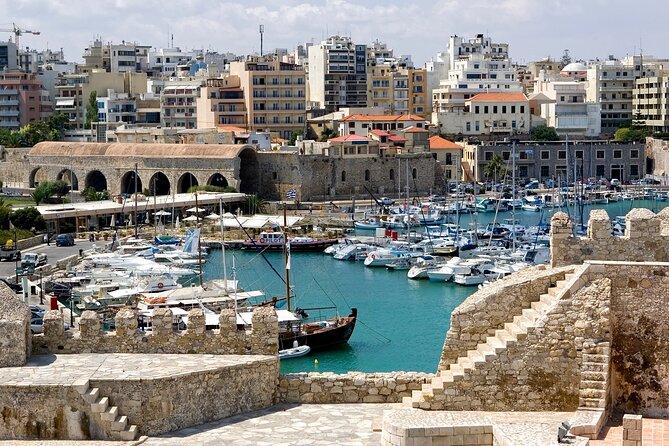
- The route ends at the Venetian Port: That makes the tour useful for getting oriented in central Heraklion, though you still need to walk between stops.
Starting at Liberty Square with Greek coffee
The tour begins at 11 a.m. at the Unknown Soldier Statue on Plateia Eleftherias, also called Liberty Square. This is a practical meeting point in central Heraklion, but the exact statue matters because the square has several landmarks and a first-time visitor could otherwise waste time looking around.
Your first stop is a traditional coffee. Greek coffee, or ellinikós kafés, is brewed slowly in a small pot, with the grounds left in the cup. The guide explains why coffee plays such a large role in Greek social life, then introduces cup reading, an old custom in which the shapes left by the grounds are interpreted as hints about the future.
I like this opening because it gives you a cultural habit, not just a drink. You are not rushing through a takeaway cup while walking to the next stop. You have time to sit, listen, and get a feel for how food and conversation fit together in Heraklion.
The coffee stop lasts about 30 minutes. If you do not like strong coffee or sediment in your cup, this is worth knowing in advance. The point is tradition and setting rather than a modern café-style drink.
One particularly unusual detail is the café’s connection with a former Turkish fountain, noted by one visitor as a memorable setting. The tour can also include a local herbal shop, another place where the emphasis is on everyday Cretan products rather than sights made only for sightseeing.
More Food Tours in Crete
- Crete: Sunset or Morning Quad with Local Products Tasting
★ 4.9 · 1,135 reviews - Crete: Quad Safari, Olive Mill with Tasting & Ghost Village
★ 4.9 · 1,004 reviews - From Chania: Olive Oil, Wine, Cheese & Honey Tasting Tour
★ 4.6 · 490 reviews
Bougatsa at a bakery with a long family tradition
Next comes bougatsa, a pastry made with layers of phyllo and a filling that may include semolina custard, cheese, or minced meat. In Heraklion, the familiar version is often associated with custard, but the tour introduces you to the wider range of fillings and to a family business that has been making bougatsa since 1922.
This is one of the stops where the tour’s local connections matter. You are not just being told that bougatsa is popular. You are tasting it in a bakery with a long working history in the city, and you can ask the guide how locals choose and eat it.
The stop takes about 30 minutes. I would avoid eating breakfast immediately before the tour. The food keeps coming, and the pastry is only the second major taste of the morning. The tour description says you will sample traditional Greek coffee with bougatsa, so the two stops may work as one relaxed breakfast-style portion.
Bougatsa can be rich, particularly when served with custard and pastry together. That is not a flaw, but it affects how you should plan the rest of the day. This is a food walk with real portions and several tastings, not a quick sampling of tiny bites.
Heraklion Central Market and the art of choosing cheese
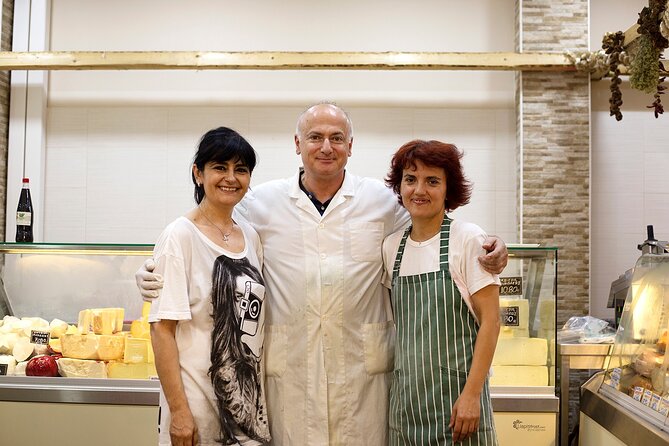
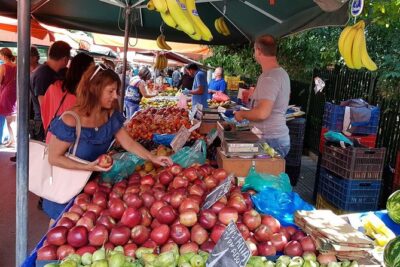
The central market is the heart of the walk. Here you meet local vendors and see the basic ingredients that shape Cretan cooking: olives, rusks, cheese, and olive oil. You may also encounter greengrocers, cheesemongers, butchers, fishmongers, and other family-run sellers who deal in products from Cretan villages and farms.
This is where the tour becomes useful beyond the afternoon itself. The guide teaches you how to taste cheese and offers local hints for spotting a good product. If you plan to buy food for a picnic, gifts, or your hotel room, that advice can save you from choosing by label alone.
Rusks are a key part of the Cretan table. They are firm, dry breads that are often softened with moisture and paired with ingredients such as tomato, cheese, or olive oil. Their long shelf life made them practical for island life, and they remain a common base for simple dishes.
The olive oil tasting also has a clear purpose. You learn why organic Cretan olive oil is prized and how its flavor fits into the local diet. Cretan cuisine is closely tied to the island’s geography, farming, and long use of olive trees, so this is a better place to discuss the subject than a generic restaurant table.
The market portion lasts about an hour, giving you enough time to ask questions. It can also be the busiest part of the route in terms of movement and sensory overload. If you like quiet, highly structured tours, you may find the market less relaxed than the coffee stop. If you want to understand how local food is bought and sold, it is likely the most valuable section.
A proper seated meal near the Venetian Harbor
The final major food stretch takes you toward Heraklion’s Old Venetian Harbor. Here you sit down for a local organic meat dish. This changes the rhythm of the tour. After coffee, pastry, market samples, and tastings, you get time to eat a more substantial dish rather than taking another bite while standing.
The menu can also include fried snails, a food loved by many Cretans. They are presented as an optional test of courage, so you do not need to choose them if they are not for you. The tour includes food for vegetarians, and the operator says most dietary needs can be handled unless you have several combined allergies or follow a vegan diet.
I appreciate the honest limit on vegan arrangements. A tour based on cheese, meat, pastry, and local products is not naturally vegan, and you should contact the provider before booking if you need a fully plant-based experience. Vegetarians are welcome, but you should still explain your needs at booking.
The meal is included, while additional food and drinks are not. That distinction matters. You receive the planned tastings and meal, but you will pay separately if you order more at a stop. You also pay your guide’s tip separately, if you feel the service deserves one.
The stated time for this part is about two hours, and it includes the move to the wine stop. That gives the second half a generous pace. You are not being hurried through a meal, though the exact time at each restaurant or shop may vary.
More Walking Tours in Crete
- Knossos: Knossos Palace Skip-the-Line Guided Walking Tour
★ 4.8 · 1,380 reviews - Walking “Food tasting tour” in the town of Chania
★ 5.0 · 297 reviews - Heraklion: Food Tastings Walking Tour
★ 5.0 · 136 reviews - PRIVATE Walking Tour with Lunch and Wine Tasting by a Sommelier
★ 5.0 · 113 reviews
Cretan wine, raki, and a local ending
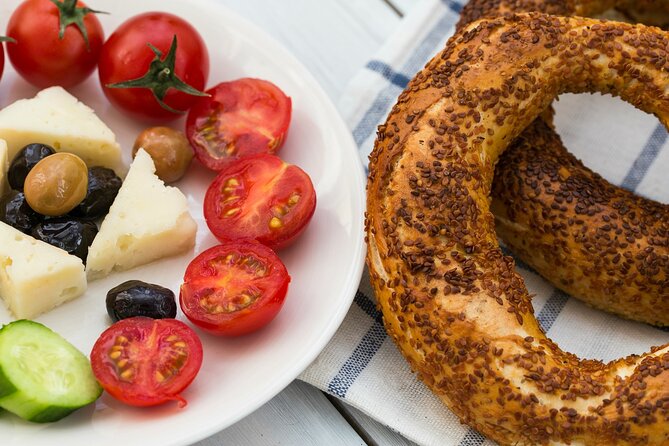
The tour closes at a family-run shop specializing in local Cretan wines and spirits. Cretan winemaking dates back to the Bronze Age, and the guide uses that long tradition to put the tasting in context. You may also taste raki, the strong spirit commonly associated with hospitality in Crete.
This final stop is a good reason to schedule the walk early in your stay. The guide can suggest other bars and eateries, along with places to visit after the tour. Since the route ends at the Venetian Port, you can continue exploring central Heraklion from there.
The wine tasting is not presented as a formal lesson for specialists. It is a chance to sample local bottles and learn why wine matters on the island. If you are not drinking alcohol, make that clear to the guide. The included experience specifically lists wine and spirits, while extra drinks cost more.
The family-run setting also matches the tour’s wider aim: directing your spending toward small local businesses, food producers, and a bakery that has served the city for about a century. You are eating, but you are also helping keep those businesses visible and active.
How the four-hour pace works
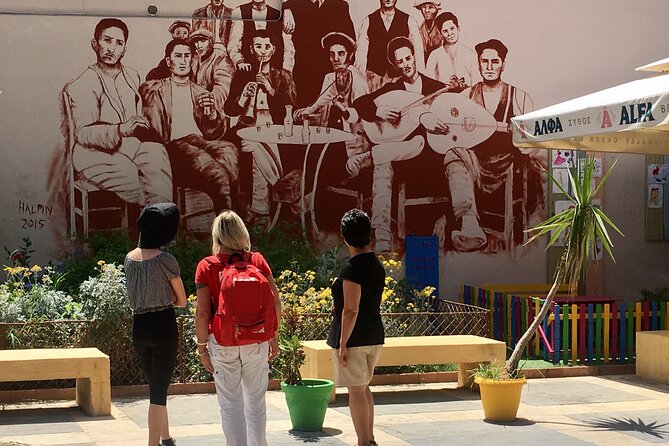
The full experience lasts about four hours. The route begins in central Heraklion and finishes by the harbor, combining food stops with stories about the city, Cretan culture, and local trade.
The walking itself is manageable for most people, but comfortable shoes are important. You will move through streets, markets, shops, and restaurant areas, and the tour is not designed for sitting in one place all afternoon.
A maximum of 12 people keeps the group small enough for questions and conversation. A private option is also available. For the private version, pickup and drop-off at your accommodation are included, and the guide meets you in the hotel lobby or at the cruise port with a sign bearing your name.
Small-group guests do not receive hotel pickup, so you need to reach Liberty Square on your own. The endpoint at the Venetian Port is convenient if you are spending the rest of the day near the waterfront, but it is not the same as being returned to your hotel.
The tour is dependent on good weather. If poor weather causes cancellation, you are offered another date or a full refund. Standard cancellation allows a full refund when you cancel at least 24 hours before the 11 a.m. start time.
Is $116.54 good value?
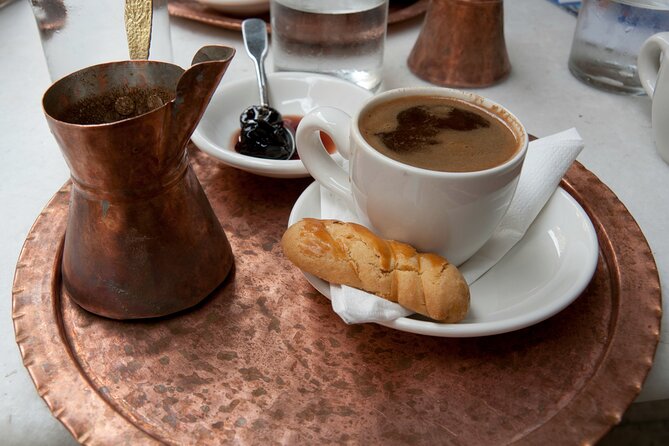
At $116.54 per person, this is not a cheap way to eat in Heraklion. You can buy coffee, pastry, market food, and a meal for less if you plan it yourself. The price pays for more than ingredients, though.
You are paying for eight stops, a four-hour route, an English-speaking local guide, organized tastings, a seated dish, wine and spirits, and access to small businesses you might not find on your own. You also receive advice on cheese, olive oil, restaurants, bars, and other things to do in the city.
I see the best value for someone who has limited time in Heraklion or wants a clear introduction to Cretan food without researching every stop. It is also useful on a first day because the guide can help you understand what to order later.
The value is weaker if you already know Heraklion well, prefer large meals at one restaurant, or do not drink coffee or alcohol. It may also feel expensive for children who eat only a little, although the family reviews describe the experience as enjoyable for a group that included two young adults.
Who should book this Heraklion food walk?
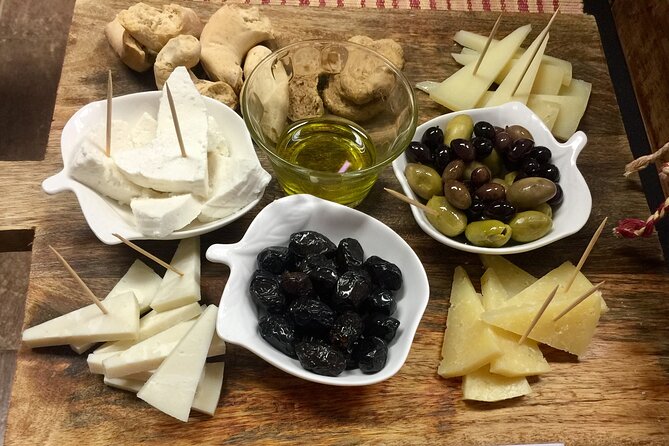
I would recommend it to first-time visitors who want food, local stories, and a gentle introduction to the city in one outing. Couples, families with older children, and solo visitors should find the small-group format easy to manage.
It suits curious eaters who want to try cheese, snails, raki, and regional wines. It also works for anyone who wants to support local shops and learn how Cretan ingredients are selected.
The strongest guide feedback centers on Eva. Her style is described as informative, kind, funny, and closely connected to the local community. That connection seems to shape the day: shopkeepers greet her, and you get a sense that the stops are part of real neighborhood life rather than random points on a food route.
I would think twice if you are vegan, have multiple serious food allergies, dislike walking, or want complete control over meal timing. Vegetarians are accommodated, but vegan arrangements are not assured. Churches may require modest clothing, so avoid very short shorts or skimpy tops if a religious site becomes part of the route.
Should you book it?
Book this tour if you want Heraklion explained through its food, with enough time to sit down, ask questions, and meet local sellers. The coffee ritual, 1922 bougatsa bakery, central market, organic olive oil, meat dish, and Cretan wine create a well-rounded introduction rather than a string of disconnected samples.
Skip it if you want a budget food crawl or prefer to discover every restaurant independently. For most first-time visitors, the price is justified by the range of included tastings, the small group, and the guide’s local contacts. Go hungry, wear good shoes, and reserve it near the start of your stay so you can use the advice for the rest of your time in Crete.
FAQ
Where does the Heraklion food tour start?
It starts at 11 a.m. at the Unknown Soldier Statue on Liberty Square, Plateia Eleftherias, in Heraklion.
Where does the tour end?
The walk ends at Heraklion Venetian Port, at I. Merineli 2.
Is hotel pickup included?
Pickup and drop-off are included for the private group option. Small-group participants do not receive hotel pickup. Private guests can meet the guide in their hotel lobby or at the cruise port.
How many people can join the tour?
The tour has a maximum of 12 travelers.
Can vegetarians or people with food allergies join?
Vegetarians are welcome. The operator says most food allergies can be handled, but multiple combined allergies and vegan diets may not be accommodated.
What happens if the weather is poor?
The tour requires good weather. If it is canceled because of poor conditions, you can choose another date or receive a full refund. You can also cancel for a full refund up to 24 hours before the start time.
Just added around Crete
- From Chania: Crete World War II History Tour★ 4.9 · 65 reviews
- Traditional Olive Grove and Dragon Fruit Farm Tour★ 4.8 · 118 reviews
- Quad Safari Off-Road Evening Tour★ 5.0 · 69 reviews
- Crete Shore Trip & Knossos Palace from Heraklion (Iraklion) Port★ 5.0 · 25 reviews
- Heraklion – Walking city tour with food tasting★ 4.5 · 25 reviews
- Troy Dinner-Show★ 5.0 · 103 reviews
- Knossos & Lasithi Plateau: Zeus Cave,Villages, Olive Oil Tour★ 5.0 · 328 reviews
- Heraklion : Spinalonga, Agios Nikolaos , Elounda Boat Tour & BBQ★ 3.5 · 32 reviews
Food & Drink, compared.

Small Group Greek Traditional Food Tour in Athens 20+ Tastings
Read our review →
Santorini Wine Stories: Sunset Tour with Tasting & Dinner
Read our review →
Food Market Visit and Cooking Class with Wine
Read our review →
Browse the lists this tour appears in