
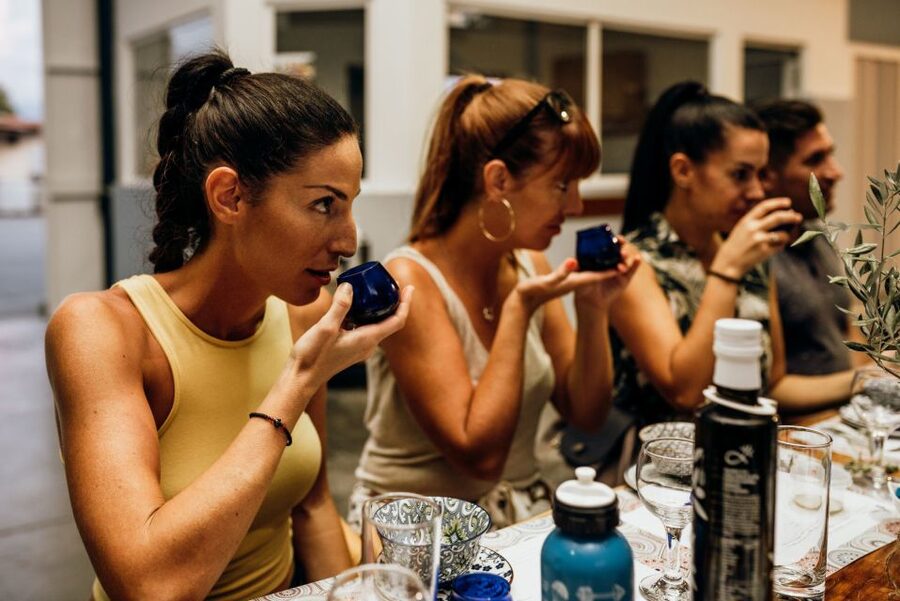
Reviewed · OLIVE OIL TASTINGS
Kalamata: The Olive Oil Routes Tour
Olive oil tastes better when you know its story. I like the way The Olive Oil Routes connects Messinia’s ancient trees with a working mill, and I especially like the serious tasting led by certified taster Dimitra. You do not just sip oil and nod politely. You learn how to smell, taste, compare, and pair it with food. The main drawback is the meeting point: you must arrange your own transport to Androusa, and the tour includes several outdoor walks, so hot-weather visitors need good shoes, a hat, and sunscreen.
The 3.5-hour experience costs $106 per person. That is not a bargain basement outing, but the price covers the guide, certified taster, entrance fees, olive oil, local food, taxes, and photos. Many tours offer a mill visit and a few samples. This one adds the family connection, the old village setting, the olive grove walks, and a full spread of local dishes.
In This Review
- Key points to know before booking
- Starting at Androusa Castle
- Walking among Messinia’s perennial olive trees
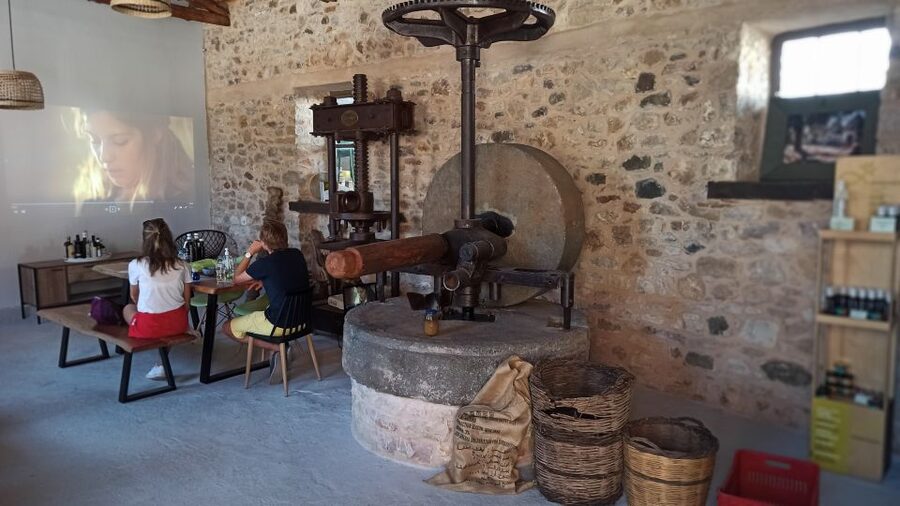
- Inside Androusa’s 120-year-old olive mill
- Learning to taste oil in blue glasses
- Pairing Greek oil with a full table of food
- The guides make the difference
- Is $106 a fair price?
- Who will enjoy this most?
- What to bring and how to plan
- Should you book The Olive Oil Routes?
- FAQ
- Where does The Olive Oil Routes Tour begin?
- How far is Androusa from Kalamata?
- How far is Androusa from Ancient Messene?
- How long does the tour last?
- What languages are available?
- Is hotel pickup included?
- Which olive oils do you taste?
- What food is included?
- What should you bring?
Key points to know before booking
- The tour begins at a 13th century castle: Meet outside the Castle of Androusa, about 20 minutes from Kalamata and 10 minutes from Ancient Messene.
- You visit a fifth generation olive oil family: The mill has operated in Androusa for more than 120 years.
- The tasting goes beyond ordinary dipping: Compare Koroneiki, Manaki, Xalkidikis, and Mavroelia oils in blue tasting glasses.
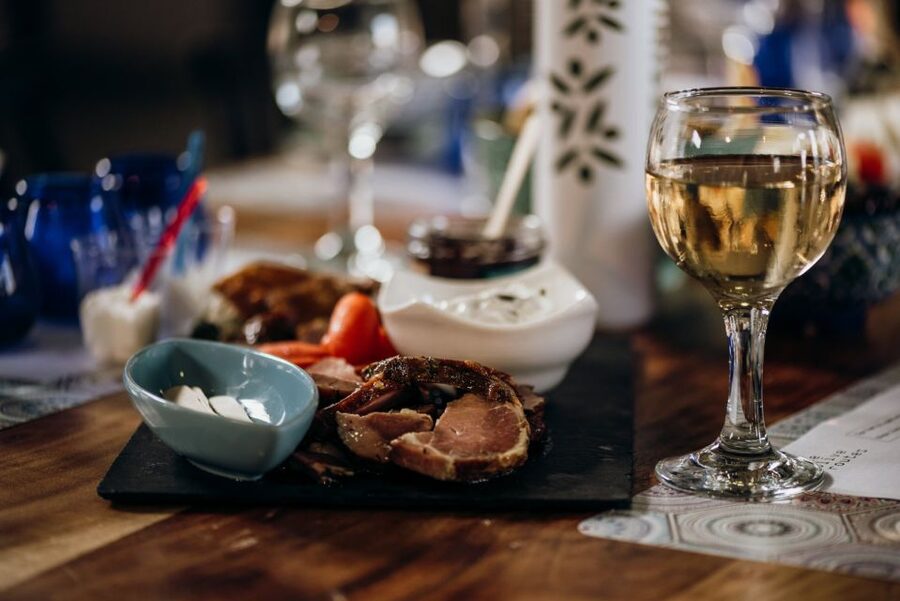
- Food is part of the lesson: Try oils with kalamata olives, olive paste, lalaggia, sfela, smoked ham, fruit, tzatziki, and small local dishes.
- The guides make the subject lively: Dimitra and Athanasia use questions, stories, and simple games to draw people into the experience.
- November can add harvest activity: During the olive harvest, you might see crews working and may be able to join in briefly.
Starting at Androusa Castle
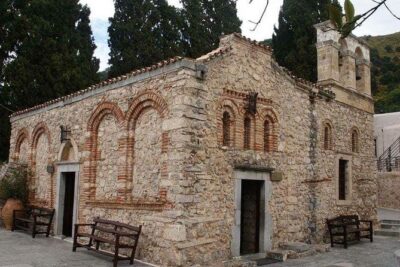
Your meeting point is outside the Castle of Androusa on the main road. This matters because the castle ruins are not just a convenient landmark. They set the tone for a tour that links olive farming with the long story of Messinia.
Androusa is about a 20-minute drive from Kalamata and roughly 10 minutes from Ancient Messene. You need to get there by car or taxi because hotel pickup and drop-off are not included. Check the exact meeting instructions carefully, since the castle is the stated meeting point even if a booking app shows a different location.
The opening walk takes you around olive groves near the castle. Your guide explains the old trees, local traditions, and stories tied to the area. This is a gentle start, but it does involve walking outdoors on uneven ground. Wear shoes made for paths rather than sandals meant only for the beach.
I like this first stop because it gives you a reason to look closely at the trees. The olive is not just a crop here. It is tied to family work, food, land, and Greek customs. The stories help turn a row of trees into something more personal.
More olive oil tastings around Greece:
- Knossos-Zeus Cave -Old Traditional Villages-Olive Oil Factory
★ 5.0 · 694 reviews - The Governor’s Olive Mill Tour with Olive Oil Tasting
★ 5.0 · 502 reviews - From Chania: Olive Oil, Wine, Cheese & Honey Tasting Tour
★ 4.6 · 490 reviews
Walking among Messinia’s perennial olive trees
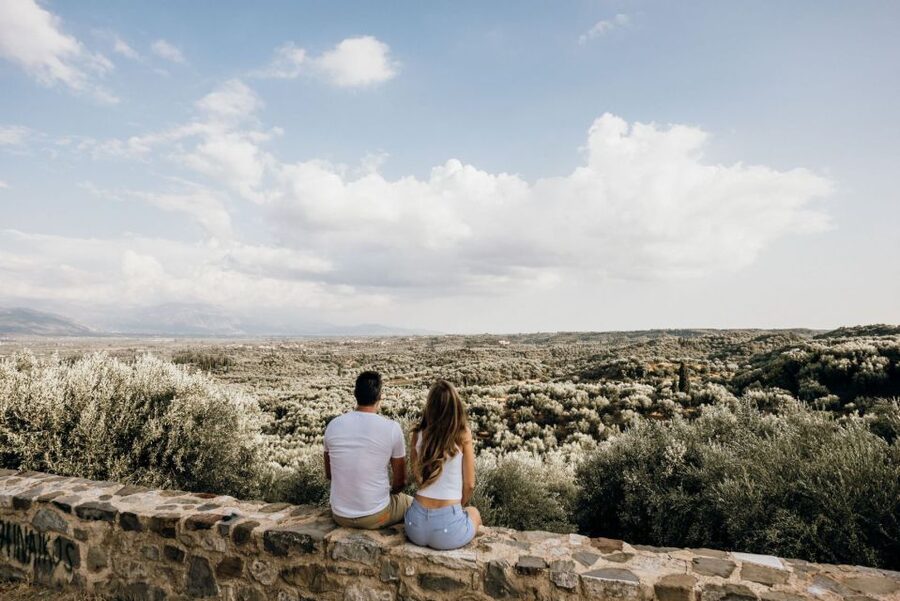
The olive grove visit is the heart of the outdoor portion. You walk among perennial trees and learn about the varieties grown in the area. The guide also points out how the stems record the passage of time through their shape and growth.
The tour places special attention on Koroneiki, the variety most closely associated with Greek extra virgin olive oil in this experience. You also hear about Manaki, Xalkidikis, and Mavroelia, which gives you a useful comparison rather than a one-note lesson about Kalamata olives.
That distinction matters. Kalamata is famous for its table olives, but table olives and olive oil are not the same product, and different olive varieties produce different flavors. The tour helps you separate those ideas. You learn that the olive on a plate, the oil in a blue tasting glass, and the olive paste at lunch each have their own place.
The setting also changes with the season. A November visit may coincide with harvest, when you might see workers gathering olives and take part for a short time. Harvest season can make the process easier to understand because you see the crop at the point where the work begins. At other times, the grove offers a quieter look at the trees and farming tradition.
Bring a sun hat and sunscreen in warm months. The tour is only 3.5 hours, but a sunny walk through open groves can feel intense in the middle of the day.
Inside Androusa’s 120-year-old olive mill

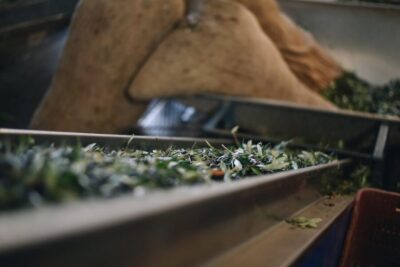
In central Androusa, you visit an olive press and mill that has been operating for more than 120 years. The fifth generation owner explains how olives become extra virgin olive oil, then walks you through extraction, storage, and standardization.
This is where the tour earns much of its practical value. A bottle labeled extra virgin can feel like a vague promise in a shop. At the mill, you learn what happens before the oil reaches the bottle and why careful storage matters.
The family connection gives the visit a human scale. You are not looking at an industrial process from behind a barrier. You are hearing how olive production has passed through generations and how the family’s land and mill remain part of daily life.
The mill also helps explain the difference between producing oil and making table olives. You can ask questions about the different varieties and see how the same broad crop supports several foods. The guide draws people into the discussion by using names and questions, which helps keep the visit from turning into a dry technical talk.
One practical point: the experience is described as a small group tour, but the number of people is not specified. Some visitors have found themselves joining a larger group at the mill and food portion. If you are hoping for a private family visit, this may not feel intimate at every stage. Still, the route through the grove, mill, and tasting table gives the outing a clear shape.
Learning to taste oil in blue glasses
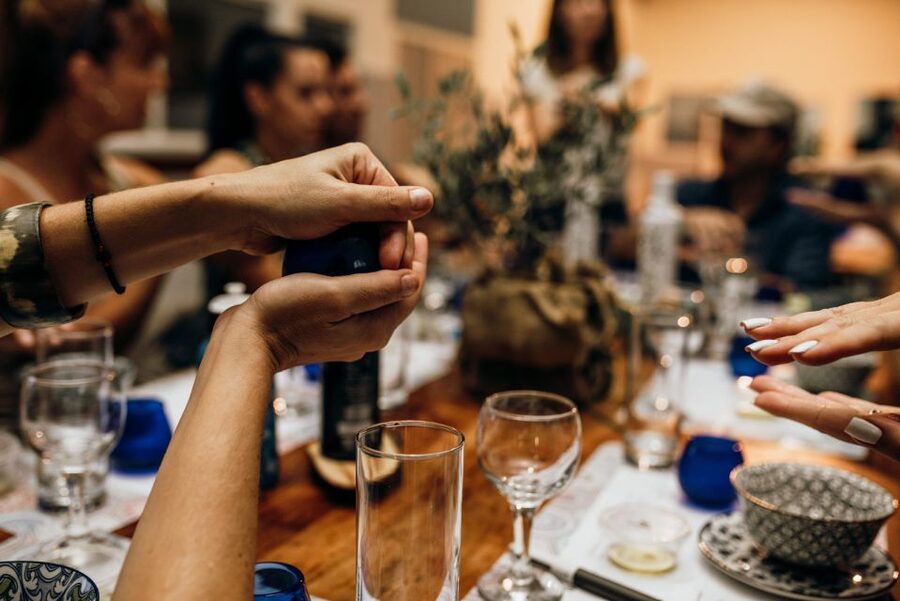
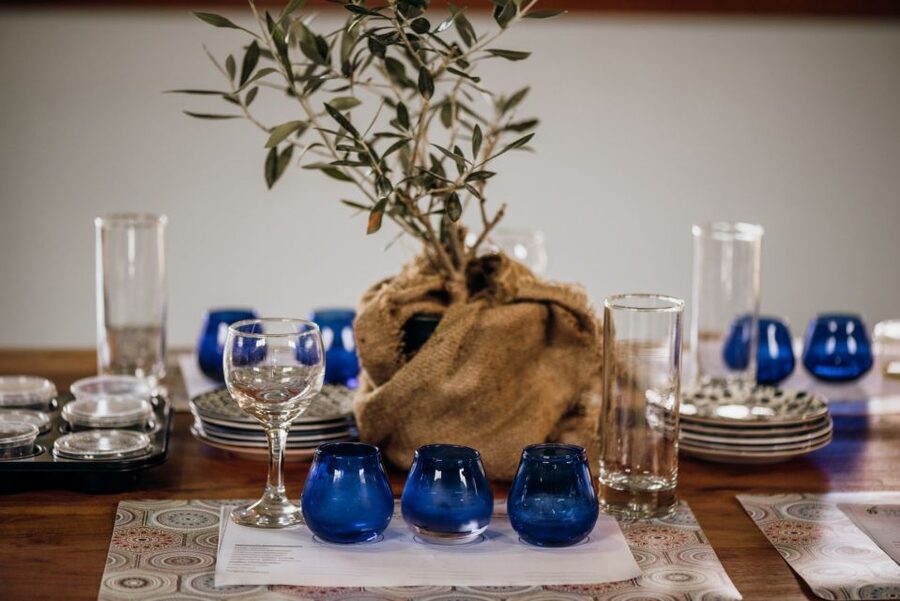
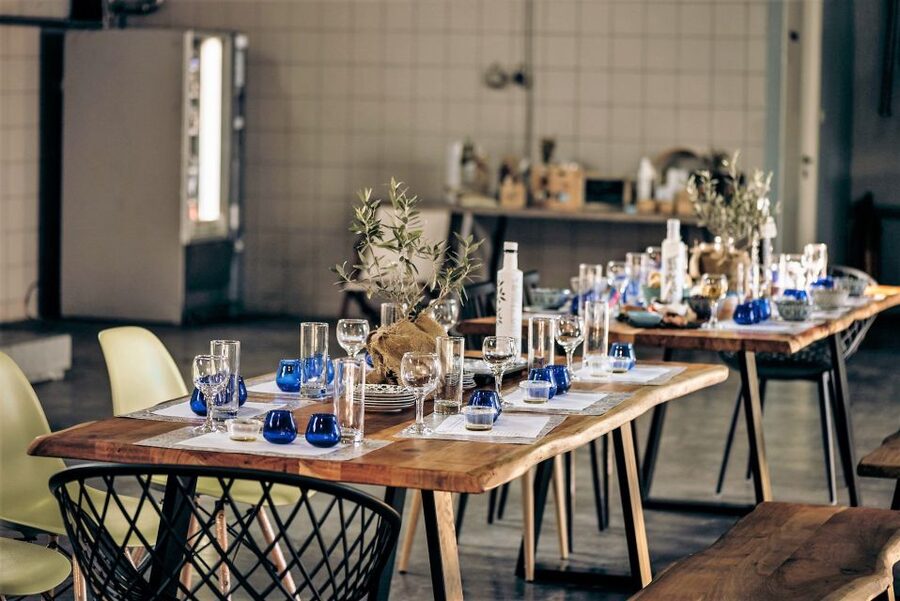
The tasting session is more serious than the usual bread-and-oil sample. You sit at a table with blue olive oil tasting glasses and try extra virgin oils made from different Greek varieties.
The blue glass is used to keep the oil’s color from influencing your judgment. That lets you focus on aroma and flavor. Dimitra, who leads the tasting as a certified olive oil taster, explains the qualities that define extra virgin oil and the sensory details you should notice.
You learn to look for the elements that make an oil fresh and sound, while also recognizing unpleasant traits that can signal problems. The goal is not to turn you into a professional taster in one afternoon. It is to give you enough confidence to pay attention the next time you buy a bottle.
Koroneiki is part of the tasting, along with Manaki, Xalkidikis, and Mavroelia. Comparing them side by side is the useful part. A single oil can seem simply peppery or fruity. Several oils together show you how much the variety changes the experience.
Dimitra’s teaching style is warm and active. She uses questions and small games to involve the group, including children and teenagers. One family with a four-year-old found the tour workable, and another family with teenagers appreciated the interactive approach. You should still expect an educational outing, not a free-form food crawl.
A few more Greece half-days to weigh up
- Sea Kayak in Kardamili
★ 5.0 · 438 reviews - Sea Kayaking in Navarino Bay
★ 5.0 · 210 reviews - Rock Climbing at Kardamili- West Mani
★ 5.0 · 192 reviews - Kardamyli: Sea Kayaking With Lunch
★ 4.9 · 69 reviews
Pairing Greek oil with a full table of food
The tasting becomes much more memorable when the oils meet food. You try them with at least four different plates and create your own combinations.
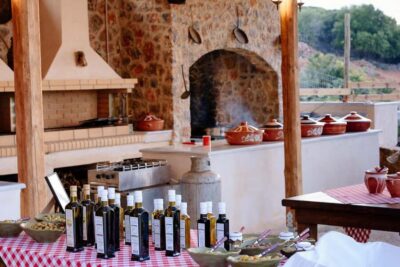
The food can include fruit, gourmet small dishes, tzatziki, kalamata olives, olive paste, lalaggia, sfela, smoked ham called pasto, and local cheeses. The exact meal can vary, but the point remains the same: you see how an oil changes when paired with salty cheese, smoky meat, creamy tzatziki, or a simple olive-based dish.
Lalaggia is a local fried dough specialty, and sfela is a regional cheese. Pasto adds a smoky, savory note. These are not generic tasting-room snacks. They give you a direct connection to Messinian cooking and show why olive oil is used as a main flavor, not only as a cooking ingredient.
Several people have described the food as a proper and filling meal rather than a light snack. Some experiences include lunch at a local tavern, with local wine and food prepared in a traditional style. If you are expecting only a few bites before heading back to Kalamata, plan for a more generous finish.
Food allergies and dietary needs should be raised in advance. One gluten-free visitor was accommodated, but the available details do not promise that every request can be handled. Ask before booking if your diet is strict.
The guides make the difference
The strongest part of this outing is the people leading it. Dimitra combines certified tasting skills with a family connection to the orchard and mill. Athanasia has also been praised for her warmth and strong sense of connection between olive oil, family, land, and Greek life.
The guiding style is personal without being stiff. You are asked questions, brought into the conversation, and encouraged to compare your impressions. That works well for first-time visitors who know little about olive oil, but it can also suit regular Greece visitors who want a more focused look at farming and food.
One visitor initially felt the games seemed a little basic. As the tour continued, the activities made it easier for the group to relax and helped everyone take in the material. That is a useful warning for serious food lovers: the tone is friendly and participatory, not formal or academic.
The guides also share family stories and local history. That makes the olive oil feel connected to real people rather than a packaged souvenir. You leave with a better sense of why olive farming matters in Messinia and why families have protected these trees for generations.
Is $106 a fair price?
At $106, this is best judged as a half-day food and culture experience, not as a simple farm entry. The price includes entrance fees, two types of tasting, a local tour leader, a certified olive oil taster, taxes, and tour photos. In some cases, the meal is substantial enough to replace lunch.
The value is strongest if you care about food, local traditions, or learning how products are made. You get three different settings: the castle and groves, the working mill, and the tasting table or old mill setting. Each adds something different.
The value is weaker if you only want to see olive trees or buy a bottle of oil. You can do that more cheaply elsewhere. This experience charges for the explanation, the comparison of varieties, the family story, and the carefully planned food pairing.
There is also no included hotel transport. Add the cost and effort of reaching Androusa by car or taxi. For anyone staying in Kalamata without a vehicle, that is the main practical issue to solve.
Who will enjoy this most?
I would choose this tour if you want a clear connection between Greek food and Greek daily life. It suits couples, families, food lovers, and anyone curious about how extra virgin olive oil is made.
Children can take part because the guides use questions and games, though the subject still requires some attention. Older visitors may appreciate the gentle pace and seated tasting, but comfortable shoes remain important for the grove walks.
It is also a good match for a visit to Ancient Messene. Androusa is only about 10 minutes away, so the tour can fit neatly with a day focused on the archaeological site. You need to plan your own timing and transport, but the locations are close.
You may want to skip it if you dislike tastings, group discussion, or food-centered activities. It is not a quick photo stop. The best parts depend on listening, smelling, tasting, and asking questions.
What to bring and how to plan
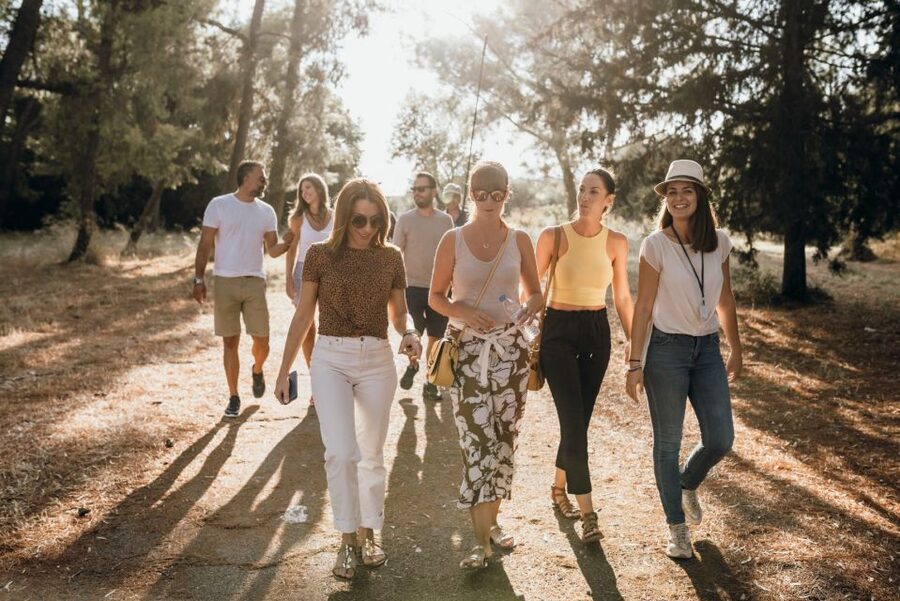
Wear comfortable shoes for the olive paths and castle area. Bring a hat and sunscreen, especially in summer.
The tour is offered in Greek and English. It lasts 3.5 hours, with starting times subject to availability. Free cancellation is available up to 24 hours before the experience, and you can reserve now and pay later, which helps if your Kalamata plans are still shifting.
If you want to take oil home, ask Dimitra about shipping options. One visitor arranged to send bottles back to New York, though shipping is not listed as an included service.
Should you book The Olive Oil Routes?
Yes, if you want more than a standard sightseeing stop. The combination of old olive trees, a fifth generation mill, expert tasting, and a generous local meal gives you a real sense of Messinia’s food culture.
I would book it early if you have limited time around Kalamata, then arrange your taxi or driving route to Androusa. Allow extra room in your day if you are pairing it with Ancient Messene.
Skip it only if the price feels high for a food tour or if you want a short, highly polished tasting with no walking. For everyone else, this is one of the better ways to understand why olive oil is not simply an ingredient in Greece. It is work, family, place, and pleasure in one small glass.
FAQ
Where does The Olive Oil Routes Tour begin?
Meet your guide outside the Castle of Androusa, on the main road. The castle is the stated meeting point.
How far is Androusa from Kalamata?
The meeting point is about a 20-minute drive from Kalamata.
How far is Androusa from Ancient Messene?
The meeting point is about 10 minutes from Ancient Messene by car.
How long does the tour last?
The tour lasts 3.5 hours.
What languages are available?
The tour is offered in Greek and English.
Is hotel pickup included?
No. Hotel pickup and drop-off are not included. You must reach Androusa by car or taxi.
Which olive oils do you taste?
The tasting includes Koroneiki, Manaki, Xalkidikis, and Mavroelia extra virgin olive oils.
What food is included?
Food tastings can include fruit, small local dishes, tzatziki, kalamata olives, olive paste, lalaggia, sfela, smoked ham called pasto, and local cheeses.
What should you bring?
Bring comfortable shoes, a sun hat, and sunscreen.
Just added around Greece
- Delphi One Day Trip from Athens★ 4.0 · 98 reviews
- Mercedes Private Tour to Delphi and Arachova★ 5.0 · 30 reviews
- Private Delphi and Hosios Loukas Monastery – Great Lunch and Drinks Included★ 5.0 · 36 reviews
- Day tour to Ancient Olympia,Ancient Sparta Mycenae Including Meal★ 5.0 · 54 reviews
- Athens: Half Day Trip To Cape Sounio/Poseidon Temple Semi Private★ 5.0 · 131 reviews
- Athens Half-Day Private Tour Acropolis, Parthenon City Highlights★ 5.0 · 35 reviews
- From Athens: Day Tour to Mykonos★ 5.0 · 64 reviews
- Culinary Secrets of Downtown Athens★ 5.0 · 103 reviews
Olive Oil Tastings, compared.
Knossos-Zeus Cave -Old Traditional Villages-Olive Oil Factory
Read our review →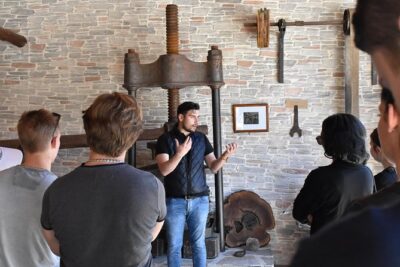
The Governor’s Olive Mill Tour with Olive Oil Tasting
Read our review →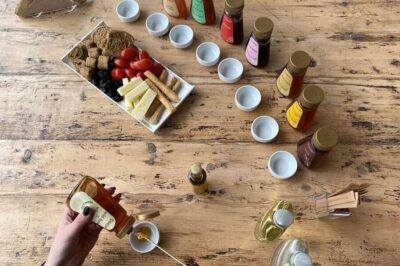
Olive Farm Tour with Tasting of Local Delicacies
Read our review →
Zeus Cave, Lassithi Plateau, Olive Oil Factory, Kritza, Pottery
Read our review →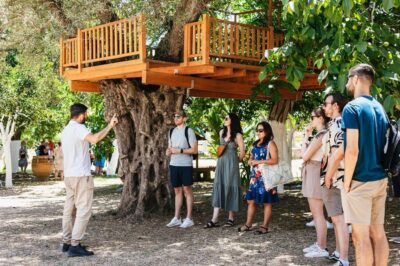
Knossos, Lasithi, Lasinthos and Olive Farm Combo Tour
Read our review →
Browse the lists this tour appears in