Reviewed · CRETE TOURS
Koumoulia Ceramics / Ceramics courses
Make something with your hands in Crete. This small pottery course offers a welcome break from sightseeing, with a quick workshop tour followed by guided practice on the wheel and by hand. I like the maximum group size of five, which should allow useful attention, and I like that you can explore more than one ceramic technique in a single two-hour session.
The main catch is the finished piece. Your work needs several days to dry, and a second firing costs extra. If you are flying home soon, or shipping to the United States, this can turn a pleasant class into a costly arrangement. Check the firing and delivery plan before booking.
In This Review
- Key points to know before you book
- What this Crete pottery class is really like
- The workshop introduction and the clay process
- Hand-building or the pottery wheel?
- Why your pottery cannot come home that day
- The price and the value of a two-hour class
- The unusual route information: Rouvas Gorge and Knossos
- Who will enjoy this most?
- Should you book Koumoulia Ceramics?
- FAQ
- How long does the pottery class last?
- Where does the experience begin?
- What pottery techniques can I try?
- When can I collect the pottery I make?
- Does the price include glazing and the second firing?
- Can my finished pottery be shipped?
- How many people can join the class?
Key points to know before you book
- Small class size: A maximum of five people should make the instruction more personal than a large craft workshop.
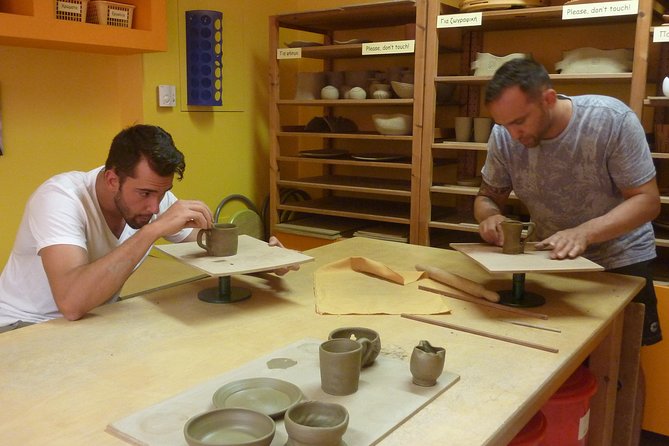
- Two ways to create: You can work by hand or try the pottery wheel, with guidance on the techniques.
- The clay process is explained: You begin with a short tour showing how clay changes from a raw mass into a useful object.
- Your piece takes time: Drying usually takes three to four days, depending on your object and the weather.
- A second firing costs extra: Glazing in your chosen color requires another firing, with two more days of waiting.
- The workshop details need checking: Rouvas Gorge and the Palace of Knossos are named in the supplied route information, but the pottery description does not explain how they fit into a two-hour class.
What this Crete pottery class is really like
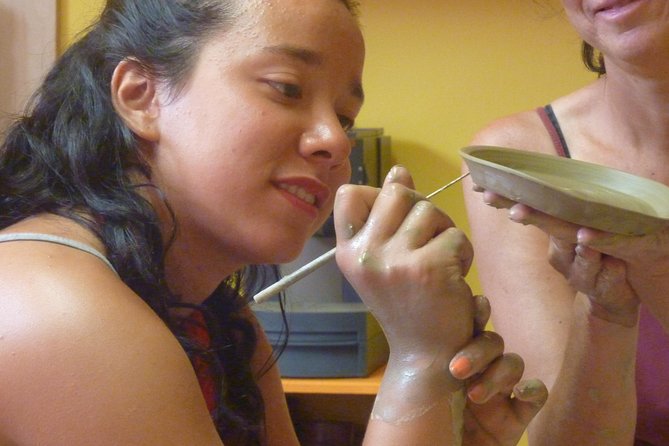
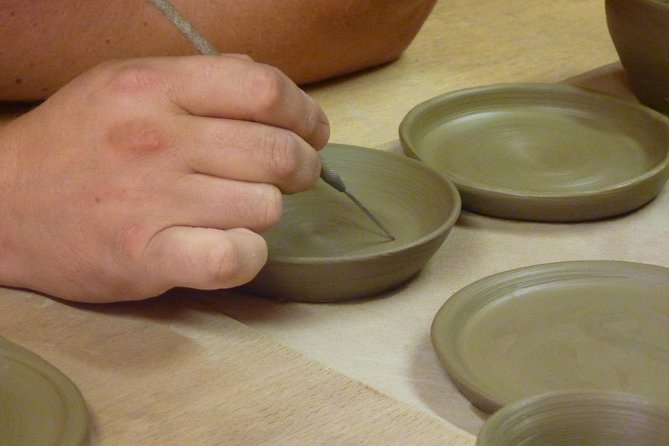
This is a hands-on craft session rather than a sightseeing tour with a brief pottery demonstration. The class begins with a short look around the workshop, followed by an explanation of the stages clay passes through before becoming a usable object.
That opening matters. Pottery can look simple until you try to control wet clay, shape it, and keep it from collapsing. Seeing the work area and learning how the material changes gives you a clearer idea of what you are attempting. I would value this introduction, especially if you have never touched a pottery wheel.
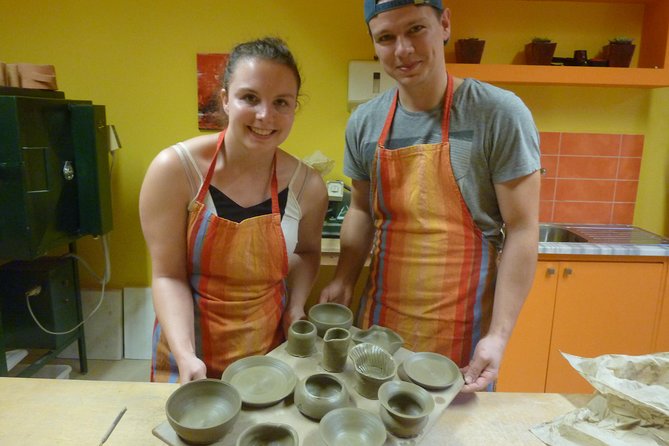
The course then moves into making your own objects. You can use hand-building methods or work on the wheel. The information provided does not promise a particular finished object, so you should expect the result to depend on your chosen technique, your comfort with the clay, and the time available.
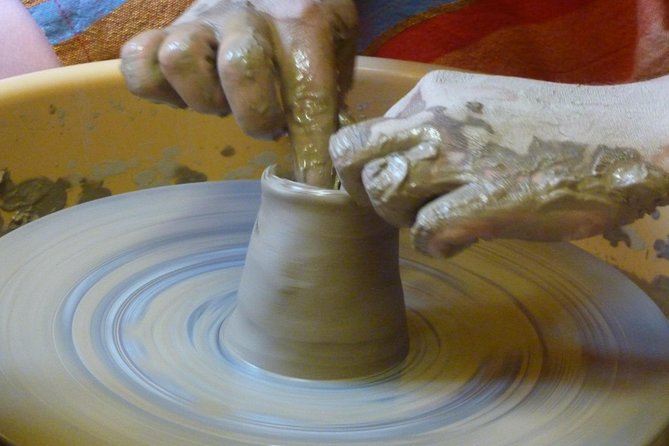
The strongest point here is the chance to try more than one approach. Hand-building lets you form clay directly and gives you more control over the basic shape. The wheel offers the classic pottery experience, though it usually takes patience to keep the clay centered and upright. Having both options makes the class suitable for beginners with different interests.
The session lasts about two hours and starts at 3:00 pm. That afternoon timing can work well after a morning of exploring Crete, though you should allow enough time to find the unnamed road meeting point. One person found getting there difficult, and the provider replied that detailed directions had been supplied. That tells me you should not leave navigation until the last minute.
A few more Crete half-days to weigh up
- From Kissamos Port: Boat Cruise to Balos Lagoon & Gramvousa
★ 4.2 · 6,755 reviews - Crete: Day Trip to Agios Nikolaos and Spinalonga Island
★ 4.6 · 4,416 reviews - From Chania: Full-Day Samaria Gorge Trek Excursion & Guide
★ 4.6 · 3,191 reviews
The workshop introduction and the clay process
The opening tour is brief, but it gives the class useful context. You are shown the stages clay passes through, from an amorphous mass to a practical object. The course description does not list every stage in technical detail, so I would treat this as a working introduction rather than a full ceramics lecture.
Still, this is one of the better features of the experience. Many craft classes rush straight to the activity. Here, you get at least some understanding of what happens before and after your own work. That helps you see why a piece cannot simply be made and taken home at the end of the afternoon.
The instructor then demonstrates the available methods. The supplied feedback praises the range of techniques and the friendly support during practice. One German-language comment describes an interesting afternoon in a beautiful setting, with different techniques to learn and try. That is a useful signal for anyone who wants a relaxed introduction rather than a formal, advanced course.
The teaching seems aimed at participation. You will not simply watch a potter work. You will make your own object, with help as you try the methods. Since the group is limited to five people, I would expect a better chance to ask for help than in a packed class. The provider lists English as the language offered.
Hand-building or the pottery wheel?
Your choice of technique will shape the feel of the class.
Hand-building is likely the gentler starting point if you want to make a simple form without managing a spinning wheel. It can also suit people who enjoy a slower, more direct connection with the clay. You use your hands to shape the material, so small irregularities become part of the result.
The wheel is more demanding. It is also the option many people picture when they think of pottery. You may need several attempts before the clay behaves as you want. That is not a fault in the class. It is simply part of learning a physical skill in a short session.
I like that the course does not force everyone into one method. If you are nervous about the wheel, you can ask about hand-building. If you have always wanted to try throwing clay, you can give it a go with instruction. The details do not say how long each person spends on each technique, so it is sensible to ask at the start if you want to try both.
The best attitude is to treat the object as a record of the afternoon, not as a perfect souvenir. A first pot may be uneven. That can be part of its charm, but you should not book this expecting professional-level results in two hours.
Why your pottery cannot come home that day
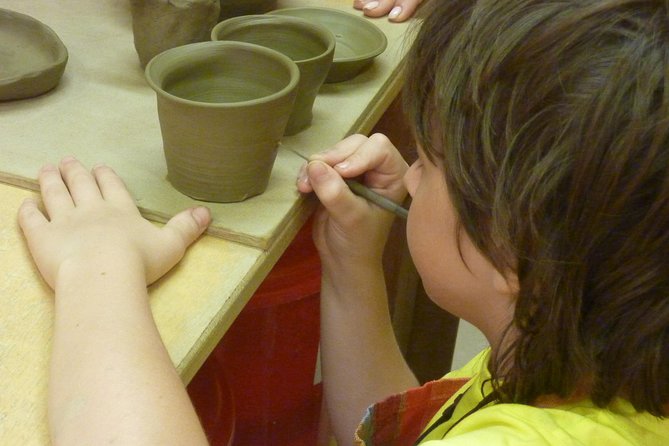
The most important practical detail is the waiting period. Your creations need three to four days to dry, depending on the object and the weather. Only after drying can the work move to the next stage.
You can then collect the piece from the workshop. If you want color, you can have it glazed in the shade you choose, but that requires another firing. The second firing takes about two more days and is not included in the price.
This changes the value calculation. The listed cost is $96.11 per person, but that covers the class rather than every possible step afterward. If you are staying in Crete for at least a week and can return to the workshop, collecting the finished item may be straightforward. If you are leaving the area the next morning, pickup becomes difficult.
You can also arrange delivery to an address of your choice at your own expense. Overseas shipping can be fairly expensive, especially outside the European Union. One customer chose not to have the pieces fired because shipping to the United States was too costly and felt the class produced nothing usable. The provider responded that firing and shipping were available if the customer paid those costs.
That exchange highlights a point you should settle before the class: ask what you want done with the piece, when it will be ready, and what the estimated cost will be. If you do not want to pay for a second firing or international shipping, you may leave with no finished ceramic object. The class itself still provides the activity and instruction, but the physical souvenir may not make it home.
Same stretch of coastline, a completely different day out:
- Agios Nikolaos: Boat Trip to Spinalonga with Swim Stop
★ 4.4 · 3,031 reviews - Heraklion: Dia Island Sailboat Cruise with Swimming and Meal
★ 4.8 · 2,579 reviews - Crete: Knossos Palace Entry Ticket with Optional Audio Guide
★ 3.9 · 2,251 reviews - Heraklion Area: CRETAquarium Admission Ticket
★ 4.4 · 2,055 reviews
The price and the value of a two-hour class
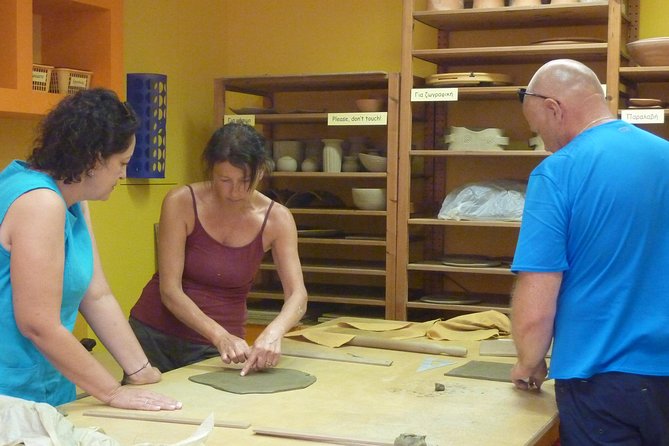
At $96.11 per person, this is not a cheap drop-in craft activity. The price makes more sense if you value personal instruction, a very small group, and the chance to make something rather than simply watch a demonstration.
The maximum of five is important here. A small group can justify a higher price because the instructor has fewer people to manage. You should have a better chance of receiving help with the wheel, shaping, or technique. The feedback is strongest on the fun and instructional side. One highly positive comment calls the lesson great fun and recommends it for people who want to learn about pottery.
The value is weaker if your main goal is a usable souvenir at no extra cost. The firing schedule adds time, and the second firing is separate. Shipping may cost more than expected. If you are comparing this with a standard museum visit or a short demonstration, the price will feel high. If you see it as a creative workshop in a group of no more than five, it becomes easier to defend.
I would book it for the experience first and the object second. That keeps your expectations realistic and protects you from disappointment if the piece needs extra work or cannot be shipped affordably.
The unusual route information: Rouvas Gorge and Knossos
The supplied route details name Rouvas Gorge near Agios Nikolaos and the Palace of Knossos as stops. That does not match the main pottery description, which focuses on a workshop session lasting about two hours and ending back at the meeting point.
No clear information explains whether these are nearby reference points, mistaken itinerary entries, or parts of a wider activity. You should not assume that a pottery class includes visits to both sites. Rouvas Gorge is a nature destination, while Knossos is a major archaeological site. Visiting either properly would require a very different schedule from a short afternoon ceramics class.
Treat the pottery workshop and those named stops as separate until the provider confirms otherwise. If you are booking because you want Knossos or Rouvas Gorge, contact Koumoulia first. If your goal is pottery, confirm that the start point at the unnamed road in Iraklio 700 13 is correct.
This is more than a minor wording issue. Confusion about the meeting point already caused trouble for one participant. A quick check before the day of the class can save you a long, frustrating search.
Who will enjoy this most?
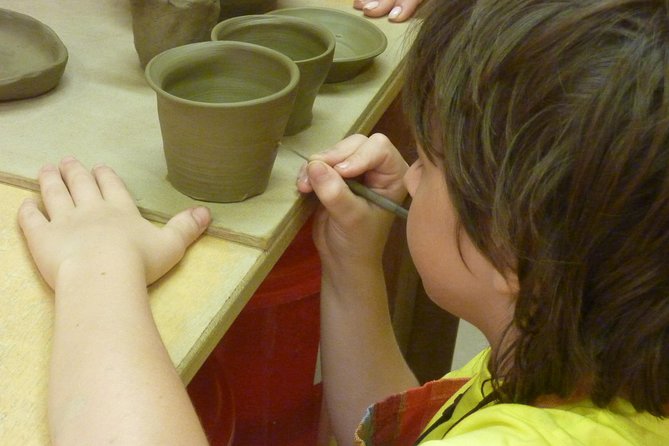
I would recommend the class to you if you enjoy learning by doing and do not need a polished souvenir immediately. It suits couples, friends, and families who want a quiet creative activity in Crete. The small group is also helpful if you prefer direct support and do not enjoy crowded classes.
It should work well for beginners because the instructor introduces the workshop, explains the clay process, and demonstrates several techniques. You do not need to arrive as a trained potter. The positive feedback focuses on fun, learning, friendly assistance, and the chance to try different methods.
You may want to skip it if your schedule is tight. The class itself is two hours, but the finished pottery needs three to four days to dry, with another two days if you choose glazing and a second firing. Add pickup or shipping, and the project can occupy much more time than the class clock suggests.
It is also a poor fit if you want a guaranteed object to carry onto your flight that afternoon. The pieces are not ready at the end, and overseas delivery can be expensive. Ask about all costs before you commit.
The activity is listed for most people to join, with confirmation at booking. It is offered in English and uses a mobile ticket. The experience is non-refundable and cannot be changed for any reason, so make sure the time, meeting point, and post-class plan work before you pay.
Should you book Koumoulia Ceramics?
Book this if you want a small, friendly, hands-on pottery lesson and you can accept that the finished piece takes time and may cost extra to fire or ship. The class earns its price through personal attention, two different ceramic methods, and a genuine chance to make something yourself.
I would be cautious if you are leaving Crete soon, traveling overseas, or expecting the $96.11 fee to include a finished, glazed souvenir. Confirm the route details and ask about firing and delivery before booking. For a creative afternoon with realistic expectations, this looks like a worthwhile choice. For a quick take-home memento, it may not be.
FAQ
How long does the pottery class last?
The class lasts approximately two hours and starts at 3:00 pm.
Where does the experience begin?
It begins at the meeting point on Unnamed Road, Iraklio 700 13, Greece, and ends back at the meeting point.
What pottery techniques can I try?
You can create objects by hand or use the pottery wheel. The instructor demonstrates the available techniques during the session.
When can I collect the pottery I make?
Your pieces generally need three to four days to dry, depending on the object and the weather. After that, you can collect them from the workshop.
Does the price include glazing and the second firing?
No. You can choose to glaze your piece in a color you like, but the second firing is not included in the price and takes about two additional days.
Can my finished pottery be shipped?
Yes. The workshop can send the finished item to an address you choose, but you must pay the shipping cost. Overseas shipping can be fairly expensive.
How many people can join the class?
The activity has a maximum of five participants. It is offered in English, and most people can participate.
Just added around Crete
- From Chania: Crete World War II History Tour★ 4.9 · 65 reviews
- Traditional Olive Grove and Dragon Fruit Farm Tour★ 4.8 · 118 reviews
- Quad Safari Off-Road Evening Tour★ 5.0 · 69 reviews
- Crete Shore Trip & Knossos Palace from Heraklion (Iraklion) Port★ 5.0 · 25 reviews
- Heraklion – Walking city tour with food tasting★ 4.5 · 25 reviews
- Troy Dinner-Show★ 5.0 · 103 reviews
- Knossos & Lasithi Plateau: Zeus Cave,Villages, Olive Oil Tour★ 5.0 · 328 reviews
- Heraklion : Spinalonga, Agios Nikolaos , Elounda Boat Tour & BBQ★ 3.5 · 32 reviews
Crete Tours, compared.
From Kissamos Port: Boat Cruise to Balos Lagoon & Gramvousa
Read our review →
Day Trip to Agios Nikolaos and Spinalonga Island
Read our review →
Full-Day Samaria Gorge Trek Excursion & Guide
Read our review →
Dia Island Sailboat Cruise with Swimming and Meal
Read our review →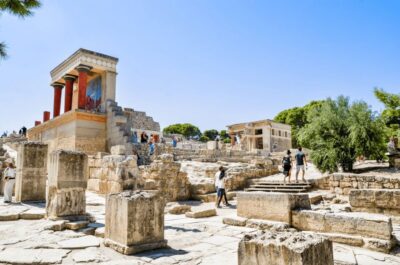
Knossos Palace Entry Ticket with Optional Audio Guide
Read our review →