
Reviewed · OLIVE OIL TASTINGS
North Corfu: Olive Tour with Olive Oil Tasting and Mezze
Olive oil tells Corfu’s story. This three-hour private tour takes you through working olive groves, past a traditional press from the early 1900s, and into a tasting of local oil with a generous Corfiot mezze. I especially like the personal feel created by guides Jonathan and Chrysa, and the way the tour connects food with the island’s past. The main drawback is location: Loutses is about 45 minutes from Corfu Town and the port, so you need to arrange your own transport.
This is a strong choice if you want an experience beyond beaches and old-town streets. I also like that the tasting is not treated as a quick sip before lunch. You learn how to judge oil, compare quality, and understand why Corfu’s olive trees matter. At $64 per person, the price is fair for a private experience with food included, though it makes the most sense if you value small-scale, local experiences.
In This Review
- Key points at a glance
- Why Corfu’s olive trees matter
- The two-hour walk through the olive grove
- The early twentieth-century olive press
- Learning to taste olive oil properly
- The Corfiot mezze beneath the trees
- Jonathan, Chrysa, and the personal feel
- Is $64 per person good value?
- Who will enjoy this tour most?
- Should you book the Loutses olive tour?
- FAQ
- Where does the North Corfu olive tour start?
- How far is Loutses from Corfu Town?
- Is hotel pickup included?
- Is private parking available?
- How long does the tour last?
- What language is the tour conducted in?
- Is the olive press included?
- Is olive oil tasting included?
- What food is included with the tasting?
- Can you cancel for a full refund?
Key points at a glance
- A walk through Corfu’s olive-growing culture: Learn how olive cultivation shaped daily life on the island, from earlier methods to modern production.
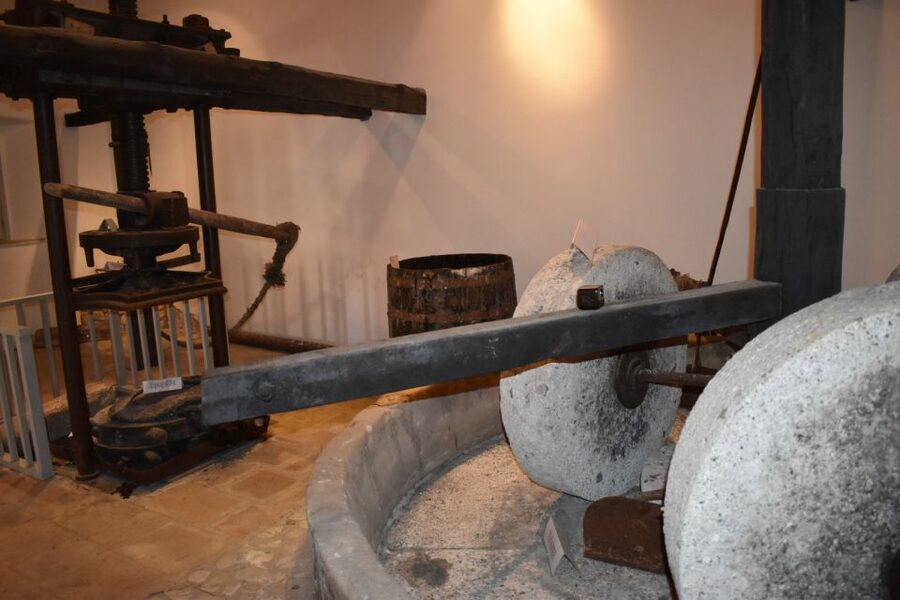
- A rare old press in a village setting: Visit a traditional olive press dating from the early twentieth century rather than seeing only a polished commercial display.
- Jonathan and Chrysa add a personal touch: Jonathan is praised for his clear explanations, humor, and passion for the farm and its traditions.
- The tasting teaches you what to look for: You sample local olive oil and learn how to recognize differences in quality and grade.
- Meze under the olive trees: The final spread includes olives, bread, cheese, and other Corfiot products, with local meats, dolmadakia, and wine also mentioned as part of the meal.
- A practical north-island outing: Free private parking is available, but hotel pickup and drop-off are not included.
Why Corfu’s olive trees matter
Olive trees are not just pretty background on Corfu. They are one of the main threads running through the island’s agricultural and social life. On this tour, you walk through an olive-growing area while learning how cultivation developed over the ages and how the process works today.
The walk gives useful context before the tasting. Instead of treating olive oil as a product that appears in a bottle, you see the trees, the soil, the surrounding plants, and the setting where the fruit begins its journey. You also see perennial Corfiot olive trees that have lived through several generations.
That age is part of what makes the grove special. You might find yourself looking at a gnarled trunk and thinking less about decoration and more about continuity. Families have depended on these trees for food, income, and household goods for a very long time.
The route also includes the flora and fauna of the grove. The tour description does not promise a wildlife-spotting session, so I would treat this as a pleasant part of the walk rather than the main event. The focus remains olive cultivation and the traditions linked to it.
More olive oil tastings around Greece:
- Knossos-Zeus Cave -Old Traditional Villages-Olive Oil Factory
★ 5.0 · 694 reviews - The Governor’s Olive Mill Tour with Olive Oil Tasting
★ 5.0 · 502 reviews - From Chania: Olive Oil, Wine, Cheese & Honey Tasting Tour
★ 4.6 · 490 reviews
The two-hour walk through the olive grove
The guided portion lasts about two hours, giving Jonathan enough time to explain the setting without turning the outing into a rushed photo stop. You meet in Loutses, opposite the small taverna called XATZOS, then follow a sign toward the olive grove because the grove itself does not appear on standard maps.
That meeting detail matters. Do not simply type the farm name into a navigation app and expect it to lead you to the gate. Use the provided map link, look for the sign, and allow extra time to find the meeting point. Free private parking is available, which makes this easier if you have a rental car.
Jonathan is repeatedly praised for making the subject easy to follow. He explains the production process, the history of olive cultivation, and the differences between grades of oil in a way that feels lively rather than technical. His humor is another part of the appeal. Olive oil can sound like a dry subject until someone explains why the contents of one bottle taste fresh and peppery while another seems flat.
The walk is also a good way to get a sense of northern Corfu away from the busiest coastal spots. You are not being shuttled from one indoor exhibit to another. You are on foot in an olive-growing area, with the trees and farm setting doing much of the teaching.
Because this is an outdoor walk, wear comfortable shoes and bring what you normally need for time outside. The supplied details do not specify the path surface, shade level, or accessibility arrangements, so anyone with mobility concerns should ask the operator before booking. The final meal takes place in the shade of the olive trees, but shade during the entire walk is not guaranteed.
The early twentieth-century olive press
The tour continues into a small traditional village, where you receive access to the activity provider’s own olive press. Dating from the early 1900s, it gives you a clear link between past production and the modern oil you taste later.
This is one of the most worthwhile parts of the experience. A modern mill can explain efficiency, but an old press shows how much work olive oil once required. The equipment helps you picture the earlier stages of pressing and understand that this was once a central piece of village life, not simply a factory machine.
The press also gives the tour a human scale. You are visiting a place connected to the people who run the activity, rather than passing through a large commercial attraction. Several comments describe the farm as small and family run, and Jonathan as someone carrying on a family tradition while trying to preserve older ways of producing olive oil.
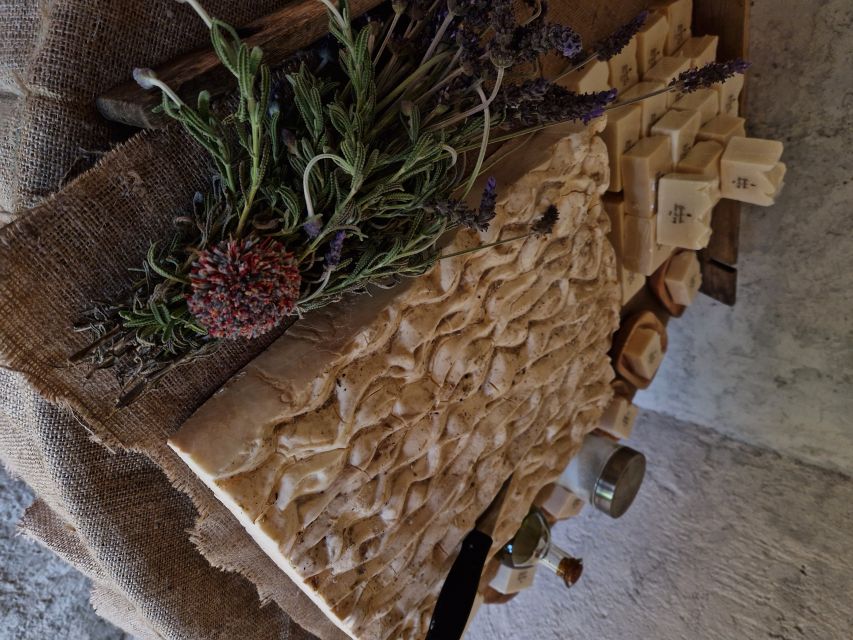
You also learn how olive oil soap is made. This adds another useful layer to the visit because olives were not only valuable for cooking. Their oil could also be used in household products. The information provided does not say that you make soap yourself, so expect a demonstration or explanation rather than a hands-on workshop.
Learning to taste olive oil properly
The oil tasting is the heart of the tour. You sample local olive oil after learning about production, which makes the tasting more meaningful than simply pouring oil onto bread and declaring it good.
Jonathan explains how to spot quality and how different grades are classified. Past participants have described this as a revelation, especially for anyone accustomed to supermarket oil. I like this practical focus because it stays useful after your holiday. You can take the lesson home and pay closer attention to labels, aroma, flavor, and finish.
The tasting also helps you understand the value of the farm’s own product. The reviews describe visitors noticing a marked difference between the oil served at the farm and the oil they had used back home. That does not mean every bottle sold elsewhere is poor, but it does encourage you to become a more careful buyer.
You may also have the chance to purchase the farm’s olive oil and creamy olive-oil soaps from the small shop. One person wished the oil could be bought online, which suggests the shop is the practical place to stock up. If you plan to take oil home as a gift, ask about the available sizes and how best to pack them before leaving.
The tasting is not presented as a formal wine-style course, and that is part of its charm. It is friendly, direct, and connected to the farm. You learn enough to understand what you are tasting without needing prior knowledge.
More food tours in Greece:
- Greek Food Walking Tour in Athens
★ 5.0 · 4,740 reviews - Athens: Street Food Tasting Tour
★ 4.9 · 2,557 reviews - Small Group Greek Traditional Food Tour in Athens 20+ Tastings
★ 5.0 · 1,759 reviews - Tour and Wine Tasting in Mykonian Land
★ 5.0 · 1,357 reviews
The Corfiot mezze beneath the trees
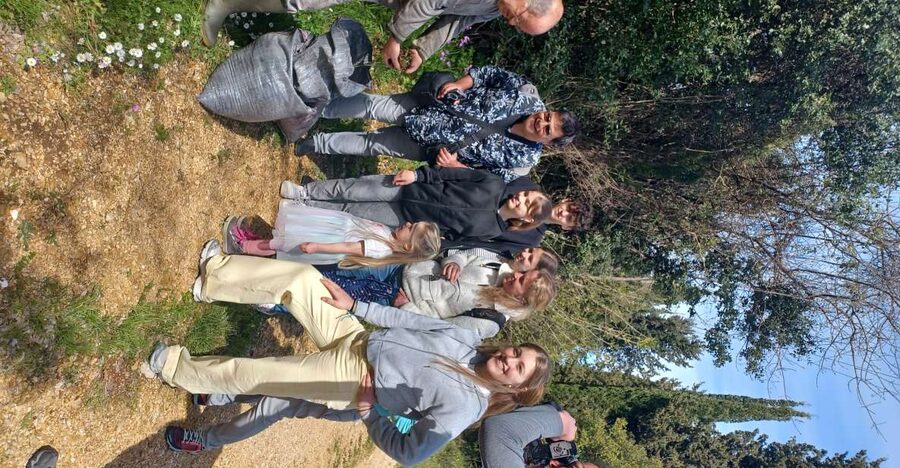
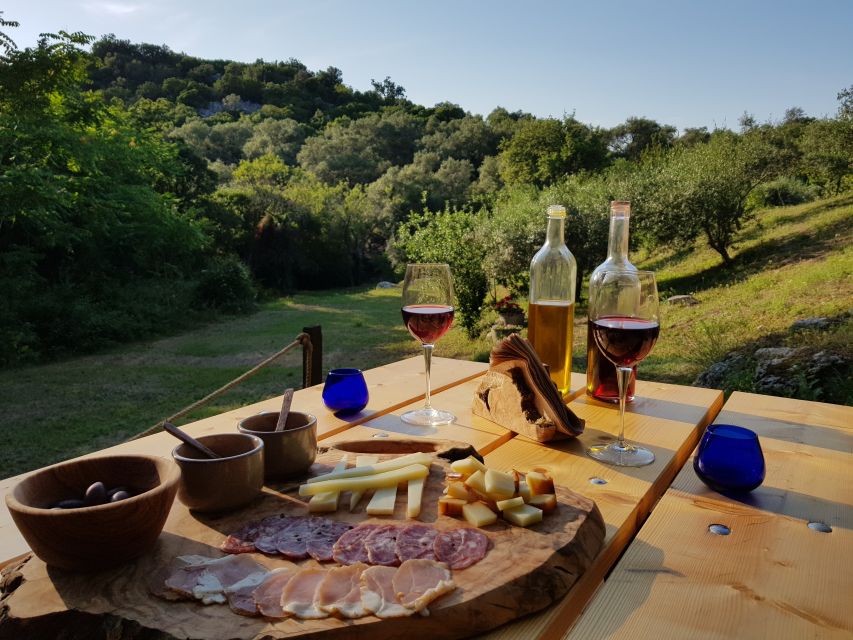
The final hour is given to food and tasting, with a mezze built around local products. Expect olives, bread, cheese, and more. Additional details describe local meats, dolmadakia, and local wine, so this is more than a token snack after the walk.
The setting matters. Eating in the shade of the olive trees gives the meal a calm, rural feel, and it lets you continue talking about what you have seen. A good food stop should help you understand place, and this one does that through ingredients tied to Corfu and its farming traditions.
The meal is also a sensible match for the tasting. Bread lets you try the oil in a simple way, while olives and cheese show how it works alongside other local foods. You are not just handed a bottle and sent on your way.
The exact menu can vary, so I would not book this expecting a fixed restaurant lunch with a printed list of dishes. Think of it as a generous farm-style mezze. If you have dietary restrictions, ask ahead, since the supplied information does not list substitutions or allergy arrangements.
Jonathan, Chrysa, and the personal feel
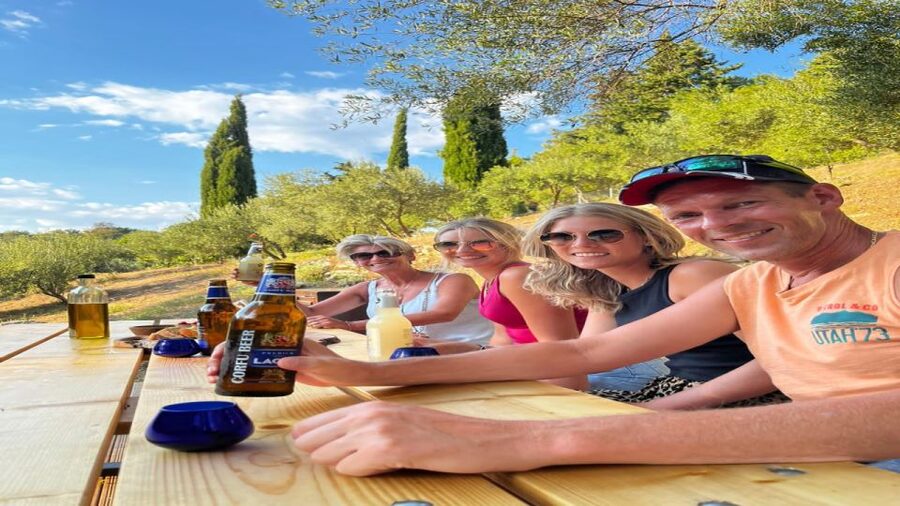
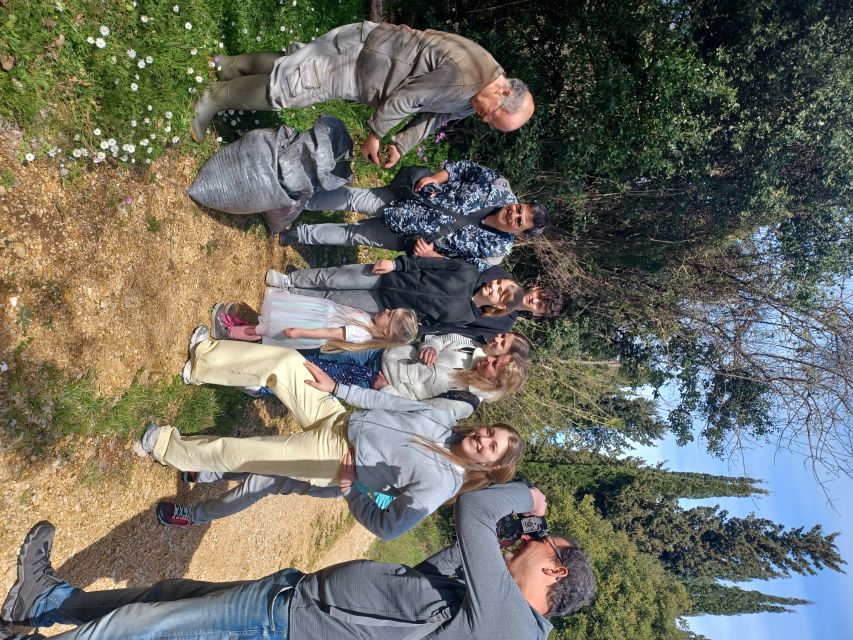
The people leading the tour are a major part of its appeal. Jonathan is described as the owner of the farm as well as the guide, and that helps explain why the tour feels so connected to the place. He is praised for his passion, warmth, humor, and ability to explain the subject clearly.
Chrysa is also singled out as a welcoming and attentive host. Their presence gives the experience the feel of being received by people who care about the farm, rather than attending a standard scripted excursion.
The private format should appeal to couples, families, and small groups who prefer conversation over crowd control. One person noted that group sizes are relatively small and considered the higher price worthwhile because the farm is not a large commercial operation.
There is even a memorable example of the setting’s emotional appeal: one couple used the olive grove as the place for a marriage proposal. You should not expect that to be part of the tour, of course, but it says something about the atmosphere. The grove has a quiet, personal quality that suits a special occasion.
Is $64 per person good value?
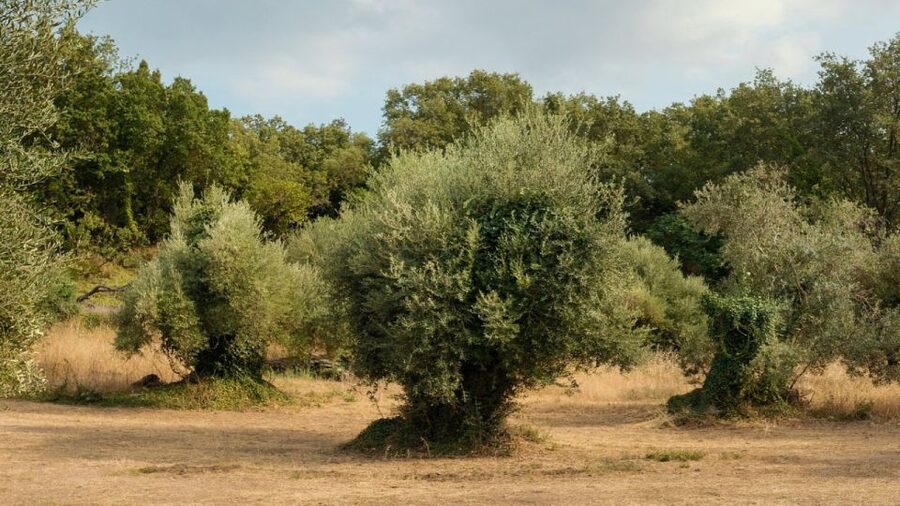
At $64 per person, this is not the cheapest way to spend three hours in Corfu. You are paying for a private guided walk, access to an old olive press, a structured tasting, and a full mezze of local food.
I think the price is justified for the right kind of visitor. You receive more than a tasting-room visit, and the guide’s explanations give the experience substance. The meal, parking, and personal access to the farm also add value.
The calculation changes if you are staying in Corfu Town without a car. Since transportation is not included and the meeting point is around 45 minutes from town and the port, you need to factor in rental-car costs, taxi costs, or other transport arrangements. For a cruise stop with limited time, the distance may also make this inconvenient.
For anyone already exploring northern Corfu, the value looks better. You can combine the tour with other north-island plans and avoid treating the drive as a special trip for one activity.
Who will enjoy this tour most?
I would recommend it to you if you enjoy food, agriculture, local traditions, and smaller-scale experiences. It is particularly suited to people who want to understand Corfu through one important ingredient rather than collect a string of quick sightseeing stops.
It also works well for couples and families. The subject is educational, but the guide’s humor and the mezze keep it relaxed. A parent or grandparent interested in food and tradition may enjoy it especially well, although the walking portion should be considered if anyone in your group has mobility limitations.
You may want to skip it if you dislike rural walks, have only a few hours near Corfu Town, or want a tour focused on beaches, architecture, or nightlife. This is a focused experience. Olive oil is the star from beginning to end.
The activity is conducted in English with a live guide. Free cancellation is available up to 24 hours before the start, and you can reserve while paying later, which helps if your plans are still shifting.
Should you book the Loutses olive tour?
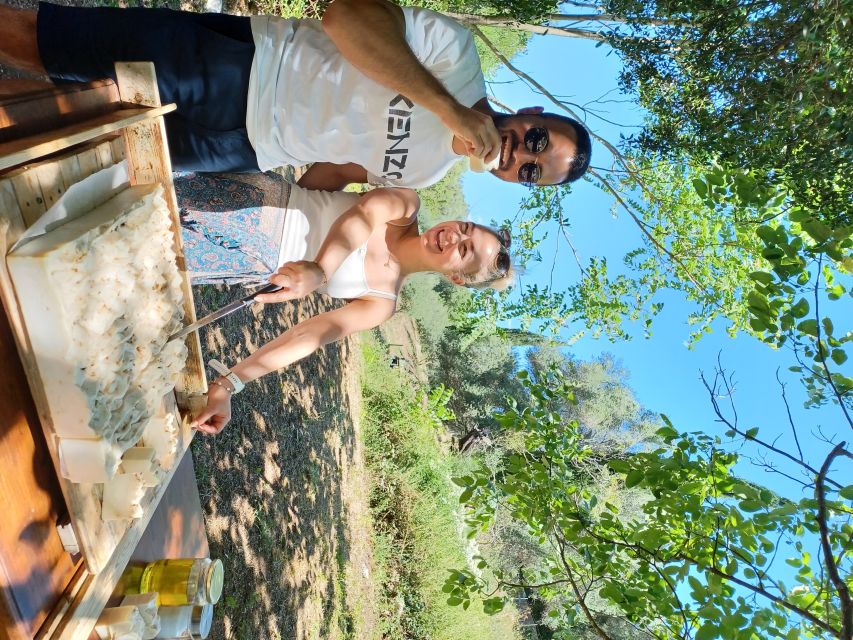
Book it if you want a personal introduction to Corfu’s olive-growing traditions, especially if you appreciate food experiences with a real sense of place. Jonathan and Chrysa, the old press, the grove walk, and the locally sourced mezze combine into a well-shaped three-hour outing.
Before booking, check the drive from your accommodation and make sure you are comfortable finding the Loutses meeting point. If that logistics issue works for you, this is one of the better ways to spend part of a day in northern Corfu. You leave with a fuller understanding of olive oil, a good meal, and possibly a bottle or two for home.
FAQ
Where does the North Corfu olive tour start?
The meeting point is in the village of Loutses, opposite a small taverna called XATZOS. A sign points toward the olive grove because the grove does not appear on maps.
How far is Loutses from Corfu Town?
Loutses is approximately 45 minutes from Corfu Town and the port.
Is hotel pickup included?
No. Hotel pickup and drop-off are not included, so you need to arrange your own transportation to Loutses.
Is private parking available?
Yes. Free private parking is available at the meeting point or activity location.
How long does the tour last?
The complete experience lasts three hours. About two hours are used for the guided walk and visit, followed by about one hour for the wine, food, and olive oil tasting.
What language is the tour conducted in?
The live tour guide conducts the experience in English.
Is the olive press included?
Yes. Access to the traditional olive mill and press is included. The press dates from the early 1900s.
Is olive oil tasting included?
Yes. An olive oil tasting session is included in the price.
What food is included with the tasting?
The Corfiot mezze includes local products such as olives, bread, cheese, and other items. The meal may also include local meats, dolmadakia, and local wine.
Can you cancel for a full refund?
Yes. You can cancel up to 24 hours in advance for a full refund. You can also reserve now and pay later.
Just added around Greece
- Delphi One Day Trip from Athens★ 4.0 · 98 reviews
- Mercedes Private Tour to Delphi and Arachova★ 5.0 · 30 reviews
- Private Delphi and Hosios Loukas Monastery – Great Lunch and Drinks Included★ 5.0 · 36 reviews
- Day tour to Ancient Olympia,Ancient Sparta Mycenae Including Meal★ 5.0 · 54 reviews
- Athens: Half Day Trip To Cape Sounio/Poseidon Temple Semi Private★ 5.0 · 131 reviews
- Athens Half-Day Private Tour Acropolis, Parthenon City Highlights★ 5.0 · 35 reviews
- From Athens: Day Tour to Mykonos★ 5.0 · 64 reviews
- Culinary Secrets of Downtown Athens★ 5.0 · 103 reviews
Olive Oil Tastings, compared.
Knossos-Zeus Cave -Old Traditional Villages-Olive Oil Factory
Read our review →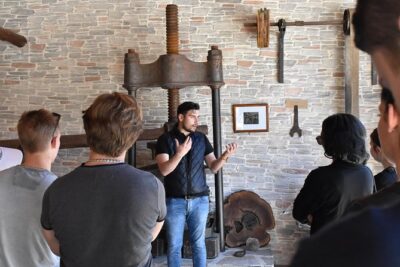
The Governor’s Olive Mill Tour with Olive Oil Tasting
Read our review →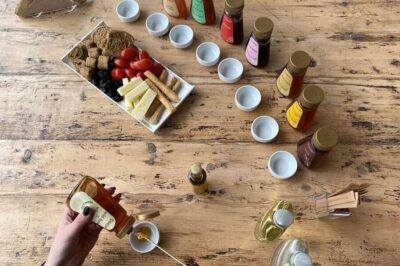
Olive Farm Tour with Tasting of Local Delicacies
Read our review →
Zeus Cave, Lassithi Plateau, Olive Oil Factory, Kritza, Pottery
Read our review →
Knossos, Lasithi, Lasinthos and Olive Farm Combo Tour
Read our review →
Browse the lists this tour appears in