
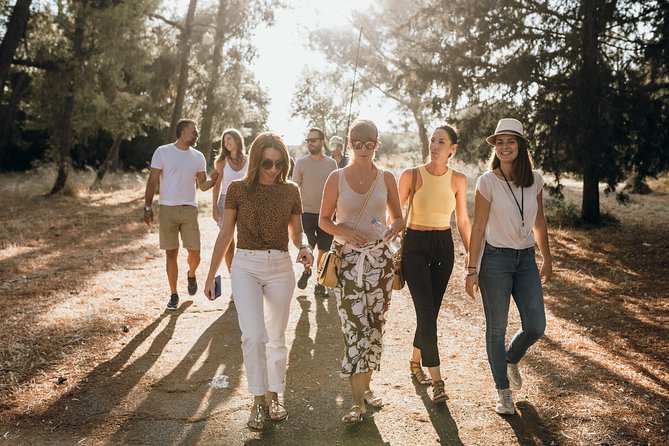
Reviewed · OLIVE OIL TASTINGS
Olive oil Mill Visit & Olive oil tasting Experience
Olive oil tells Messinia’s story. This small-group experience links the 13th-century castle of Androusa with a 120-year-old traditional mill, a modern production facility, and a guided tasting of extra virgin olive oils. I like the mix of local history and hands-on flavor, and the warm teaching style of guides such as Athanasia, Dimitra, Calliope, Georgia, and Stavroula adds a personal touch. I also like that the tasting comes with Kalamata olives, tapenade, bread, cheese, and vegetables, so you learn with your palate rather than only with a lecture.
The main consideration is timing. The experience lasts about 90 minutes, and the standard description promises small bites rather than a full meal. Some versions of the visit have included a homemade lunch, but you should not assume lunch is part of the $54.31 price unless your booking confirms it. Also, the mill machinery may not be operating outside the olive harvest season.
In This Review
- Key details that shape the experience
- Arriving at Androusa’s castle
- Inside a 120-year-old traditional olive mill
- Seeing how extra virgin olive oil is produced
- Learning to taste oil like a local
- The food is part of the welcome
- How much value do you get for $54.31?
- Who will enjoy this Androusa experience?
- Booking, timing, and cancellation advice
- Should you book the olive oil mill visit?
- FAQ
- Where does the olive oil experience begin?
- How long does the tour last?
- Is transportation included?
- What food is included?
- Is the experience offered in English?
- What is the cancellation policy?
Key details that shape the experience
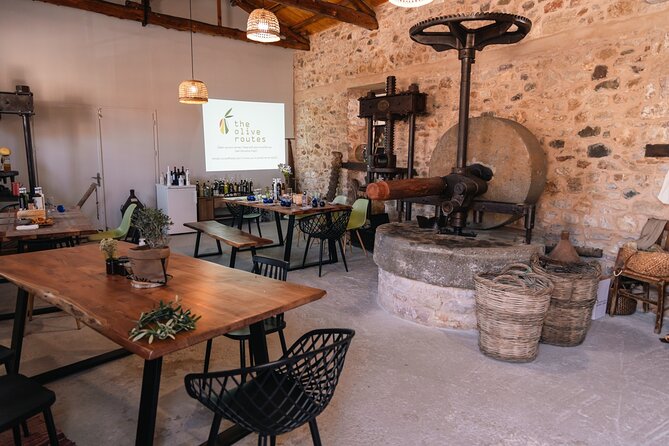
- A village setting near major sights: Androusa is about 20 minutes from Kalamata and 10 minutes from Ancient Messene.
- Two generations of olive making: You visit both a traditional olive mill that has served the village for more than 120 years and a modern mill.
- An expert-led tasting: You learn how to identify the qualities that define extra virgin olive oil.
- Regional food pairings: Kalamata olives, tapenades, bread, cheese, and vegetables show how oil works with everyday Greek food.
- Small-group format: The maximum group size is 16 people, which allows room for questions and conversation.
- A focused visit: At about 1 hour and 30 minutes, this is easy to fit beside Ancient Messene or a Kalamata day.
Arriving at Androusa’s castle
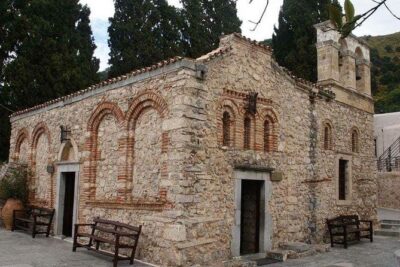
Your meeting point is on Epar.Od. Ellinoklissias-Androusa 29 in Androusa, a village in the Messinia region of the Peloponnese. The experience begins near the 13th-century castle, an atmospheric place to start because the olive story here is not just about food production. It is tied to the village, family life, farming, and the long rhythm of the countryside.
The location works especially well if you are touring by car. Androusa is roughly a 20-minute drive from Kalamata and about 10 minutes from Ancient Messene. You can pair the visit with the archaeological site and spend a day moving through different layers of Messinia: ancient ruins, medieval stonework, and a living agricultural tradition.
The castle portion is not presented as a long archaeological tour. Instead, it helps set the scene for the olive trees and their place in local life. You may hear stories about perennial trees and the varieties grown in the area. That context matters. An olive tree is not a quick crop, and the old trees around Messinia make the production of oil feel connected to generations rather than a single season.
A practical point: transportation is not included. You need to reach the meeting point yourself, and the activity returns there at the end. If you are staying in Kalamata, the drive is short enough to manage without turning the day into a major excursion. If you are coming from farther away, allow extra time for rural roads and finding the meeting point.
More olive oil tastings around Peloponnese:
- Kalamata- Olive oil & Wine Tour with traditional lunch
★ 5.0 · 117 reviews - Knossos-Zeus Cave -Old Traditional Villages-Olive Oil Factory
★ 5.0 · 694 reviews - The Governor’s Olive Mill Tour with Olive Oil Tasting
★ 5.0 · 502 reviews
Inside a 120-year-old traditional olive mill
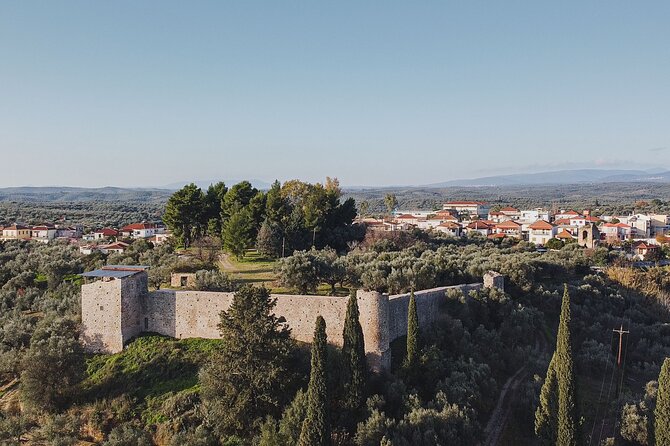
The next stop brings you into the center of Androusa village and a traditional olive museum housed in a mill that has been there for more than 120 years. This is the part that gives the visit its sense of place. You are not only hearing about industrial production. You are seeing how olive oil was made before modern equipment changed the process.
The old mill gives you a useful contrast with the modern facility later in the visit. It can be hard to understand what modern olive oil production improves until you first see the older approach. The traditional setting also connects the product with village life, where olives were part of household work, family income, cooking, and hospitality.
The guides put considerable attention on the olive tree itself. You learn about local varieties, the difference between olives grown for oil and those eaten at the table, and the stories attached to old trees. This is a strong feature for anyone who wants more than a quick tasting. You come away with a better sense of why the same region can produce both famous table olives and highly prized oil.
The experience is described as relaxed and interactive rather than formal. One activity has included an olive treasure hunt game, which can make the historical section more appealing for families or anyone who prefers learning through conversation and observation. The tone is friendly, but the content is substantial.
Seeing how extra virgin olive oil is produced
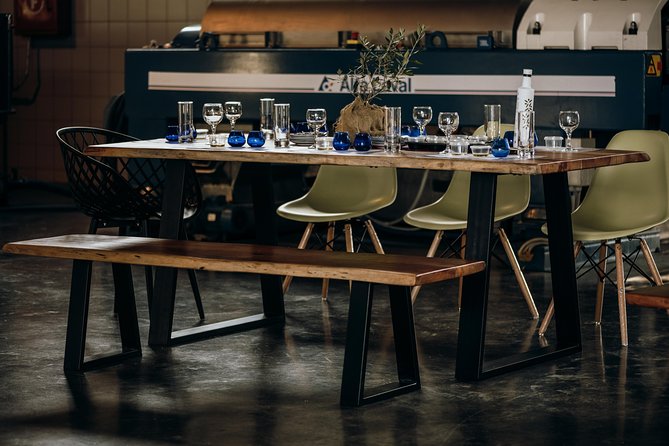
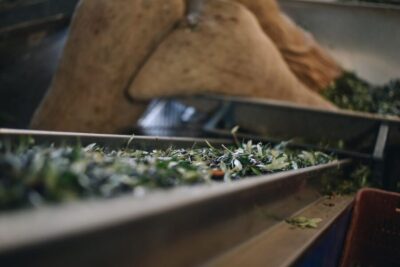
The modern olive oil mill shows the next stage of the process. Here, the focus shifts from heritage to production: how olives become oil, how freshness matters, and what separates extra virgin olive oil from other grades.
Your guide explains the route from harvested fruit to finished oil. The exact machinery in operation depends on the season. If you visit outside the harvest period, you may see the equipment without watching a full production run. That is worth knowing before you book, especially if your main goal is to see the machines working.
One visitor specifically wished the machinery had been running and noted that this would happen at another time of year. That is not a flaw in the tour so much as a seasonal reality. Olive oil production follows the crop. A visit outside harvest season can still teach you a great deal, but it may feel more like a museum and tasting experience than a working factory visit.
The explanation of extra virgin olive oil is one of the most useful parts of the tour. You learn that the label is not simply a marketing phrase. It describes oil that meets particular standards, and the tasting helps you recognize positive and negative qualities through smell and flavor.
The small group, capped at 16 people, is helpful here. You can ask why oils taste different, how olive variety affects the result, and what freshness does to the final product. Guides including Athanasia and Dimitra have been praised for making the subject clear, warm, and easy to follow, while the wider team brings practical experience from the mill and tasting table.
Learning to taste oil like a local
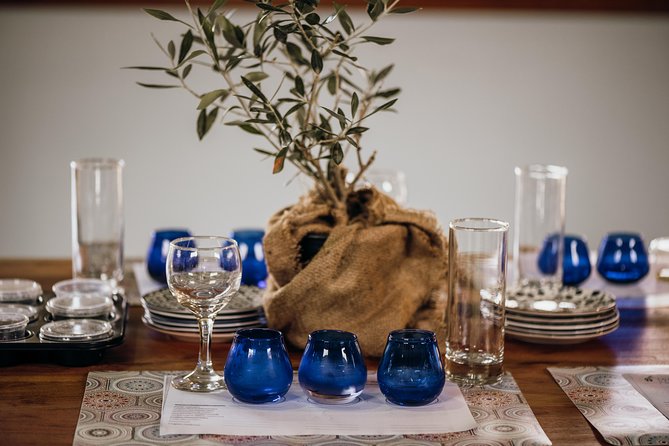
The tasting workshop is the heart of the experience. It is led by an olive oil expert who guides you through several varieties and explains their organoleptic characteristics. That means you pay attention to what you smell, taste, and feel, not just whether you like an oil at first sip.
You learn to look for the features that define extra virgin olive oil. A good tasting can change how you shop later. Instead of treating all green-gold oils as the same, you begin noticing fruitiness, bitterness, and the peppery sensation that may appear in the throat. Those qualities can be signs of freshness and healthy compounds rather than defects.
The tasting is designed to be approachable. You do not need any prior knowledge, and the guide helps connect technical terms with familiar sensations. This is where the teaching style matters. The best part of the workshop is not memorizing vocabulary. It is learning how to compare oils and explain what you are experiencing.
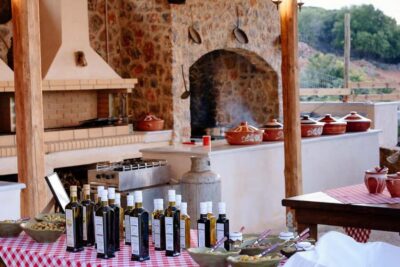
The food pairings make the lesson easier. Bread, cheese, vegetables, Kalamata olives, and olive tapenade give you different ways to try each oil. A mild oil may suit one bite, while a stronger, more peppery oil may work better with something that has its own flavor. The pairings also turn the lesson into a taste of daily Messinian food rather than a sterile product test.
The Kalamata olives deserve special attention. They are famous for good reason, but tasting them in the region where they are grown gives them more meaning. You also get to sample tapenades and local products, with the opportunity to buy items tasted during the visit and take them home.
More food tours in Peloponnese:
- 3in1; Cycling, sightseeing, tasting
★ 5.0 · 46 reviews - Olive Tour & Tasting
★ 5.0 · 29 reviews - Greek Food Walking Tour in Athens
★ 5.0 · 4,740 reviews - Athens: Street Food Tasting Tour
★ 4.9 · 2,557 reviews
The food is part of the welcome
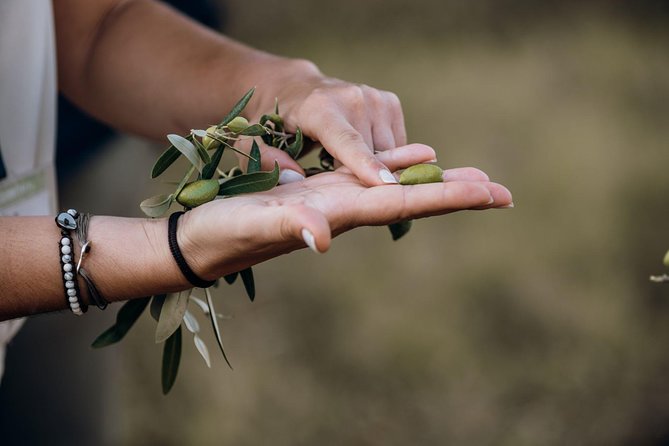
The food is not an afterthought. The standard inclusions list small bites paired with extra virgin olive oils, including bread, cheese, vegetables, olives, and tapenades. That is enough to make the tasting feel generous, but it is not the same as a guaranteed lunch.
Some versions of this experience have included a homemade meal with fresh local ingredients. If a full lunch matters to you, check the exact option and confirmation before setting out. The safest assumption is that you will receive a substantial tasting, not a restaurant-style meal.
What makes the food valuable is its simplicity. You are not being served elaborate dishes that hide the oil. You taste the oil with basic ingredients, just as it is used at home. That gives you a clearer idea of its character and shows why olive oil is central to Greek cooking.
The hospitality is another strong point. The guides are repeatedly described as warm, passionate, and engaging, with particular praise for Athanasia, Dimitra, Calliope, Georgia, Stavroula, Kalliopi, and Demeter across different activities and versions of the program. The names and roles may vary by date, but the consistent impression is a family-style welcome and a genuine pride in Messinia.
How much value do you get for $54.31?
At $54.31 per person, this is not the cheapest way to sample Greek food. Its value depends on what you want from the visit. If you only want to taste olive oil, you could do that more cheaply in a shop. If you want the story behind the oil, access to a traditional and modern mill, a guided tasting, and regional foods in one short outing, the price is reasonable.
The 90-minute length helps justify the cost for a busy itinerary. You do not need to give up a full day, and the location pairs neatly with Ancient Messene or time in Kalamata. You also receive more than a sales presentation. The visit includes history, farming traditions, production methods, sensory training, and food.
The group limit of 16 keeps the format more personal than a large coach stop. That matters during the tasting, when you may want to ask questions or compare your impressions with other people at the table. It also helps preserve the easy, conversational mood that suits a village-based experience.
Still, you should set your expectations correctly. This is not a full countryside tour with extensive time among the olive groves. The plantation is only a few minutes away, but a separate option includes olive groves, gardens, fruit, and herbs. If walking through the trees is your top priority, ask about that version instead.
Who will enjoy this Androusa experience?

I would recommend it to food-focused visitors, couples, small groups, and anyone interested in how a familiar ingredient is made. It is also a good choice for people who want a cultural activity that feels local without requiring a full day of walking or a difficult hike.
Families can enjoy the interactive elements, though the strongest content is aimed at adults who appreciate food, farming, and history. The tasting is calm and seated, and most people can participate. Service animals are allowed.
It suits independent road trips particularly well. You can drive from Kalamata, visit Ancient Messene, and use the mill experience as the food-centered part of the day. Since the tour does not provide an air-conditioned vehicle, it is less convenient if you are relying on organized transportation from your hotel.
The experience may not suit you if you want a large working plantation, a full meal included without question, or a guaranteed demonstration with machinery running. The olive harvest controls much of what you see. Ask about the season and the exact program before booking.
Booking, timing, and cancellation advice
The experience is offered in English, uses a mobile ticket, and is normally booked about 33 days ahead. That advance demand suggests you should not leave it until the last minute if your Messinia schedule is fixed, especially during popular travel periods.
Confirmation is normally received at booking. If you book within one day of the visit, confirmation arrives as soon as possible and depends on availability. The activity has free cancellation up to 24 hours before the start time for a full refund. Cancellations or changes made less than 24 hours ahead are not accepted for a refund.
Good weather is required. If poor weather causes cancellation, you are offered another date or a full refund. Since some parts of the experience connect to the outdoor setting and the old village, this policy is worth keeping in mind when planning a tightly packed day.
Should you book the olive oil mill visit?
Book it if you want to understand why olive oil matters so much in Messinia, not simply buy a bottle and move on. The strongest reasons are the combination of old and modern mills, the careful tasting lesson, and the generous local foods that let you practice what you learn.
I would choose this experience over a quick shop tasting because it gives you useful skills and a stronger connection to the region. Just confirm whether your chosen option includes lunch, ask if the machinery will be operating, and decide if you need the separate olive grove tour. For a short, friendly, food-centered stop near Kalamata and Ancient Messene, this is a very good use of your time.
FAQ
Where does the olive oil experience begin?
It begins at Epar.Od. Ellinoklissias-Androusa 29 in Androusa, Greece, near the 13th-century castle of Androusa.
How long does the tour last?
The experience lasts approximately 1 hour and 30 minutes.
Is transportation included?
No. An air-conditioned vehicle is not included, and you need to reach the meeting point yourself. The activity ends back at the same meeting point.
What food is included?
The standard inclusions are small bites paired with extra virgin olive oils, including bread, cheese, vegetables, Kalamata olives, and olive tapenade.
Is the experience offered in English?
Yes. The tour is offered in English and uses a mobile ticket.
What is the cancellation policy?
You can cancel up to 24 hours before the start time for a full refund. Cancellations or changes made less than 24 hours before the start time are not accepted for a refund. If poor weather causes cancellation, you are offered another date or a full refund.
Just added around Peloponnese
- Kalamata- Olive oil & Wine Tour with traditional lunch★ 5.0 · 117 reviews
- Olive Tour & Tasting★ 5.0 · 29 reviews
- Canyoning and Zipline in Polylimnio Waterfalls★ 5.0 · 39 reviews
- Savor Nafplio Cooking Class★ 5.0 · 68 reviews
- Epidavros sea kayak at the Ancient sunken city tour, small ancient theater★ 5.0 · 96 reviews
- Sea Kayak Nafplio – Medieval Castles Tour★ 5.0 · 155 reviews
- Ancient Corinth Private Tour from Corinth★ 5.0 · 56 reviews
- 3in1; Cycling, sightseeing, tasting★ 5.0 · 46 reviews
Olive Oil Tastings, compared.
Knossos-Zeus Cave -Old Traditional Villages-Olive Oil Factory
Read our review →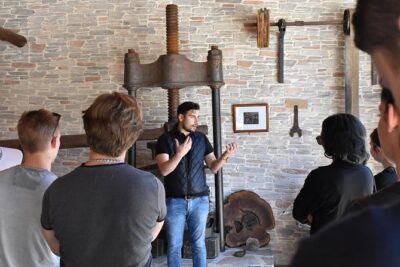
The Governor’s Olive Mill Tour with Olive Oil Tasting
Read our review →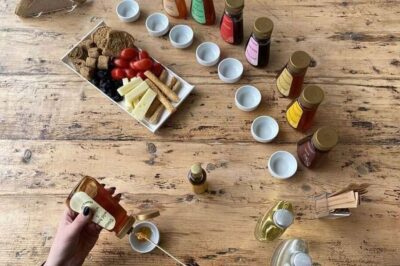
Olive Farm Tour with Tasting of Local Delicacies
Read our review →
Zeus Cave, Lassithi Plateau, Olive Oil Factory, Kritza, Pottery
Read our review →
Knossos, Lasithi, Lasinthos and Olive Farm Combo Tour
Read our review →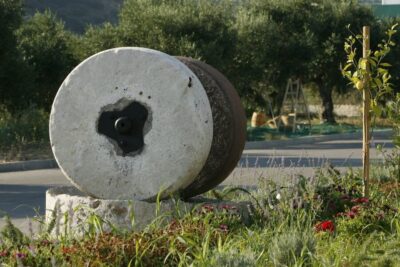
Browse the lists this tour appears in