
Reviewed · COOKING CLASSES
Rethymno: Traditional Cooking Class in a Cretan Village
Fresh food tastes better outdoors. This 3.5-hour Cretan cooking class brings you into a family home near Rethymno, where Chrysoula teaches old village recipes beside a traditional wood oven. I like the personal setting and the generous meal you help prepare. I also like that ingredients come from the family farm or nearby farmers when possible.
The main consideration is simple: come very hungry, and do not plan a large dinner afterward. The meal can be substantial, and local raki may appear at the end. The experience costs $110 per person, which is a fair price if you value a full meal, drinks, instruction, and real contact with a Cretan household rather than a quick demonstration.
In This Review
- Key points to know before you book
- A Cretan cooking class that feels like a meal with family
- Arriving at the family home near Rethymno
- The welcome: coffee, lemonade, and village hospitality
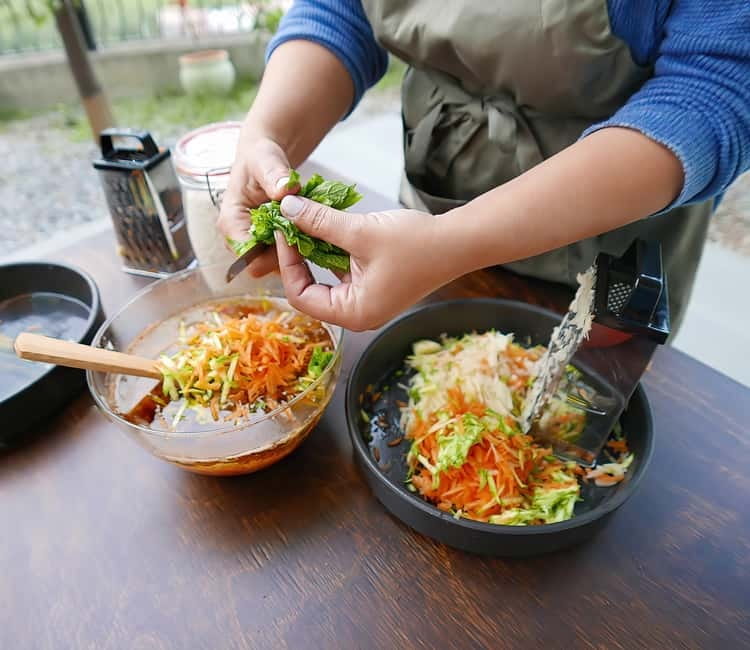
- Preparing Cretan starters from simple ingredients
- The wood oven and the main course
- Dessert, wine, and the famous raki finish
- What makes the ingredients meaningful
- The social side: conversation matters as much as cooking
- Is $110 per person good value?
- Who should book this Cretan class?
- Booking, timing, and cancellation advice
- FAQ
- Where does the cooking class take place?
- How long does the experience last?
- What time does the class start?
- What food is included?
- Are drinks included?
- Can the menu accommodate vegetarians?
- Can the menu accommodate food allergies?
- What language is spoken during the class?
- Is the experience wheelchair accessible?
- Can I cancel for a refund?
- Should you book it?
Key points to know before you book
- Chrysoula teaches in her own family home, giving the class a friendly, personal feel rather than a formal schoolroom atmosphere.
- The wood oven is part of the lesson, so you learn how Cretan dishes are traditionally cooked, not just how to mix ingredients.
- The food is built around local produce, with many ingredients coming from the family farm or nearby village farmers.
- You prepare a full meal, including a starter, main dish, dessert, local wine, and raki.
- Vegetarian and allergy-friendly menus can be arranged, making this more flexible than many fixed-menu cooking classes.
- The setting is scenic and relaxed, with outdoor cooking, garden views, homemade drinks, and plenty of time for conversation.
A Cretan cooking class that feels like a meal with family
Many cooking classes give you a recipe, a small taste, and a quick goodbye. This one aims for something warmer. You arrive at Chrysoula’s home, settle into a garden setting, and begin with a welcome that may include Greek coffee or herbal tea, homemade lemonade, ladokouloura, olive-oil rolls, and loukoumakia.
That opening matters. It gives you time to get comfortable before the cooking begins. You are not rushed straight to a work surface. You can talk with Chrysoula, meet the people joining the class, and start to understand the home and village setting.
Chrysoula is the central reason this experience works so well. Her friendly manner, humor, and pride in Cretan cooking turn the lesson into a social occasion. Kostas may also help with hosting, adding to the relaxed family atmosphere.
I especially like the way the class connects food with daily life. You are not simply copying a recipe from a card. You are hearing about old methods, local produce, and the way food is prepared in a Cretan home. The tone is practical and informal, with plenty of cooking, eating, laughing, and conversation.
The class has earned a 5 out of 5 rating from 58 ratings, and the praise focuses on the same qualities: the hosts, the food, the views, and the feeling of being welcomed into a real home.
More Cooking Classes in Crete
- Chania: Authentic Cooking Class in the White Mountains
★ 4.9 · 529 reviews - Chania Cooking Class-The Authentic Enjoy traditional Cretan meal
★ 5.0 · 339 reviews - Full-Day Jeep Safari Tour with Cooking Lesson
★ 5.0 · 284 reviews
Arriving at the family home near Rethymno
The experience takes place in a Cretan village setting rather than in central Rethymno. The home is described as easy to find, with an outdoor area and a pleasant view. Exact starting times depend on the date you choose, so check availability before making other plans.
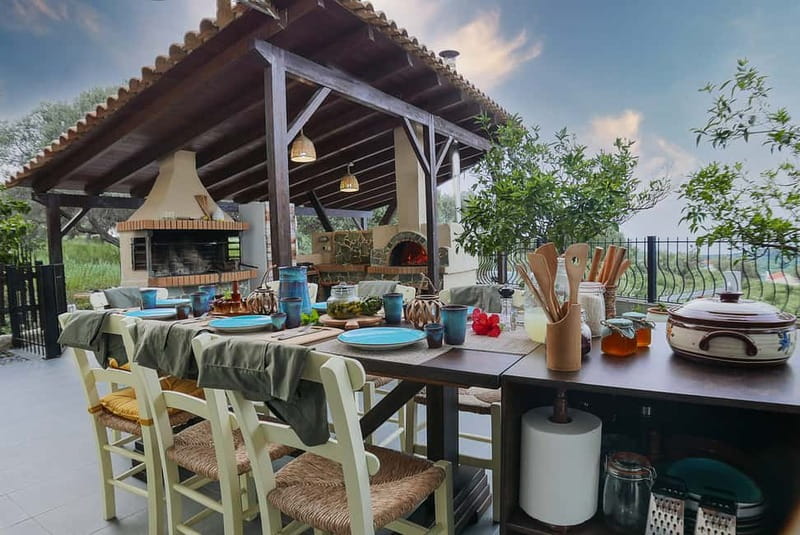
The setting is one of the strongest parts of the experience. Cooking outdoors beside a wood-fired oven feels quite different from working in a commercial kitchen. The garden and countryside views create a calm backdrop, and the pace allows the food to become part of the place.
You should think of this as a half-day cultural experience, not a short activity to squeeze between two sightseeing stops. Three and a half hours gives enough time to prepare several dishes, cook them, sit down to eat, and talk with the hosts.
The class is wheelchair accessible, which is useful information for anyone who needs step-free or easier access. Still, practical details of the home layout are not specified, so you may want to confirm any particular mobility needs when booking.
The welcome: coffee, lemonade, and village hospitality
The first food and drink are not just filler. Greek coffee or herbal tea, fresh lemonade, olive-oil rolls, and small sweets introduce you to the flavors of a Cretan household before the main cooking begins.
Ladokouloura are olive-oil biscuits or rings, depending on the family recipe. Their presence gives you an early taste of the island’s most important cooking ingredient: local olive oil. Loukoumakia provide a sweet start, while homemade lemonade keeps the welcome light and refreshing.
This is also a good moment to tell Chrysoula about allergies, dietary restrictions, or vegetarian preferences. The menu can be adapted for vegetarians and for people with allergies, though you should share those needs in advance so the preparation can be planned properly.
The welcome may be especially helpful if you are traveling with children. One family described Chrysoula bringing toys and helping entertain a baby during the cooking. That does not mean every class will be arranged in the same way, but it suggests a host who pays attention to the people in front of her.
Preparing Cretan starters from simple ingredients
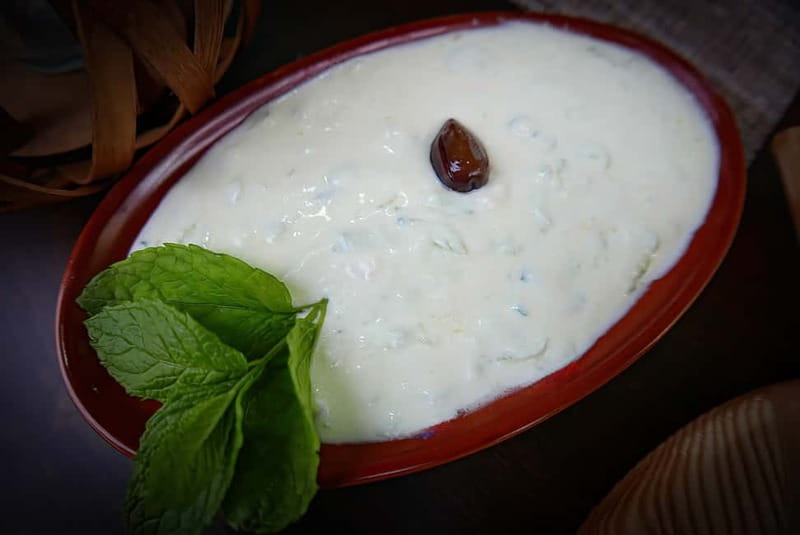
The starter course may include dakos, tzatziki, or Greek salad. These are familiar names, but the class gives you a chance to understand the balance behind them.
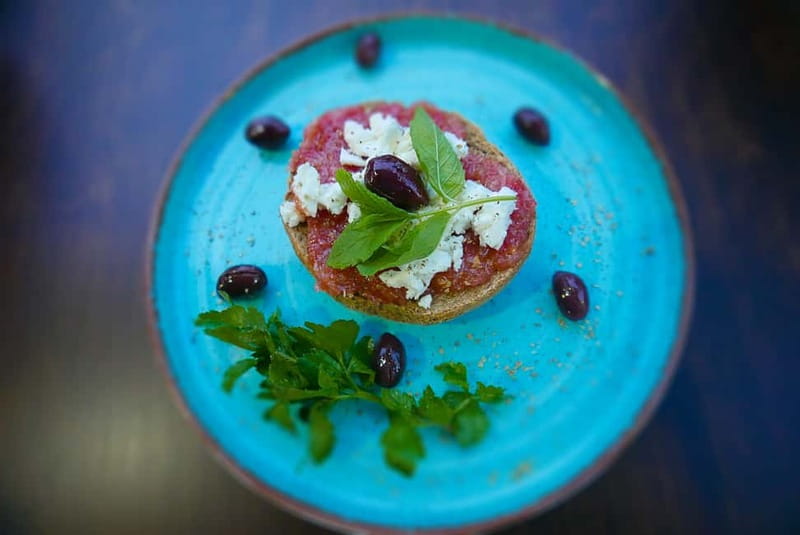
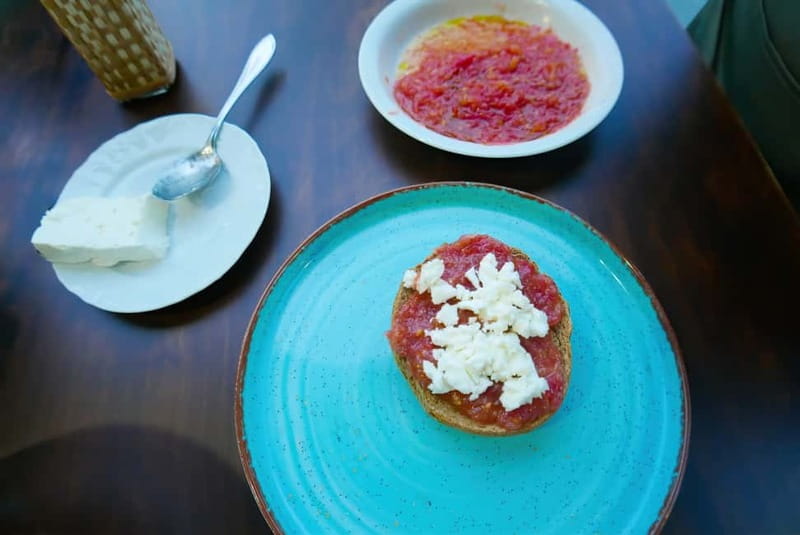
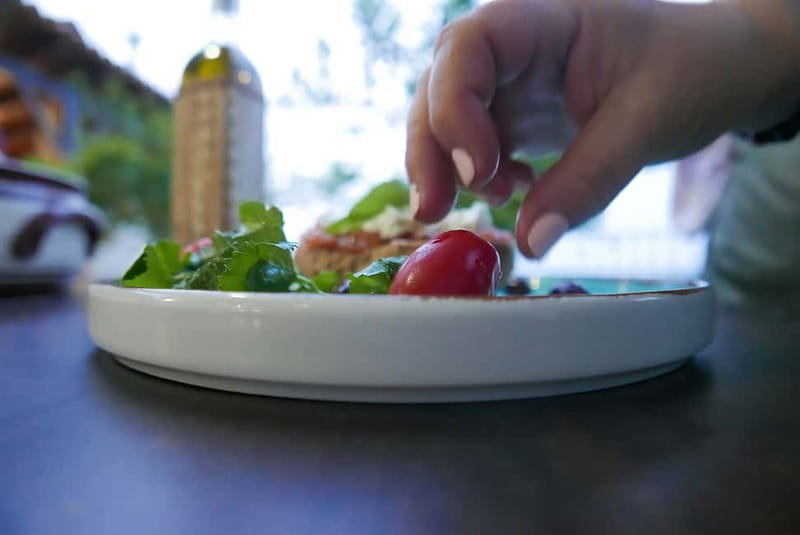
Dakos is a Cretan salad made with barley rusk, tomato, cheese, olive oil, and herbs. It is a fine example of island cooking because it uses sturdy, everyday ingredients and turns them into something full of flavor. The tomato brings freshness, the rusk adds crunch, the cheese gives salt and creaminess, and the olive oil ties everything together.
Tzatziki looks simple, but good results depend on texture and seasoning. You learn how the ingredients work together rather than simply buying a prepared dip. Greek salad offers another lesson in restraint: fresh vegetables, herbs, cheese, and olive oil do most of the work.
The value here is not in learning rare restaurant tricks. It is in seeing how a Cretan cook gets strong results from fresh products and familiar methods. You can take these dishes home and make them without special equipment.
More cooking classes in Rethymno:
- Athens: Classic Cooking Class with Market Visit and Wine
★ 5.0 · 1,101 reviews - Athens: Food Market Visit and Cooking Class with Wine
★ 4.9 · 1,087 reviews - Greek Cuisine Cooking Class in Santorini with Recipes and Wine
★ 5.0 · 969 reviews - Naxos: Half-Day Cooking Class at Basiliko Family Tavern
★ 5.0 · 887 reviews
The wood oven and the main course
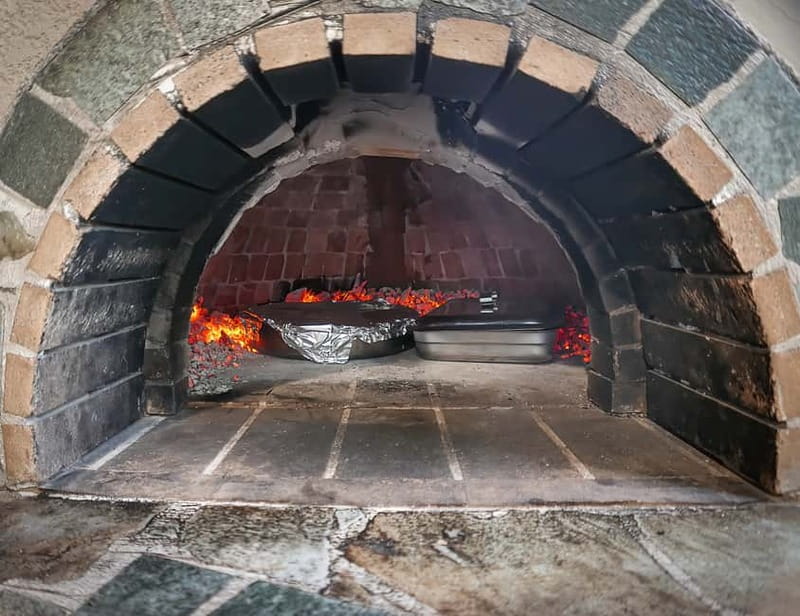
The traditional wood oven is the heart of the cooking lesson. It gives the food a connection to older Cretan kitchens and changes the rhythm of the class. Instead of placing a dish in a modern oven and moving on, you learn how cooking fits into a slower, more communal routine.
The main dishes may include gemista and mousaka. Gemista are vegetables stuffed with a seasoned filling, with possible versions using vine leaves, zucchini flowers, tomatoes, zucchini, and peppers. This is flexible home cooking, shaped by what is available in the garden or market.
Mousaka is a more familiar Greek classic, built around layered ingredients and a rich, satisfying texture. Preparing it in a traditional setting helps you see why these dishes are associated with family tables and long meals.
The exact menu can vary, so do not book this expecting one fixed set of recipes. The supplied choices suggest a broad sample of Cretan home cooking rather than a rigid restaurant menu. That flexibility is a strength if you want a local meal, though it may disappoint you if you are hoping to prepare one specific dish.
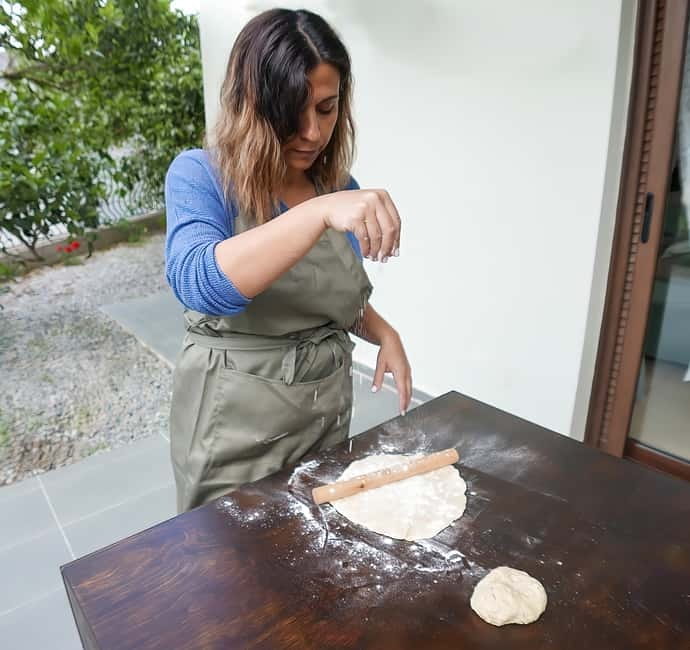
Because the cooking takes place in a home environment, the lesson may feel less precise than a professional culinary school. You may not receive a timed, technical demonstration of every step. Instead, you get practical instruction shaped by family methods, local ingredients, and the food being prepared that day.
Dessert, wine, and the famous raki finish
Dessert may include tyropitakia, small traditional pies made with homemade cheese, local honey, and cinnamon. Homemade ice cream and seasonal fruit may also be served.
Tyropitakia show how Cretan sweets can be both simple and special. Cheese, honey, and cinnamon create a dessert that is not overloaded with sugar. Seasonal fruit keeps the final course connected to the farm and the time of year.
Local wine is included with the meal, and raki is served as part of the Cretan welcome. Raki is a strong local spirit, often associated with hospitality and the end of a meal. The practical advice is clear: enjoy it slowly. If you do not drink alcohol, you can ask for a nonalcoholic option, but the provided details only confirm wine and raki as included drinks.
The meal can be large. Several people specifically advise arriving hungry, and one person joked that you should not reserve a big dinner for the same evening. You may even have food left over, although leftovers are not guaranteed for every class.
What makes the ingredients meaningful
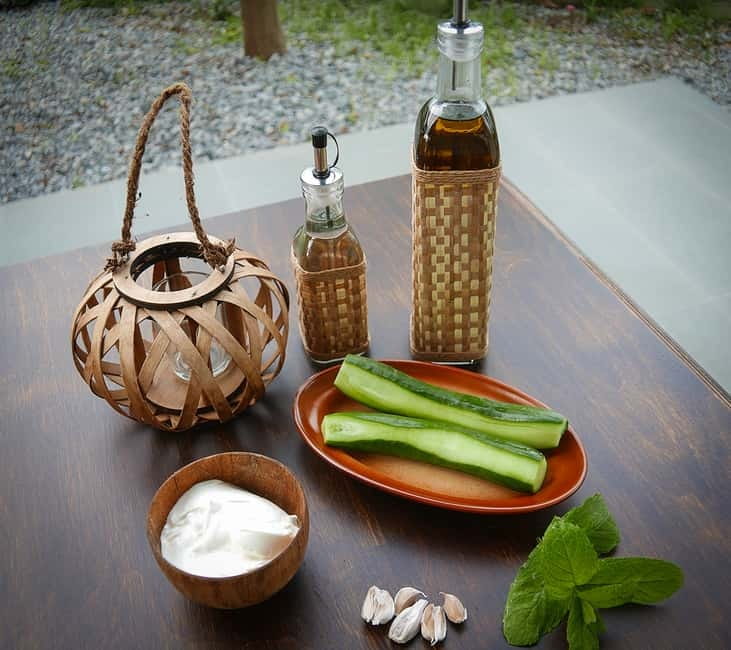
The class uses fresh products sourced from Chrysoula’s family farm or local farmers. One person noted that nearly everything used came from the family farm or village, with rice as the main exception.
That detail makes a real difference. You are tasting tomatoes, herbs, vegetables, olive oil, cheese, and fruit in the context where they are grown and used. The food is not presented as an abstract version of Greek cuisine. It reflects the produce and habits of a particular place.
Cretan cooking is often strongest when it stays close to its ingredients. A ripe tomato, good olive oil, fresh herbs, and homemade cheese need little decoration. The class shows you how that style of cooking works and why it remains central to island life.
I also like that the recipes are useful beyond Crete. You can recreate dakos, tzatziki, stuffed vegetables, salad, and cheese pies at home. The lesson gives you more than a pleasant meal, especially if you pay attention to seasoning, preparation order, and the way Chrysoula handles the wood oven.
The social side: conversation matters as much as cooking
The class is designed around contact with the host. You have time to chat, ask questions, and learn about Cretan traditions while the food cooks.
That makes this a strong choice if you want a personal connection with the island. You may leave knowing not only how to make a dish, but also why a certain ingredient matters or how a family uses a traditional method.
The experience can also work well for different age groups. One family joined with adult daughters and described the class as a highlight of their trip. Another group attended with children and still enjoyed the meal and instruction. A vegan participant was also accommodated alongside friends who ate other foods.
The social nature has one possible downside. If you want a quiet, highly structured class with a professional kitchen and exact individual instruction, this may feel too informal. The charm comes from the home setting and the people, so the experience is best for you if conversation and shared food are part of the appeal.
Is $110 per person good value?
At $110 per person, this is not the cheapest way to eat Greek food. You could order dakos, salad, tzatziki, and a main dish for less at a taverna.
But the price covers much more than lunch or dinner. You receive cooking instruction, a starter, a main dish, dessert, local wine, raki, a welcome spread, the use of the home and wood oven, and several hours with a local cook. You also get the chance to learn recipes and methods that you can use later.
I see the value in the combination. A restaurant gives you a finished meal. This class gives you a meal plus access to the process, the household, and the local cooking tradition behind it.
The price makes the most sense for couples, families, and small groups who want one meaningful food experience during a stay in Crete. It is less suitable if you are looking only for a quick lunch, a budget activity, or a formal lesson focused on professional technique.
Who should book this Cretan class?
I would recommend it most strongly to you if you:
- Want traditional food prepared in a real home setting
- Enjoy meeting local people and sharing a long meal
- Like hands-on cooking more than a simple tasting
- Are curious about Cretan ingredients and village customs
- Want a family-friendly activity
- Need a menu that can be adapted for vegetarian or allergy needs
- Appreciate a scenic outdoor setting and a slower pace
You may want to skip it if you dislike group meals, do not drink alcohol and want drinks included to be fully customizable, or prefer an exact menu announced in advance. The menu is flexible, and the cooking style is home-based rather than formal.
The class is also a good rainy-day option in spirit, since one session continued while a thunderstorm moved through the area. Still, weather may affect how much time you spend outdoors, so ask about arrangements if conditions look poor.
Booking, timing, and cancellation advice
The activity lasts 3.5 hours, with starting times shown according to availability. Build in enough time to reach the village and avoid scheduling a tight activity immediately afterward.
English is the stated language for the host or greeter. Cooking lessons, the full meal, local wine, and raki are included. Vegetarian and allergy adaptations are available, but tell the host ahead of time.
You can cancel up to 24 hours before the activity for a full refund. The reserve-now, pay-later option lets you hold a place without paying at the time of booking, which is useful while your Crete plans are still changing.
FAQ
Where does the cooking class take place?
The class takes place in a traditional Cretan family home in a village near Rethymno, with cooking done in a garden setting and traditional wood oven.
How long does the experience last?
The cooking class lasts 3.5 hours.
What time does the class start?
Starting times depend on availability. Check the available dates and times when booking.
What food is included?
You receive a starter, a main dish, and a dessert. Possible dishes include dakos, tzatziki, Greek salad, gemista, mousaka, tyropitakia, homemade ice cream, and seasonal fruit.
Are drinks included?
Yes. Local wine and raki are included. The welcome may also include Greek coffee, herbal tea, and homemade lemonade.
Can the menu accommodate vegetarians?
Yes. The menu can be adapted for vegetarian participants.
Can the menu accommodate food allergies?
Yes. The menu can be adapted for people with allergies. Provide the details when arranging the class.
What language is spoken during the class?
The host or greeter speaks English, and English is the stated language for the activity.
Is the experience wheelchair accessible?
Yes, the activity is listed as wheelchair accessible. Contact the provider if you need details about the specific layout or access arrangements.
Can I cancel for a refund?
Yes. You can cancel up to 24 hours in advance for a full refund.
Should you book it?
Book this class if you want to connect with Crete through food, family hospitality, and old cooking methods. The strongest parts are Chrysoula’s warm hosting, the fresh farm and village ingredients, the wood oven, and the generous meal shared at the end.
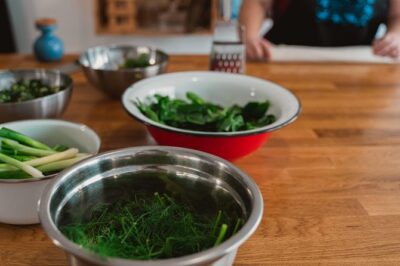
I would not choose it as a quick stop or a formal chef-led workshop. Choose it for the slower experience: coffee in a garden, vegetables being prepared by hand, food cooking over wood, local wine at the table, and a final glass of raki with people you have just met.
At $110, it is a worthwhile splurge for a food-centered half day near Rethymno. Come hungry, keep your schedule open, and be ready to eat like you have been invited into the family.
More Workshops in Rethymno
- Greek Cooking Class in Athens Including Rooftop Dinner with Acropolis View
★ 5.0 · 826 reviews - Greek Small-Group Athens Cooking Class & Dinner
★ 5.0 · 574 reviews - Naxos:Half-day cooking class at Basiliko
★ 5.0 · 457 reviews - Athens: Greek Cooking Class & Dinner on a Rooftop
★ 5.0 · 383 reviews
Just added around Rethymno
- From Rethymno: Samariá Gorge Full-Day Hike★ 4.3 · 129 reviews
- Rethymno:Evening tasting tour★ 4.7 · 25 reviews
- Rethymno: Melidoni Cave and Arkadi Monastery Half-Day Trip★ 4.3 · 120 reviews
- Crete Private Tour: The Secrets of Wine, Olives & Honey★ 4.5 · 59 reviews
- Rethymno Town: Sea Watersports Activities on the Beach★ 4.9 · 38 reviews
- From Rethymno: Arkadi, Melidoni, and Margarites Tour★ 4.9 · 211 reviews
- Rethymno: Mini Pirate Boat Cruise with Swimming Stop★ 3.8 · 110 reviews
- Rethymno Old Town: A Traditional Cretan Food Tour★ 4.9 · 103 reviews
Cooking Classes, compared.
Classic Cooking Class with Market Visit and Wine
Read our review →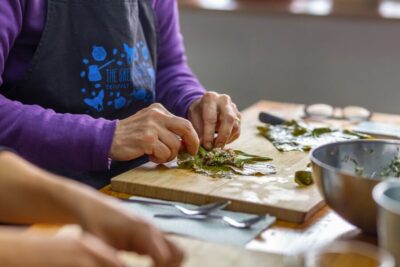
Food Market Visit and Cooking Class with Wine
Read our review →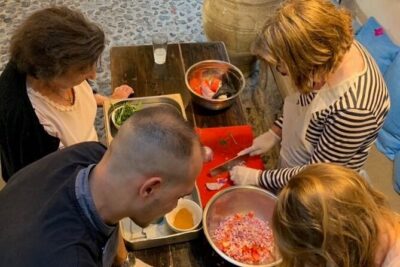
Greek Cuisine Cooking Class in Santorini with Recipes and Wine
Read our review →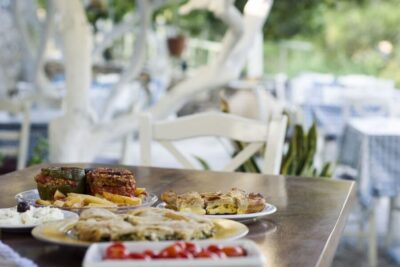
Half-Day Cooking Class at Basiliko Family Tavern
Read our review →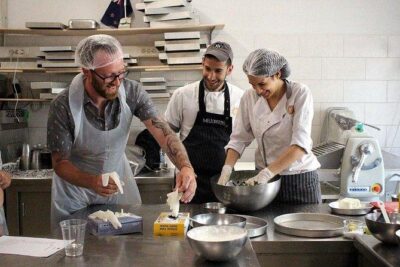
Greek Cooking Class in Athens Including Rooftop Dinner with Acropolis View
Read our review →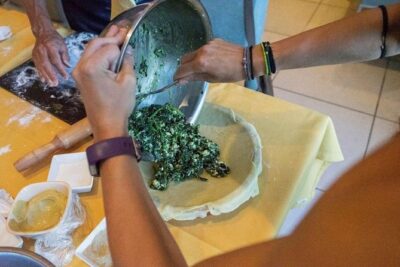
Greek Small-Group Athens Cooking Class & Dinner
Read our review →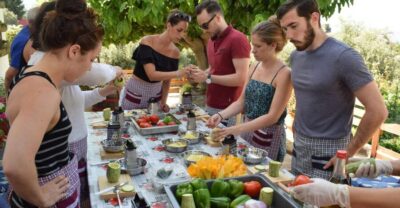
Authentic Cooking Class in the White Mountains
Read our review →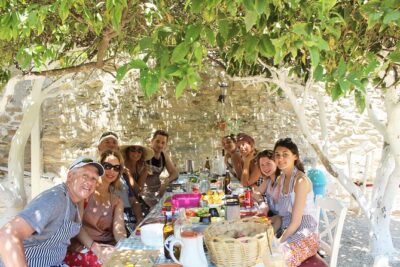
Browse the lists this tour appears in