
Reviewed · COOKING CLASSES
Chania: Authentic Cooking Class
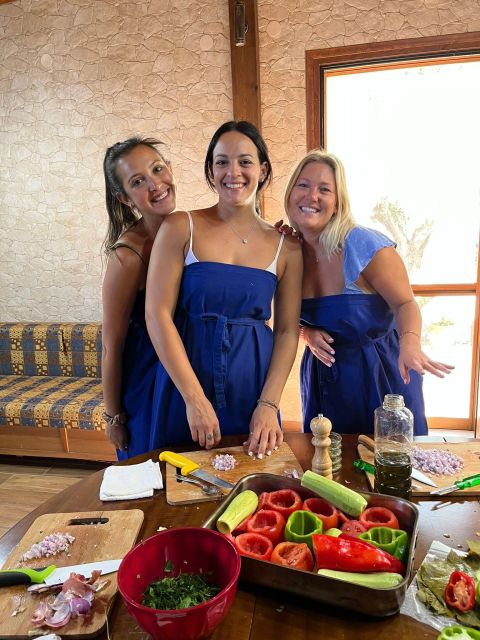
Come hungry, leave feeling like family. This four-hour cooking class takes you about 15 minutes outside Chania to Nerokourou, where Veerna and her family teach classic Cretan recipes in a garden shaded by avocado and olive trees. You cook in a home setting, not a polished restaurant kitchen, and then sit down together to eat what you made.
I especially like the fresh garden ingredients and the friendly family welcome. I also like that the class explains the stories behind the food, including the unusual tale of the oven-roasted lamb known as the thieves dinner. The main thing to consider is transport: the class is easy to reach by car or taxi, but transfers cost extra.
The $129 price is not cheap for a four-hour activity, but it covers all ingredients, a full meal, generous local wine and raki, dessert, and instruction in English. With recipes sent home afterward and a relaxed meal at the end, this is a strong choice for anyone who wants more than a standard sightseeing stop.
In This Review
- Key Details Before You Book
- Arriving at Veerna’s Kitchen Near Chania
- Greek Coffee, Homemade Cookies, and a Family Welcome
- The Thieves Dinner Goes Into the Wood-Fired Oven
- Garden Herbs, Stuffed Vegetables, and Dolmades
- Rolling Dough for Kalitsounia
- Tzatziki and Dakos: Simple Food, Big Payoff
- Sitting Down to Eat With Wine, Raki, and Dessert
- How Much Value Do You Get for $129?
- Who Will Enjoy This Four-Hour Class?
- A Strong Choice for Food-Led Days in Crete
- FAQ
- How far is the cooking class from Chania?
- Is transportation included?
- What food will I prepare?
- Are drinks and dessert included?
- Is the class suitable for children?
- Can I cancel or pay later?
Key Details Before You Book

- Cook in the family olive grove: The class takes place in Nerokourou, around 10 to 15 minutes from central Chania.
- Learn five Cretan staples: The menu includes oven-roasted lamb, stuffed vegetables, dolmades, kalitsounia, tzatziki, and dakos.
- Meet Veerna and her family: Veerna leads the cooking, while family members often help with explanations, conversation, and serving.
- Use local produce: Herbs and vegetables come from the garden when available, with other ingredients sourced from local farmers.
- Plan for a full afternoon or evening: The class lasts about four hours, and one participant reported spending roughly four and a half hours at the property.
- Arrange transport early: You can park along the fence, take a taxi, or request a shared transfer for an additional fee.
Arriving at Veerna’s Kitchen Near Chania
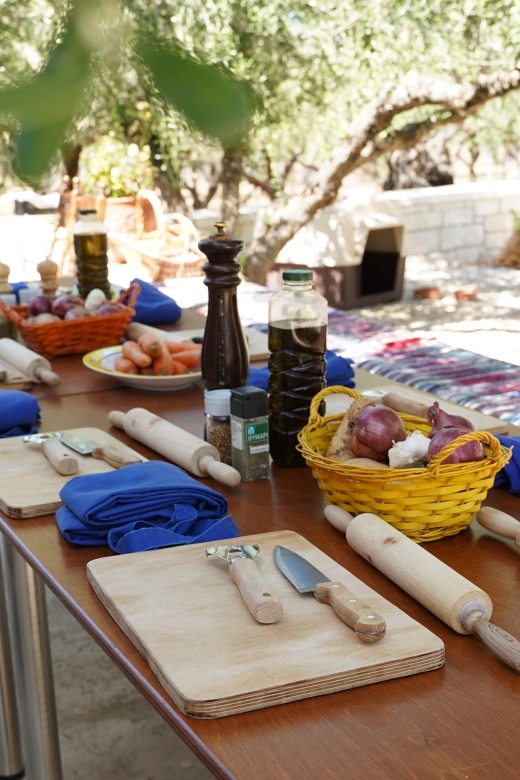
The class is in Nerokourou, a pretty neighborhood outside Chania rather than in the old harbor. That short trip matters. You leave behind the narrow lanes and restaurant terraces and reach a quieter family property with an olive grove, garden, farm animals, and, according to one particularly delighted family, some very cute puppies.
If you drive, parking is available along the fence. A taxi is another simple option, and one participant estimated a fare of about €20 from the cruise port. The exact address is supplied with the booking, and the location is described as easy to find.
Transfers can also be arranged for an extra fee. The provider uses a nine-seat van and a five-seat electric vehicle, so a transfer may be shared with other people attending the class. Ask about the cost and pickup location when you book. The phrase pickup included can be confusing here, since the transport information also clearly says that transfers involve an additional charge.
More Cooking Classes in Crete
- Chania: Authentic Cooking Class in the White Mountains
★ 4.9 · 529 reviews - Chania Cooking Class-The Authentic Enjoy traditional Cretan meal
★ 5.0 · 339 reviews - Full-Day Jeep Safari Tour with Cooking Lesson
★ 5.0 · 284 reviews
Greek Coffee, Homemade Cookies, and a Family Welcome
The class begins with a homemade refreshment or Greek coffee from Veerna. You can settle in with cookies while the menu and the cooking plan are explained. This opening is useful because it gives you time to meet the group before everyone starts chopping, rolling, and reaching for the olive oil.
The setting is a major part of the experience. This is a family home and working property, with familiar faces sometimes stopping by to say hello. Veerna’s brothers, including Kostas and Nikos, have helped with classes, and past participants have singled out their humor, warmth, and easy conversation.
That family tone is not just decoration. It shapes the pace of the class. The cooking is hands-on, but there is also time to talk, ask questions, walk through the olive grove, and watch the food come together. Families with older children have found the class welcoming, and one family said that both their 11-year-old and 14-year-old enjoyed the meal and even ate the vegetables.
The Thieves Dinner Goes Into the Wood-Fired Oven
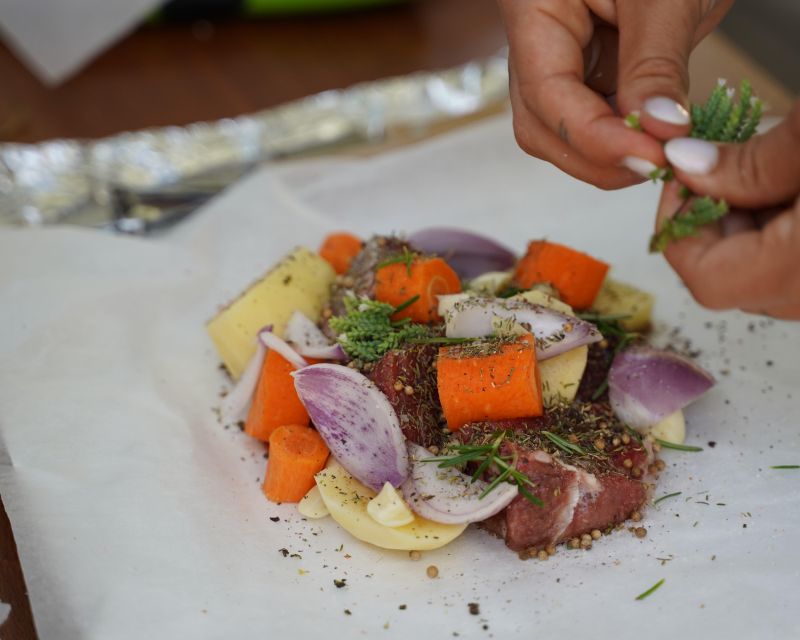
The first major dish is oven-roasted lamb. It goes into a wood-fired stone oven early, where it cooks for more than two hours while you work on the other recipes.
You also learn why this dish is called the thieves dinner. The story connects the recipe with Cretan history and the need to cook food quietly and out of sight. It gives the dish a meaning beyond ingredients and cooking time. You are not simply seasoning lamb and waiting for it to roast. You are hearing how food, hardship, and local tradition can meet in one recipe.
The oven also gives the class a useful rhythm. While the lamb cooks, you move on to dishes that need more direct attention. One participant praised the timing because there was little idle standing around. That is worth noting in a cooking class, since poor pacing can leave you bored while one person handles the important work.
Garden Herbs, Stuffed Vegetables, and Dolmades
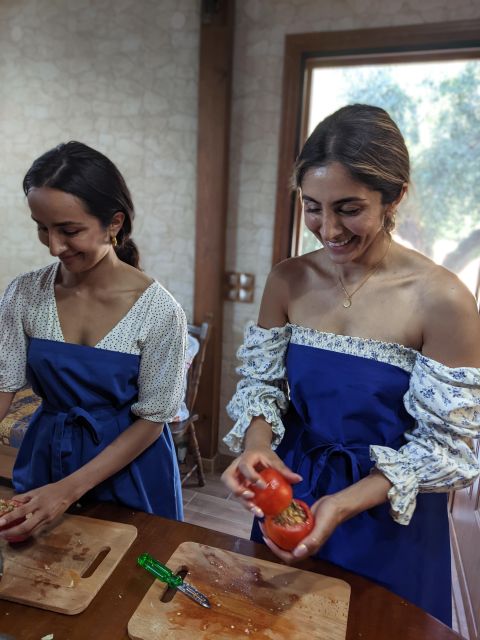
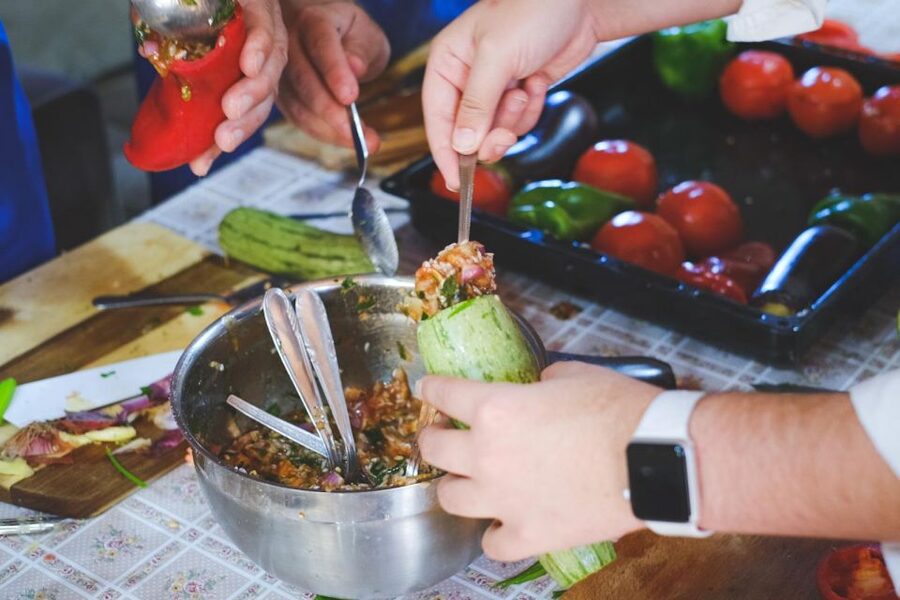
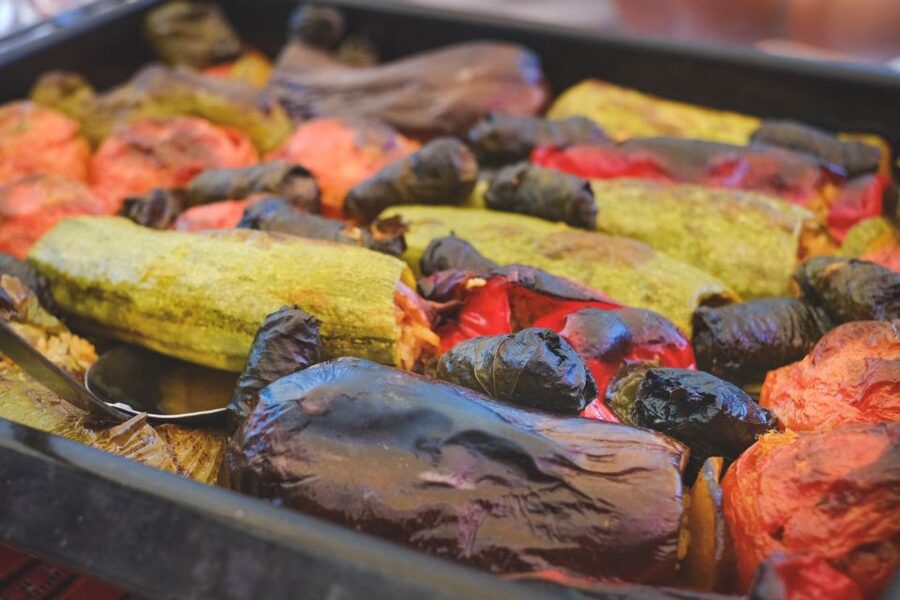
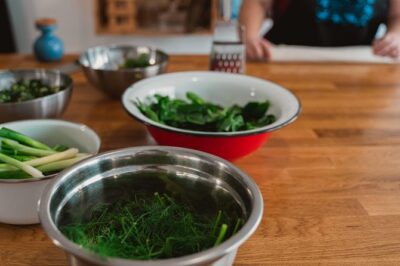
Next comes the filling for stuffed vegetables and grape leaves. You gather herbs and vegetables from the garden, then prepare the mixture used for both dishes.
This is one of the most appealing parts for anyone interested in the Mediterranean diet. The food is not presented as an abstract list of healthy ingredients. You see where some of the herbs and vegetables come from, handle them yourself, and learn how they fit into an everyday Cretan table.
Rolling dolmades takes a little patience. The grape leaf must hold its filling without splitting, and the roll needs to be snug enough to stay together during cooking. Veerna demonstrates the technique and helps you along, so you do not need previous cooking experience.
The menu is also practical. The dishes are traditional, but they are not described as impossibly difficult. Several participants appreciated receiving recipes they could try at home. One person with a broken wrist was also given help during the preparation, while a vegetarian alternative was provided for those who needed one.
More cooking classes in Chania:
- Athens: Classic Cooking Class with Market Visit and Wine
★ 5.0 · 1,101 reviews - Athens: Food Market Visit and Cooking Class with Wine
★ 4.9 · 1,087 reviews - Greek Cuisine Cooking Class in Santorini with Recipes and Wine
★ 5.0 · 969 reviews - Naxos: Half-Day Cooking Class at Basiliko Family Tavern
★ 5.0 · 887 reviews
Rolling Dough for Kalitsounia
The kalitsounia are likely to be one of the class highlights. Veerna is known locally for these small traditional pies, which she has sold for years, and you get to make the dough yourself.
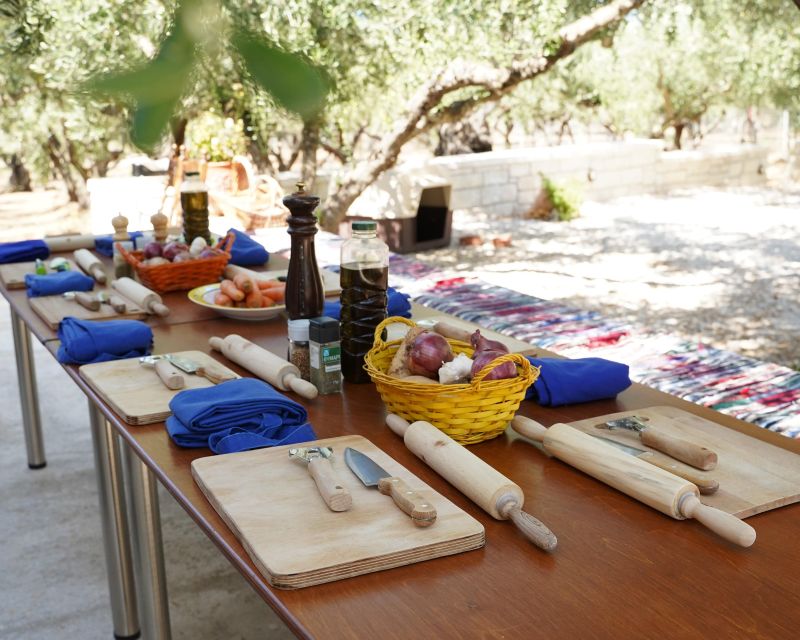
This is the point where the rolling pins come out. You roll the dough, add a filling of cheese and wild greens, and shape the pies before they go into the oven. It is a good example of the class’s balance between instruction and participation. You are not just watching a skilled cook produce something beautiful. You are learning the movements and trying them with your own hands.
Some participants were surprised by how manageable the dough was, including one who never expected to make phyllo. That does not mean every kalitsouni will look perfect on your first attempt. The value is in learning a repeatable method rather than producing bakery-window shapes.
If you like taking pictures, take a few early. Once your hands are covered in flour, oil, or filling, using your phone becomes awkward. One useful improvement would be for the hosts to share a group folder with photographs from the session, but you should not count on that being provided.
Tzatziki and Dakos: Simple Food, Big Payoff
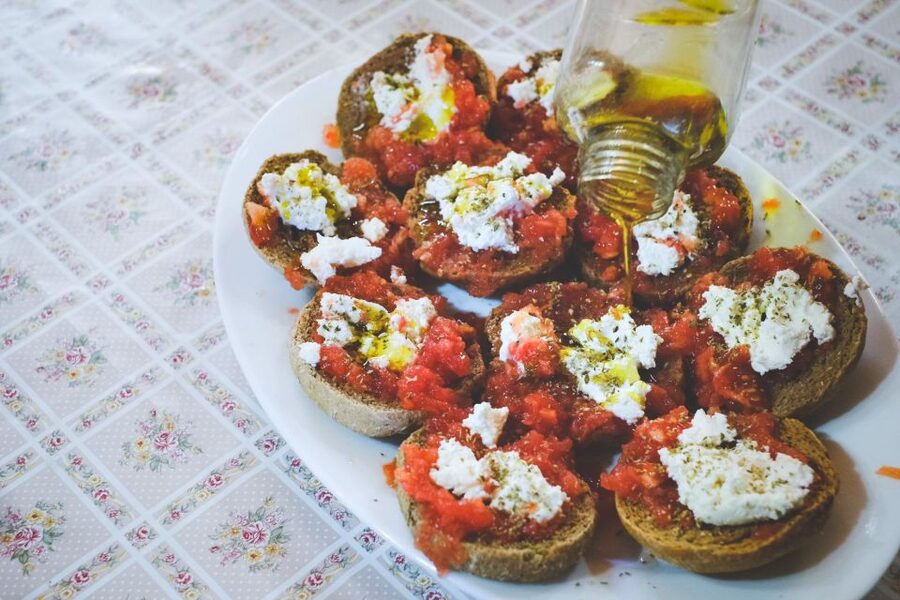
The appetizers come last in the cooking sequence but are enjoyed first at the table. You prepare tzatziki and dakos, two dishes that show how much Cretan cooking can do with straightforward ingredients.
Tzatziki is familiar to many people, but making it in a Cretan kitchen gives you a chance to pay attention to texture, seasoning, and the role of good local produce. Dakos is a traditional combination built around crisp barley rusk, tomatoes, cheese, and olive oil. It is simple, filling, and easy to recreate at home.
These dishes are especially useful for people who want recipes they will actually cook again. You do not need a special oven or rare equipment. After the class, you can use the recipes as a base for easy lunches, snacks, or shared plates.
Sitting Down to Eat With Wine, Raki, and Dessert
At the end, everything comes together as a proper meal. The lamb, stuffed vegetables, dolmades, kalitsounia, tzatziki, and dakos are served with generous amounts of local wine and raki. Dessert is also included, so plan to arrive with a serious appetite.
The meal is not a rushed final course before everyone is sent away. You sit with the family and the other participants, talk about the food, and enjoy the result of the work. Many people valued this shared table as much as the cooking itself. The hosts have been praised for not hurrying anyone out, and leftovers may be packed to take away, depending on the amount prepared.
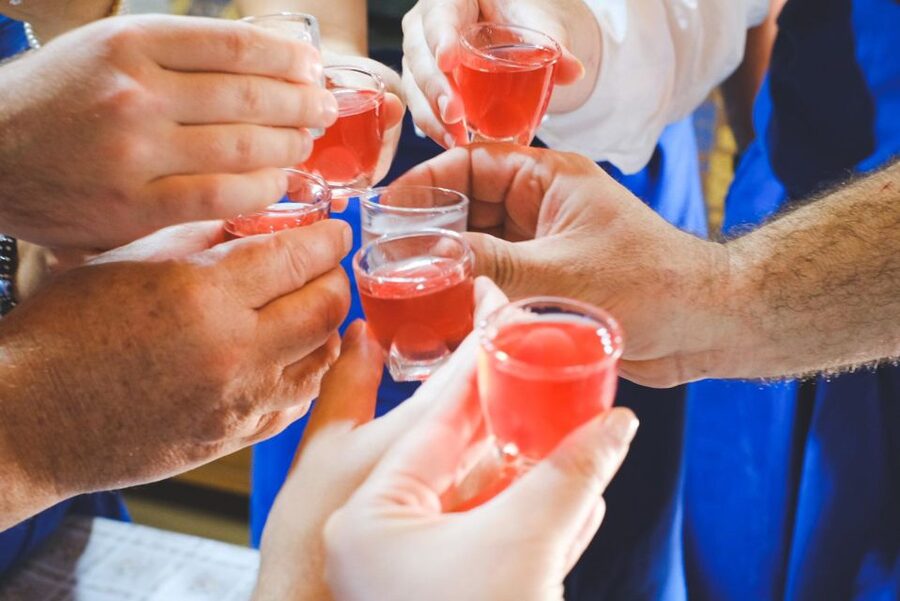
Raki deserves a small warning for anyone who does not drink much. It is a strong Cretan spirit, and the class includes generous servings. You can enjoy the ritual without feeling obliged to drink more than you want. The wine and raki are part of the welcome, not a test of endurance.
The atmosphere can also make the class feel personal. A birthday cake was arranged for one participant, turning the meal into an unexpected celebration. That sort of gesture cannot be guaranteed, but it gives you a sense of the warm, informal style you can expect from Veerna and her family.
How Much Value Do You Get for $129?
At $129 per person, this class costs more than a quick market visit or a basic cooking demonstration. The comparison is not quite fair, though, because this is a four-hour experience with a substantial meal and drinks.
Your fee includes ingredients, lunch or dinner, wine, raki, dessert, instruction, and the use of the garden and cooking area. You also receive recipes to try at home. The menu covers several dishes rather than focusing on just one, and the lamb begins cooking early so it can roast for more than two hours.
I see the price as reasonable for a special occasion, a family activity, or one of the main events in a short Chania visit. It is less compelling if you only want a quick introduction to Greek food or if you do not enjoy long meals and social conversation.
Transport is the extra cost to watch. Driving or taking a taxi keeps things simple, while the optional transfer adds convenience but not at no charge. If you are coming from a cruise port, leave enough time for the journey and return.
Who Will Enjoy This Four-Hour Class?
You are a good match for this class if you:
- Want to cook rather than only watch a demonstration
- Enjoy meeting a local family in a home setting
- Like traditional recipes with stories attached
- Are happy to spend several hours eating, talking, and learning
- Want recipes that seem realistic to make at home
- Are traveling with older children or a mixed-age family
- Prefer a quieter setting outside central Chania
It may not suit you if you need a very short activity, dislike group meals, or want a formal culinary-school atmosphere. The class is friendly and organized, but it is also personal and relaxed. Family members may come and go, and the emphasis is on hospitality as much as technique.
The experience is wheelchair accessible, which is helpful, though you should confirm any personal access requirements when booking. The language of instruction is English.
A Strong Choice for Food-Led Days in Crete
The most praised parts of this experience are remarkably consistent: Veerna’s warmth, the family atmosphere, the quality of the food, the beautiful olive grove, and the sense that you are being welcomed into a real home.
The cooking itself is approachable. You learn how to roll grape leaves, prepare stuffed vegetables, work with dough, make kalitsounia, and assemble simple Cretan appetizers. The historical explanations give the recipes context, while the final meal shows why these foods remain central to local life.
I would book this class if you want your Chania itinerary to include a personal connection, not just monuments and harbor views. The cost is fair for the amount of food, drink, teaching, and time involved, but arrange your transport and save room for dinner. Veerna’s kitchen is best treated as a full evening or afternoon outing, not a quick tourist stop.
FAQ
How far is the cooking class from Chania?
The class is in Nerokourou, about 10 to 15 minutes from central Chania by car. It is also accessible by taxi.
Is transportation included?
Transportation to the class is not included in the standard experience. You can drive and park along the fence, take a taxi, or request a transfer for an additional fee.
What food will I prepare?
The menu includes oven-roasted lamb, stuffed vegetables, stuffed grape leaves known as dolmades, kalitsounia filled with cheese and wild greens, tzatziki, and dakos.
Are drinks and dessert included?
Yes. The experience includes a full lunch or dinner, generous amounts of local wine and raki, and something sweet at the end.
Is the class suitable for children?
The class can work well for families. An 11-year-old and a 14-year-old both enjoyed one family’s experience, including the food and vegetables. The activity is hands-on and lasts about four hours.
Can I cancel or pay later?
You can cancel up to 24 hours before the activity for a full refund. Reserve-now, pay-later booking is also available.
More Workshops in Chania
- Greek Cooking Class in Athens Including Rooftop Dinner with Acropolis View
★ 5.0 · 826 reviews - Greek Small-Group Athens Cooking Class & Dinner
★ 5.0 · 574 reviews - Naxos:Half-day cooking class at Basiliko
★ 5.0 · 457 reviews - Athens: Greek Cooking Class & Dinner on a Rooftop
★ 5.0 · 383 reviews
Just added around Chania
- Chania Area: Food Tasting Tour with Winery Visit & Swim Stop★ 4.5 · 58 reviews
- Private tasting of 6 cretan wines in Fres village★ 5.0 · 32 reviews
- Chania: Paratriking Experience with a Professional Pilot★ 4.7 · 43 reviews
- From Chania: Guided Tour to Loutro (Boat tickets Included)★ 4.9 · 37 reviews
- Knossos Palace, Museum & Heraklion City Tour From Chania★ 4.2 · 61 reviews
- From Chania: Imbros Gorge Guided Hike and Village Visit★ 4.5 · 133 reviews
- From KAVROS/GEORGIOUPOLIS : Elafonisi Island Pink Sand Beach★ 4.4 · 30 reviews
- From Chania: Full-Day Trip to Santorini★ 3.8 · 97 reviews
Cooking Classes, compared.
Classic Cooking Class with Market Visit and Wine
Read our review →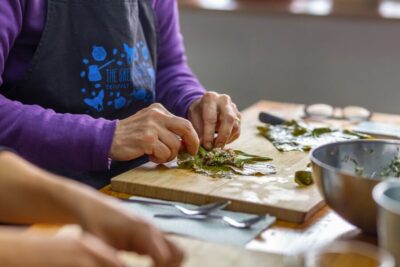
Food Market Visit and Cooking Class with Wine
Read our review →
Greek Cuisine Cooking Class in Santorini with Recipes and Wine
Read our review →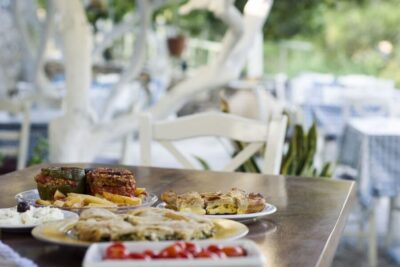
Half-Day Cooking Class at Basiliko Family Tavern
Read our review →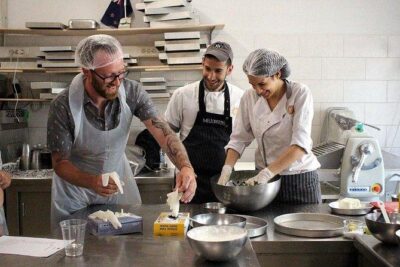
Greek Cooking Class in Athens Including Rooftop Dinner with Acropolis View
Read our review →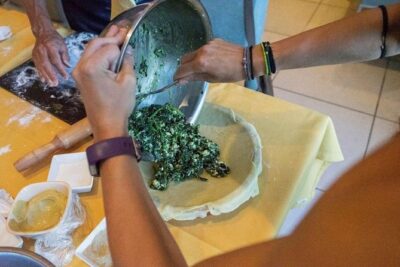
Greek Small-Group Athens Cooking Class & Dinner
Read our review →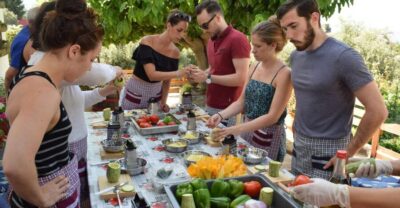
Authentic Cooking Class in the White Mountains
Read our review →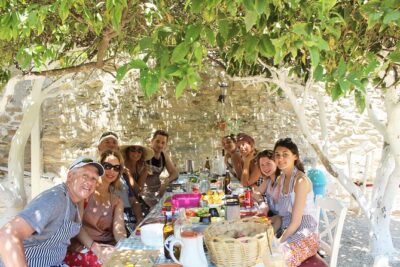
Browse the lists this tour appears in