
Reviewed · OLIVE OIL TASTINGS
Pallada Semi-Private Olive Oil Tours in Sternes, Chania
Olive oil tells Crete’s story. At Pallada in Sternes, you get more than a factory visit: you walk through an olive grove, learn how the fruit is grown and harvested, see modern production equipment, and taste four in-house extra virgin olive oils. I especially like the small group limit of eight and the practical tasting lesson, which helps you understand why oils that look similar can taste very different.
The included Cretan dakos gives the visit a satisfying local finish, and the setting at Pallada Kèpos adds herbs, flowers, vegetables, and several Greek olive tree varieties to the program. The main consideration is time. At about 90 minutes, this is a focused introduction rather than a long farm day, and the rural meeting point in Sternes requires you to arrange your own way there.
In This Review
- Key things to know before you book
- Starting among the olive trees at Pallada Kèpos
- Following the fruit into Pallada’s olive mill
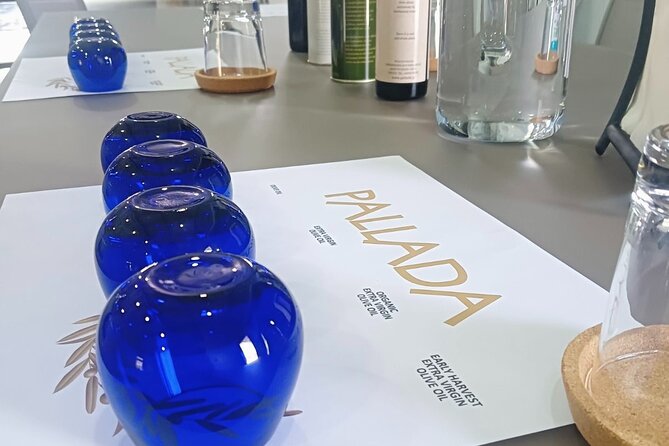
- Learning how to taste four extra virgin oils
- Finishing with Cretan dakos and your chosen oil
- Why the small group matters in Sternes
- Is $41.94 a fair price for 90 minutes?
- Who will get the most from this olive oil visit?
- Booking timing, cancellation, and practical details
- Should you book Pallada Olive Oil Tours?
- FAQ
- Where does the Pallada olive oil tour take place?
- How long does the experience last?
- What language is the tour offered in?
- How many people can join the tour?
- What will I see during the olive grove walk?
- Will I visit the olive oil mill?
- How many olive oils will I taste?
- Is food included?
- Can I cancel for a full refund?
Key things to know before you book
- Four oils are tasted side by side: You learn to compare extra virgin oils rather than simply sample one.
- The tour begins among olive trees: Pallada Kèpos includes native Cretan herbs, flowers, a small vegetable garden, and several Greek olive varieties.
- The mill is a working production setting: You walk among modern equipment and follow the stages of olive oil production.
- The group is capped at eight people: That gives you a better chance to ask questions and receive direct attention.
- A Cretan dakos ends the visit: The traditional dish is served with the olive oil of your choice.
- Bill may lead the visit: Several comments praise Bill’s clear explanation of the process and his help with tasting differences.
Starting among the olive trees at Pallada Kèpos
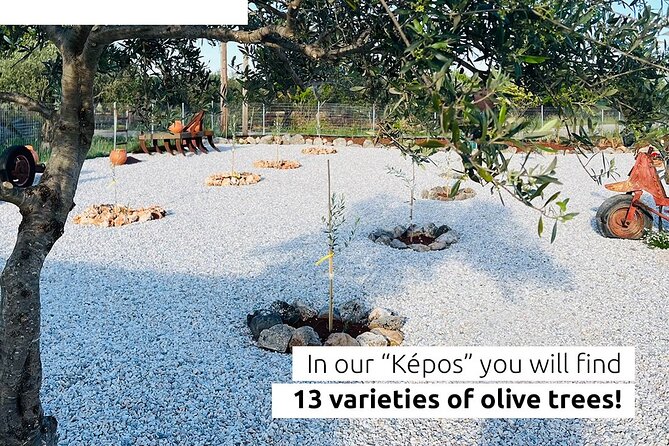
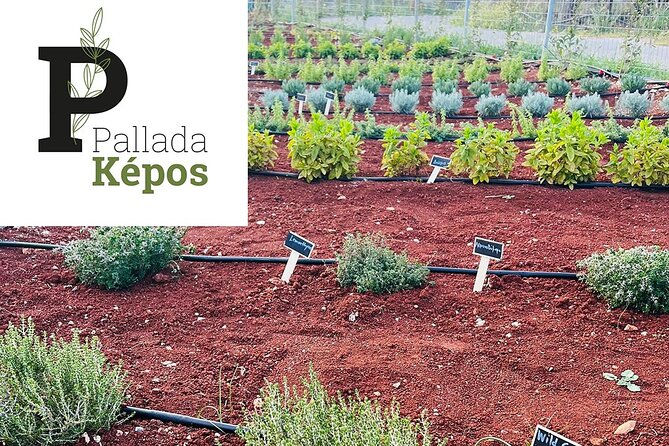
The tour begins at Pallada Olive Oil & Tours on an unnamed road in Sternes, postal code 731 00. The first part takes place at Pallada Kèpos, a small botanical park set among olive groves. This is a useful beginning because it puts the oil in its proper setting: the tree, the fruit, the soil, and the work needed before any bottle reaches a kitchen.
You will see native herbs and flowers of Crete, along with a small vegetable garden. You will also encounter several Greek olive tree varieties. That detail matters because olive oil is not one uniform product. The type of tree, the fruit, the harvest, and the handling all affect the final taste.
The guide explains the olive trees and their fruit, then outlines cultivation and harvesting. If you are new to olive oil, this section gives you the basic vocabulary and context needed for the tasting later. You begin to understand that production starts long before the olives arrive at the mill.
This garden walk also keeps the visit grounded in local customs. Olive growing is not presented as an abstract food topic. It is tied to the plants and working traditions of Crete. The setting should appeal to anyone who enjoys food with a sense of place, especially if you want something more hands-on than a standard tasting at a shop.
The botanical park is small, so do not expect a long nature walk or a major agricultural estate. Its value is in the close look at the plants and trees, not in covering a large area. The compact scale also suits the tour’s short duration.
More Olive Oil Tastings in Crete
- Knossos-Zeus Cave -Old Traditional Villages-Olive Oil Factory
★ 5.0 · 694 reviews - From Chania: Olive Oil, Wine, Cheese & Honey Tasting Tour
★ 4.6 · 490 reviews - Heraklion: Olive Farm Tour with Tasting of Local Delicacies
★ 4.9 · 411 reviews
Following the fruit into Pallada’s olive mill
After the grove, you visit Pallada’s mill facilities. The tour takes you among the modern factory production equipment, with an explanation of the stages used to make olive oil. This is where the visit shifts from agriculture to food production.
I like this combination because it answers two different questions. In the grove, you learn where olives come from and how they are grown. In the mill, you see what happens after harvest. The guide connects the fruit on the tree with the oil in your glass.
The explanation covers all phases of production, according to the tour description. That broad view should help you follow the path from harvested olive to finished oil. The exact amount of machinery you see may depend on activity at the facility, but the visit is designed to explain the production equipment in detail.
The mill is described as a small olive oil factory, not a large industrial attraction. That is a strength if you want direct contact with the operation and the people behind it. One particularly useful comment praises the local olive farmer who led the tour and tasting, noting that he answered many questions and was friendly. That kind of local perspective can make the equipment easier to understand.
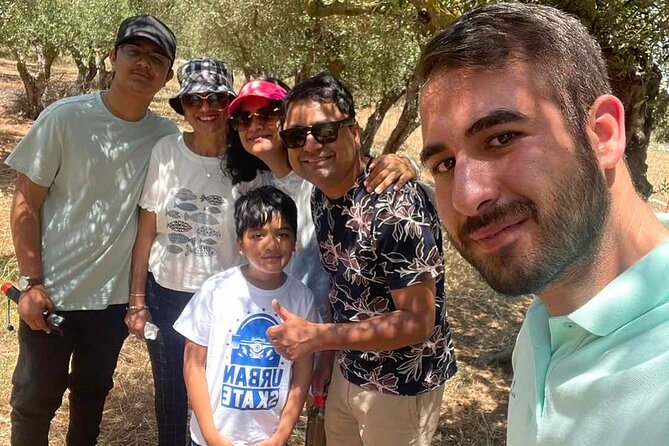
Bill is also named several times in the comments. His explanations of the olive oil-making process and tasting received strong praise, and one family found the overview useful and enjoyable. If Bill leads your session, expect a guide who can explain both the practical work and the food side of the experience.
The factory portion may be less interesting for very young children or anyone who wants only a scenic outing. It is an educational visit, and the value comes from listening, looking closely, and asking questions. If you enjoy knowing how food is made, it earns its place in the 90-minute schedule.
Learning how to taste four extra virgin oils
The tasting is the heart of the experience. You sample four different extra virgin olive oils made in-house and learn how to identify their differences. This is more useful than being handed a single sample and told that it is good. You get a direct comparison.
The guide teaches you how to taste extra virgin olive oil. The lesson helps you pay attention to differences in aroma and flavor, rather than judging by color alone. You can then compare the four oils with a clearer idea of what you are looking for.
Several strong comments focus on this part. One person found the education about telling oils apart especially worthwhile. Another said the tasting was educational, and a cooking enthusiast found the experience a perfect fit. That praise makes sense because the lesson has value beyond the visit. You can use the same basic approach later when choosing oil for salads, bread, vegetables, or cooking.
The four oils should also make the tasting more memorable. A single oil gives you an impression. Four oils let you notice contrast. You may find that one seems gentle, another more forceful, and another has a different balance of fruitiness or bitterness. The tour information does not specify the exact varieties or flavor profiles, so you should not arrive expecting a fixed menu of named oils.
The tasting is also a good reason to ask questions. With a maximum of eight people, you are not lost in a large crowd. You can ask about production, the olive varieties in the grove, or how the oils differ. The small group format is one of the clearest advantages over a large commercial tasting.
If you already know a great deal about olive oil, the introductory instruction may cover familiar ground. For most people, though, the comparison and guidance offer a useful lesson without requiring prior knowledge.
Finishing with Cretan dakos and your chosen oil
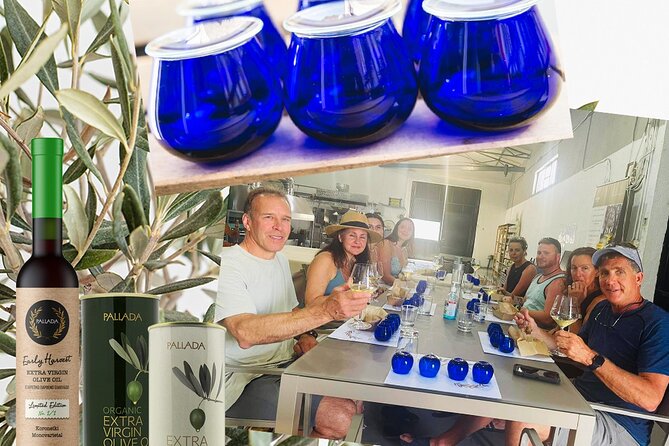
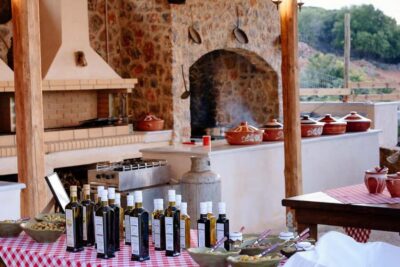
The visit ends with a traditional Cretan treat: dakos. The listed starter is Cretan dakos served with the olive oil of your choice. Dakos is a local preparation built around crisp barley rusk, with toppings that make it a simple but substantial way to taste the oil with food.
This final dish is not just a snack added to the schedule. It lets you see how the oils work at the table. After tasting them on their own, you can use your preferred oil with the dakos and notice how it changes the dish.
The choice of oil is a thoughtful touch. You are not limited to whatever the guide selects. If you prefer the oil that seemed mild, fruity, or more assertive, you can try it with the food. This makes the lesson practical and gives the visit a pleasant finish.
The menu information names only the starter, so you should not expect a full meal. Plan to regard the dakos as a traditional tasting dish rather than lunch. It is a good ending to a 90-minute activity, but you may still need another meal afterward.
More olive oil tastings around Crete:
- Zeus Cave, Lassithi Plateau, Olive Oil Factory, Kritza, Pottery
★ 5.0 · 362 reviews - From Chania: Wine and Olive Oil Tasting Tour with Snacks
★ 4.8 · 354 reviews - Crete: Knossos, Lasithi, Lasinthos and Olive Farm Combo Tour
★ 4.5 · 351 reviews - The Terra Creta Olive Oil Experience Tour
★ 4.7 · 344 reviews
Why the small group matters in Sternes
The maximum group size is eight people. That is small enough for a more personal exchange, especially during the tasting. You can hear the explanation, see the equipment, and ask questions without competing with a large crowd.
A small group also fits the nature of the visit. The experience depends on details: the shape and varieties of trees, the production stages, and the taste differences between oils. Those details are easier to follow when the guide can speak directly to the group.
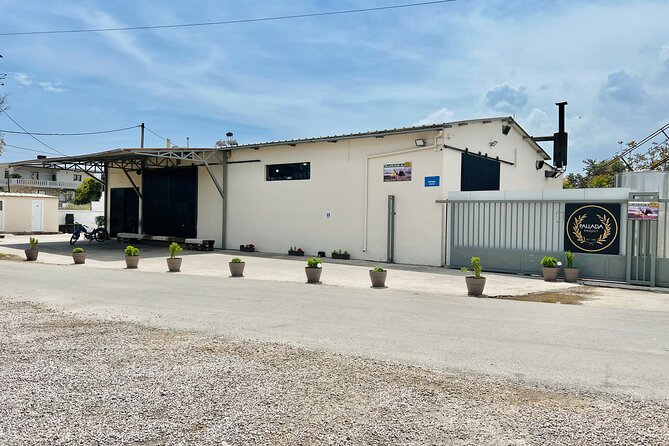
The experience is offered in English, which makes the content accessible to English-speaking visitors. A mobile ticket is provided, and confirmation is sent within 48 hours of booking, subject to availability. These details are useful, but the more important practical point is the meeting place. The activity begins and ends at Pallada Olive Oil & Tours in Sternes, and no transportation from another part of Chania is included in the supplied information.
The tour is near public transportation, and service animals are allowed. Most people can take part. Since the precise transport options and walking conditions are not described, you should check your route to Sternes before booking, especially if you are staying elsewhere in the Chania area.
Is $41.94 a fair price for 90 minutes?
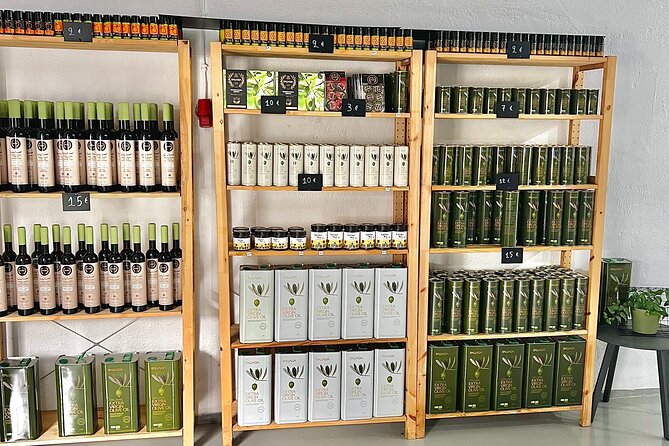
At $41.94 per person, this is not the cheapest olive oil sample you could find. You are paying for more than the oil itself, though. The price includes the grove walk, an explanation of cultivation and harvest, the mill visit, instruction in tasting, four oils, and a Cretan dakos with the oil of your choice.
The value is strongest if you enjoy food, cooking, or local agriculture. You leave with a better way to compare oils, not just a pleasant memory and perhaps a purchase. The personal attention from a group of up to eight also helps justify the cost.
The price may feel high if you want only a quick taste or a broad sightseeing tour. This is a specialized food experience. It gives you useful context and a focused introduction, but it does not include a wider tour of Chania, a full meal, or a long countryside outing.
I would consider it good value for a couple, family, or small group that wants a quiet activity away from the city. Cooking enthusiasts get the most from it, since the tasting lesson can influence how you use olive oil at home.
Who will get the most from this olive oil visit?
I would recommend Pallada to you if you enjoy understanding local food from its source. The tour works particularly well for:
- People interested in cooking and ingredients
- Visitors who want a small-group activity
- Anyone curious about olive cultivation and harvesting
- Families looking for a short educational outing
- Couples who enjoy food tastings with a local setting
- People who prefer a working mill to a formal museum
The visit may be less suitable if you need a long, action-packed excursion. It is also not the right choice if you expect a full meal or a large farm with extensive walking. Its appeal is focused and practical.
The short length can be an advantage during a busy Crete itinerary. At about 1 hour and 30 minutes, you can fit it around other plans more easily than a half-day tour. On the other hand, you need to allow time to reach Sternes and return, since the listed duration covers the activity itself.
The strong overall response reflects the experience’s main strengths: clear instruction, personal attention, and a tasting that teaches you something. The most repeated praise goes to Bill’s explanations and the ability to distinguish different oils. Those are the parts I would value most when deciding.
Booking timing, cancellation, and practical details
The activity is often booked about 21 days ahead, so I would reserve early if your dates in Chania are fixed. Confirmation arrives within 48 hours, subject to availability.
You can cancel for a full refund if you do so at least 24 hours before the local start time. Cancellations or changes made less than 24 hours before the experience are not refunded or accepted. That policy is reasonable, but it makes it important to check your transport plan before the deadline.
The tour is conducted in English and uses a mobile ticket. It begins and ends at the same Sternes meeting point. Service animals are allowed, the activity is near public transportation, and most people can participate.
Should you book Pallada Olive Oil Tours?
Book it if you want a friendly, small-scale introduction to Crete’s olive oil traditions, with enough explanation to make the tasting meaningful. The combination of olive trees, mill equipment, four oils, and Cretan dakos gives the visit a clear beginning, middle, and end.
I would especially choose it if you cook, enjoy comparing foods, or want a quieter cultural activity near Chania. Skip it if you are searching for a full-day farm outing, a full meal, or a broad sightseeing tour. For the right audience, the price buys a useful lesson in one of Crete’s most important foods, not just a few sips in a glass.
FAQ
Where does the Pallada olive oil tour take place?
The tour takes place at Pallada Olive Oil & Tours on an unnamed road in Sternes, Chania, Greece, postal code 731 00.
How long does the experience last?
The activity lasts approximately 1 hour and 30 minutes.
What language is the tour offered in?
The tour is offered in English.
How many people can join the tour?
The maximum group size is eight people.
What will I see during the olive grove walk?
You will walk through Pallada Kèpos, a small botanical park among olive groves. It includes native Cretan herbs and flowers, a small vegetable garden, and several Greek olive tree varieties.
Will I visit the olive oil mill?
Yes. You will visit the mill facilities and walk among the modern production equipment while learning about the stages of olive oil production.
How many olive oils will I taste?
You will taste four different extra virgin olive oils made in-house and learn how to distinguish their differences.
Is food included?
Yes. The visit ends with a traditional Cretan treat. The sample menu lists Cretan dakos served with the olive oil of your choice.
Can I cancel for a full refund?
Yes. You can receive a full refund if you cancel at least 24 hours before the experience start time. Cancellations or changes made less than 24 hours before the start time are not accepted or refunded.
Just added around Crete
- From Chania: Crete World War II History Tour★ 4.9 · 65 reviews
- Traditional Olive Grove and Dragon Fruit Farm Tour★ 4.8 · 118 reviews
- Quad Safari Off-Road Evening Tour★ 5.0 · 69 reviews
- Heraklion – Walking city tour with food tasting★ 4.5 · 25 reviews
- Troy Dinner-Show★ 5.0 · 103 reviews
- Crete Shore Trip & Knossos Palace from Heraklion (Iraklion) Port★ 5.0 · 25 reviews
- Knossos & Lasithi Plateau: Zeus Cave,Villages, Olive Oil Tour★ 5.0 · 328 reviews
- Heraklion : Spinalonga, Agios Nikolaos , Elounda Boat Tour & BBQ★ 3.5 · 32 reviews
Olive Oil Tastings, compared.
Knossos-Zeus Cave -Old Traditional Villages-Olive Oil Factory
Read our review →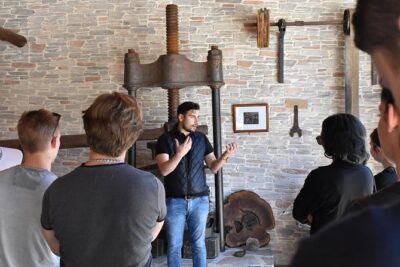
The Governor’s Olive Mill Tour with Olive Oil Tasting
Read our review →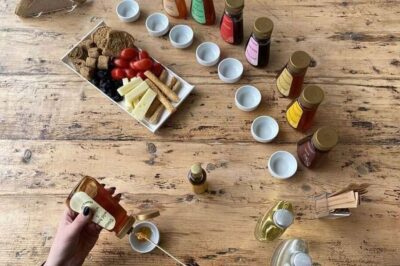
Olive Farm Tour with Tasting of Local Delicacies
Read our review →
Zeus Cave, Lassithi Plateau, Olive Oil Factory, Kritza, Pottery
Read our review →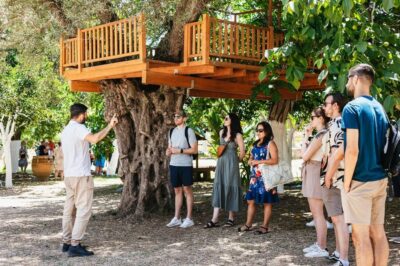
Knossos, Lasithi, Lasinthos and Olive Farm Combo Tour
Read our review →
Browse the lists this tour appears in