
Reviewed · ACROPOLIS TOURS
Athens: Acropolis, Parthenon & Acropolis Museum Guided Tour
Ancient Athens rewards a careful guide. This walking tour links the Acropolis monuments with the Acropolis Museum, so you see both the weathered stones above and the sculptures, objects, and archaeological clues below. I especially like the south-slope route, which brings you past the Theater of Dionysus and Odeon of Herodes Atticus before the Parthenon. I also like the wireless hearing devices, a small detail that matters when Athens is crowded and your guide is speaking several paces away.
The main consideration is physical effort. You will walk uphill, cross uneven stone, and spend roughly four hours listening and moving through major sites. The tour is not suited to wheelchair users or people with mobility impairments, and free time for wandering alone may be limited.
In This Review
- Key points to know before you book
- Starting at Porinou 5 and climbing the south slope
- Theater of Dionysus: where Greek drama found its stage
- Odeon of Herodes Atticus and the healing sanctuary
- Propylaea and Temple of Athena Nike
- The Parthenon, seen with context
- Erechtheion and the Acropolis viewpoint
- The Acropolis Museum brings the stones to life
- What the guide adds for about $41
- Timing, crowds, rain, and practical comfort
- Who will get the most from this tour?
- Should you book the Acropolis and museum tour?
- FAQ
- Where does the tour meet?
- What language is the tour conducted in?
- How long does the experience take?
- Are Acropolis entrance tickets included?
- Is entry to the Acropolis Museum included?
- Does the tour include food or drinks?
- Is hotel pickup or drop-off provided?
- What should I bring?
- Is the tour suitable for wheelchair users?
Key points to know before you book
- Theater-first route: You begin on the Acropolis south slope, passing the Theater of Dionysus and the Odeon of Herodes Atticus before reaching the summit.
- Archaeologist-led storytelling: Guides such as Petros, Demos, Anna, Lisa, Artemis, and Aphrodite have been praised for clear explanations, humor, and lively accounts of mythology and daily life.
- The museum completes the picture: The Acropolis Museum gives meaning to the broken columns and missing sculptures on the hill.
- About $41 per person: That is a fair price if you want site interpretation, museum guidance, and less ticket-line fuss.
- Plan for a climb: Wear firm, comfortable shoes, bring a sun hat, and expect slippery or uneven sections.
- Choose tickets carefully: Skip-the-line Acropolis entry applies when you select the ticket-included option. Museum skip-the-line entry is included.
Starting at Porinou 5 and climbing the south slope
You meet the guide at the Athens Walks office on Porinou 5, near the Acropolis Museum area. There is no hotel pickup, so you need to reach the meeting point on your own and arrive ready to walk.
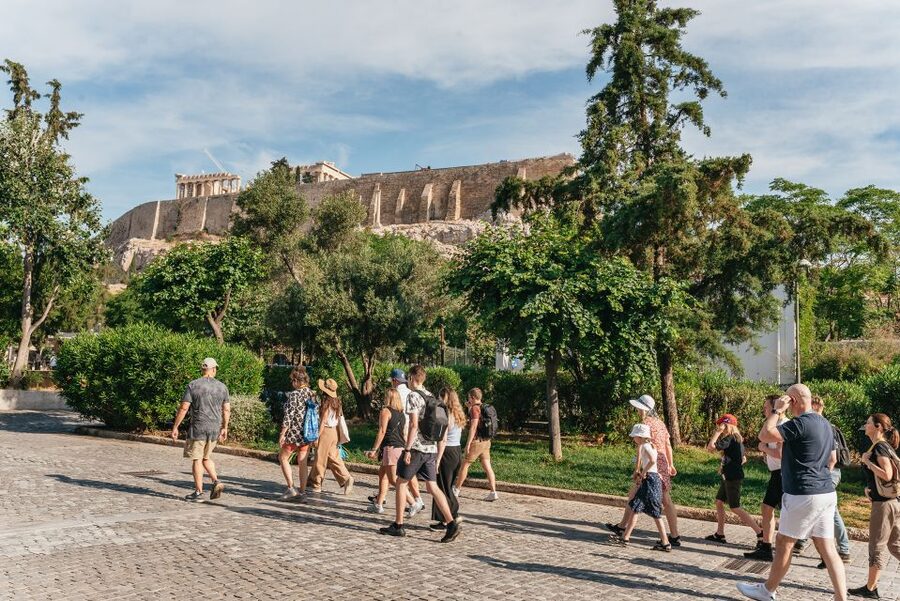
The tour enters from the south slope rather than heading straight for the Parthenon. I prefer this approach because the Acropolis is not just one famous temple. The lower monuments show how theater, healing, worship, and public life worked around the sacred hill.
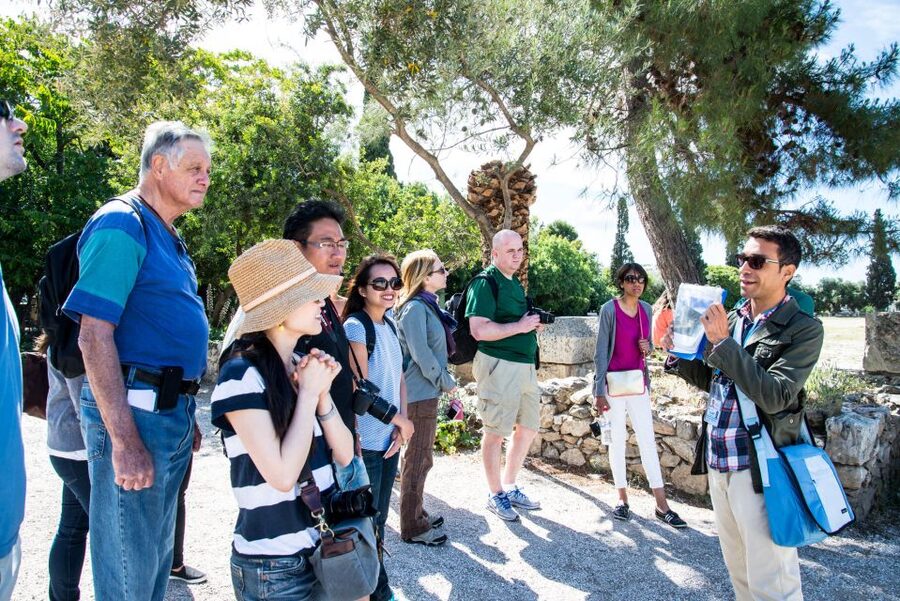
The pace is described as leisurely, but do not confuse that with effortless. You will climb, stop, listen, take photographs, and climb again. Guides generally pause while explaining a site, which helps, especially when the group includes children or people who need a breather.
Groups can be around 15 to 20 people, based on the tour experiences described. That is large enough to provide energy but small enough for a guide with a microphone and wireless listening device to keep people together. Still, you should expect a group rather than a private walk.
More Museums in Athens
- Athens: Acropolis, Parthenon & Acropolis Museum Guided Tour
★ 4.8 · 9,316 reviews - Athens: Mythology of Delphi, Museum and Arachova Guided Tour
★ 4.6 · 4,008 reviews - Acropolis monuments & Parthenon Walking Tour with Optional Acropolis Museum
★ 5.0 · 2,678 reviews
Theater of Dionysus: where Greek drama found its stage
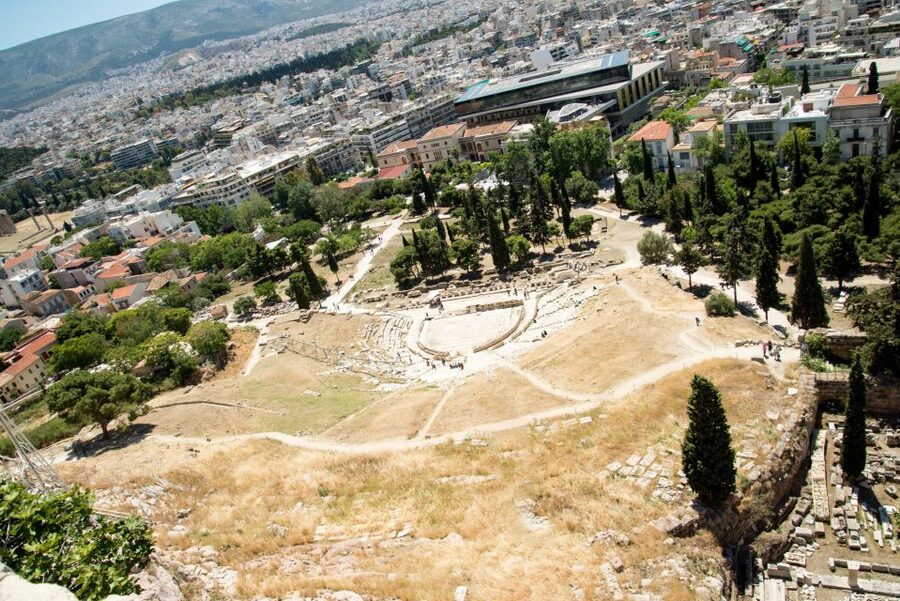
The first major stop is the Theater of Dionysus, an open-air amphitheater often linked with the beginnings of Western theater. Your guide explains how the venue connected religious festivals with plays by Aeschylus, Sophocles, and Euripides.
You can sit briefly on a stone seat and picture ancient spectators watching tragedies and comedies below. The stones are not a stage set. They are worn, incomplete, and surrounded by the city, which makes the explanation more useful than a quick photograph from the path.
The scheduled visit is about 15 minutes. That is enough for the main story, but not enough for an extended study of every visible feature. If theater is your main interest, you may want to return later with more time.
This is also where an archaeologist-guide earns the fee. A bare monument can look like a semicircle of old stone. A good explanation gives it purpose, audience, sound, and place in Athenian life.
Odeon of Herodes Atticus and the healing sanctuary
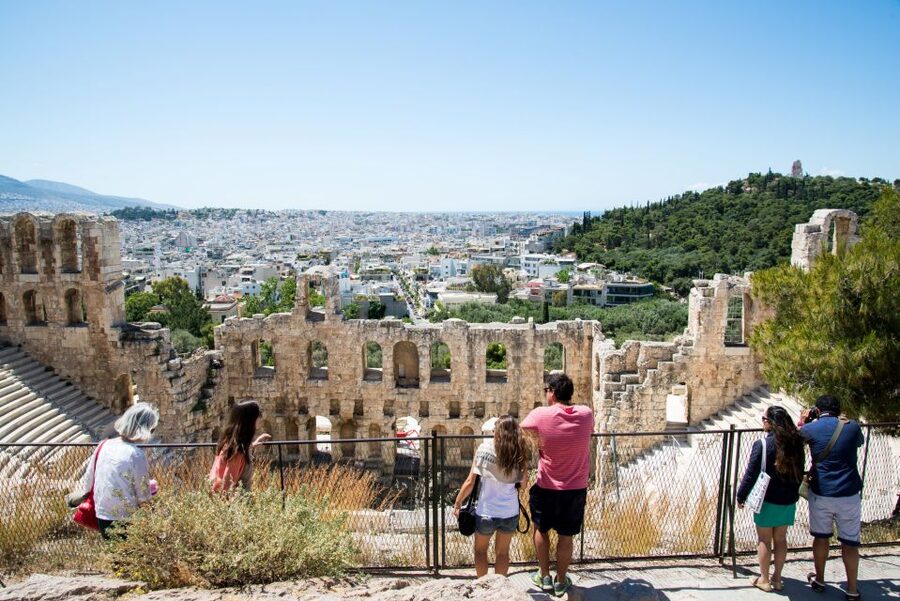
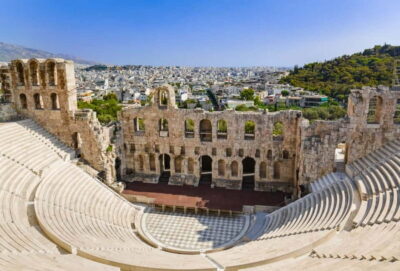
The route continues past the Odeon of Herodes Atticus, a smaller, more enclosed theater with a striking curved wall. Unlike many ruins that are used only for display, this theater still hosts performances during the Athens Festival from May through October.
The tour does not attend a performance, of course. Instead, you hear how the building has continued to serve public life. The contrast is memorable: one theater belongs mainly to archaeology, while the other still fills with music and audiences.
Nearby, the guide points out the remains of an Asclepius sanctuary, a healing place dedicated to the god of medicine. This quieter stop adds needed variety before the grand temples above. It also reminds you that the Acropolis was not only about political power and monumental architecture. People came seeking healing and religious help too.
The walk from Makrygianni and through the lower slope includes a break of about 15 minutes. Use these pauses for water, photographs, and a quick check of your footing. Glass bottles and large bags may not be allowed in monument areas, so follow the operator’s instructions and keep belongings compact.
Propylaea and Temple of Athena Nike
At the top, the Propylaea forms the monumental gateway to the Acropolis. The approach matters. You do not simply appear beside the Parthenon. You pass through an entrance designed to control movement and create a sense of arrival.
The guide discusses the gateway, its construction, and the way visitors would have approached the sacred center. The stop is also a natural photo opportunity, though crowds can make a clear view difficult. An early starting time helps, and one direct tip from the experience is worth taking seriously: the Acropolis can be busy even early in the day.
The small Temple of Athena Nike sits by the entrance. Its dedication to Athena as a bringer of victory gives the guide a chance to explain the mix of religion, civic identity, and military ambition in classical Athens.
This stop lasts only about five minutes, so expect a focused explanation rather than a long pause. Your guide may need to keep the group moving to stay on schedule and avoid blocking the route.
More ways to see the Acropolis:
- Athens: Acropolis & up to 5 Archaeological Sites Combo Pass
★ 4.4 · 12,619 reviews - Athens: Acropolis Ticket with Optional Audio or Live Guide
★ 4.2 · 11,055 reviews - Athens: Acropolis and Parthenon Guided Walking Tour
★ 4.6 · 5,882 reviews - Athens: Acropolis Ticket with Audio Guide
★ 4.0 · 3,575 reviews
The Parthenon, seen with context
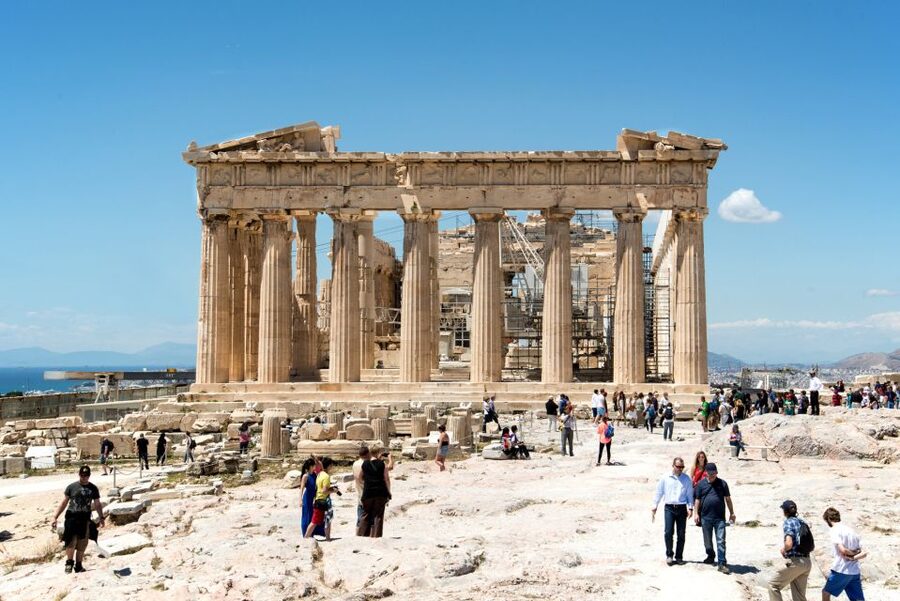
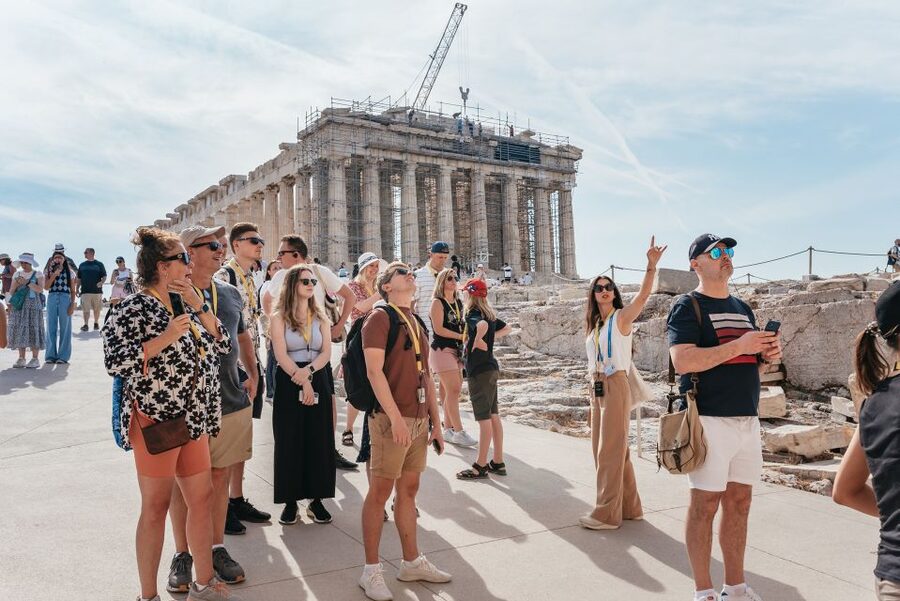
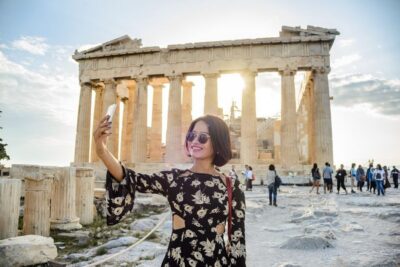
The Parthenon receives about 30 minutes, making it the longest monument stop. That sounds generous until you see how much there is to discuss: the temple’s dedication to Athena, its architectural design, its construction, later changes, and the damage that shaped its present form.
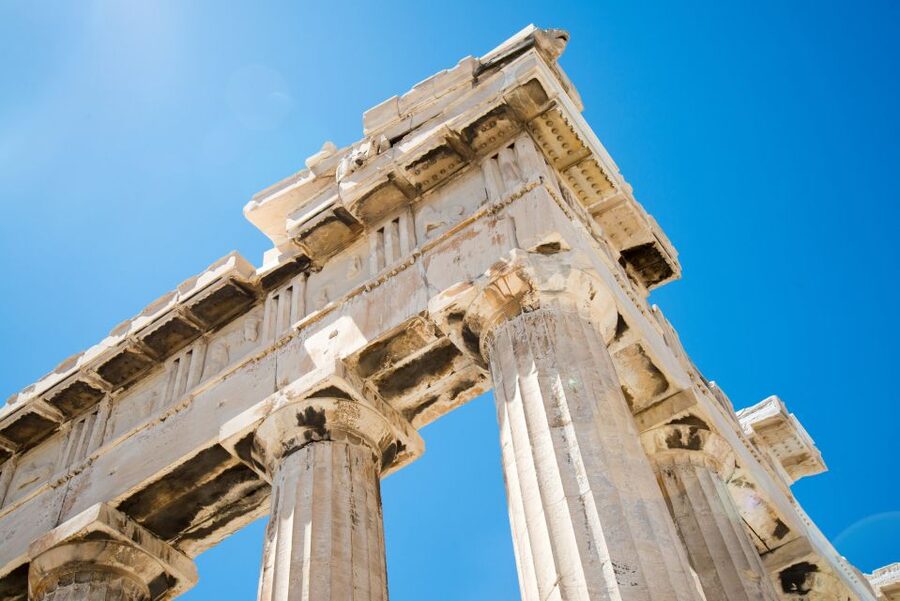
A good guide helps you look beyond the familiar front view. You learn to notice the scale of the columns, the carved decoration, and the care built into a structure that now appears fragmentary. Guides have used photo booklets and reconstructions to show how parts of the Acropolis once looked, which can make the ruins easier to read.
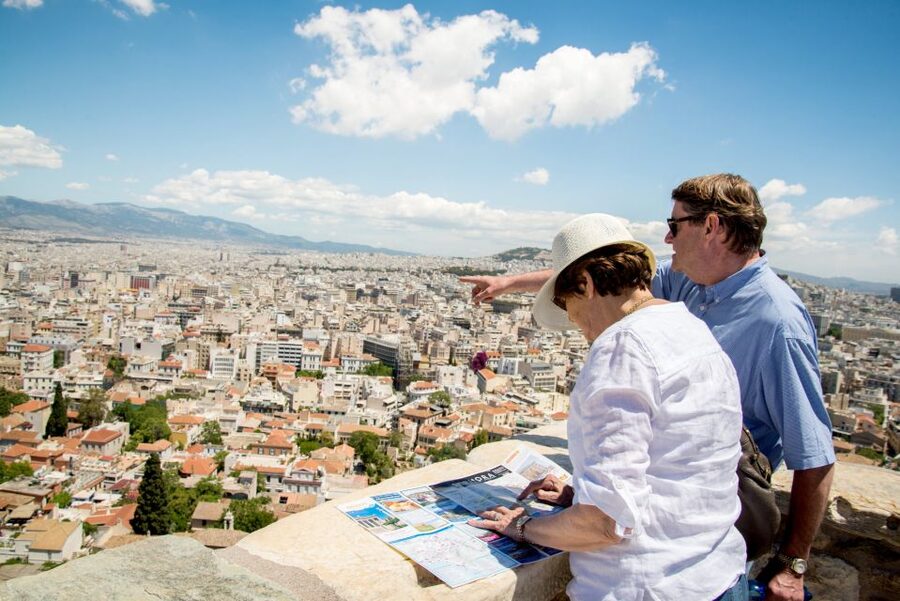
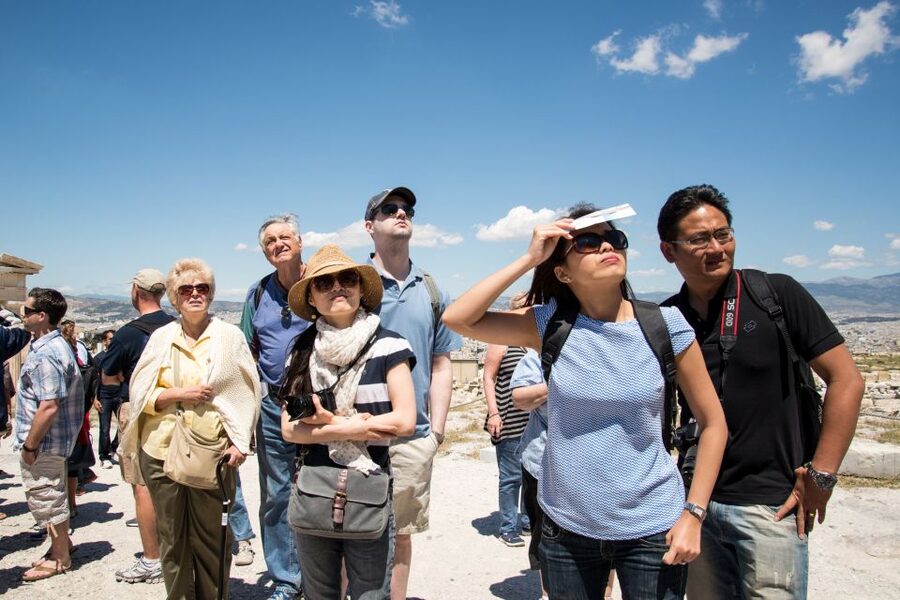
The Parthenon is also the point where the views become part of the visit. From the hilltop, Athens spreads below you, with a broad city panorama and distant mountain views when conditions allow. Take your photographs, but listen before racing to the next viewpoint. The site is crowded, and the best experience comes from balancing the famous image with the explanation of what you are actually seeing.
The Acropolis is exposed. Bring a sun hat, wear comfortable shoes, and carry only what you need. There is no Acropolis elevator included, and the tour is not suitable for wheelchair users or people with mobility impairments.
Erechtheion and the Acropolis viewpoint
The Erechtheion receives about 10 minutes and offers a useful contrast with the Parthenon. Its unusual design and the famous Caryatid figures give your guide room to explain how different sacred traditions could share one complex.
The tour presents the building as more than a second photograph stop. You hear about its religious importance and the details that make it unlike the regular, symmetrical Parthenon. The Caryatids are especially helpful when you later visit the museum, where related sculpture and architectural pieces are displayed with greater protection and detail.
After the main monuments, you get about 15 minutes for a break, photographs, and some free time on the Acropolis. Do not count on a long independent exploration period. The guide needs to move the group down toward the museum, and several people have found the guided format more structured than free-form.
That structure is a benefit if you want the essential story in one visit. It is a drawback if you already know Greek archaeology and would rather spend an hour studying one temple at your own pace.
The Acropolis Museum brings the stones to life
The walk down Dionysiou Areopagitou leads to the New Acropolis Museum. The museum portion lasts about 90 minutes, which is a major reason this tour offers more value than a simple hilltop walk.
On the Acropolis, you see buildings in place but often without their original sculpture, color, or small objects. In the museum, the pieces are arranged in galleries that explain how the sanctuary developed and what daily life around it looked like.
The Gallery of the Slopes is particularly memorable. A glass floor can reveal archaeological excavation work beneath the museum, giving you a view into the layers below modern Athens. The museum also contains statues and objects connected to ordinary life, not only grand religious art.
The glass gallery that recreates the Parthenon is another strong point. It helps you compare the temple’s original decorative program with the surviving building above. The Caryatids and other sculpture make more sense after you have seen their architectural setting on the hill.
You can take a short break at the museum cafe, but food and drinks cost extra. A guide-led museum visit also has a practical advantage: the collection is large, and 90 minutes can pass quickly. Guides such as Elizabeth, Selina, Helena, and Annie have been praised for explaining the evolution of the statues and tying museum objects back to the monuments outside.
One honest warning: the museum can feel like a lot after the climb. If you are tired, the final galleries may test your concentration. Still, I would keep this combined tour rather than choosing the Acropolis alone. The museum is where many scattered details come together.
What the guide adds for about $41
At roughly $41 per person, this tour costs more than buying admission and walking around with a printed guide. The real question is what you want from the visit.
The price includes the live English-speaking guide, the guided Acropolis monuments, the Parthenon, the museum tour, wireless hearing devices, and museum skip-the-line entry. If you choose the ticket-included option, skip-the-line Acropolis tickets are also covered. If you choose the option without Acropolis entrance tickets, you must order those tickets online before arriving at Porinou 5.
That distinction matters. A lower advertised price can become less convenient if you still need to arrange the main entry yourself. Check exactly which option you are buying.
I see the strongest value in the guide’s interpretation. Petros has been praised for balancing historical detail with pauses and photo time. Demos has been singled out for anecdotes and mythology. Anna, Artemis, Lisa, Aphrodite, and other guides have earned strong praise for warmth, clarity, and the ability to keep children engaged.
The individual guide can shape the day. Some are energetic and humorous. Others give dense archaeological detail. The operator cannot promise a particular guide, so book this for the format and subject, not for one named person.
Timing, crowds, rain, and practical comfort
The stated duration is two to four hours, though some complete versions have taken about four hours or slightly longer depending on conditions and the pace of the museum visit. Check the available start times when booking.
An early tour is the safest choice for lighter crowds and cooler conditions. Even early in the day, the Acropolis can be busy, so stay close to the guide and use the wireless device. Several guides have helped groups move through crowds while warning about slippery sections and keeping an eye on personal belongings.
Weather can change the order. On a rainy day, the museum may come first, giving you useful background before the climb. If rain eases, the group can finish outside on the Acropolis. That flexibility is sensible, but the hilltop remains exposed, and wet stone needs care.
Bring your passport or ID card, comfortable walking shoes, and a sun hat. Do not bring pets, oversized luggage, baby strollers, large bags, or smoking materials. Food and drinks are not included. The tour ends at the Acropolis or near Areopagus Hill, rather than returning you to your hotel.
Who will get the most from this tour?
I would recommend it most strongly to a first-time Athens visitor who wants the major sites explained in one well-organized outing. You receive the grand monuments, the lower-slope sites, the city views, and the museum rather than a quick rush to the Parthenon.
It also suits families. One guide kept four children engaged, including a seven-year-old who stayed beside her for much of the tour. That said, parents should prepare children for a long walk, hot sun, uneven ground, and a museum visit after the climb.
You may prefer a shorter or self-guided visit if you dislike fixed pacing, want extensive time for photography, or already have a strong background in Greek archaeology. The tour is also a poor match for anyone with significant mobility limits.
The cancellation policy is forgiving: you can cancel up to 24 hours ahead for a full refund, and reserve now while paying later. Those terms help if your Athens schedule is still shifting.
Should you book the Acropolis and museum tour?
Book it if you want the Acropolis to make sense, not merely appear in your camera roll. The combination of the Theater of Dionysus, Propylaea, Temple of Athena Nike, Parthenon, Erechtheion, and museum gives you a fuller visit than the headline monument alone.
Choose the ticket-included option if you value simpler entry arrangements. Pick an early start, pack light, and accept that the day is active and guided rather than leisurely in the independent sense.
At about $41, the tour is good value for a first visit, especially because the museum explanation completes what you see on the hill. If you want quiet study and total freedom, go independently. For most first-time visitors, I would pay for the guide.
FAQ
Where does the tour meet?
Meet at the Athens Walks tour office on the ground floor at Porinou 5 in Athens.
What language is the tour conducted in?
The live tour guide speaks English.
How long does the experience take?
The stated duration is two to four hours. The full Acropolis and museum visit may take about four hours depending on the schedule and conditions.
Are Acropolis entrance tickets included?
They are included only when you select the option with entrance tickets. If you choose the option without them, order your Acropolis tickets online before arriving at the meeting point.
Is entry to the Acropolis Museum included?
Skip-the-line entry to the Acropolis Museum is included.
Does the tour include food or drinks?
No. Food and drinks are not included, though you may have a break at the museum cafe at your own expense.
Is hotel pickup or drop-off provided?
No. Pickup and standard hotel drop-off are not included. The tour ends at the Acropolis or near Areopagus Hill.
What should I bring?
Bring your passport or ID card, comfortable shoes, and a sun hat.
Is the tour suitable for wheelchair users?
No. The experience is not suitable for wheelchair users or people with mobility impairments. It includes uphill walking and uneven surfaces, and the Acropolis elevator is not included.
Just added around Athens
- Delphi One Day Trip from Athens★ 4.0 · 98 reviews
- Mercedes Private Tour to Delphi and Arachova★ 5.0 · 30 reviews
- Private Delphi and Hosios Loukas Monastery – Great Lunch and Drinks Included★ 5.0 · 36 reviews
- Day tour to Ancient Olympia,Ancient Sparta Mycenae Including Meal★ 5.0 · 54 reviews
- Athens: Half Day Trip To Cape Sounio/Poseidon Temple Semi Private★ 5.0 · 131 reviews
- Athens Half-Day Private Tour Acropolis, Parthenon City Highlights★ 5.0 · 35 reviews
- From Athens: Day Tour to Mykonos★ 5.0 · 64 reviews
- Culinary Secrets of Downtown Athens★ 5.0 · 103 reviews
Acropolis Tours, compared.
Acropolis & up to 5 Archaeological Sites Combo Pass
Read our review →
Acropolis, Parthenon & Acropolis Museum Guided Tour
Read our review →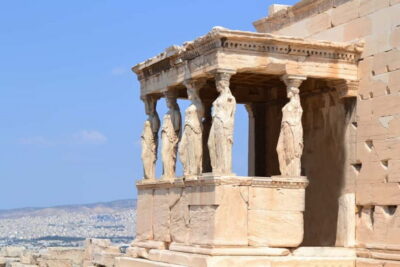

Acropolis: Acropolis and Parthenon Guided Walking Tour
Read our review →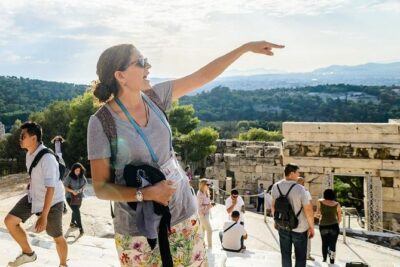
Acropolis monuments & Parthenon Walking Tour with Optional Acropolis Museum
Read our review →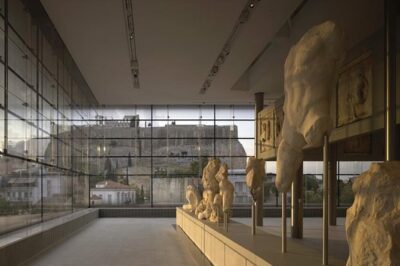
Athens All Included: Acropolis and Museum Guided Tour with Ticket
Read our review →Browse the lists this tour appears in