
Reviewed · ACROPOLIS TOURS
Athens All Included: Acropolis and Museum Guided Tour with Ticket
Ancient Athens rewards careful attention. This small-group tour pairs the Acropolis with the Acropolis Museum, giving you the stories behind the stones instead of leaving you to decode a guidebook on your own. I like the pre-reserved admission and the use of headsets, which make a busy hilltop visit easier to manage. I also like the guides’ careful pacing, especially when a group includes mixed walking abilities.
The main drawback is the limited free time at the Acropolis. You may get only about 10 minutes to wander and take pictures without commentary, so this suits you best if you want a guided lesson rather than a mostly independent visit. At $165.67 per person, it is not a bargain admission ticket, but the price includes both sites, a guide, timed entry, and a small-group format.
In This Review
- Key points to know before booking
- Why a guide helps at the Acropolis
- Entering through the Propylaea
- The Parthenon, seen with context
- The Erechtheion and the Acropolis corners
- The short break between the hill and museum
- Making sense of the Acropolis Museum
- What the $165.67 price really buys
- Who will enjoy this tour most
- Practical advice for a smoother visit
- Should you book the Acropolis and Museum tour?
- FAQ
- How long does the tour last?
- Where does the tour begin and end?
- Are admission tickets included?
- Is this a private tour?
- Is the tour suitable for children and people with mobility limits?
- What happens if I arrive late?
Key points to know before booking

- Two major Athens sights in about three hours: You visit the Acropolis first, then the Acropolis Museum.
- Pre-booked tickets save time: You use a reserved-entry queue, though high-season crowds can still cause a wait.
- The tour covers the Parthenon and much more: The Erechtheion, Propylaea, Temple of Athena Nike, Theatre of Dionysus, and north side temples all receive attention.
- Headsets help on a crowded hilltop: You can hear the guide without needing to stand shoulder to shoulder.
- The museum visit is brief but useful: The guided portion lasts about 45 minutes, then you may stay longer independently.
- Arrive early and wear proper shoes: The tour departs sharply, and the Acropolis involves stairs, uneven surfaces, and steady walking.
Why a guide helps at the Acropolis
The Acropolis is easy to recognize and surprisingly hard to understand on your own. You can see the Parthenon from many points in Athens, but the hill contains several monuments, layers of worship, and architectural details that are easy to miss without someone pointing them out.
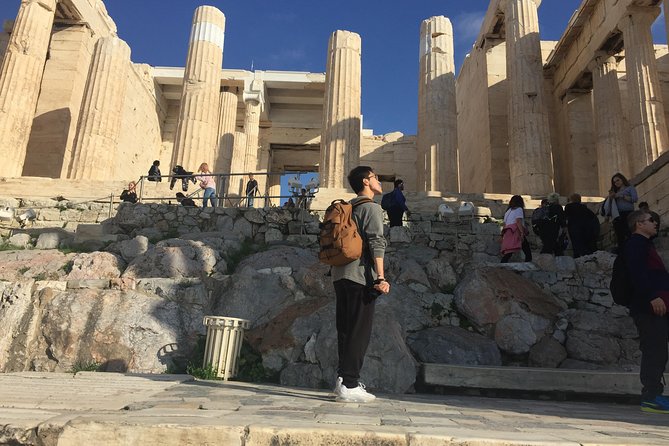
A good guide gives the site a sequence. You begin at the monumental Propylaea, the formal gateway that prepared ancient worshippers for the sacred area beyond. From there, the route brings you to the Temple of Athena Nike, the Erechtheion, and the Parthenon, with explanations of how each building served Athenian religious and civic life.
The best part of this approach is the connection between physical detail and old ideas. Columns, processions, shrines, and carved figures become part of a larger picture of fifth-century BC Athens under Pericles. The tour also brings in mythology and the city’s political ambitions, so you are not simply hearing dates while looking at broken marble.
The headsets matter. The Acropolis can be crowded, windy, and noisy, and a guide speaking only to the people closest to her can quickly lose half the group. With headsets, you can look around, take in the views, and still follow the explanation.
The group may include up to 20 people. That is small enough for a more personal feel than a large coach excursion, but it is not the same as a truly private tour. The strongest guide reports describe warm, engaging leaders who answered questions, kept people together, and adjusted the pace when needed. Eva, Antigone, and Lisa are among the guides singled out for clear explanations, patience, and enthusiasm.
More Museums in Athens
- Athens: Acropolis, Parthenon & Acropolis Museum Guided Tour
★ 4.8 · 9,316 reviews - Athens: Mythology of Delphi, Museum and Arachova Guided Tour
★ 4.6 · 4,008 reviews - Athens: Acropolis, Parthenon & Acropolis Museum Guided Tour
★ 4.8 · 3,579 reviews
Entering through the Propylaea
The meeting point is by the Acropolis metro station at Makrigianni 7. This is a practical place to begin, especially if you are coming by metro, but give yourself extra time if you are arriving from the port. You should be there 10 minutes early.
That early arrival is not a minor suggestion. Your Acropolis ticket is tied to a timed entry, and the ticket can expire within five to 10 minutes. The tour leaves sharply, with only a short grace period, and late arrivals may not be admitted or refunded.
Once inside, the Propylaea gives you the grand opening you expect from the Acropolis. Its marble columns and broad ceremonial design were meant to impress people approaching the sacred center of Athens. Your guide explains how the gateway worked within religious festivals and public processions, helping you see it as more than a damaged entrance.
This is also where the physical demands become clear. You will climb and walk over uneven ground, so sturdy walking shoes are essential. Flip-flops, slippers, and flimsy sandals are poor choices for this outing. A moderate fitness level is required, and the experience is not suitable for children under six or for strollers of any kind.
The Parthenon, seen with context
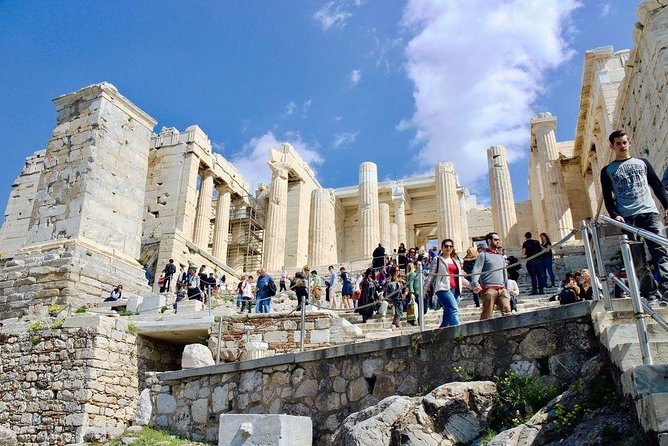
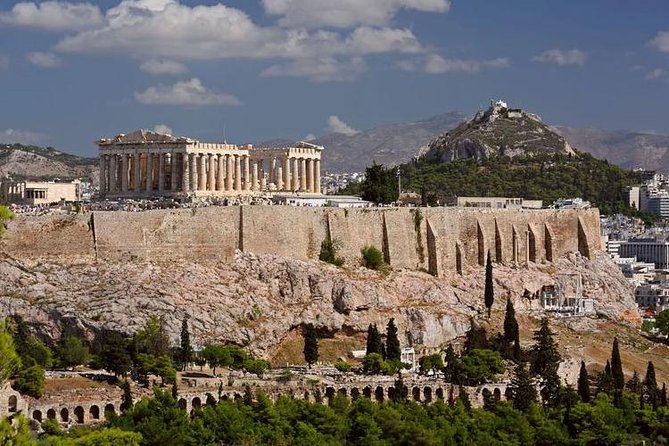
The Parthenon receives about 30 minutes of focused attention, although it is also part of the wider Acropolis walk. That may sound short, but a good explanation can make the time count.
The temple was dedicated to Athena, the city’s patron goddess, and it reflects the wealth, confidence, and artistic skill of classical Athens. Rather than treating it as a simple ruin, the guide explains how it was designed, built, and used. You learn why it became linked with civic pride, democracy, power, and cultural achievement.
This is where a guided tour earns much of its price. You can admire the scale and location of the Parthenon without help, but the meaning behind its design is harder to grasp from a quick look. The guide’s stories and architectural pointers give you a way to read the building.
The tradeoff is freedom. This is not a photo stop followed by an hour to roam wherever you wish. The guide keeps the group moving through the main sights, and independent time on the Acropolis may be limited to roughly 10 minutes. If you want long stretches for sketching, photography, or quiet reflection, you may find the schedule restrictive.
On the other hand, many people appreciate the structure. The guide keeps the group on time, pauses for questions, and identifies strong viewpoints for photographs. One especially useful touch is help taking pictures, which is easier than trying to fit everyone into a selfie.
The Erechtheion and the Acropolis corners
The Erechtheion offers a different mood from the Parthenon. Its unusual design and sacred associations give the guide room to explain earlier Athenian cults and the complicated religious life of the hill.
The tour also covers the Temple of Athena Nike, a smaller but elegant monument near the entrance, and the north side temples that many people pass without noticing. These less famous areas help prevent the Acropolis from becoming a one-building visit.
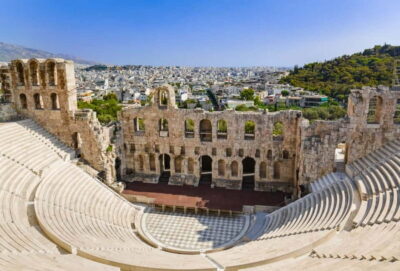
You also follow a route toward the south exit, where the Altar of Asclepius and the Theatre of Dionysus come into view. The theatre is especially important because it is tied to the beginnings of Western drama. Your guide connects the physical seating area to the performances and civic gatherings that shaped Athenian public life.
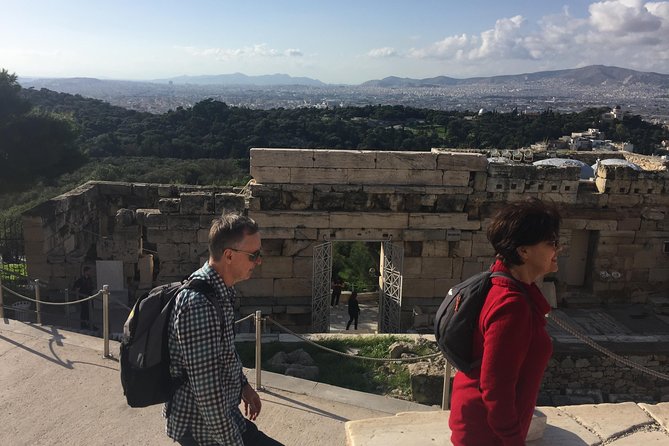
The route includes open views across Athens and toward the Aegean Sea. These pauses are welcome after the climb, and they show why the Acropolis was such a powerful location. You see the modern city spread below while the guide reconstructs the hill as it may have appeared during Athens’ golden age.
The pace can be adjusted to some degree. Guides described as patient and attentive have paused for water, rest, pictures, and questions. Still, you should expect a walking tour, not a gentle sightseeing ride. Anyone with serious mobility limits should consider the stairs, uneven surfaces, and hilltop walking before paying.
More ways to see the Acropolis:
- Athens: Acropolis & up to 5 Archaeological Sites Combo Pass
★ 4.4 · 12,619 reviews - Athens: Acropolis Ticket with Optional Audio or Live Guide
★ 4.2 · 11,055 reviews - Athens: Acropolis and Parthenon Guided Walking Tour
★ 4.6 · 5,882 reviews - Athens: Acropolis Ticket with Audio Guide
★ 4.0 · 3,575 reviews
The short break between the hill and museum
After the Acropolis portion, you get a short break before entering the museum. This gives you time to catch your breath, take care of a restroom stop, or gather your thoughts before the second half.
The break is useful because the first section can run close to two hours. One guide even continued beyond the planned length, which pleased some people but left others tired. You should allow for a full three-hour experience and understand that a passionate guide may occasionally run a little over.
The tour ends at the Acropolis Museum on Dionysiou Areopagitou Street. Transportation between the attractions is not included, but the museum follows the Acropolis directly as the next part of the experience, rather than requiring a separate organized transfer.
Making sense of the Acropolis Museum
The museum visit lasts about 45 minutes with the guide, though the overall description allows roughly an hour for this part. That is enough for a focused introduction, not enough for every gallery.
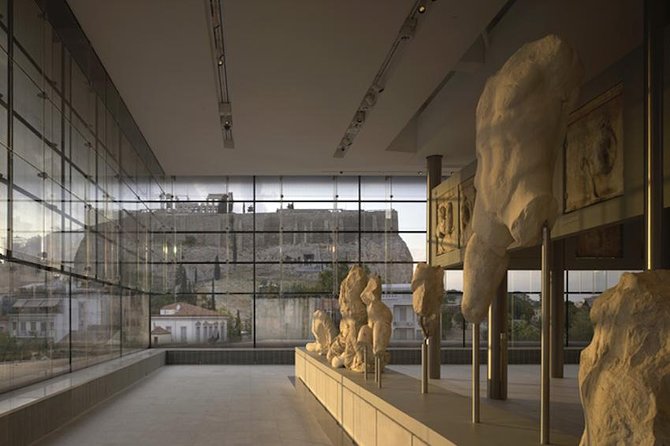
The building itself helps frame the visit. Glass floors reveal archaeological remains beneath the museum, and the displays bring you close to original sculptures and architectural pieces from the Acropolis. After seeing the monuments outdoors, you can now study the details indoors, where the lighting and arrangement make individual works easier to examine.
The Parthenon Gallery is the key stop. Your guide explains the sculptures and the story of the Elgin Marbles, giving you useful background for one of the most debated subjects connected with ancient Greek art. This makes the museum more than a rainy-day backup plan. It completes the outdoor visit.
The guided portion concludes in the Archaic Gallery, where statues from before the classical Acropolis show how Greek sculpture developed over time. You may stay inside after the formal tour ends, explore at your own pace, or relax at the museum café. That extra independent time helps balance the tightly managed Acropolis section.
If you prefer a museum-heavy day, you may wish the guide allowed more time indoors. The upside is that the tour does not force you out immediately. You can continue on your own after the guide finishes, assuming the museum’s access rules permit you to remain.
What the $165.67 price really buys
At $165.67 per person, this is an expensive way to enter two Athens sights. If you only want admission and plan to read signs or use your own audio guide, you can likely spend less by arranging the sites independently. The fee is mainly paying for interpretation, timing, and convenience.
The package includes pre-reserved tickets to both the Acropolis and Acropolis Museum, a licensed local guide, headsets, and a small-group setting. During crowded periods, those reserved tickets can be valuable. They do not promise an empty entrance, since even the reserved-ticket queue can become busy in high season, but they help you avoid starting from the ordinary ticket line.
I see the best value here for a first visit to Athens, a short stay, or a port call when you need the main sights organized into one block. You are paying to reduce guesswork and to hear the monuments explained in person.
The value is weaker if you already know classical Greek architecture well, dislike group pacing, or want lots of solitary time. A price-conscious independent visitor may prefer to buy admission and spend the difference on a longer museum visit or another attraction.
The 4.7 rating from 2,673 ratings and a 94 percent recommendation rate suggest a dependable experience, but the details matter more than the headline number. The praise centers on guides who explain clearly, show real enthusiasm, answer questions, take pictures, and look after slower walkers. The most consistent criticism is not poor organization or weak content. It is simply that the Acropolis section can feel too guided and leave too little free time.
Who will enjoy this tour most
I would choose this tour for you if you want the major Athens sights explained by a local guide and prefer a clear plan. It works particularly well for first-time visitors who want to understand what they are seeing instead of collecting monument photos without context.
It also suits families with older children. One 12-year-old was included successfully, and a strong guide can make the stories accessible. The age rule is firm for children under six, and strollers are not allowed.
You should also consider it if your group has mixed walking speeds. Guides have shown care with rest stops, bathroom breaks, and keeping no one behind. That does not remove the physical challenge, but it can make the outing less stressful.
I would hesitate if you have limited mobility, need a seated experience, or dislike climbing. I would also hesitate if your priority is private photography time. The tour is built around explanation and group movement, not wandering alone.
Book at least several weeks ahead if your schedule is fixed. The experience is commonly reserved about 51 days in advance, which signals that popular time slots can fill early, especially during high season. Free cancellation is available up to 24 hours before the start time, but changes or cancellations inside that window are not refunded.
Practical advice for a smoother visit
Wear shoes made for several hours of walking. The hill includes steps and uneven surfaces, and the official advice against flip-flops and slippers is sensible.
Bring patience for crowds. Skip-the-line means a reserved-entry process, not an empty Acropolis. High-season waits can still occur, so the benefit is time control rather than total crowd removal.
Arrive at least 10 minutes early at the Acropolis metro meeting point. Timed tickets are strict, and a late arrival can mean missing the group with no refund.
Keep the museum portion in mind when planning the rest of your day. You can remain after the guided visit, so do not schedule something immediately afterward if you want to see the galleries properly.
Finally, expect tips to be appreciated. Gratuities are not included, and a guide who keeps the group together, adjusts the pace, explains difficult material clearly, and helps with photos has earned consideration.
Should you book the Acropolis and Museum tour?
Book it if you want the Acropolis and museum to make sense as one connected story. The guides receive especially strong praise for warmth, clarity, patience, and passion, and that personal explanation is the main reason to pay the premium.
Skip it if you mainly want cheap admission or long stretches alone. The Acropolis schedule is tightly managed, and the free time for independent exploring can be brief.
For most first-time Athens visitors with moderate fitness, I think the tour is a sensible splurge. You get the essential monuments, the museum’s best context, reserved tickets, and a guide who can turn a crowded ancient site into a readable, memorable visit.
FAQ
How long does the tour last?
The experience lasts approximately three hours. About two hours are spent at the Acropolis, followed by roughly 45 minutes to an hour at the Acropolis Museum, with a short break between the two sites.
Where does the tour begin and end?
The group meets at the Acropolis metro station area, listed at Makrigianni 7 in Athens. The tour ends at the Acropolis Museum at Dionysiou Areopagitou 15.
Are admission tickets included?
Yes. Pre-reserved tickets for both the Acropolis and the Acropolis Museum are included in the price.
Is this a private tour?
The experience is described as an interactive private tour, but the stated maximum is 20 people. In practical terms, you should expect a small-group experience rather than a one-party private guide.
Is the tour suitable for children and people with mobility limits?
Children under six are not permitted, and strollers of any kind are not allowed. You should have moderate physical fitness because the tour involves stairs, uneven ground, and several hours of walking.
What happens if I arrive late?
You should arrive 10 minutes before the start. The Acropolis tickets are timed and may expire within five to 10 minutes, so late arrivals may not be able to join and are not eligible for a refund.
Just added around Athens
- Delphi One Day Trip from Athens★ 4.0 · 98 reviews
- Mercedes Private Tour to Delphi and Arachova★ 5.0 · 30 reviews
- Private Delphi and Hosios Loukas Monastery – Great Lunch and Drinks Included★ 5.0 · 36 reviews
- Day tour to Ancient Olympia,Ancient Sparta Mycenae Including Meal★ 5.0 · 54 reviews
- Athens: Half Day Trip To Cape Sounio/Poseidon Temple Semi Private★ 5.0 · 131 reviews
- Culinary Secrets of Downtown Athens★ 5.0 · 103 reviews
- Athens Half-Day Private Tour Acropolis, Parthenon City Highlights★ 5.0 · 35 reviews
- From Athens: Day Tour to Mykonos★ 5.0 · 64 reviews
Acropolis Tours, compared.
Acropolis & up to 5 Archaeological Sites Combo Pass
Read our review →

Acropolis, Parthenon & Acropolis Museum Guided Tour
Read our review →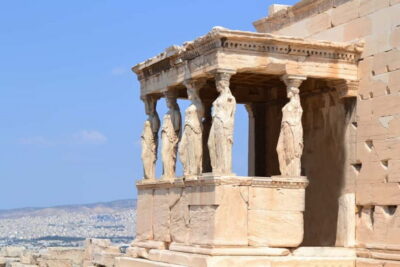
Acropolis, Parthenon & Acropolis Museum Guided Tour
Read our review →

Acropolis: Acropolis and Parthenon Guided Walking Tour
Read our review →
Acropolis monuments & Parthenon Walking Tour with Optional Acropolis Museum
Read our review →Browse the lists this tour appears in