
Reviewed · ACROPOLIS TOURS
Athens: Acropolis Visit and City Night Tour
The Acropolis sets the tone for Athens. This five-hour experience pairs an afternoon visit to the city’s ancient crown with an evening walk past grand neoclassical buildings, royal guards, Olympic sites, and illuminated monuments. I like the less crowded afternoon approach from the southeast side, and I like ending near Monastiraki with views back toward the Acropolis. The main catch is simple: your Acropolis admission ticket is not included, so you must arrange the correct time slot before meeting the guide.
The tour is conducted in Spanish, and the strongest part is its human touch. Guides such as Bárbara and Juan have earned especially warm praise for clear explanations, friendly manners, and strong command of Athens’ past and present. Bárbara even uses a folder of visual reconstructions to help you picture the Acropolis as it once looked. That kind of aid can make a pile of weathered stone far easier to understand.
In This Review
- Key points to know before booking
- Why this Athens combination makes sense
- Entering the Acropolis from the southeast
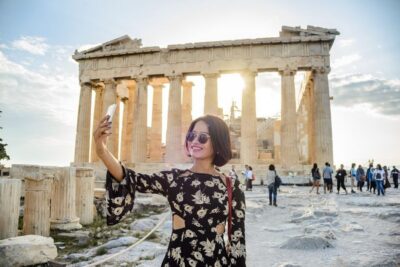
- The Parthenon and Propylaea
- Theatre of Dionysus and the Odeon of Herodes Atticus
- Erechtheion, Caryatids, and Athena Nike
- From the National Library to Syntagma Square
- Zappeion and the Panathenaic Stadium
- Hadrian’s Arch and the Temple of Zeus
- The Metropolitan Cathedral and Little Mitropolis
- Ending at Monastiraki and the Greek Agora
- Spanish guiding and the human element
- Who should book this five-hour tour?
- Should you book it?
- FAQ
- Is the Acropolis admission ticket included?
- Where do I meet the guide for the Acropolis portion?
- Where does the evening tour begin?
- What Acropolis ticket time should I buy?
- What language is the tour conducted in?
- Is the tour suitable for wheelchair users?
- Can I cancel the booking?
Key points to know before booking
- The afternoon Acropolis entry uses the southeast side: This helps you avoid the main entrance, which is often the busiest approach.
- You need to buy your own Acropolis ticket: Select the exact time slot that matches your tour, either online or at the South Entrance ticket area.
- The tour covers two very different sides of Athens: Ancient temples come first, followed by 19th-century institutions, royal ceremony, modern Olympic landmarks, and lively central squares.
- The night tour is also on foot: You move between the National Library, Syntagma Square, the Panathenaic Stadium, Hadrian’s Arch, the cathedral, and Monastiraki.
- Spanish is the only listed tour language: This is a strong choice for Spanish speakers who want interpretation rather than a self-guided visit.
- The route is not suitable for wheelchair users: High-heeled shoes, strollers, baby carriages, food, and drinks are not allowed.
Why this Athens combination makes sense
At $53 per person, this is not an admission-only Acropolis visit. You are paying for a guided ancient-site visit plus a second Athens itinerary after dark. That makes the price reasonable if you want one organized outing that links the city’s major sights without arranging two separate walks.
The value comes from the contrast. In the afternoon, you look at the remains of Classical Greece and hear the myths behind them. Later, you see Athens as a capital city shaped by 19th-century architecture, royal ceremony, modern athletics, Orthodox worship, and evening street life.
I would not choose this tour if you want a slow, highly specialized study of every monument. The schedule covers a lot of ground, and the city portion includes several outside views and stops rather than long interior visits. But if you have limited time and want a clear first look at Athens, the plan is efficient.
The full activity lasts five hours. Check the available starting times carefully, since the Acropolis portion changes with the season. The meeting points are separate, so you must be ready to reach the National Library later for the night tour.
More ways to see the Acropolis:
- Athens: Acropolis & up to 5 Archaeological Sites Combo Pass
★ 4.4 · 12,619 reviews - Athens: Acropolis Ticket with Optional Audio or Live Guide
★ 4.2 · 11,055 reviews - Athens: Acropolis, Parthenon & Acropolis Museum Guided Tour
★ 4.8 · 9,316 reviews
Entering the Acropolis from the southeast
Your afternoon meeting point is at Acropolis metro station, ten minutes before the tour begins. From there, the group walks toward the southeast side of the archaeological site instead of using the main entrance.
That choice matters. The main entrance can be crowded, and a less congested start makes it easier to hear the guide and get settled before the monuments begin to compete for your attention. It also gives the visit a sensible rhythm: you start among the lower monuments before climbing toward the great structures above.
You must buy your Acropolis ticket before the activity starts. This is the most important practical detail in the entire booking process. The ticket is not included in the $53 price.
For a low-season tour at 3 p.m., choose the 3 p.m. to 4 p.m. entry slot. In high season, the 5 p.m. tour requires the 5 p.m. to 6 p.m. slot, while the 5:45 p.m. tour requires the 6 p.m. to 7 p.m. slot. Check the current availability before you pay for the experience.
Buying online ahead of time is the safer plan. If you arrive without a ticket, you need to go to the South Entrance ticket office about 30 minutes early, wait for the ticket, and then walk less than two minutes to the tour meeting point. That extra step can create needless pressure, especially if the time slot is busy.
The operator notes that it can help if online tickets are unavailable. Still, I would treat that as a backup rather than a plan. Secure your admission first, then book the guided experience around it.
The Parthenon and Propylaea
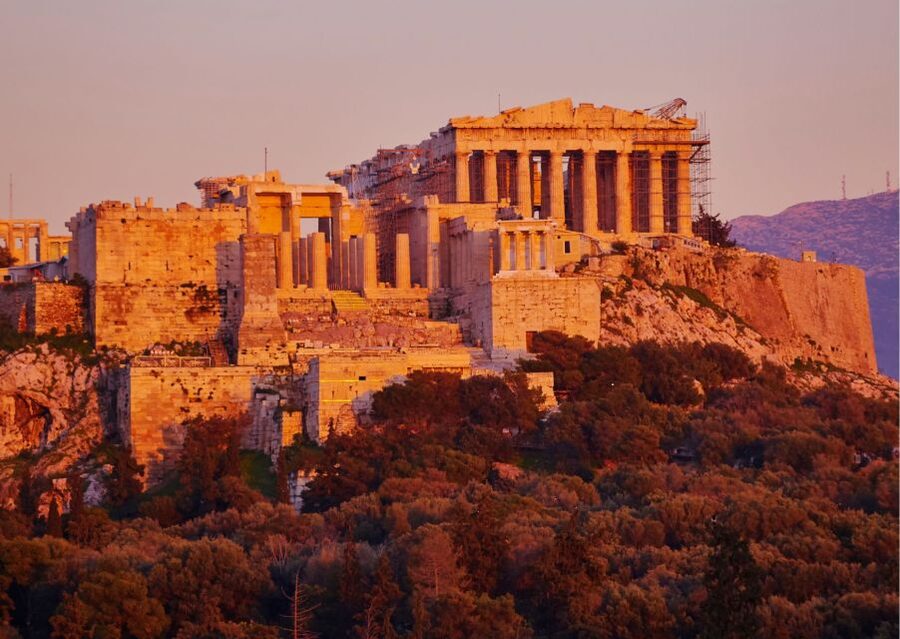
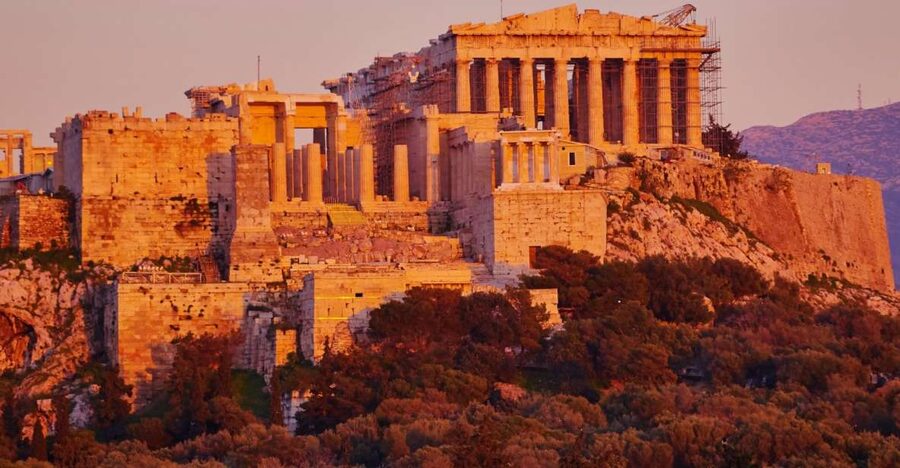
The Acropolis is dedicated to Athena, the goddess who gave Athens its name and served as the city’s patron. Your guide explains the myths and political ideas connected with the site rather than simply pointing out columns.
The Propylaea is the monumental gateway. It introduces the Acropolis with scale and ceremony, and it helps you understand that this was never just a collection of isolated temples. The approach itself was designed to shape how people entered and saw the sacred hill.
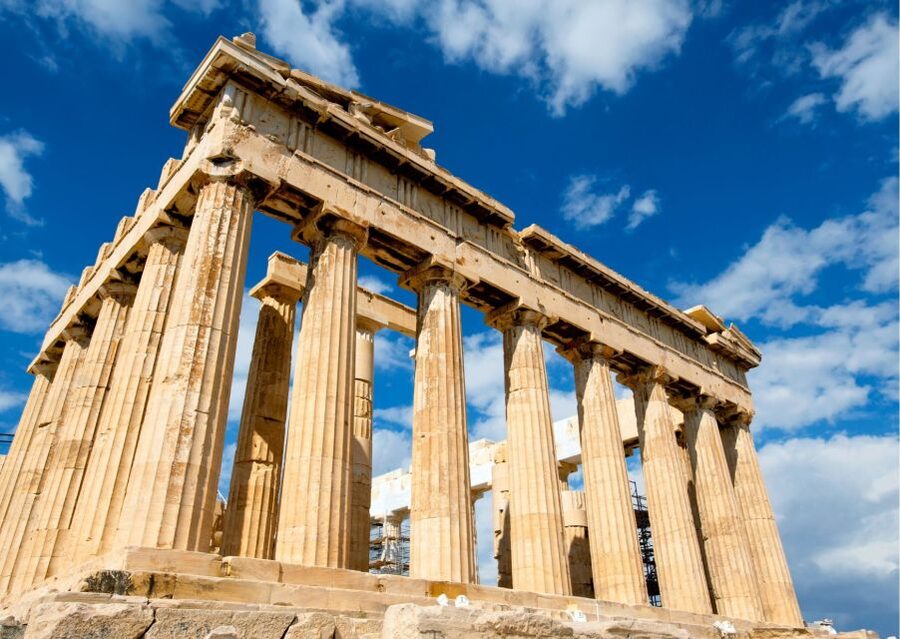
Then comes the Parthenon, the monument most closely linked with Athens. You will see its powerful outer form and hear about its place in Classical Greece. The tour focuses on the stories behind the stones, which is useful because much of the original decoration is gone and the surviving structure can otherwise feel more abstract than alive.
A guide makes a difference here. The praised guides, especially Bárbara and Juan, are noted for clear historical explanations and warm treatment of the group. Bárbara’s folder with visual simulations is a practical touch. Seeing a reconstruction can help you picture painted surfaces, sculpture, and the original appearance of buildings that now look pale and incomplete.
Expect uneven stone underfoot and a lot of walking. High-heeled shoes are prohibited, and that rule should be taken seriously even if you normally manage city walks in fashionable footwear. Wear shoes with a firm grip.
Theatre of Dionysus and the Odeon of Herodes Atticus
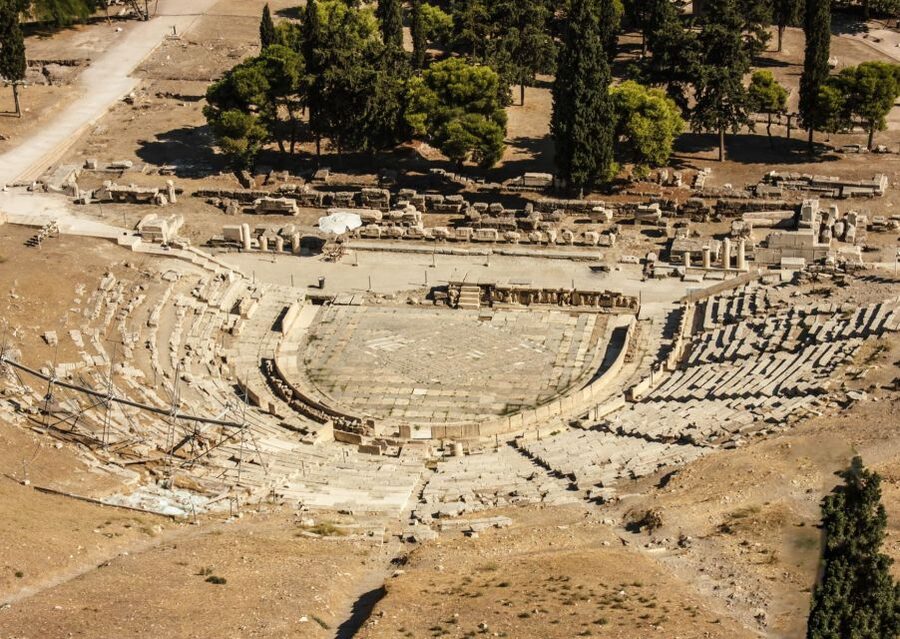
The Theatre of Dionysus gives the Acropolis visit a human scale. It could seat 17,000 spectators and hosted festivals honoring Dionysus, the Greek god associated with theater and celebration.
The size of the theater is the striking detail. Stand near the seating area and you can begin to imagine drama as a public event watched by thousands, not a quiet performance in a modern playhouse. The stop also adds variety, since the Acropolis is not only about temples and religious ritual.
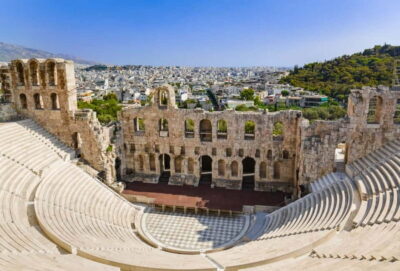
The Odeon of Herodes Atticus provides another strong view. This ancient performance space remains one of the most recognizable structures on the southern slope, and its curved form is easy to appreciate from outside.
The itinerary does not promise a performance or a long interior visit. You are seeing the monuments as part of a walking tour, with the guide explaining their role and legends. That is enough for a first visit, but you should not expect a theater-focused program.
A few more Athens half-days to weigh up
- Athens: Cape Sounion & Poseidon Temple Sunset Half-Day Trip
★ 4.8 · 8,241 reviews - Athens: Cape Sounion & Temple of Poseidon Sunset Experience
★ 4.3 · 857 reviews - Athens Evening Food Tour
★ 5.0 · 766 reviews - Enjoy Cape Sounio Private Majestic Sunset With Seaside Dinner
★ 5.0 · 613 reviews
Erechtheion, Caryatids, and Athena Nike
The Erechtheion is one of the most visually memorable buildings on the Acropolis. It is named for Erechtheus, a demigod connected with Athens, and its unusual design makes it a useful counterpoint to the more formal appearance of the Parthenon.
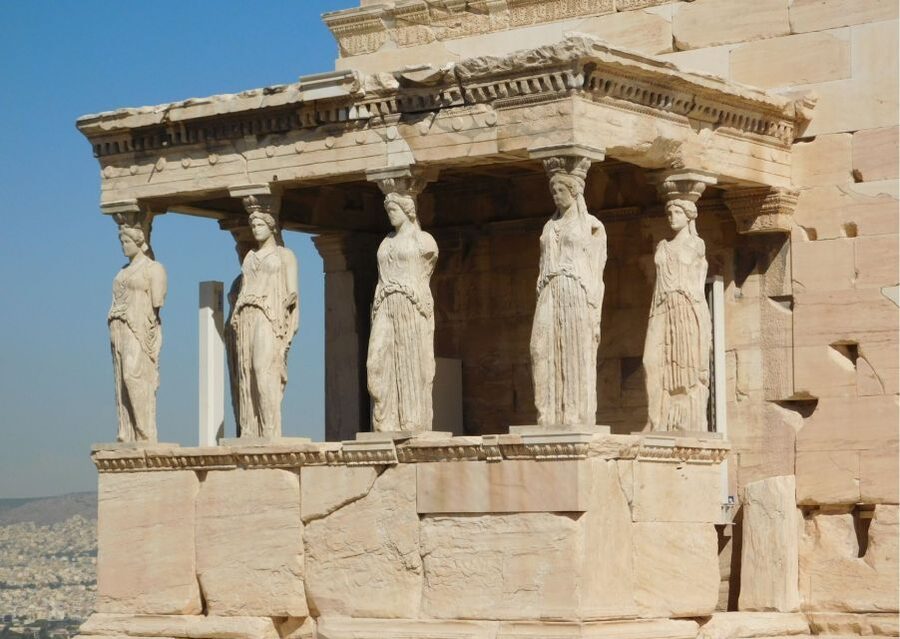
The Caryatids are the detail most people remember. These sculpted female figures serve as architectural supports, and your guide explains the stories and symbolism connected with them. The stone carvings reward a close look, although you should follow the site rules and keep a respectful distance.
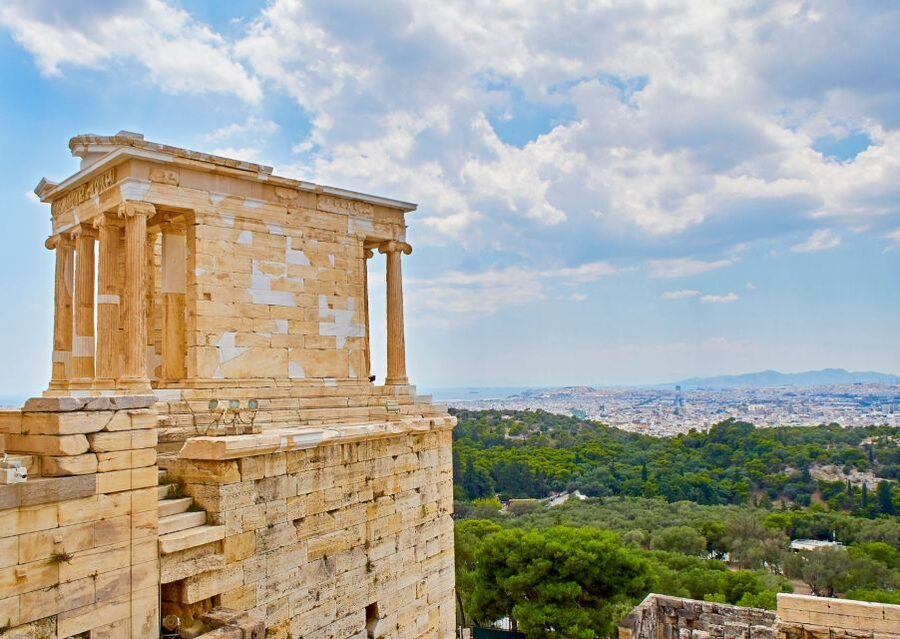
The Temple of Athena Nike is smaller but important. Its compact size makes it easy to overlook beside the Parthenon, yet it gives the guide a chance to explain how different shrines served different aspects of religious life.
After the guided portion, you have free time to remain at the site and explore on your own. This is a useful feature. You can revisit the Parthenon, take another look at the Caryatids, or simply pause for the views without needing to stay beside the guide.
The available free time may be especially valuable to anyone who likes taking photographs or reading the site at a slower pace. Just remember that the afternoon program eventually leads into a separate evening meeting, so keep an eye on the clock.
From the National Library to Syntagma Square
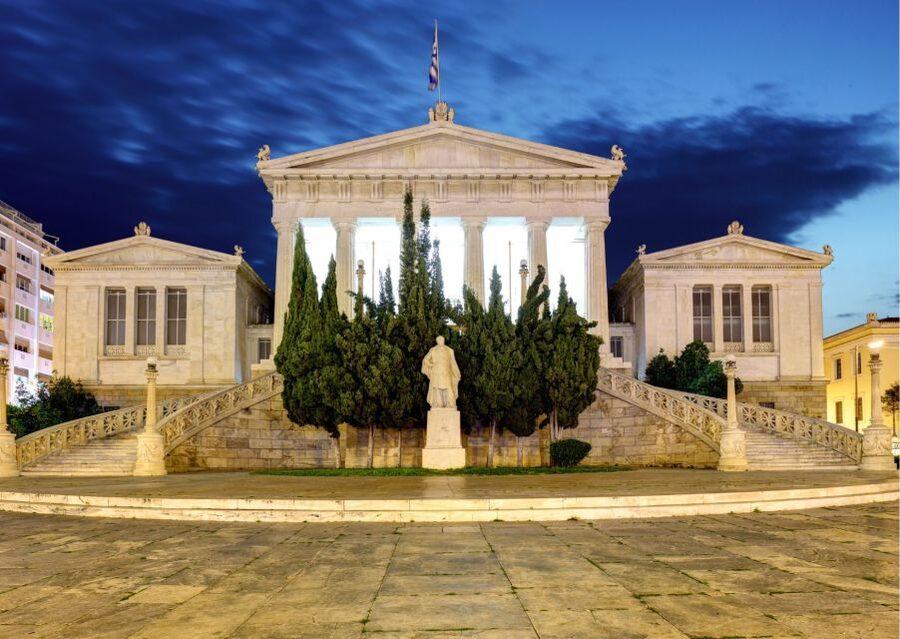
The second part begins at the National Library of Greece on Panepistimiou Street. The address is Εθνική Βιβλιοθήκη, Panepistimiou 32, Athens 106 79.
The library forms one part of Athens’ grand neoclassical trilogy. You also see the University and the Academy of Athens, which together create one of the city’s clearest displays of 19th-century civic design.
This section changes the mood completely. You move from temples built for ancient gods to buildings created for the modern Greek state. I like that shift because it gives you a fuller picture of Athens than an Acropolis-only visit can provide.
The walk continues to Syntagma Square and the Greek Parliament. Here you see the presidential guard, a ceremonial detail that connects the modern capital with national tradition. The stop is short in spirit, so treat it as a chance to observe the square and the guards rather than a detailed parliamentary tour.
One point to keep in mind is that the description emphasizes outside sights. If you want extended access to the library, university, academy, or parliament interiors, this is not that type of tour.
Zappeion and the Panathenaic Stadium
The route then passes through the National Gardens to the Zappeion. The building and surrounding grounds offer a quieter break from the traffic and formal avenues of central Athens.
Next comes the Panathenaic Stadium, the first Olympic stadium of the modern era. Its white marble seating and long, narrow shape make it easy to recognize, but the guide’s context helps explain why the site matters.
This is one of the best transitions in the evening itinerary. The Acropolis represents ancient religious and civic power, while the Panathenaic Stadium shows how modern Greece looked back to antiquity when creating its Olympic identity.
The program does not state that you enter every site or spend a set amount of time inside the stadium. Plan on a guided stop and exterior appreciation unless your guide tells you otherwise. The stadium is still rewarding from outside, especially when you understand its place in the revival of the Olympic tradition.
Hadrian’s Arch and the Temple of Zeus
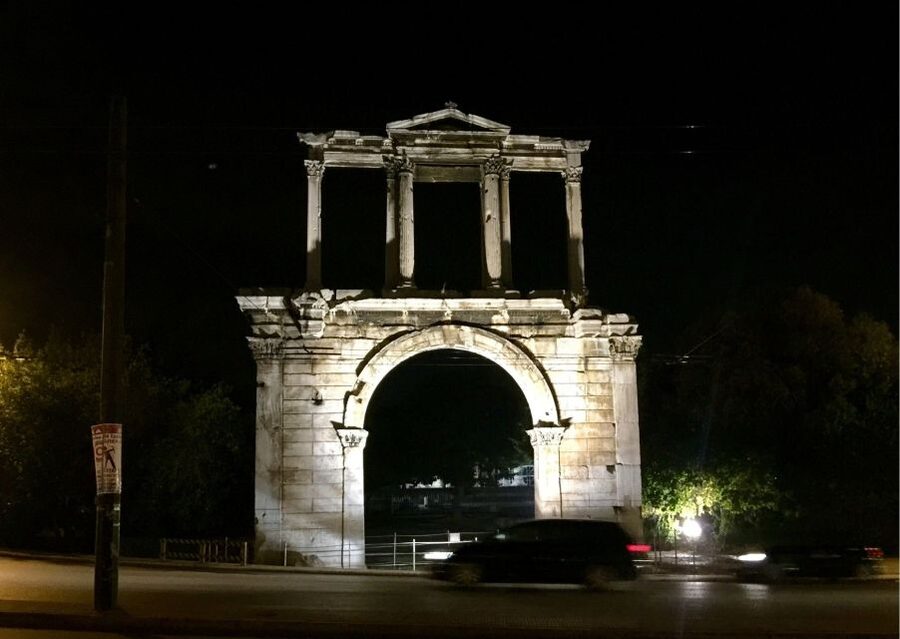
After the stadium, the route moves back into the ancient city with Hadrian’s Arch and the Temple of Zeus. Hadrian’s Arch is a useful visual marker because it represented a boundary between older Athens and the city expanded under the Roman emperor Hadrian.
The Temple of Zeus shows the scale of ancient ambition. Even in ruins, the remaining columns make clear that this was a major religious complex. Seeing it at night adds a different mood from the afternoon Acropolis visit, when the light is stronger and the site feels more exposed.
The tour links the two monuments to Athens’ long development instead of treating them as isolated photo stops. You are repeatedly moving between eras: Classical Greece, Roman Athens, the 19th-century kingdom, and the modern capital.
The Metropolitan Cathedral and Little Mitropolis

The next stop is the Metropolitan Cathedral, followed by the Little Mitropolis. Together, they show another side of Athens, one shaped by Orthodox Christianity rather than ancient pagan religion or neoclassical state design.
The Little Mitropolis is particularly useful in the sequence because it is smaller and older in appearance, giving you a close contrast with the larger cathedral. The route does not promise a detailed religious service or an extended interior visit, so treat this as an architectural and cultural stop.
By this point, the walking tour has covered a wide range of Athens’ identity. You have seen sacred spaces, government buildings, performance venues, Olympic landmarks, and public squares. That variety is the main reason this combination works well for a first visit.
Ending at Monastiraki and the Greek Agora
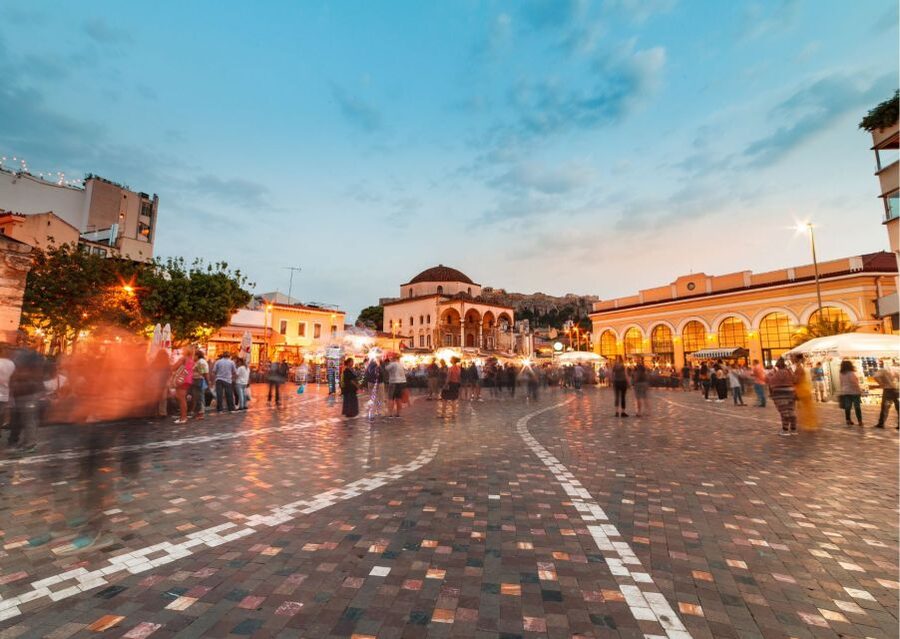
The final stop is Monastiraki Square, where the tour ends in the Greek Agora with views toward the Acropolis. This is a strong finish because the Acropolis appears again, now lit above the city rather than seen in afternoon light.
The view ties the two halves together. You first met the monuments up close, with a guide explaining their legends and architecture. At the end, you see them as part of the wider city, surrounded by streets and evening activity.
Monastiraki is also a practical ending point. You are in central Athens, with the tour finished rather than sent back to the original afternoon meeting place. The exact final arrangements are not stated, so ask the guide if you need help orienting yourself after the walk.
The night portion is not a food tour, and food and drinks are not allowed during the activity. If you want dinner afterward, plan it separately once the tour has ended.
Spanish guiding and the human element
Spanish is the listed language, so this experience makes the most sense if you want the monuments explained in Spanish. A live guide can connect the myths, buildings, and political changes in a way that a signboard or audio guide may not.
The strongest praise has focused on the guides’ attitude and explanations. Bárbara is noted for professionalism, kindness, and detailed historical commentary. Her visual folder is especially useful at the Acropolis, where reconstructions help you imagine the original buildings.
Juan is also praised for knowing both the history and the city, and for leading a well-planned route. One useful suggestion for improving the experience is to add more basic modern Athens facts, such as population, average salary, and major economic activities. That tells you what the tour already does well: it explains monuments and city history. It may offer less background on present-day Athens.
That balance matters. If you want ancient sites and architecture, the program is well targeted. If you want a broader social and economic portrait of modern Greece, you may need to add another experience or explore independently.
Who should book this five-hour tour?
I would recommend it to Spanish-speaking first-time visitors who want a structured introduction to Athens. It is particularly useful if you have only one free afternoon and evening, since it joins the Acropolis with several central landmarks in one booking.
It also suits people who prefer a guide for ancient mythology and architectural details. The Acropolis can feel confusing when you visit alone, especially with several temples, theaters, and historical periods packed into one hill.
You should think twice if you need wheelchair access, dislike walking over uneven archaeological ground, or want a slow visit with long stops at each monument. Strollers and baby carriages are not allowed, and the route’s length may be tiring for young children.
The activity has a 4.7 rating from 40 reviews, with especially strong praise for friendly, capable guides. That is a good sign, but guide quality can vary by date. The named examples, Bárbara and Juan, show what a good outing can look like, not a promise that either guide will lead your departure.
Cancellation is flexible up to 24 hours before the experience for a full refund, and you can reserve now and pay later. Those terms help if your Athens schedule is still changing, but they do not remove the need to secure the Acropolis ticket time slot.
Should you book it?
Book this tour if you want one Spanish-language introduction to ancient and modern Athens, and if you are willing to handle the Acropolis ticket separately. The afternoon entry, free time on the hill, and evening views from Monastiraki give you a satisfying range of experiences for $53.
Skip it if you want a museum-heavy day, a private guide, or a fully accessible route. For most Spanish-speaking visitors with good walking ability and limited time, this is a practical way to see Athens shift from sunlit temples to an illuminated city.
FAQ
Is the Acropolis admission ticket included?
No. You must buy the Acropolis archaeological site ticket separately before the activity begins.
Where do I meet the guide for the Acropolis portion?
Meet at Acropolis metro station ten minutes before the afternoon tour starts.
Where does the evening tour begin?
The evening tour begins at the National Library of Greece, at Panepistimiou 32, Athens 106 79.
What Acropolis ticket time should I buy?
For the low-season 3 p.m. tour, buy the 3 p.m. to 4 p.m. time slot. For the high-season 5 p.m. tour, buy the 5 p.m. to 6 p.m. slot. For the 5:45 p.m. tour, buy the 6 p.m. to 7 p.m. slot.
What language is the tour conducted in?
The live guide speaks Spanish.
Is the tour suitable for wheelchair users?
No. The activity is listed as unsuitable for wheelchair users.
Can I cancel the booking?
Yes. You can cancel up to 24 hours in advance for a full refund. You can also reserve now and pay later.
Just added around Athens
- Delphi One Day Trip from Athens★ 4.0 · 98 reviews
- Mercedes Private Tour to Delphi and Arachova★ 5.0 · 30 reviews
- Private Delphi and Hosios Loukas Monastery – Great Lunch and Drinks Included★ 5.0 · 36 reviews
- Day tour to Ancient Olympia,Ancient Sparta Mycenae Including Meal★ 5.0 · 54 reviews
- Athens: Half Day Trip To Cape Sounio/Poseidon Temple Semi Private★ 5.0 · 131 reviews
- Athens Half-Day Private Tour Acropolis, Parthenon City Highlights★ 5.0 · 35 reviews
- From Athens: Day Tour to Mykonos★ 5.0 · 64 reviews
- Culinary Secrets of Downtown Athens★ 5.0 · 103 reviews
Acropolis Tours, compared.
Acropolis & up to 5 Archaeological Sites Combo Pass
Read our review →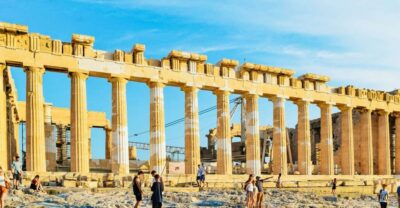
Acropolis, Parthenon & Acropolis Museum Guided Tour
Read our review →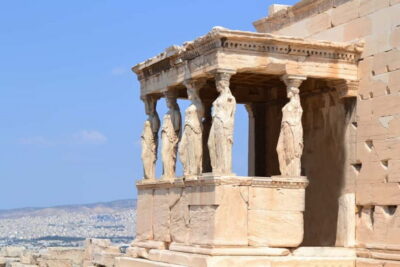
Acropolis, Parthenon & Acropolis Museum Guided Tour
Read our review →
Acropolis: Acropolis and Parthenon Guided Walking Tour
Read our review →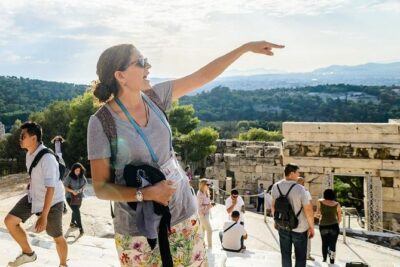
Acropolis monuments & Parthenon Walking Tour with Optional Acropolis Museum
Read our review →Browse the lists this tour appears in