
Reviewed · MUSEUMS
Athens: Kotsanas Museum of Ancient Greek Technology Ticket
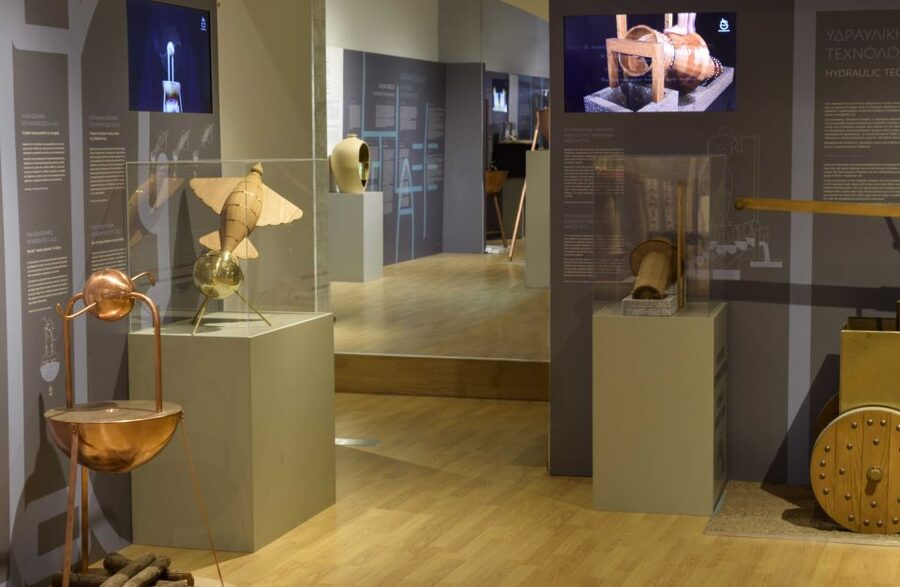
Ancient Greece had more gadgets than you expect. At the Kotsanas Museum of Ancient Greek Technology, I like the working models and the chance to handle some mechanisms yourself. The Antikythera calculating mechanism and the oldest analog computer in the world give the visit real weight, while the displays make complex ideas easier to follow.
I also like the central location, just five minutes from Syntagma Metro Station, and the modest $7.90 admission. The main consideration is that no guided tour is included, so you will need to rely on English labels, audio-visual material, diagrams, and projected explanations as you move through the museum.
In This Review
- Key points before you go
- Why this small museum adds something new to Athens
- Getting to Pindarou 6 from Syntagma
- The first exhibits: machines that move, measure, and calculate
- Heron’s automata and the fun of watching mechanisms work
- How the displays explain complicated ideas
- The ancient technology that feels surprisingly familiar
- How long to allow, and who will enjoy it most
- Price, practical limits, and accessibility
- My advice for fitting it into an Athens day
- Should you book the Kotsanas Museum ticket?
- FAQ
- Where is the Kotsanas Museum of Ancient Greek Technology?
- How much does museum entry cost?
- How long is the ticket valid?
- Is a guided tour included?
- Is the museum wheelchair accessible?
- Can I bring food or drinks inside?
Key points before you go
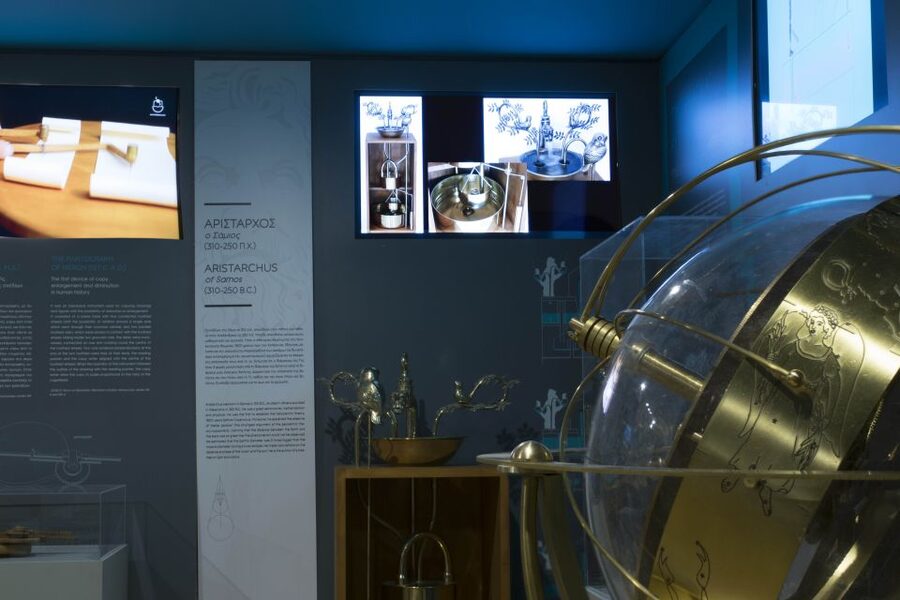
- About 100 working models: See reconstructions of ancient machines, clocks, automata, theatrical devices, and calculating tools.
- The Antikythera mechanism: Examine a model of the famous ancient calculating device, often described as the oldest analog computer in the world.
- Hands-on displays: Several mechanisms can be operated, giving you more than a glass-case museum experience.
- Central Athens location: The museum is at Pindarou 6, about five minutes on foot from Syntagma Metro Station.
- English support: Labels, posters, diagrams, videos, animations, and documentaries are available in English.
- Low admission price: At $7.90 per person, this is an inexpensive indoor stop, especially for families and technology-minded visitors.
Why this small museum adds something new to Athens
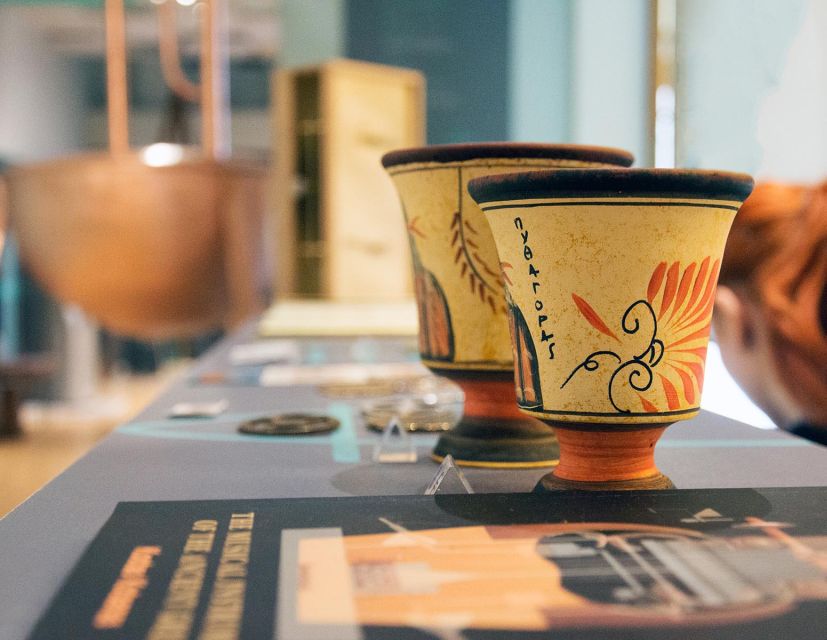
Athens is full of temples, statues, and famous archaeological sites. Those are essential, but they can leave you with a narrow picture of ancient Greek life. The Kotsanas Museum changes the focus from marble and mythology to gears, water pressure, sound, motion, measurement, and practical problem-solving.
I find that shift useful. You get to see ancient Greece as a place where people experimented with machines and systems, not simply as a culture of philosophers and sculptors. The museum’s central idea is that several ancient inventions look surprisingly close to early modern technology.
The museum occupies a historic Art Nouveau building with about 700 square meters of exhibition space. That gives the visit a more intimate feel than a huge national museum. You can move from one mechanism to the next without needing half a day or a detailed route plan.
The admission price is another strong point. At $7.90, you are paying less than many major Athens attractions, yet the museum offers around 100 operating models and a good amount of supporting material. I would not book it as a replacement for the Acropolis Museum or the National Archaeological Museum, but it makes a sensible addition between larger sights.
More museums and sites in Greece:
- Athens: Acropolis, Parthenon & Acropolis Museum Guided Tour
★ 4.8 · 9,316 reviews - Athens: Mythology of Delphi, Museum and Arachova Guided Tour
★ 4.6 · 4,008 reviews - Athens: Acropolis, Parthenon & Acropolis Museum Guided Tour
★ 4.8 · 3,579 reviews
Getting to Pindarou 6 from Syntagma
The museum is at Pindarou 6 in central Athens, and the walk from Syntagma Metro Station takes about five minutes. That makes it easy to fit into a day based around central Athens, especially if you want an indoor break from the sun, crowds, or archaeological stone.
The activity begins and ends at the museum. There is no separate transport section, transfer, or meeting point outside the building. You simply make your way to the address and explore at your own pace.
The ticket is valid for one day, with starting times shown when you check availability. Since the exact visit time is not stated here, check the available slot before you plan nearby activities. I would avoid placing a tightly timed attraction immediately afterward. Museums can take less time than expected, but an interactive display can also slow you down.
The building itself is part of the appeal. A historic Art Nouveau setting feels quite different from the open-air remains around Athens. You get a change of pace, and the air-conditioned indoor setting may be welcome after walking through the city.
The first exhibits: machines that move, measure, and calculate
The exhibition is titled The Hi-Tech Inventions of Ancient Greeks. Its selected models cover a wide range of ancient engineering, rather than presenting one narrow topic.
The Antikythera calculating mechanism is likely to be the main draw. You will see a model of the device, which is often called the oldest analog computer in the world. Its importance comes from the way it represents advanced calculation through mechanical parts. Even if you are not a technology enthusiast, the exhibit gives you a fresh way to think about ancient science.
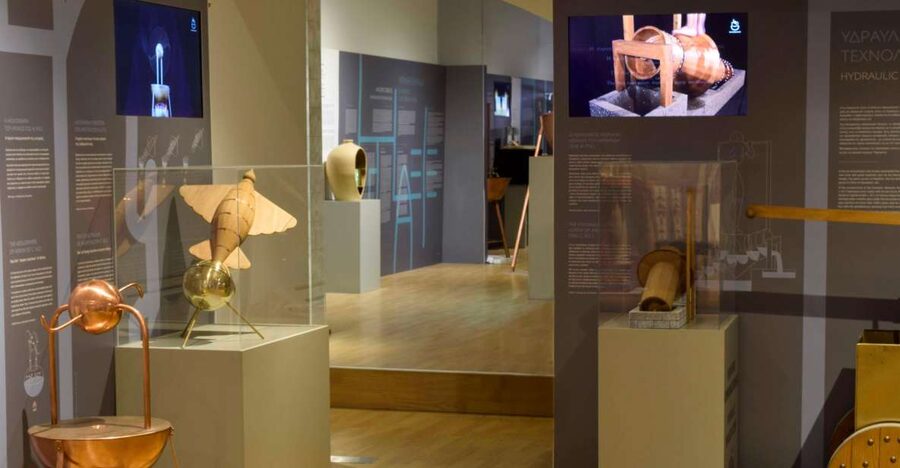
The museum also presents the hydraulic clock of Ktesibios. Water-powered clocks may sound simple at first, but they show how ancient inventors used controlled flow to measure time. This is the kind of display where the operating model matters. You are not only looking at an old object. You are watching a system work.
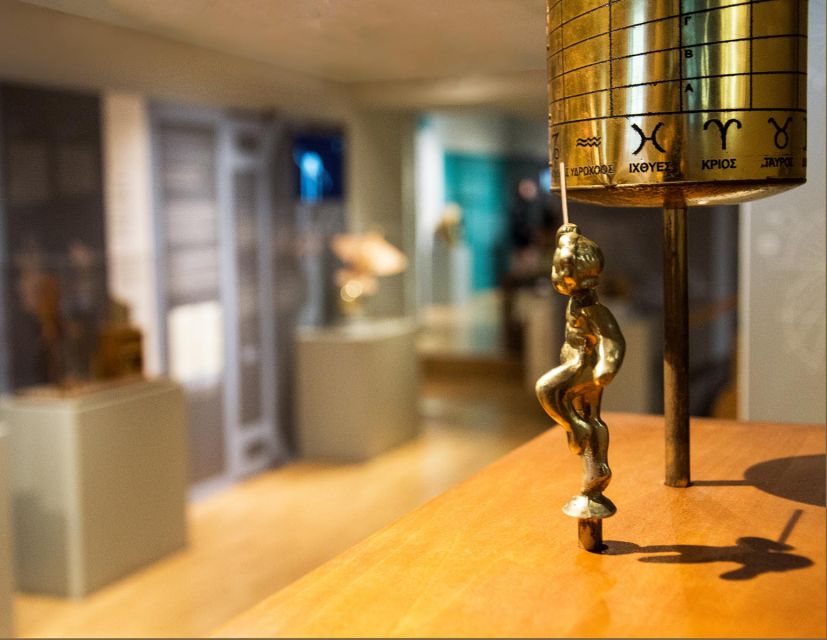
The exhibition includes devices linked to Philon, including a robot-servant and a form of ancient cinema. These examples help show how technology could be used for more than construction or timekeeping. Ancient mechanisms could create movement, surprise, and theatrical effects.
Heron’s automata and the fun of watching mechanisms work
Heron of Alexandria is represented by an automotive-puppet show. The model connects engineering with entertainment. You can see how a carefully arranged mechanism could create a sequence of motion, almost like a small mechanical performance.
This is one reason I would recommend the museum to families with older children. The subject is technical, but the working models make it physical and visible. A child who has little patience for long archaeological labels may pay closer attention when a machine moves or produces an effect.
The museum also allows you to put some mechanisms into use with your own hands. The exact number of hands-on exhibits is not specified, so you should not expect every model to be touchable. Still, the interactive element gives the visit more energy than a display made entirely of replicas behind barriers.
For adults, the practical value is clear too. A diagram can explain a machine, but operating a mechanism helps you understand cause and effect. You can see what happens when parts move, water flows, or a sequence is triggered.
A few more Greece half-days to weigh up
- Athens: Acropolis Ticket with Optional Audio or Live Guide
★ 4.2 · 11,055 reviews - Athens: Acropolis Ticket with Audio Guide
★ 4.0 · 3,575 reviews - Athens All Included: Acropolis and Museum Guided Tour with Ticket
★ 4.5 · 2,673 reviews - Athens: Acropolis Museum Ticket with optional Audio Guide
★ 4.4 · 2,652 reviews
How the displays explain complicated ideas
You will not be left with only a row of models and short captions. The exhibits include explanatory labels, large posters, detailed diagrams, photographs, and bibliographical references. Projected stations add video and animation, and documentaries show the exhibitor explaining how the mechanisms function and how they were used.
The available material is in Greek and English, and English is listed as the host or greeter language. That matters because ancient technology can become confusing when a display depends on technical terms. The videos and diagrams give you another way to understand an invention if a written explanation feels dense.
I especially value the use of complete bibliographical references. They signal that the displays are meant to explain and reconstruct, not simply entertain. You can enjoy the clever machines while also seeing that the subject is tied to research and historical sources.
Do not expect a live guided lecture as part of the standard ticket. A guided tour is not included. If you prefer a guide to lead you from exhibit to exhibit, this ticket may feel limited. If you like reading, watching short explanations, and testing mechanisms independently, the self-guided format should suit you well.
The ancient technology that feels surprisingly familiar
The museum’s strongest idea is comparison. Some ancient devices seem far removed from modern life, but others use principles that feel familiar: automated movement, mechanical calculation, timed sequences, water control, and visual presentation.
That does not mean ancient inventors built modern computers or robots in the current sense. The value is in seeing how people solved similar problems with the materials and methods available to them. A mechanical device can produce a result that feels modern even when its power source is water, gravity, or hand operation.
The Antikythera model is especially useful in this respect. It encourages you to think of calculation as something that can be built into a machine. The hydraulic clock shows that precise timing did not begin with electronics. The automata show that programmed movement can exist without software.
I would allow yourself time to compare the exhibits rather than rushing from one to the next. The museum works best when you ask what each machine was trying to accomplish and what physical principle made it possible.
How long to allow, and who will enjoy it most
The ticket is valid for one day, but no fixed visit duration is provided. I would treat it as a flexible museum stop rather than an all-day commitment. Your visit length will depend on how closely you read the posters, watch the videos, and use the interactive models.
The museum should suit:
- Families who want an educational stop with moving displays
- Adults interested in engineering, science, or ancient inventions
- Visitors who want an indoor activity near Syntagma
- People who enjoy self-guided museums
- Anyone looking for a lower-cost addition to an Athens sightseeing day
It may be less satisfying if you want only major archaeological objects, famous statues, or a formal guided experience. The museum is about reconstructed mechanisms and explanations. Its appeal comes from seeing how the devices work, not from viewing original monumental ruins.
The 4.9 rating from 26 reviews supports the idea that the museum delivers a focused and well-received visit, but the score does not change the basic nature of the activity. It is a compact specialist museum, not one of Athens’ huge collections.
Price, practical limits, and accessibility
At $7.90 per person, the entry price is easy to justify. You receive access to about 100 models, interactive exhibits, video material, diagrams, and explanations in English. For a family or a pair of adults, it remains a relatively inexpensive way to add substance to a central Athens itinerary.
The ticket includes museum entry only. It does not include a guided tour, food, drinks, or any separate transport. Food and drinks are not allowed inside, so plan to finish a snack before entering.
The museum is wheelchair accessible, which makes it a practical choice for visitors who need an accessible indoor attraction. The supplied information does not provide further details about individual exhibit access, restrooms, seating, or elevator arrangements, so you may want to contact the museum directly if you need precise access information.
You can cancel up to 24 hours in advance for a full refund, and the reserve-now, pay-later option allows you to keep your plans flexible. Those terms are useful in Athens, where weather, ferry schedules, and long visits at major sites can change your day.
My advice for fitting it into an Athens day
I would place the Kotsanas Museum between central Athens sights rather than travel across the city just for this one stop. Its five-minute walk from Syntagma makes it easy to pair with nearby sightseeing, a meal, or a rest period.
Go when you have enough time to operate the displays and watch at least some of the explanatory material. If you rush through the room in ten minutes, you may miss the point. The machines are the attraction, but the diagrams and films explain why they matter.
I would also choose this museum on a very hot day or during poor weather. Athens sightseeing often means long stretches outdoors, and this gives you a useful change of setting without taking you far from the city center.
Should you book the Kotsanas Museum ticket?
You should book it if you want an inexpensive, central, and unusual Athens activity. I especially recommend it if the Antikythera mechanism, mechanical devices, ancient science, or hands-on exhibits interest you.
You may want to skip it if your schedule is already packed with major archaeological museums or if you strongly prefer a live guide. For most visitors with a spare hour or two, though, the $7.90 ticket offers good value and a welcome change from the usual ancient statues and ruins.
FAQ
Where is the Kotsanas Museum of Ancient Greek Technology?
The museum is at Pindarou 6, Athens 106 71, Greece. It is about five minutes on foot from Syntagma Metro Station.
How much does museum entry cost?
The listed price is $7.90 per person.
How long is the ticket valid?
The ticket is valid for one day. Starting times are shown when you check availability.
Is a guided tour included?
No. The ticket includes entry to the museum, but not a guided tour. English labels, diagrams, videos, animations, and documentaries support independent visits.
Is the museum wheelchair accessible?
Yes, the activity information states that the museum is wheelchair accessible.
Can I bring food or drinks inside?
No. Food and drinks are not allowed inside the museum.
Just added around Greece
- Delphi One Day Trip from Athens★ 4.0 · 98 reviews
- Mercedes Private Tour to Delphi and Arachova★ 5.0 · 30 reviews
- Private Delphi and Hosios Loukas Monastery – Great Lunch and Drinks Included★ 5.0 · 36 reviews
- Day tour to Ancient Olympia,Ancient Sparta Mycenae Including Meal★ 5.0 · 54 reviews
- Athens: Half Day Trip To Cape Sounio/Poseidon Temple Semi Private★ 5.0 · 131 reviews
- Athens Half-Day Private Tour Acropolis, Parthenon City Highlights★ 5.0 · 35 reviews
- From Athens: Day Tour to Mykonos★ 5.0 · 64 reviews
- Culinary Secrets of Downtown Athens★ 5.0 · 103 reviews
Museums, compared.

Acropolis, Parthenon & Acropolis Museum Guided Tour
Read our review →
Mythology of Delphi, Museum and Arachova Guided Tour
Read our review →Acropolis, Parthenon & Acropolis Museum Guided Tour
Read our review →
Acropolis monuments & Parthenon Walking Tour with Optional Acropolis Museum
Read our review →
Athens All Included: Acropolis and Museum Guided Tour with Ticket
Read our review →
Acropolis Museum Ticket with optional Audio Guide
Read our review →
Small-Group Delphi, Museum & Arachova Day Trip
Read our review →
Parthenon & Acropolis Museum with Audio or Live Tour Option
Read our review →Browse the lists this tour appears in