
Reviewed · MUSEUMS
Hellenic Motor Museum Entrance Ticket
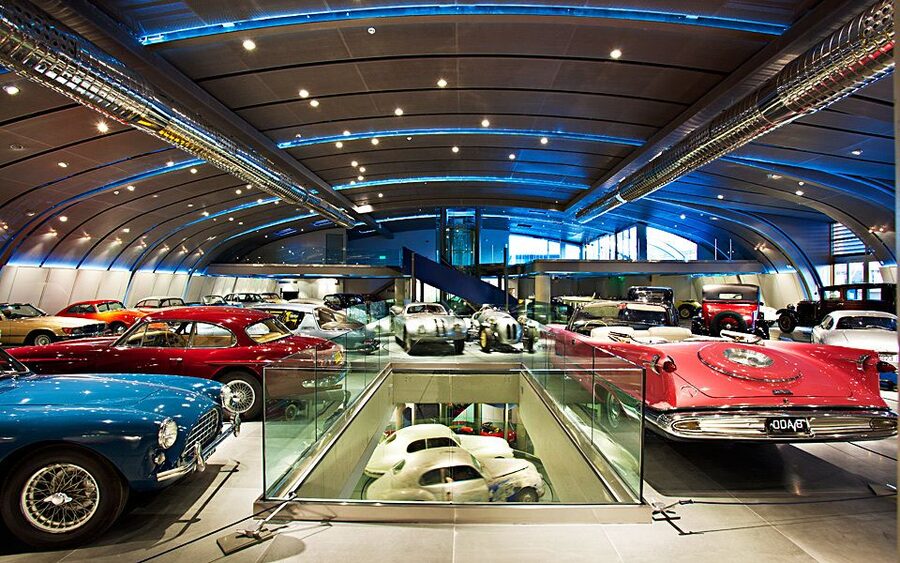
Cars tell Athens a different story. The Hellenic Motor Museum gives you three floors of more than 110 cars, including models from makers that disappeared long ago. I like the unusual mix of famous classics, lesser-known marques, and a display tracing the wheel from 300 B.C. to modern times. The old workshop is another strong point, adding a hands-on feel beyond rows of polished vehicles.
The main drawback is finding the entrance. The museum occupies the upper floors of Capitol Mall, a building with offices, and outside signs are not especially clear. Once inside, I also think the tight spacing around some cars can limit your view, especially if you want to inspect every angle.
In This Review
- Key things to know before you go
- A car museum in central Athens
- The spiral ramp and the story of the wheel
- More than 110 cars from a changing collection
- The old workshop adds useful character
- What the visit feels like for non-car enthusiasts
- How much time should you allow?
- Is $14 a fair price?
- Opening hours, access, and practical planning
- Who will enjoy the Hellenic Motor Museum most?
- My final advice: book it if you want a compact, unusual Athens stop
- FAQ
- Where is the Hellenic Motor Museum?
- How much does admission cost?
- How long is the ticket valid?
- How many vehicles are on display?
- What are the museum’s opening hours?
- Is the museum open every day of the year?
- Is an audio guide included?
- Is the museum wheelchair accessible?
- Can I cancel my booking?
Key things to know before you go
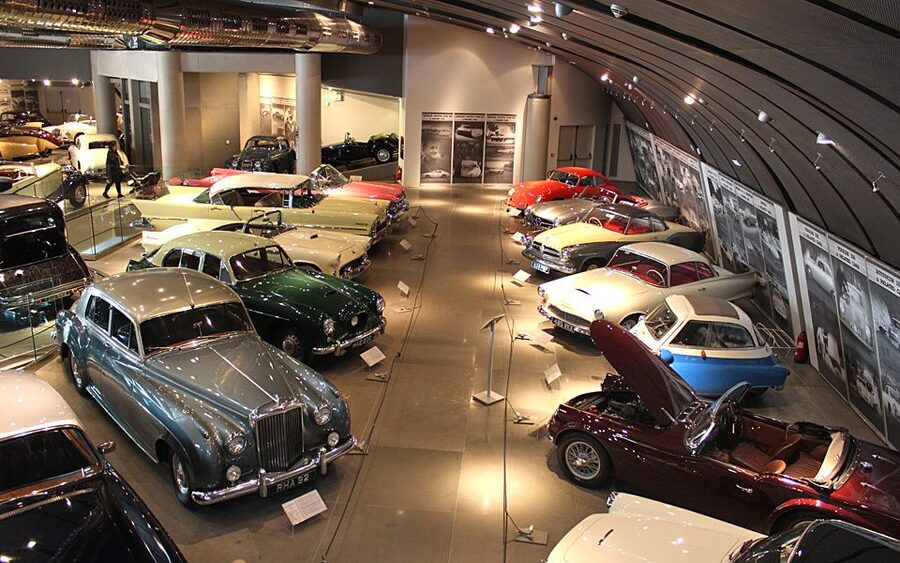
- The collection covers three floors: Expect more than 110 vehicles from the 19th and 20th centuries, with displays arranged around the building’s spiral ramp.
- The wheel display reaches back to 300 B.C.: This gives the museum a wider story than the usual parade of glamorous sports cars.
- Several car makers no longer exist: You will see vehicles from companies that disappeared from the market, alongside classic names still familiar today.
- The museum includes an old car workshop: Tools and workshop features help explain how cars were maintained before modern service centers.
- Admission costs $14 per person: For an hour or two indoors, that is a fair price, especially on a hot Athens afternoon.
- The entrance can be confusing: Use the full address, Ioulianou 33 to 35 and C Septemvriou 74 to 78, and allow a little extra time to find the museum inside the building.
A car museum in central Athens
Athens is known for ancient temples, archaeological sites, and long evenings in outdoor cafes. The Hellenic Motor Museum offers a useful change of pace. It is in central Athens, inside Capitol Mall, at Ioulianou 33 to 35 and C Septemvriou 74 to 78.
That location makes the museum easy to fit into a city day on paper. In practice, the building can be confusing. The museum is on the top floors, while much of the structure contains offices. You may walk into Capitol Mall and wonder if you have entered the right place. Exterior road signs are not as helpful as they could be, so keep the address close at hand.
Once you reach the museum, the setting changes. The cars are displayed across three floors, with bright lighting and clear descriptions. The layout is not simply a straight line of vehicles. A spiral ramp connects the levels and forms part of the museum’s story, guiding you through the development of the wheel and the automobile.
I like that the museum is not trying to compete with Athens’ ancient monuments. It offers a different view of human invention: how an object that began as a basic wheel developed into one of the most important machines of modern life.
More Museums in Athens
- Athens: Acropolis, Parthenon & Acropolis Museum Guided Tour
★ 4.8 · 9,316 reviews - Athens: Mythology of Delphi, Museum and Arachova Guided Tour
★ 4.6 · 4,008 reviews - Athens: Acropolis, Parthenon & Acropolis Museum Guided Tour
★ 4.8 · 3,579 reviews
The spiral ramp and the story of the wheel
The wheel display is one of the museum’s more unusual features. As you move along the spiral ramp, you can see 72 exhibits dating from 300 B.C. through the end of the 20th century. That range gives the visit a sense of progression, even if you are mainly there to see cars.
The display helps place the automobile in context. Before looking at engines, bodywork, and famous badges, you see the long development of wheels and transport. It is a simple idea, but it gives the museum more purpose than a collection of expensive-looking vehicles.
You can take the ramp at your own pace. The ticket is valid for one day, so there is no need to rush through the displays. Most people will likely spend around an hour or so, while serious car enthusiasts may want longer to read the descriptions and examine the cars closely.
The ramp also helps spread the collection through the building. You are not faced with one crowded hall containing every vehicle at once. Still, the cars can be close together in places. One display arrangement makes some vehicles easier to see from the front than from the side or rear.
More than 110 cars from a changing collection
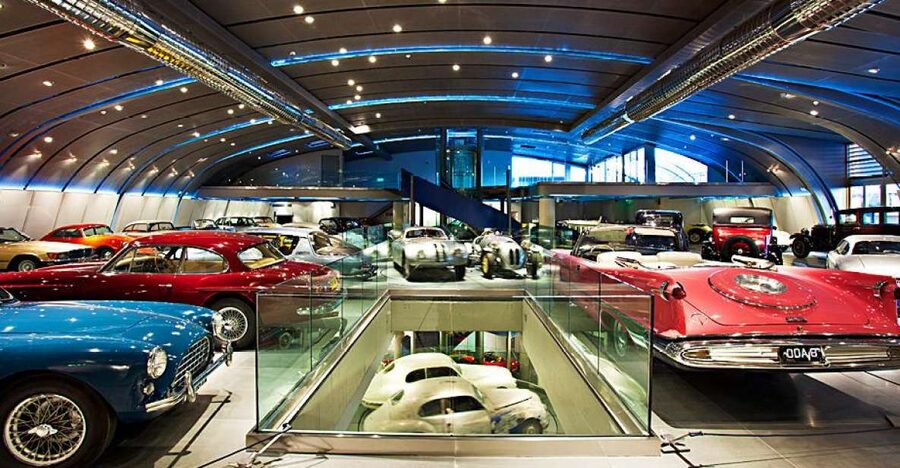
The museum presents more than 110 examples from the global automobile industry. The collection is rotating, so the exact cars on display can change. That is useful if you return to Athens, but it also means you should not expect every model associated with the museum to be present on every visit.
The selection includes classic cars from well-known manufacturers and vehicles made by firms that no longer exist. That second category is especially interesting. A familiar brand gives you an instant point of reference, but a vanished manufacturer shows how quickly the motor industry can change.
You may find yourself spending as much time reading badges and company names as looking at body shapes. The museum lets you see how many automobile makers once competed for buyers, only to disappear or be absorbed by larger companies.
The displays cover the 19th and 20th centuries. That broad period allows the collection to show changing designs, materials, and ideas about speed, comfort, and status. It is not just about the fastest or most beautiful cars. It is also about the many forms the automobile took before the industry settled into its modern shape.
The collection includes famous current manufacturers as well as extinct companies. One eye-catching example is an astonishing Testarossa, while other cars may appeal more because they are unfamiliar. The appeal depends on your taste. If you are hoping for a museum packed only with Italian classics, you may find the selection less focused than expected.
The old workshop adds useful character
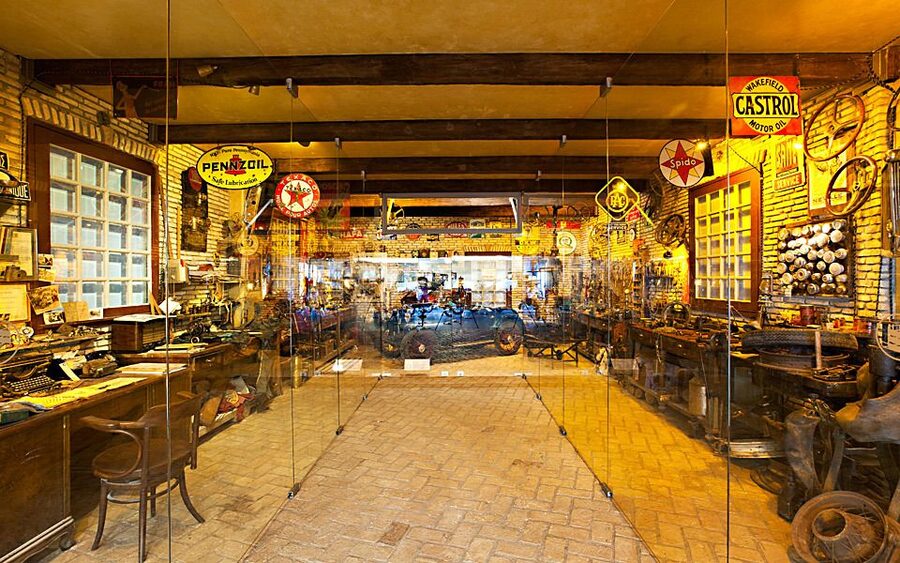
The old car workshop is a welcome part of the experience. Rather than showing only finished automobiles, the museum recreates a place connected with repair and maintenance, including its workshop features.
This matters because cars are machines, not just design objects. A polished classic can look almost too perfect behind its display area. The workshop reminds you that every car required tools, labor, adjustment, and care.
For children, the workshop can make the museum easier to understand. A young visitor who is not interested in reading long descriptions may respond to the idea of a real place where cars were worked on. Adults who remember older repair shops may appreciate the period atmosphere.
The museum does not provide a full mechanical class, and the ticket does not include a guided tour. Instead, the workshop works as a visual stop within your self-guided visit. An English audio guide is included, and the museum also provides service in English and Greek.
More museums and sites in Athens:
- Acropolis monuments & Parthenon Walking Tour with Optional Acropolis Museum
★ 5.0 · 2,678 reviews - Athens All Included: Acropolis and Museum Guided Tour with Ticket
★ 4.5 · 2,673 reviews - Athens: Acropolis Museum Ticket with optional Audio Guide
★ 4.4 · 2,652 reviews - From Athens: Small-Group Delphi, Museum & Arachova Day Trip
★ 4.8 · 2,476 reviews
What the visit feels like for non-car enthusiasts
You do not need to know engine sizes or racing records to enjoy the museum. The range of shapes and periods gives you plenty to look at, and the wheel display provides a clear thread through the building.
I would especially consider this museum if one person in your group loves cars and the others are less certain. The visit is compact enough not to dominate an entire Athens day, and the presentation has more variety than a simple line of sports cars.
It is also a practical indoor stop. Athens can be intensely hot, and the museum is air-conditioned. Several people have used it as a comfortable break from the sun, then found themselves enjoying the collection more than expected.
The strongest appeal is visual. You can admire the forms, colors, details, and mechanical ideas without having to follow a long formal tour. Descriptions help, while the audio guide gives English-speaking visitors another way to get more from the displays.
There are limits. If you are not interested in cars, the museum may not hold your attention for several hours. The collection is also better suited to looking than touching, and tight spacing around some vehicles can make close inspection difficult.
How much time should you allow?
Plan on about an hour if you want a brisk visit through all three floors. That is enough time to see the main collection, follow the spiral ramp, and pause at the workshop.
Give yourself closer to two hours if you enjoy reading labels, comparing manufacturers, or photographing details. The ticket is valid for one day, but this is not a place where you need to reserve a full morning or afternoon.
The museum’s compact timing is part of its value. Athens has enough major sights to fill several days, so a small indoor museum can work well between larger visits. You can use it as a planned attraction or as a break when the weather becomes unpleasant.
Because the entrance can take time to locate, I would not schedule the museum with a very tight connection or a timed activity immediately afterward. The issue is not the visit itself. It is the possibility of spending extra minutes finding the correct upper-floor entrance.
Is $14 a fair price?
Admission is $14 per person. That is not the cheapest museum ticket in Athens, but it is a reasonable price for a three-floor collection of more than 110 vehicles, especially if you spend 60 to 120 minutes inside.
The value is strongest for car enthusiasts. You get access to vehicles from different eras, manufacturers that no longer exist, a workshop display, and the wheel exhibition without paying for transport, food, or a guided excursion.
It is also a good-value choice on a hot day. The air conditioning gives the ticket a practical benefit, as well as a cultural one. You can cool down while seeing something that is not another ancient ruin.
The value is weaker if you expect a huge international automobile complex with generous space around every car. Some displays are close together, and the collection rotates. Check your expectations: this is a focused museum in a central city building, not a vast out-of-town transport park.
Opening hours, access, and practical planning
The museum opens Monday through Friday from 10:00 to 17:00. On Saturday and Sunday, it opens from 11:00 to 18:00. Last admission is 30 minutes before closing, so arriving at the cutoff leaves too little time for a satisfying visit.
It closes on January 1, January 6, Easter Sunday, Easter Monday, August 15, and December 25. Check the date carefully if your Athens visit falls near a public holiday or religious celebration.
The museum is wheelchair accessible. An English audio guide is included, and hosts or greeters speak English and Greek. The ticket covers museum entry only. Hotel pickup, hotel drop-off, food, and drinks are not included.
The activity offers free cancellation up to 24 hours before the visit, with a full refund. You can also reserve and pay later, which helps if your Athens schedule is still shifting.
Who will enjoy the Hellenic Motor Museum most?
I would recommend it first to anyone who follows car design, classic manufacturers, or automotive history. The selection of more than 110 vehicles gives enthusiasts plenty of detail to examine, while the rotating collection offers a reason to return.
Families can also make good use of the museum. The cars are visually engaging, the workshop gives children a change of pace, and the visit is short enough for most young attention spans. The Lightning McQueen and Flintstones Mobile displays add a playful touch for children, even though the main collection focuses on real automobiles.
Couples and mixed-interest groups may find it worthwhile because the museum does not require specialist knowledge. If one person wants to see cars and another wants an air-conditioned break, this can satisfy both needs better than a long technical exhibition.
I would be more cautious if you have limited time in Athens and are choosing between this and one of the city’s major archaeological sites. The museum is enjoyable, but it should not replace the Acropolis Museum or other essential sights on a first visit unless cars are a major priority.
My final advice: book it if you want a compact, unusual Athens stop
The Hellenic Motor Museum is a strong choice for a short indoor visit, a family outing, or a car-focused afternoon. I especially like the combination of extinct automobile brands, the wheel display, the old workshop, and the comfortable air-conditioned setting.
Book it if you can spare an hour or two and enjoy looking closely at machines, design, and changing technology. Use the full street address, allow extra time to find the upper-floor entrance, and do not expect every vehicle to be spaced widely apart.
At $14, the museum offers fair value, particularly for enthusiasts and for anyone seeking relief from Athens heat. Skip it only if your schedule is packed with ancient sites or if you want a very large museum with broad walking space. For the right visitor, this is an engaging change from the usual Athens route.
FAQ
Where is the Hellenic Motor Museum?
The museum is located in central Athens at Ioulianou 33 to 35 and C Septemvriou 74 to 78, inside Capitol Mall.
How much does admission cost?
The entrance ticket costs $14 per person.
How long is the ticket valid?
The ticket is valid for one day.
How many vehicles are on display?
The museum displays more than 110 examples from the global automobile industry. The collection rotates, so the exact vehicles can change.
What are the museum’s opening hours?
It is open Monday through Friday from 10:00 to 17:00, and Saturday and Sunday from 11:00 to 18:00. Last admission is 30 minutes before closing.
Is the museum open every day of the year?
No. It is closed on January 1, January 6, Easter Sunday, Easter Monday, August 15, and December 25.
Is an audio guide included?
Yes. An English audio guide is included with admission.
Is the museum wheelchair accessible?
Yes. The Hellenic Motor Museum is wheelchair accessible.
Can I cancel my booking?
Yes. You can cancel up to 24 hours in advance for a full refund. You can also reserve now and pay later.
Just added around Athens
- Delphi One Day Trip from Athens★ 4.0 · 98 reviews
- Mercedes Private Tour to Delphi and Arachova★ 5.0 · 30 reviews
- Private Delphi and Hosios Loukas Monastery – Great Lunch and Drinks Included★ 5.0 · 36 reviews
- Day tour to Ancient Olympia,Ancient Sparta Mycenae Including Meal★ 5.0 · 54 reviews
- Athens: Half Day Trip To Cape Sounio/Poseidon Temple Semi Private★ 5.0 · 131 reviews
- Athens Half-Day Private Tour Acropolis, Parthenon City Highlights★ 5.0 · 35 reviews
- From Athens: Day Tour to Mykonos★ 5.0 · 64 reviews
- Culinary Secrets of Downtown Athens★ 5.0 · 103 reviews
Museums, compared.

Acropolis, Parthenon & Acropolis Museum Guided Tour
Read our review →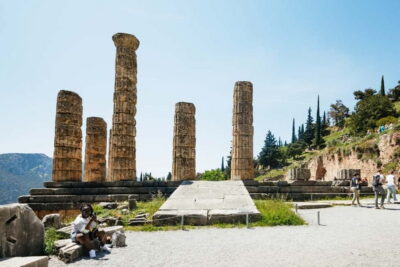
Mythology of Delphi, Museum and Arachova Guided Tour
Read our review →Acropolis, Parthenon & Acropolis Museum Guided Tour
Read our review →
Acropolis monuments & Parthenon Walking Tour with Optional Acropolis Museum
Read our review →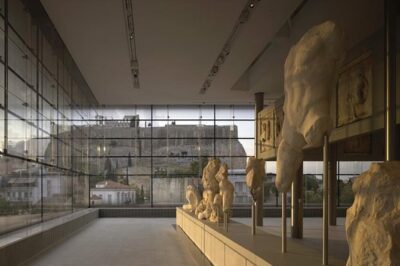
Athens All Included: Acropolis and Museum Guided Tour with Ticket
Read our review →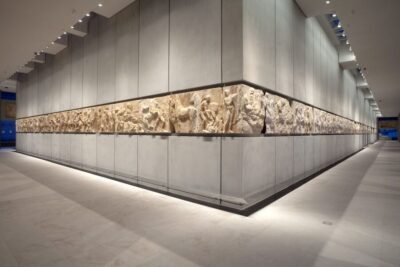
Acropolis Museum Ticket with optional Audio Guide
Read our review →
Small-Group Delphi, Museum & Arachova Day Trip
Read our review →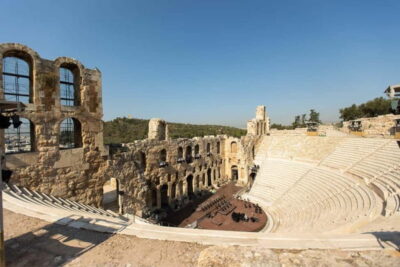
Parthenon & Acropolis Museum with Audio or Live Tour Option
Read our review →Browse the lists this tour appears in