
Reviewed · MUSEUMS
Thessaloniki: Museum of Illusions Admission Ticket
Reality gets slippery here. The Museum of Illusions Thessaloniki turns perception into a playful lesson, with 40 visual and interactive exhibits that make you question what your eyes are telling you. I like the Infinity Room for its striking photos, and I like the Reverse Room because it makes a simple room feel physically impossible. The main drawback is timing: the visit may last about an hour, so some people may find the $12 admission brief if they expect a full-day attraction.
The museum works best as a lively break from Thessaloniki’s churches, museums, and archaeological sites. You can look at holograms, test optical illusions, and pose inside rooms designed to trick your sense of size and gravity. It is fun, but it also explains how easily the brain fills in gaps and accepts false visual information.
In This Review
- Key points to know before you go
- What the $12 admission gives you
- Entering a world where your eyes make mistakes
- The Infinity Room and its photo appeal
- The Reverse Room turns gravity upside down
- The Ames Room and the trick of changing size
- Holograms and smaller optical illusions
- How long to allow for the visit
- Who will enjoy it most
- Languages, access, and booking flexibility
- Is the Museum of Illusions worth your time?
- FAQ
- How much does admission to the Museum of Illusions Thessaloniki cost?
- How long does the visit take?
- What does the admission ticket include?
- Can I cancel my booking?
- Can I reserve now and pay later?
- Is the museum wheelchair accessible?
- What languages are available?
- Are food and drinks allowed inside?
- What are the main exhibits?
- Is the museum suitable for families?
Key points to know before you go
- About 40 hands-on illusions: You do more than look at displays. Many exhibits ask you to stand, move, compare angles, or pose for a photo.
- Three standout rooms: The Infinity Room creates repeated reflections, the Reverse Room flips the usual sense of gravity, and the Ames Room changes how large or small you appear.
- A strong photo stop: The attraction is built for unusual pictures, so bring a phone with enough battery and storage.
- Plan for roughly one hour: The ticket is valid for one day, but one recent visitor described the actual visit as a one-hour experience.
- Good for families and mixed-age groups: The museum combines entertainment with a simple lesson about perception.
- Flexible booking: Admission costs $12 per person, cancellation is free up to 24 hours ahead, and you can reserve now and pay later.
What the $12 admission gives you
The ticket includes entrance to the Museum of Illusions Thessaloniki. There is no separate guided tour, meal, transport service, or extra activity listed, so you are paying for access to the exhibits themselves.
At $12, the value depends on how you use the visit. If you move quickly through the rooms and take only a few pictures, the experience may feel short. If you pause to test each illusion, read the explanations, and help your companions pose for photographs, you get more from the same ticket.
The current rating is 4.3 from 147 ratings, which fits the attraction well. The strongest appeal is clear: people like taking beautiful, unusual photographs and sharing them afterward. One five-star rating called it an out-of-the-box experience, while another praised it as a good one-hour activity for families. That is a fair way to view the museum: not a major half-day sight, but a compact, playful stop.
A one-star rating came from a visitor who selected the wrong ticket. That complaint appears to concern the booking choice rather than the exhibits. I would check the exact product, date, and admission details before paying, especially if several activities are open in your booking account.
More museums and sites in Thessaloniki:
- From Thessaloniki: Aigai Royal Tombs & Pella Museum Day Trip
★ 4.6 · 40 reviews - Thessaloniki:Selfie Museum, a 60-minute immersive experience
★ 4.8 · 33 reviews - Athens: Acropolis, Parthenon & Acropolis Museum Guided Tour
★ 4.8 · 9,316 reviews
Entering a world where your eyes make mistakes
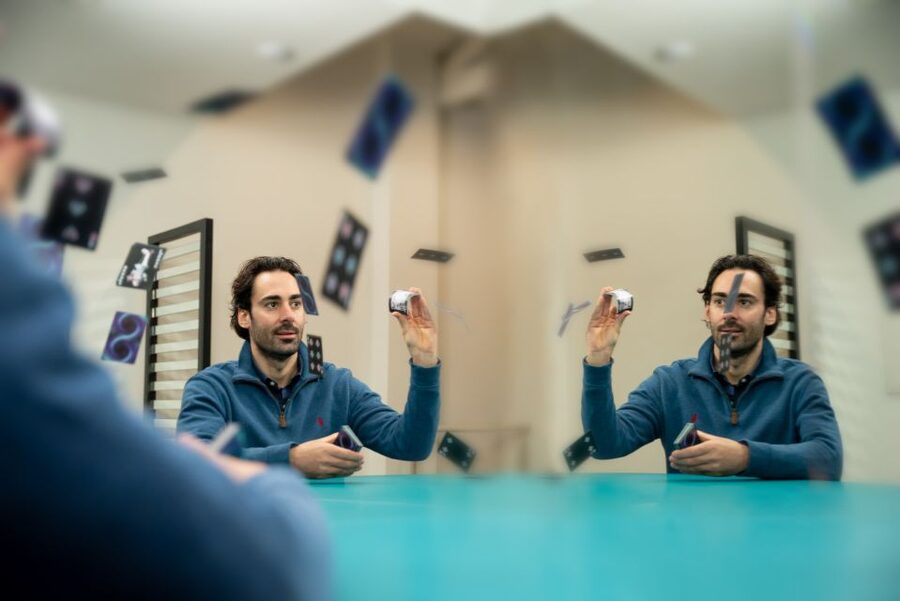
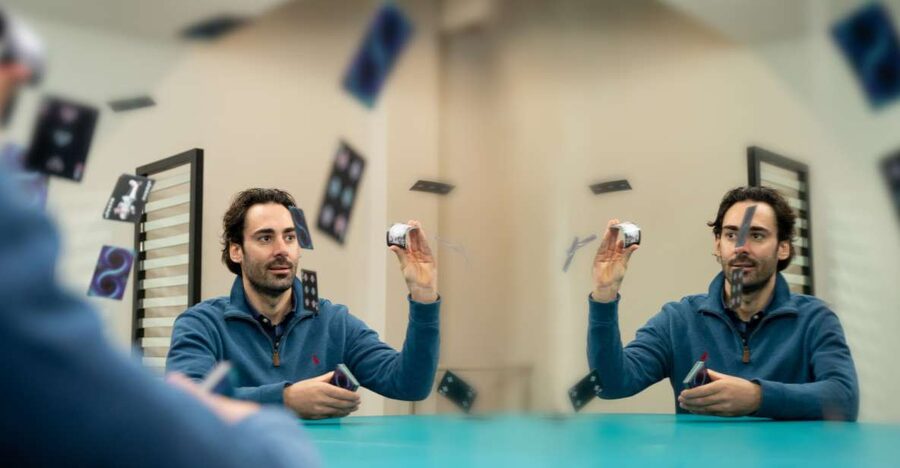
The museum’s main idea is simple: your senses do not record the world like a camera. Your brain interprets light, shape, distance, and movement, then builds a picture that can be wrong.
That gives the visit more value than a room full of photo tricks. Each display offers a small lesson in how assumptions work. A straight line may look bent. A fixed room may seem to change size. A familiar direction may suddenly feel reversed.
You do not need a background in science to enjoy this. The exhibits are designed to make the point quickly. First, you notice something strange. Then you test it. Finally, you understand that your own perception caused the confusion.
That pattern keeps the visit active. You are not simply walking past framed objects. You are checking what happens when your position changes or when you look at the same scene from another angle.
The Infinity Room and its photo appeal
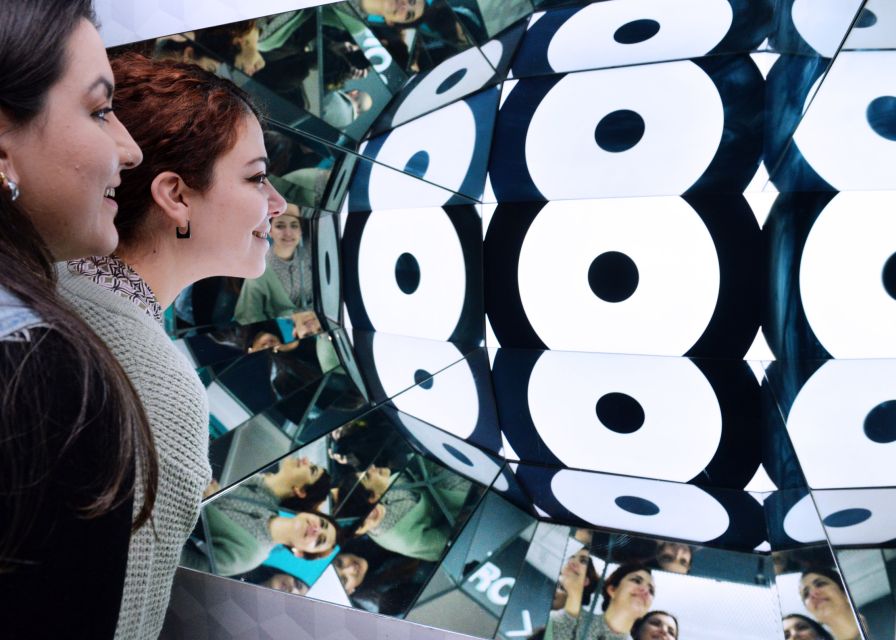
The Infinity Room is one of the clearest reasons to bring your phone. Mirrors and repeated reflections create the impression of a space that continues far beyond its physical walls.
The effect is visual rather than physically large, so the best part is the photograph. You can create pictures that suggest endless space, repeated figures, or a room with no clear edge. The experience is especially useful for families and friends because the exhibit gives you something to do together.
I would not rush through this room. Look at the reflections before taking a picture, then try a few positions. A small change in where you stand can alter the image, which makes the room more interesting than a single quick pose.
The drawback is also obvious. The illusion depends on the right viewpoint, and the most popular photo positions may require patience if other people are using them. The supplied information does not give a crowd forecast or a timed schedule, so I would avoid assuming that every photo will be immediate.
The Reverse Room turns gravity upside down
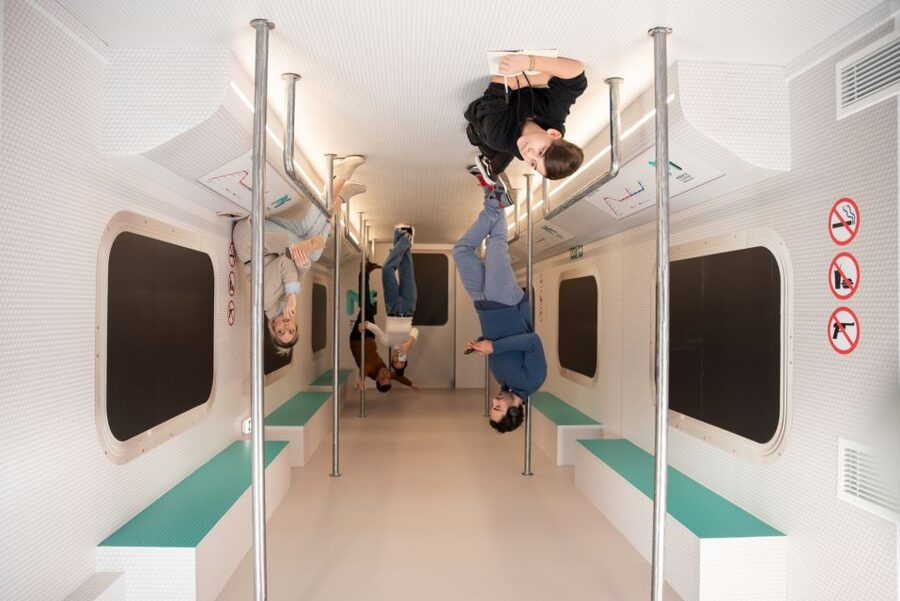
The Reverse Room plays with your sense of direction. The room itself is arranged to make ordinary walls and surfaces appear reversed, allowing you to pose as if the laws of gravity have changed.
This is a good example of how the museum turns an optical idea into an action. You can frame a picture that suggests you are standing on a ceiling or moving through a room at the wrong angle. The result depends on the camera position, so take time to line up the image.
The attraction does not claim to change gravity. That is part of the joke. You know the room is fixed, but your eyes and the photograph tell a different story. The gap between those two facts is where the fun lies.
For children, this room offers an immediate physical puzzle. For adults, it can be a reminder that photographs often look convincing even when they record an arranged scene. If you want a museum visit that teaches without feeling like a lecture, this is one of the better stops.
A few more Thessaloniki half-days to weigh up
- Thessaloniki: Full-Day Bus Trip to Meteora
★ 4.8 · 3,471 reviews - From Thessaloniki: Pozar Thermal Baths and Edessa Day Trip
★ 4.7 · 1,243 reviews - From Thessaloniki: Day Trip to Dion and Mount Olympus Park
★ 4.7 · 1,046 reviews - Thessaloniki: OTE Tower Rotating Experience with Light Meal
★ 4.6 · 857 reviews
The Ames Room and the trick of changing size
The Ames Room creates the illusion that one person is tiny while another appears much larger. It does this by using a distorted space that looks normal from a particular viewpoint.
This exhibit has a useful lesson because size usually seems obvious. You see a person beside another person and assume you can compare them. The room shows how strongly the setting affects that judgment.
The best result comes from following the intended viewpoint and letting the camera capture the scene from the right angle. If you stand in the wrong place, the effect may be weaker. That is not a flaw in the concept. It is the point: perception depends on position.
I like this room for groups because the illusion becomes clearer when two people take part. It also produces the kind of photograph that needs no long explanation. The image itself raises the question: how did one person suddenly become miniature?
Holograms and smaller optical illusions

The museum also includes a collection of holograms and other optical illusions. These displays broaden the visit beyond the three named rooms and give you more ways to test your vision.
A hologram can appear to have depth or movement even though it is created by a visual effect. The optical illusions ask you to look closely rather than accept your first impression. That change in pace matters. The larger rooms are made for posing, while the smaller displays reward careful observation.
You may find that some illusions work instantly and others need a second look. That is normal for this type of attraction. The point is not to win every visual puzzle. It is to notice how quickly your mind decides what it thinks it sees.
The museum is also educational in a light way. It does not replace a science museum or a formal lesson about vision, but it gives you memorable examples of how the brain interprets stimuli. You leave with a few good photographs and a better reason to question first impressions.
How long to allow for the visit
The ticket is valid for one day, but the practical visit appears to be much shorter. A recent five-star rating described it as a one-hour experience, which is a useful planning guide.
I would allow about an hour for the exhibits, with extra time if you want several photographs at each room. Your pace will depend on the size of your group and how carefully you read the displays.
This makes the museum easy to fit into a day in Thessaloniki. You can use it as a break between larger sights, an indoor option during poor weather, or a short activity before dinner. The attraction does not require you to give up a full day of sightseeing.
At the same time, do not book it expecting a long program. The phrase valid one day refers to ticket validity, not to a full-day schedule. The distinction matters when you compare the $12 cost with longer museum visits.
Who will enjoy it most
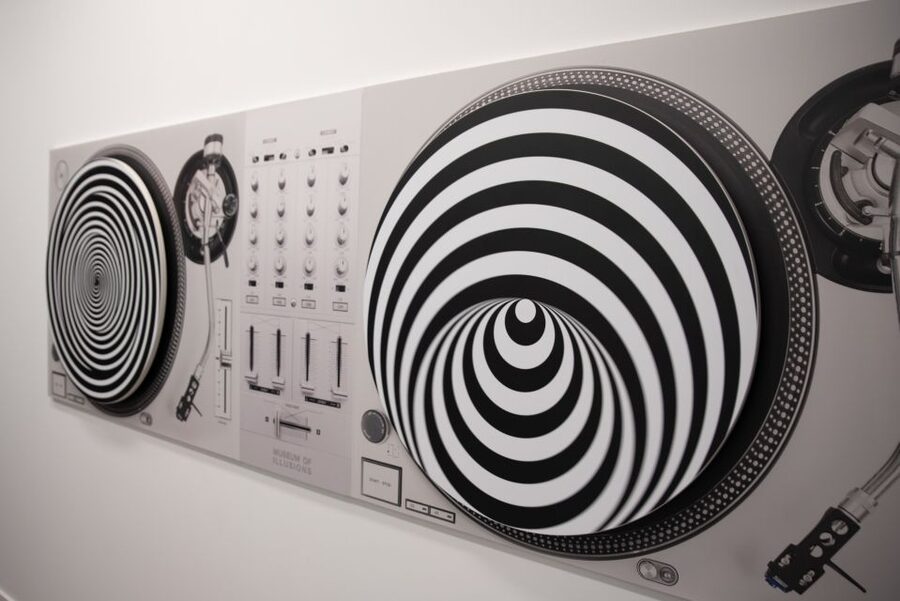
Families are a natural fit because the exhibits invite cooperation. One person can pose, another can take the picture, and everyone can compare what they thought they saw. Children may respond to the surprise, while adults often enjoy working out the visual trick.
It also suits couples, friends, and anyone who likes unusual photographs. The museum gives you clear subjects and settings, so you do not need to invent a creative pose from scratch.
I would recommend it to visitors who enjoy interactive attractions more than quiet galleries. If you prefer long historical explanations, original artifacts, or a large collection of traditional art, this may feel light.
It is also a good choice for a mixed group with different interests. One person can focus on the science of perception, while another concentrates on the photographs. Neither approach prevents the other from enjoying the visit.
Food and drinks are not allowed inside. Keep that in mind if you are planning the museum as part of a longer outing, and finish snacks before entering.
Languages, access, and booking flexibility
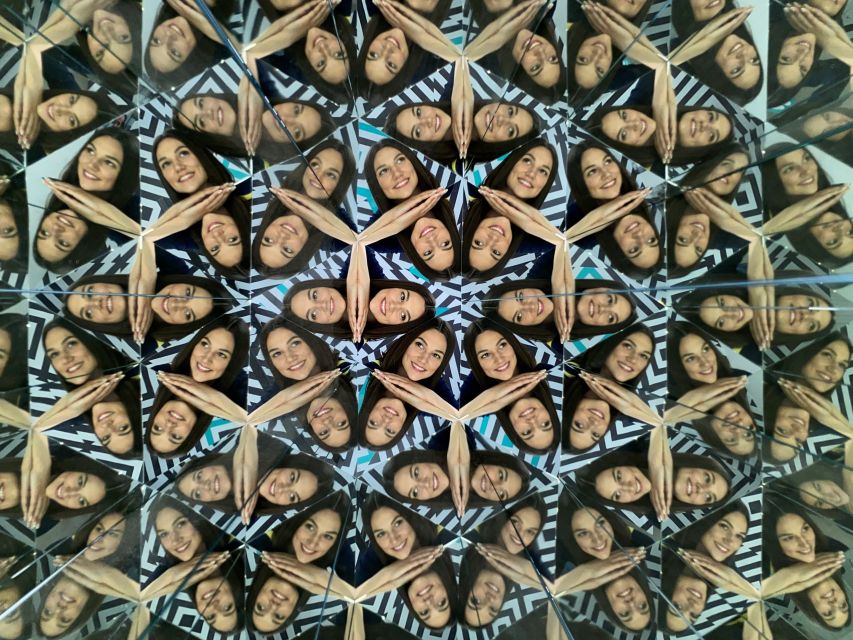
The museum operates in Greek and English, including host or greeter support in those languages. That makes the experience easier to follow if you do not speak Greek.
The attraction is wheelchair accessible. This is useful information for planning, although the supplied details do not describe the exact layout of every exhibit or the level of access inside each room. If a particular illusion is essential to your visit, you may want to confirm its setup before arrival.
The $12 price is per person. You can cancel up to 24 hours in advance for a full refund, and the reserve-now, pay-later option lets you hold a place without paying immediately. These terms are useful when your Thessaloniki schedule is still changing.
The booking issue in one poor rating is a practical warning. Read the ticket name carefully before confirming. A wrong selection can spoil an otherwise simple visit.
Is the Museum of Illusions worth your time?
Book this attraction if you want a compact, photo-friendly activity that gives you more than a series of pretty backdrops. The Infinity Room, Reverse Room, Ames Room, holograms, and optical displays offer several kinds of visual play, and the explanations give the fun a clear purpose.
At $12, I see it as good value for an hour, especially for families or groups who will take part in the exhibits rather than simply walk through them. I would be more cautious if you want a long museum visit or a major cultural landmark.
My practical advice is simple: check the ticket selection, bring a charged phone, allow about an hour, and leave time for more than one attempt at the best photo rooms. If that sounds like your kind of afternoon, the Museum of Illusions Thessaloniki earns a place in your plan.
FAQ
How much does admission to the Museum of Illusions Thessaloniki cost?
Admission costs $12 per person.
How long does the visit take?
The ticket is valid for one day, but the actual visit may take about one hour.
What does the admission ticket include?
The ticket includes entrance to the Museum of Illusions Thessaloniki.
Can I cancel my booking?
Yes. You can cancel up to 24 hours in advance for a full refund.
Can I reserve now and pay later?
Yes. The booking option allows you to reserve your place and pay later.
Is the museum wheelchair accessible?
Yes, the Museum of Illusions Thessaloniki is wheelchair accessible.
What languages are available?
The available languages are Greek and English.
Are food and drinks allowed inside?
No. Food and drinks are not allowed.
What are the main exhibits?
The main named exhibits include the Infinity Room, Reverse Room, Ames Room, holograms, and other optical illusions. There are about 40 visual and interactive illusions in total.
Is the museum suitable for families?
Yes. The experience is described as suitable for families, and the interactive rooms give people a chance to pose, take photographs, and explore perception together.
Just added around Thessaloniki
- Thessaloniki: Aristotle’s Birthplace and Mt. Athos Cruise★ 4.4 · 52 reviews
- Thessaloniki: Walking Tour★ 4.9 · 27 reviews
- Thessaloniki: Self-Guided Audio Walking Tour & Narrative★ 3.5 · 28 reviews
- Thessaloniki: Small-Group Wine Tasting Tour with Appetizers★ 4.8 · 31 reviews
- Thessaloniki: City Sightseeing Hop-On Hop-Off Bus Tour★ 4.2 · 285 reviews
- Thessaloniki:Selfie Museum, a 60-minute immersive experience★ 4.8 · 33 reviews
- Thessaloniki: Halkidiki Beach-Hopping with Swimming★ 4.9 · 52 reviews
- Thessaloniki: Half-Day Sailing Cruise to Shipwreck Bay★ 4.9 · 260 reviews
Museums, compared.
Acropolis, Parthenon & Acropolis Museum Guided Tour
Read our review →
Mythology of Delphi, Museum and Arachova Guided Tour
Read our review →Acropolis, Parthenon & Acropolis Museum Guided Tour
Read our review →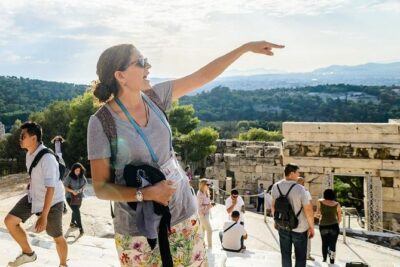
Acropolis monuments & Parthenon Walking Tour with Optional Acropolis Museum
Read our review →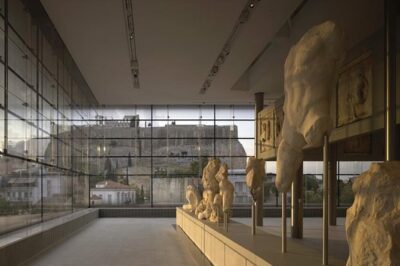
Athens All Included: Acropolis and Museum Guided Tour with Ticket
Read our review →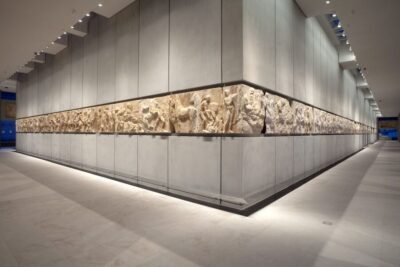
Acropolis Museum Ticket with optional Audio Guide
Read our review →
Small-Group Delphi, Museum & Arachova Day Trip
Read our review →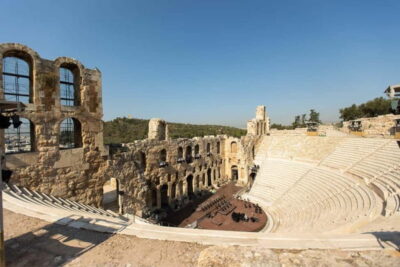
Parthenon & Acropolis Museum with Audio or Live Tour Option
Read our review →Browse the lists this tour appears in