
Reviewed · OLIVE OIL TASTINGS
The Olive Oil Experience @ Lefkada Micro Farm
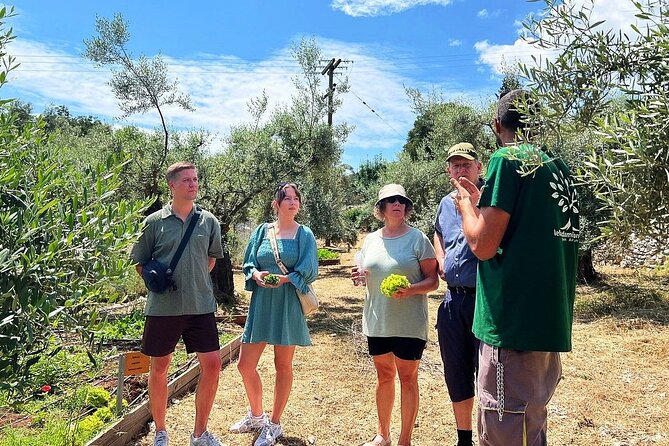
Olive oil can fool even careful shoppers. This two-hour visit to Lefkada Micro Farm makes the bottle in your kitchen easier to understand, with a walk through an organic olive grove, lessons on production, and tastings of several farm-made extra virgin oils. I like the chance to meet the farm’s rare White Lefkadian olive trees, and I like that the lesson continues beyond tasting with practical advice on shopping, storage, and cooking.
The setting also adds something a supermarket tasting cannot: you see the trees, garden, and farming methods before judging the oil. My main caution is value. At $62.48 per person, this is a serious price for a two-hour activity, and one unhappy account describes a sparse presentation with only a few garden samples. The quality of your experience may depend heavily on how much detail and tasting material the session provides on the day.
In This Review
- Key points to know before booking
- From Lefkada road to open-air olive museum
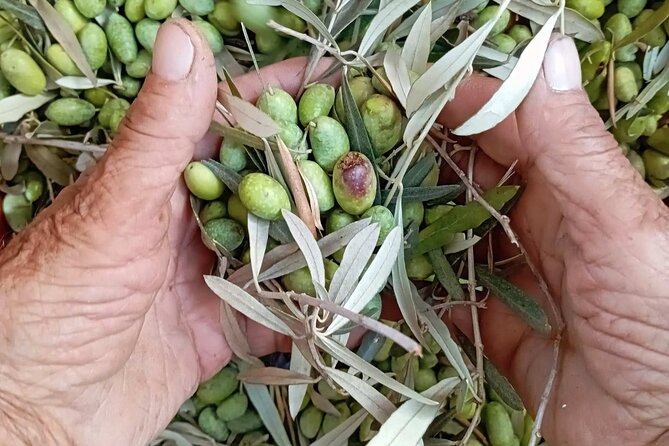
- Meeting the White Lefkadian olive trees
- Tasting extra virgin olive oil by smell and flavor
- The garden adds color, scent, and a possible weak spot
- The Olive Oil ABC you take home
- How two hours may feel
- Is $62.48 a fair price?
- Who will enjoy this farm visit most?
- Booking, cancellation, and practical details
- Should you book the Lefkada Micro Farm tasting?
- FAQ
- Where does the Olive Oil Experience take place?
- How long does the experience last?
- Where does the activity finish?
- What language is the tour offered in?
- How much does the experience cost?
- What will I learn during the visit?
- Will I taste olive oil?
- Can I take part if I have allergies or food restrictions?
- What is the cancellation policy?
Key points to know before booking
- White Lefkadian olive trees: The farm presents rare local trees as part of the visit, giving the tasting a clear sense of place.
- A practical oil lesson: You learn how to spot poor-quality supermarket oil, choose a bottle, store it correctly, and use it in cooking.
- Peppery flavor matters: The sharp kick in the throat is explained as a sign associated with high polyphenol content, not simply a flaw.
- Garden connection: You may smell and taste vegetables, fruit, or flowers growing around the farm.
- Small-to-medium group size: The maximum is 30 people, so the session is not guaranteed to feel intimate.
- Simple cancellation terms: You can cancel for a full refund up to 24 hours before the start time.
From Lefkada road to open-air olive museum
The meeting point is Lefkada Micro Farm on E.O. Nydriou Vavkeris Rachi, near Nidri, Lefkada 311 00. The experience begins and ends at this same point, which keeps the plan simple. You do not need to arrange a second pickup point or wonder where the activity finishes.
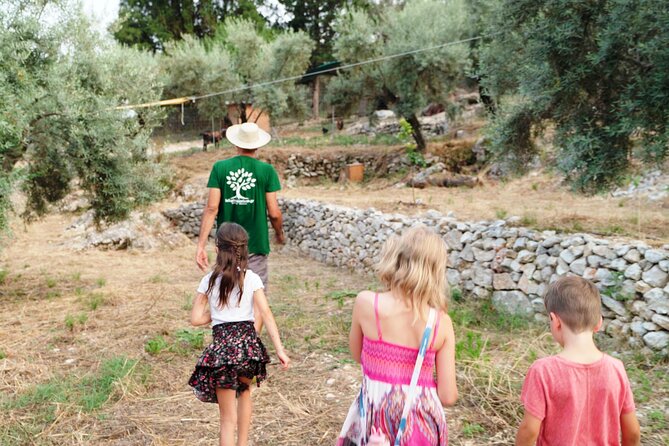
The farm describes its site as an open-air museum. That phrase matters because the visit is meant to be more than a seated food sample. You are introduced to the olive grove, the trees, the garden, and the production story before moving into the tasting and teaching.
The available details do not promise a private transfer, hotel pickup, or a particular view along the way. You should plan your own route to the farm and check the meeting instructions carefully after booking. The location is near public transportation, but the information does not specify which service reaches the entrance or how often it runs.
The tour is offered in English. Service animals are allowed, and most people can take part. If you have food allergies or dietary restrictions, tell the farm in advance. That is especially sensible here because the experience may include garden produce as well as olive oil.
More olive oil tastings around Lefkada:
- The Olive Oil Experience @ Lefkada Micro Farm
★ 4.7 · 42 reviews - Knossos-Zeus Cave -Old Traditional Villages-Olive Oil Factory
★ 5.0 · 694 reviews - The Governor’s Olive Mill Tour with Olive Oil Tasting
★ 5.0 · 502 reviews
Meeting the White Lefkadian olive trees
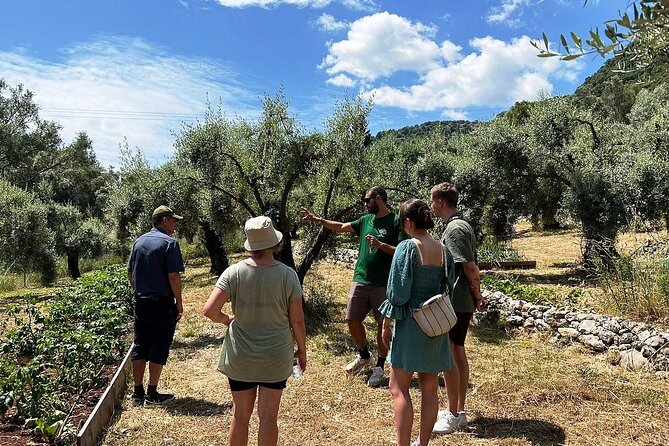
The grove is the heart of the visit. You get an introduction to the olive trees and the way their fruit becomes oil, with particular attention given to the farm’s rare White Lefkadian trees. For a visitor interested in local food, this is more useful than tasting an anonymous oil in a shop. You can connect the finished product to a specific farm and regional setting.
The farm says its first harvest took place only five years ago. Since then, it has grown into a producer that claims some of the world’s best olive oil, along with back-to-back Silver Awards in New York for 2025 and 2026. I would treat those claims as part of the farm’s presentation rather than as a reason to skip the tasting itself. Awards can signal careful production, but your own nose and palate still matter.
The visit also introduces regenerative organic practices and the farm’s local growing conditions, or terroir. You do not need a technical background to follow the idea. Soil, climate, tree variety, harvest timing, and handling all affect the oil in your glass.
This section should be most useful if you want context. If you already know how olive fruit is harvested and processed, the introductory material may feel familiar. For everyone else, seeing the grove first gives the tasting a clear starting point.
Tasting extra virgin olive oil by smell and flavor
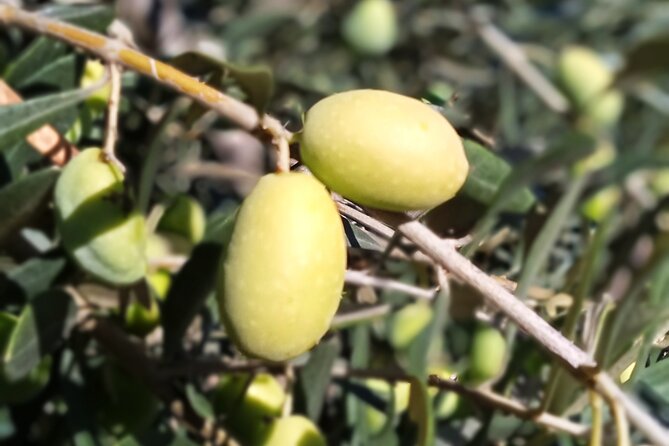
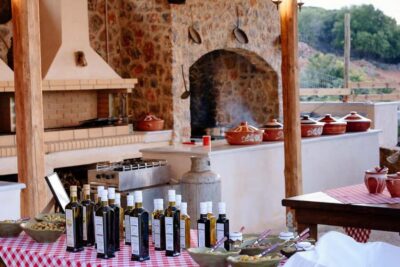
The tasting is designed to compare several varieties of extra virgin olive oil produced at the farm. That comparison is the most important part of the experience. One oil can seem mild, another grassy or bitter, and another sharply peppery. Tasting them side by side helps you notice differences that disappear when oil is poured casually over food.
You are also taught to smell the oil, not just swallow it. Fragrance can suggest freshness and character, while unpleasant stale or flat notes may warn you that an oil is old or poorly handled. The exact number of samples is not stated, so do not assume you will receive a long formal flight.
The farm places special emphasis on the peppery kick associated with high polyphenols. Polyphenols are natural compounds linked with antioxidant activity, and the farm connects them to the health reputation of the Mediterranean diet. The lesson is useful because many people mistake bitterness or throat heat for a defect. In a fresh oil, those traits can be part of the character.
Still, you should keep expectations measured. Olive oil is personal. You may prefer a softer oil to a forceful, peppery one, and that does not mean you have chosen badly. The point is to recognize what you are tasting and select the style that suits your cooking.
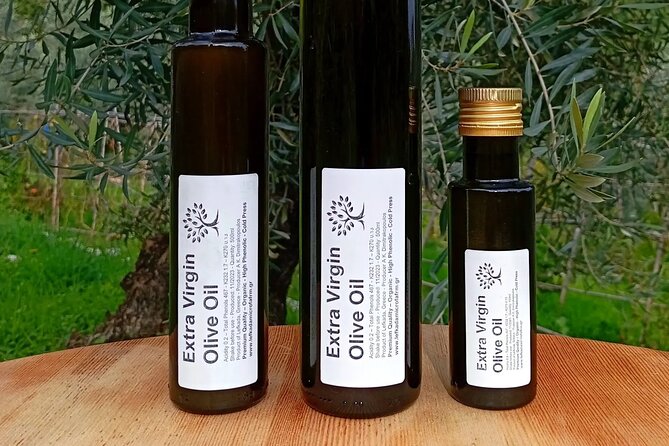
One especially positive feature is that the lesson does not end at the farm gate. The useful information includes how to choose the correct bottle, how to store oil so it stays fresh, and how to cook with it while preserving as much of its benefit as possible.
The garden adds color, scent, and a possible weak spot
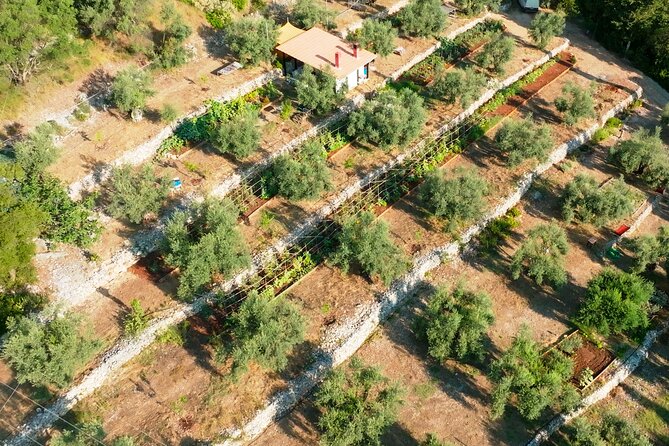
The farm garden gives the visit a second food connection. You may smell and try vegetables, fruits, or flowers growing there. This can make the experience feel grounded in everyday Mediterranean eating rather than limited to a product demonstration.
I like this part in theory because it connects olive oil with the ingredients it commonly accompanies. A simple salad or fresh vegetable can show you how flavor changes when the oil is good. The garden also gives the stop some variety during a session focused on one main ingredient.
But this is where your expectations should stay realistic. The information does not promise a full meal, a large farm lunch, or a wide buffet of produce. One very critical account describes receiving a glass of lukewarm tap water, four cherry tomatoes, and one piece of pepper, followed by time spent petting stray cats. That account also found the oil ordinary and the activity boring.
I would not ignore that warning. It suggests that the experience may feel underwhelming if you expect generous food portions or a full farm-to-table meal. Think of the garden samples as small supporting elements, not the main reason to book.
The contrast between the strong overall rating and that very poor account is worth noting. The experience has a 4.7 rating from 43 reviews, and 95 percent of visitors recommend it, but the criticism points to a real value question. Ask yourself if a guided tasting lesson is enough, even if the food samples are modest.
A few more Lefkada half-days to weigh up
- Traditional Greek Cooking Class @ Lefkada Micro Farm
★ 4.7 · 32 reviews - Traditional Greek Cooking Class @ Lefkada Micro Farm
★ 5.0 · 28 reviews - Mykonos: Farm, Ano Mera Village, and Beaches Guided Tour
★ 4.4 · 1,283 reviews - Crete: Road-trip to Lasithi Plateau & Olive Mill Farm
★ 4.4 · 420 reviews
The Olive Oil ABC you take home
The most useful promise here is practical knowledge. You are shown how to shop for olive oil instead of relying only on a fancy label or a high price. You also learn why storage matters. Heat, light, and time can work against freshness, so the way you keep a bottle at home affects what eventually reaches your plate.
The cooking advice is another strong point. Many people buy extra virgin olive oil with good intentions, then leave it beside a hot stove or keep the same bottle for too long. A short lesson on storage and use can save more money over time than another souvenir bottle.
One highly favorable assessment describes using the shopping advice at home and finding that salads tasted better afterward. That is exactly the kind of result I want from a food experience. You are not merely told that the farm’s oil is good. You are given a way to judge future bottles and make better choices at home.
The health section should be understood as general food education, not medical treatment. The farm explains the role of virgin olive oil in the Mediterranean diet and discusses antioxidants and polyphenols. If you have a medical condition or a specific dietary concern, use your doctor’s advice rather than treating a tasting lesson as medical guidance.
How two hours may feel
The scheduled duration is about two hours. That is long enough for a proper introduction to the grove, an explanation of production, a tasting, and the garden portion without taking up your whole day in Lefkada.
The pace should suit you if you enjoy asking questions and paying attention to flavor. You will get more from the session if you smell each sample, taste slowly, and compare notes rather than treating the activity as a quick stop for a free drizzle of oil.
The maximum group size is 30 people. That is not a huge group, but it is large enough that the session may feel less personal when full. If you want a quiet, highly tailored farm visit, this format may not meet that hope. The published information does not promise a private tasting or a specific guide by name.
An English-language presentation makes the activity accessible to English-speaking visitors. Confirmation is normally provided at booking, though reservations made within three hours of the start may require confirmation as soon as possible and remain subject to availability.
Is $62.48 a fair price?
At $62.48 per person, I see this as a specialist food class, not a casual sightseeing stop. The price covers the farm setting, guided instruction, multiple oil tastings, garden elements, and advice you can use long after your holiday. If you are already interested in Greek food, local agriculture, or cooking, that package may feel worthwhile.
The value is weaker if you mainly want to taste a few oils and eat farm produce. The duration is only about two hours, no full meal is promised, and the critical account describes very small samples. One account also refers to paying 100 euros, which does not match the listed price of $62.48. Check the final amount and currency before confirming, since prices can vary by booking channel, date, or exchange rate.
I would compare this cost with what you expect from a cooking or food activity. You are paying for explanation and comparison, not a large serving of food. The strongest return comes from learning how to identify fresh oil and shop more wisely later.
Who will enjoy this farm visit most?
I would recommend it to you if you enjoy local food, want a better understanding of extra virgin olive oil, or like bringing practical lessons home from a trip. It also suits curious cooks who want to understand why some oils taste grassy, bitter, or peppery.
The setting may appeal to families and mixed-age groups because the experience combines trees, a garden, tasting, and simple food education. Most people can participate, and service animals are allowed.
You may want to skip it if you need a substantial meal, dislike tasting strong flavors, or already have advanced olive oil knowledge. The farm’s confident claims about quality will not replace your own preferences. If you want a lavish spread, a long farm lunch, or guaranteed luxury service, this is probably the wrong choice.
Please mention allergies or food restrictions before arrival. The tasting and garden samples involve food, but the supplied information does not specify exactly what will be served at every session.
Booking, cancellation, and practical details
You receive a mobile ticket, and the activity is conducted in English. It is usually booked about 10 days ahead, which suggests you should reserve before your Lefkada visit rather than assume a last-minute place will be available.
The group can include up to 30 people. The start and finish are both at Lefkada Micro Farm, so build your transport plan around that address near Nidri. The activity is near public transportation, but exact routes are not supplied.
Free cancellation is available if you cancel at least 24 hours before the local start time. A cancellation made less than 24 hours before the start is not refundable, and changes within that same period are not accepted. If you book within three hours of departure, wait for confirmation before assuming the reservation is set.
Should you book the Lefkada Micro Farm tasting?
Book it if you want a focused, English-language lesson on Greek olive oil and you value information you can use at home. The White Lefkadian trees, organic farming story, side-by-side oil tasting, and shopping advice give the visit a clear purpose.
I would approach it with moderate expectations about food quantity and presentation. At this price, the experience needs to deliver a solid explanation and enough oil to make the comparison meaningful. If that sounds worthwhile, it is a good fit for a food-minded day in Lefkada. If you mainly want lunch, generous samples, or a relaxed farm feast, spend your money elsewhere.
FAQ
Where does the Olive Oil Experience take place?
It takes place at Lefkada Micro Farm, E.O. Nydriou Vavkeris Rachi, Nidri 311 00, Greece.
How long does the experience last?
The experience lasts approximately two hours.
Where does the activity finish?
It finishes back at the Lefkada Micro Farm meeting point.
What language is the tour offered in?
The experience is offered in English.
How much does the experience cost?
The listed price is $62.48 per person. Check the final price and currency when booking because one account refers to a different amount.
What will I learn during the visit?
You will learn how olive oil is made, how to identify authentic extra virgin olive oil, how to shop for and store it, and how to cook with it while keeping it beneficial.
Will I taste olive oil?
Yes. You will taste different varieties of extra virgin olive oil produced at the farm.
Can I take part if I have allergies or food restrictions?
Yes, but you should tell the farm about allergies or food restrictions in advance.
What is the cancellation policy?
You can receive a full refund if you cancel at least 24 hours before the experience start time. Cancellations or changes made less than 24 hours beforehand are not accepted for a refund.
Just added around Lefkada
- Traditional Greek Cooking Class @ Lefkada Micro Farm★ 4.7 · 32 reviews
- Lefkada: Mountain Gems Electric Fat Bicycle Tour & Tasting★ 5.0 · 68 reviews
- Traditional Greek Cooking Class @ Lefkada Micro Farm★ 5.0 · 28 reviews
- All Day 4×4 Adventure / Lefkada / With Brunch★ 5.0 · 73 reviews
- Nydri: Island-hopping Boat Cruise with Lunch and Drinks★ 4.4 · 78 reviews
- Nydri: Full-Day Sailing Cruise with Swim Stops & Meal★ 4.5 · 67 reviews
- Nydri: Island Hopping Boat Cruise with Beach BBQ Lunch★ 4.9 · 116 reviews
- Nydri: Boat Cruise to the famous beaches of Lefkada★ 3.3 · 27 reviews
Olive Oil Tastings, compared.
Knossos-Zeus Cave -Old Traditional Villages-Olive Oil Factory
Read our review →
The Governor’s Olive Mill Tour with Olive Oil Tasting
Read our review →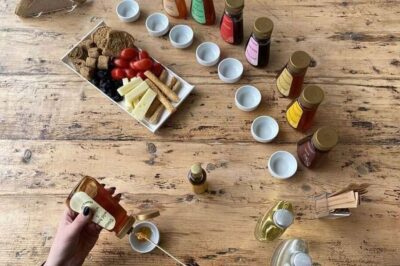
Olive Farm Tour with Tasting of Local Delicacies
Read our review →
Zeus Cave, Lassithi Plateau, Olive Oil Factory, Kritza, Pottery
Read our review →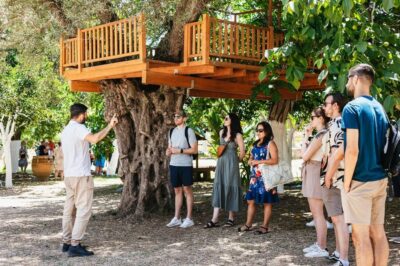
Knossos, Lasithi, Lasinthos and Olive Farm Combo Tour
Read our review →
Browse the lists this tour appears in