
Reviewed · COOKING CLASSES
Traditional Greek Cooking Class @ Lefkada Micro Farm
Fresh food starts in the soil. At Lefkada Micro Farm, you spend four unhurried hours learning how regenerative farming, seasonal produce, and simple Greek cooking come together. I like the hands-on farm visit and the chance to cook bread, tzatziki, Greek salad, and briam in a wood-burning oven. I also like the small-group limit of 10, which keeps the Farmer’s Table personal. The main drawback is the price: at $152.58 per person, this is a special outing rather than a cheap cooking lesson.
Andreas brings a clear sense of purpose to the farm, while his mother and the chef help turn the harvest into lunch. You may arrive to coffee, fresh fruit, and cakes, then spend time feeding the animals before the farm walk begins. Since the class needs good weather and takes place outdoors, keep a little flexibility in your plans.
In This Review
- What makes this Lefkada cooking class special
- Starting at Lefkada Micro Farm near Nidri
- Meeting Andreas and getting a feel for the farm
- Learning regenerative farming before lunch
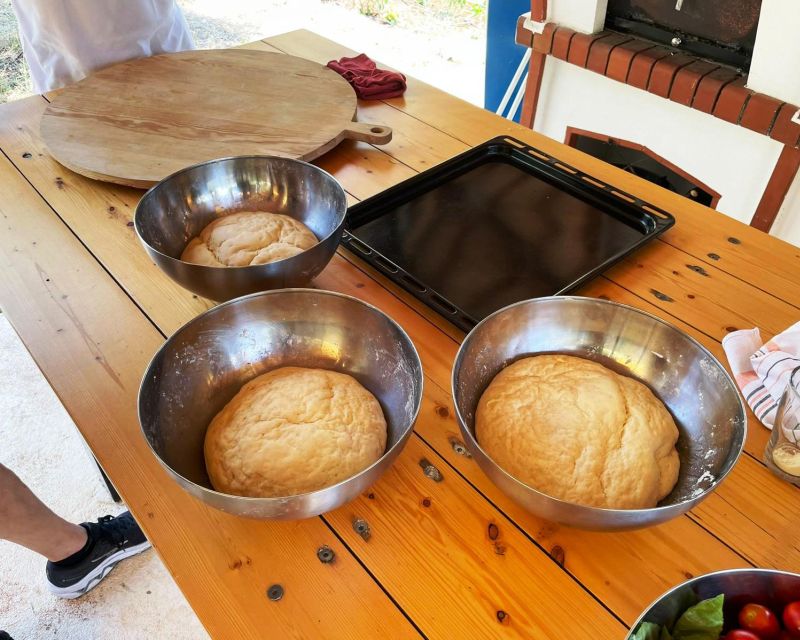
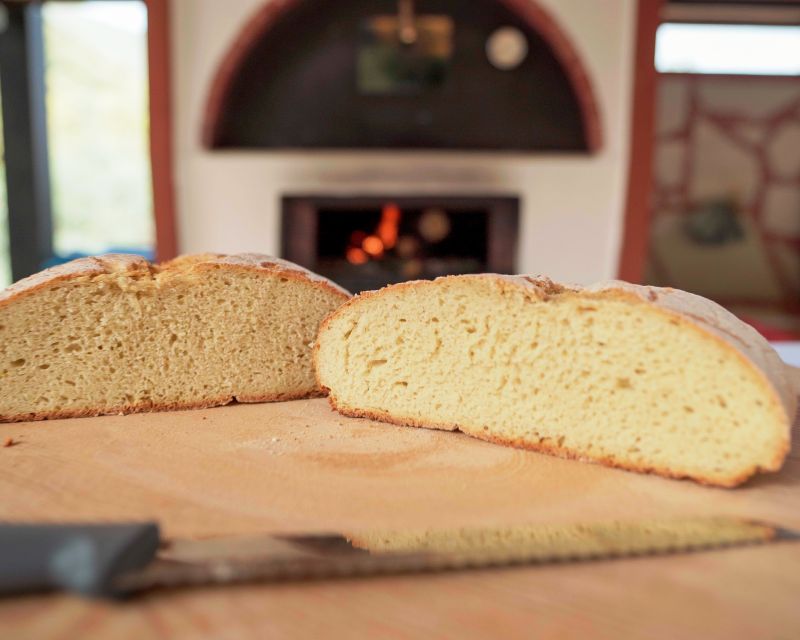
- Cooking bread in the wood-burning oven
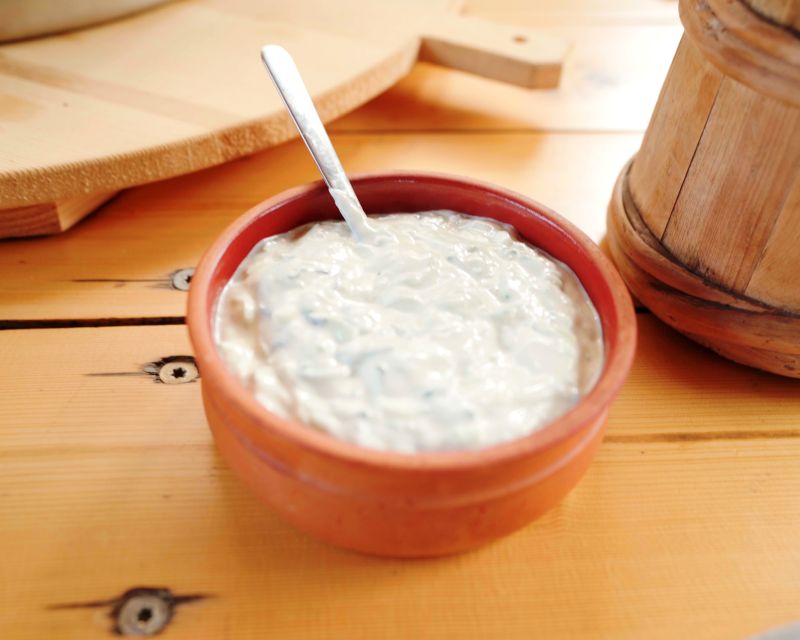
- Making tzatziki with sheep’s yogurt
- Greek salad, goat cheese, oregano, and olive oil
- Briam roasted in the traditional oven
- Sharing the meal at the Farmer’s Table
- What the $152.58 price includes in value
- Who will enjoy this four-hour farm experience
- Booking, weather, and cancellation details
- Should you book the Lefkada Micro Farm cooking class?
- FAQ
- Where does the cooking class begin?
- Where does the experience end?
- How long does the experience last?
- What language is the experience offered in?
- How many people can join the class?
- What food is prepared during the class?
- Is the activity suitable for people with dietary restrictions?
- Are service animals allowed?
- Can I cancel for a full refund?
- What happens if bad weather cancels the class?
What makes this Lefkada cooking class special
- Farm work comes first: You learn about the farm’s regenerative methods before harvesting ingredients for the meal.
- A wood-burning oven shapes the menu: Bread and briam are cooked slowly in the traditional oven.
- The food is simple by design: Greek salad, tzatziki, and roasted vegetables let fresh ingredients do the work.
- Andreas gives the farm a personal voice: His care for the environment and the place you occupy within it is a central part of the visit.
- The group stays small: A maximum of 10 people makes the cooking and shared meal more sociable.
- The experience ends at the Farmer’s Table: You eat the food you helped prepare, rather than simply watching a demonstration.
Starting at Lefkada Micro Farm near Nidri
The experience begins at Lefkada Micro Farm on E.O. Nydriou Vavkeris Rachi, near Nidri, Lefkada 311 00. It ends at the same meeting point, so you do not need to arrange a second pickup location after the meal.
The setting is presented as an open-air museum, which gives the visit a broader purpose than a standard cooking class. You are not simply shown a few recipes and sent home with a plate of food. You first see the farm as a working system, then follow ingredients from the soil to the table.
The four-hour length matters here. A shorter class might rush straight to chopping vegetables, but this one leaves room for the farming side, the cooking, and the shared meal. If you prefer fast demonstrations and a quick lunch, the pace may feel slow. If you want to understand why Greek food can be so direct and satisfying, the slower rhythm is the point.
The farm welcomes service animals, and you should tell the provider about allergies or dietary restrictions before the day. The available information does not promise a fully adapted menu, so early notice is the sensible move.
More cooking classes in Lefkada:
- Traditional Greek Cooking Class @ Lefkada Micro Farm
★ 4.7 · 32 reviews - Athens: Classic Cooking Class with Market Visit and Wine
★ 5.0 · 1,101 reviews - Athens: Food Market Visit and Cooking Class with Wine
★ 4.9 · 1,087 reviews
Meeting Andreas and getting a feel for the farm
The visit can begin with a warm welcome from Andreas, his mother, and the chef. One useful detail from the experience is the relaxed arrival period: people who arrived early were offered coffee, fresh fruit, and cakes, and had a chance to feed the animals before the main farm tour.
That small touch tells you what sort of afternoon this is. You are not being pushed through a tight sequence of photo stops. You have time to settle in, look around, and get comfortable with the people who will guide the class.
Andreas is especially important to the tone. His enthusiasm for the environment and for the relationship between people and the land comes through strongly. The farm visit is not a technical lecture packed with farming terms. It is a practical look at how care for the soil affects what eventually lands on your plate.
Learning regenerative farming before lunch
The farm uses regenerative practices intended to keep its ecosystem healthy. You learn about those methods before gathering the seasonal, organic ingredients needed for the meal.
This part gives the cooking class useful context. A tomato in a Greek salad is not treated as a generic supermarket item. It is part of a chain that includes soil, weather, farming choices, harvest timing, and the person who prepares it. The class asks you to notice those connections.
The word seasonal also matters. The exact harvest will depend on what is growing at the time of your visit, so you should not expect every class to look identical. The listed meal includes farm vegetables, sheep’s yogurt, goat cheese, oregano, and the farm’s original extra virgin olive oil, but the farm’s larger approach is to cook with what is ready and good.
That makes the day more genuine, but it also means you should not book it expecting a fixed restaurant menu with several choices. The experience favors a set farm meal over personal customization.
Cooking bread in the wood-burning oven
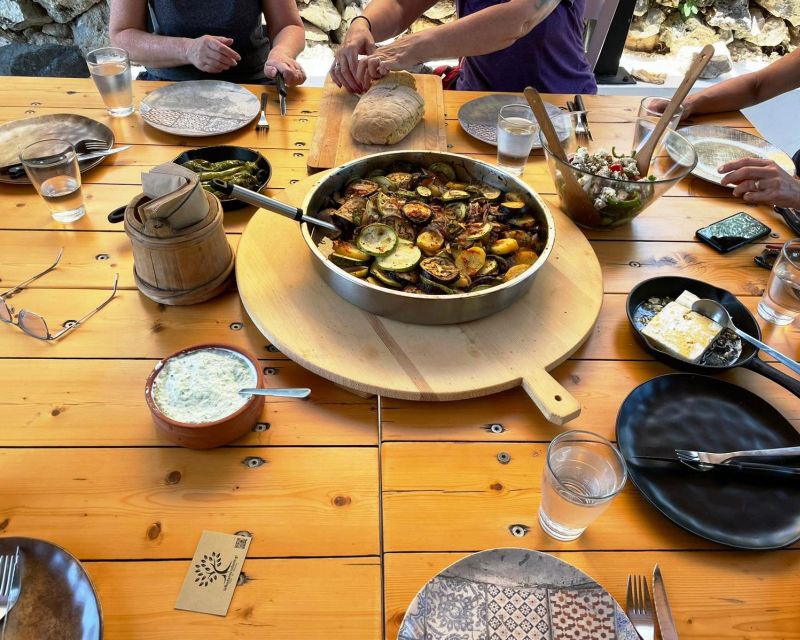
The open-air kitchen is where the farm lesson turns into lunch. Greek cooking here is built around three plain ideas: freshness, seasonality, and simplicity. You are not there to master complicated restaurant technique.
Bread is baked in the wood-burning oven, giving the class one of its most traditional moments. The oven also becomes important later for the briam, a mixed vegetable dish roasted until the vegetables soften and their flavors come together.
A wood-fired oven sets a slower pace than a modern stovetop. You cannot simply turn a dial and expect instant results. That delay is useful because it makes you pay attention to timing and texture. It also means the cooking portion may feel less polished and predictable than a professional kitchen demonstration.
I like that trade-off. The class is about honest food and shared work, not culinary theater. You get a feel for the gentle pace that has shaped many Greek home kitchens, even if you do not leave with a chef’s technical training.
A few more Lefkada half-days to weigh up
- The Olive Oil Experience @ Lefkada Micro Farm
★ 4.5 · 43 reviews - The Olive Oil Experience @ Lefkada Micro Farm
★ 4.7 · 42 reviews - Mykonos: Farm, Ano Mera Village, and Beaches Guided Tour
★ 4.4 · 1,283 reviews - Crete: Road-trip to Lasithi Plateau & Olive Mill Farm
★ 4.4 · 420 reviews
Making tzatziki with sheep’s yogurt
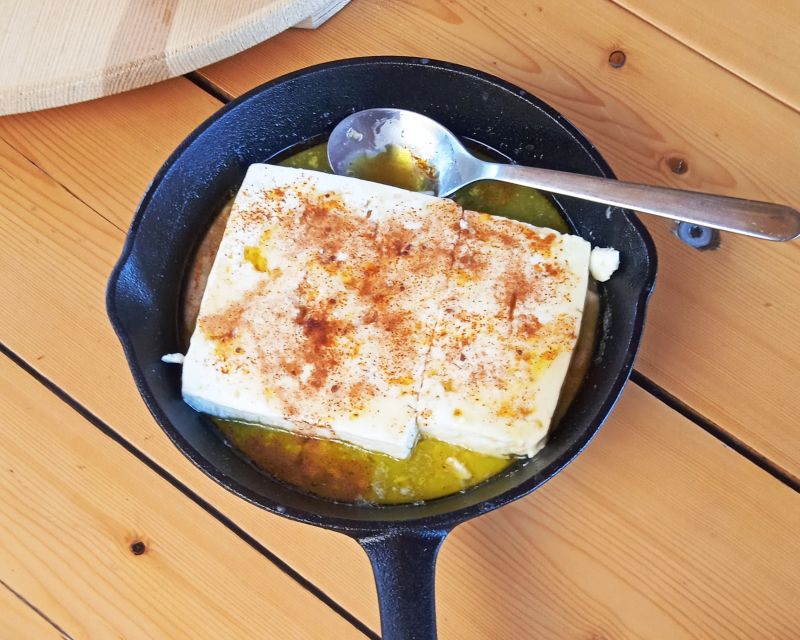
Tzatziki is one of the starters, made with farm vegetables and sheep’s yogurt. The ingredient choice gives a familiar Greek dish a clear connection to the local farm.
The lesson here is likely to be more about balance than complexity. Fresh vegetables, cool yogurt, and the right amount of seasoning can make a dish memorable without a long ingredient list. Since the class stresses simplicity, you should expect to work with the natural flavor of the ingredients rather than hide it beneath sauces or elaborate garnishes.
This is also a useful dish for home cooks. Tzatziki travels well as a memory because the basic idea is easy to repeat after your holiday. The same goes for Greek salad, though the quality of the produce and olive oil will do much of the heavy lifting.
Greek salad, goat cheese, oregano, and olive oil
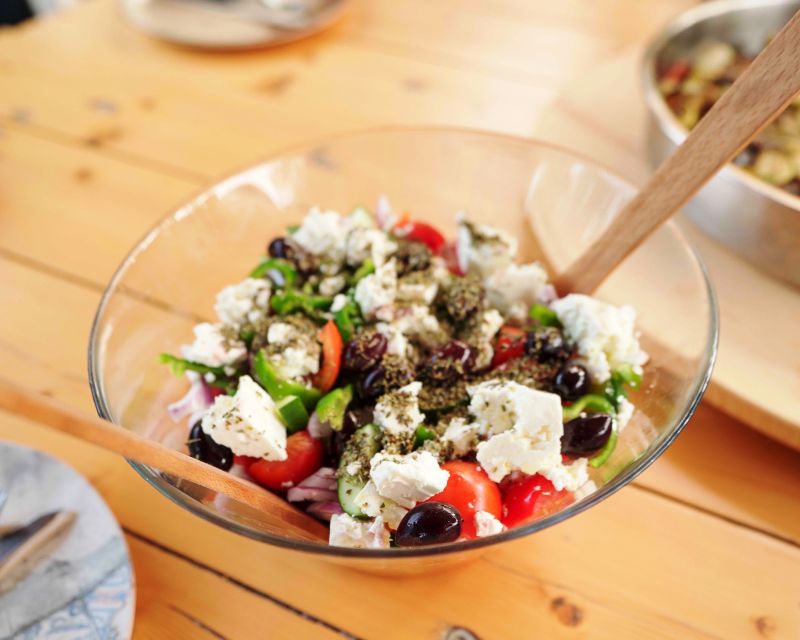
The Greek salad uses farm vegetables, goat cheese, oregano, and the farm’s original extra virgin olive oil. It is a short list, but that is exactly why the ingredients matter.
A Greek salad does not need complicated preparation. It needs produce with flavor, cheese with character, and a good dressing. The farm’s own oregano and oil give you a taste of the place rather than a generic version of a dish found on menus across Greece.
The oil receives special attention during the experience. It is used to bring the garden vegetables together into a nourishing Mediterranean meal. You will not just hear that olive oil is important to Greek food. You will taste how a good oil can change a plate of vegetables.
The supplied meal details do not mention wine, dessert, or other drinks beyond the coffee noted on arrival. Plan around the food that is clearly included rather than assuming a larger feast.
Briam roasted in the traditional oven
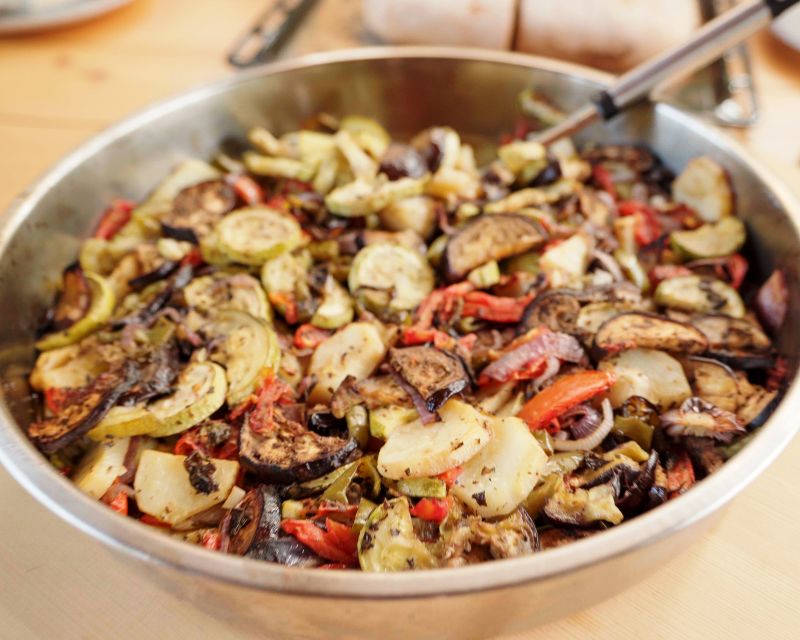
Briam is the main dish, made with mixed vegetables and roasted in the wood-burning oven. It is a fitting centerpiece because it uses the farm’s harvest in a direct, generous way.
Briam is not about meat or elaborate presentation. It is about vegetables becoming tender and flavorful through patient roasting. That makes it a strong match for the farm’s slow-living outlook. You see how a meal can feel substantial without relying on complex methods.
The main course also gives the class a practical lesson in texture. Different vegetables cook at different speeds, and the oven’s steady heat brings them together. I would value this part most if I wanted to take home a better sense of how Greek cooks turn humble produce into a complete meal.
Because the menu centers on vegetables, yogurt, cheese, bread, and olive oil, vegetarians may find it especially appealing. Still, you should contact the farm about any dietary restriction rather than assuming the sample menu fits every need.
Sharing the meal at the Farmer’s Table
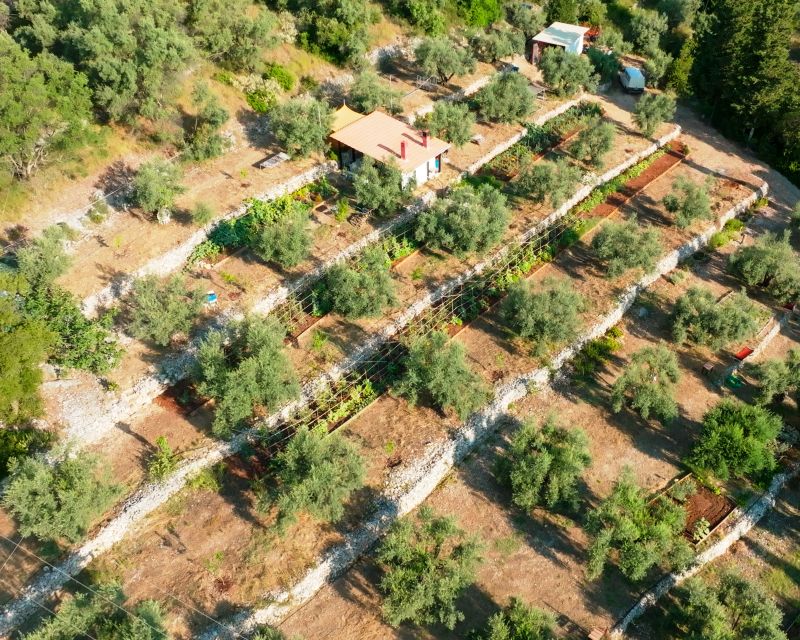
Once the food is ready, everyone sits down together at the Farmer’s Table. This is the social heart of the afternoon.
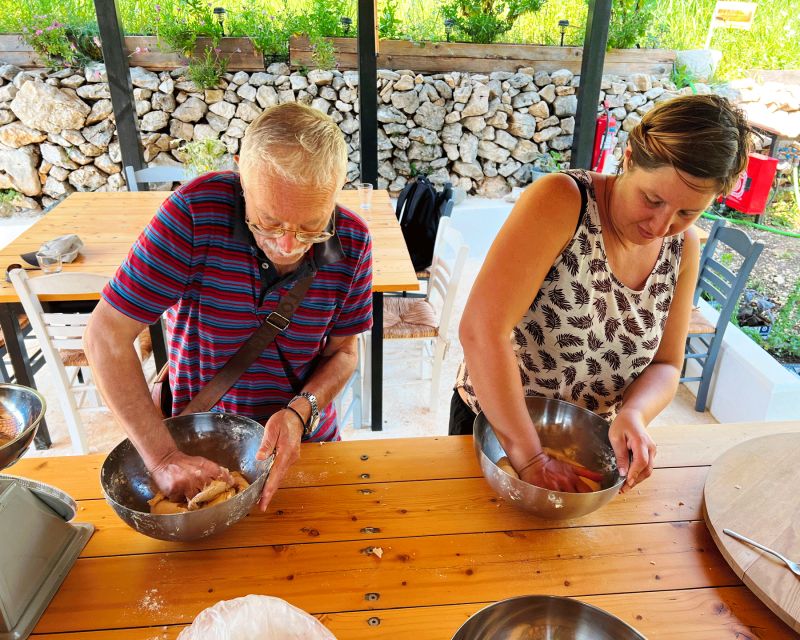
You eat the bread, tzatziki, Greek salad, and briam you helped prepare. That changes the meal from a tasting into a shared accomplishment. Even a simple salad feels different when you have just seen its ingredients growing nearby.
The family-style setting also helps explain why the small group matters. With no more than 10 people, the class can feel like a long lunch among a few interested cooks instead of a large demonstration where you watch from the back.
The food receives especially strong praise. One couple described the day with Andreas, his mother, and the chef as relaxed and fun. Another account called the food the best they had tasted and credited the farm’s care and expertise. Those are strong claims, but they make sense in context: the meal is built around produce grown on the same land and prepared soon after harvest.
You should still set realistic expectations. This is not a high-end tasting menu, and the experience does not promise a wide range of dishes. Its pleasure comes from freshness, company, and the story behind the food.
What the $152.58 price includes in value
At $152.58 per person, the class costs more than a basic Greek cooking lesson. The value comes from the full four-hour format: farm orientation, regenerative agriculture, harvesting, cooking, access to the open-air kitchen, and a meal shared at the end.
You are paying for time and attention as much as ingredients. The group limit of 10 helps justify the cost, since a small class can offer more conversation and more direct participation than a large commercial session.
The setting also gives the experience a quality that a city kitchen cannot copy. You are connected to the source of the food, and the menu reflects the farm’s own produce, oregano, yogurt, cheese, and olive oil.
I would book it if you care about food origins, sustainable farming, and a calm half-day activity. I would skip it if your main goal is to learn a long list of advanced recipes or find the cheapest way to eat lunch in Lefkada.
Who will enjoy this four-hour farm experience
This class suits you if you like food with a story, small groups, and hands-on activities. It is also a good fit for couples, families, and visitors who want a break from the standard beach-and-tavern routine.
You do not need to be an experienced cook. The emphasis is on basic preparation and the link between the land and the plate, not on difficult knife skills or professional kitchen speed.
It may be less suitable for anyone who dislikes outdoor settings, slow schedules, or a set menu focused on vegetables. The experience requires good weather, so it is not the safest choice for a tightly packed final morning in Lefkada.
Since the activity is offered in English, you can take part without needing Greek language skills. Confirmation normally arrives at booking, though reservations made within 10 hours of departure are confirmed as soon as possible, subject to availability.
Booking, weather, and cancellation details
The experience is often booked about 15 days ahead. That is a useful planning guide, especially if your Lefkada dates are fixed or you are visiting during a busy season.
You can cancel for a full refund up to 24 hours before the start time. Cancellations or changes made less than 24 hours before the activity are not refunded or accepted. Cut-off times use local time in Greece.
Good weather is required because much of the experience takes place outdoors. If poor weather forces a cancellation, you can choose another date or receive a full refund.
Should you book the Lefkada Micro Farm cooking class?
Book this experience if you want more than a recipe lesson. You will learn how regenerative farming, seasonal harvests, a wood-burning oven, and simple Greek ingredients fit together. The personal welcome from Andreas, his mother, and the chef adds warmth, while the small group keeps the afternoon manageable.
The price is the main question. At $152.58, it is not a casual budget activity. But for four hours of farm time, cooking, and a complete shared meal, it can be fair value for people who care about where food comes from.
My practical call: book ahead if you want a thoughtful, unhurried day near Nidri and enjoy vegetable-led cooking. Pass if you want a fast class, a broad menu, or a weather-proof plan. For the right eater, the best souvenir here is not a recipe. It is a sharper sense of why simple Greek food works.
FAQ
Where does the cooking class begin?
It begins at Lefkada Micro Farm, E.O. Nydriou Vavkeris Rachi, Nidri 311 00, Greece.
Where does the experience end?
The activity ends back at the Lefkada Micro Farm meeting point.
How long does the experience last?
The cooking class lasts approximately four hours.
What language is the experience offered in?
The experience is offered in English.
How many people can join the class?
The activity has a maximum group size of 10 travelers.
What food is prepared during the class?
The sample menu includes bread baked in a wood-burning oven, tzatziki with farm vegetables and sheep’s yogurt, Greek salad with goat cheese, oregano, and extra virgin olive oil, plus briam made with mixed vegetables.
Is the activity suitable for people with dietary restrictions?
You should tell the provider about allergies or dietary restrictions before the experience. The available information does not specify which special diets can be accommodated.
Are service animals allowed?
Yes, service animals are allowed.
Can I cancel for a full refund?
Yes. You must cancel at least 24 hours before the experience start time to receive a full refund.
What happens if bad weather cancels the class?
Because the experience requires good weather, a cancellation caused by poor weather gives you the choice of another date or a full refund.
More Workshops in Lefkada
- Greek Cuisine Cooking Class in Santorini with Recipes and Wine
★ 5.0 · 969 reviews - Naxos: Half-Day Cooking Class at Basiliko Family Tavern
★ 5.0 · 887 reviews - Greek Cooking Class in Athens Including Rooftop Dinner with Acropolis View
★ 5.0 · 826 reviews - Greek Small-Group Athens Cooking Class & Dinner
★ 5.0 · 574 reviews
Just added around Lefkada
- Traditional Greek Cooking Class @ Lefkada Micro Farm★ 4.7 · 32 reviews
- Lefkada: Mountain Gems Electric Fat Bicycle Tour & Tasting★ 5.0 · 68 reviews
- The Olive Oil Experience @ Lefkada Micro Farm★ 4.5 · 43 reviews
- All Day 4×4 Adventure / Lefkada / With Brunch★ 5.0 · 73 reviews
- Nydri: Island-hopping Boat Cruise with Lunch and Drinks★ 4.4 · 78 reviews
- Nydri: Full-Day Sailing Cruise with Swim Stops & Meal★ 4.5 · 67 reviews
- Nydri: Island Hopping Boat Cruise with Beach BBQ Lunch★ 4.9 · 116 reviews
- Nydri: Boat Cruise to the famous beaches of Lefkada★ 3.3 · 27 reviews
Cooking Classes, compared.
Classic Cooking Class with Market Visit and Wine
Read our review →
Food Market Visit and Cooking Class with Wine
Read our review →
Greek Cuisine Cooking Class in Santorini with Recipes and Wine
Read our review →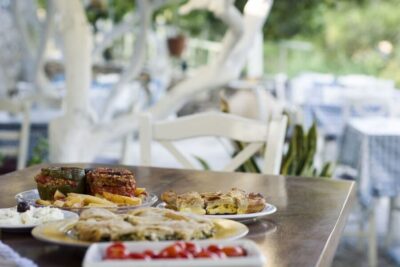
Half-Day Cooking Class at Basiliko Family Tavern
Read our review →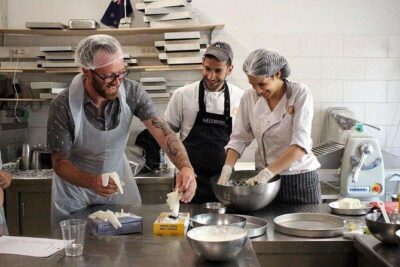
Greek Cooking Class in Athens Including Rooftop Dinner with Acropolis View
Read our review →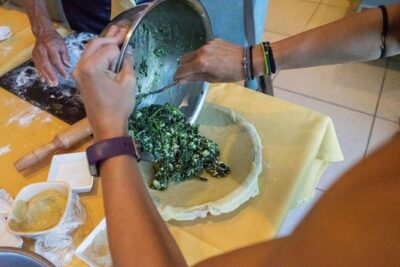
Greek Small-Group Athens Cooking Class & Dinner
Read our review →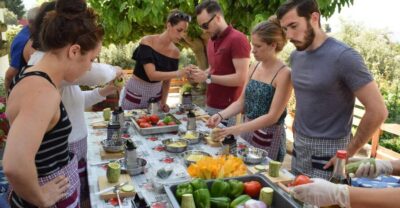
Authentic Cooking Class in the White Mountains
Read our review →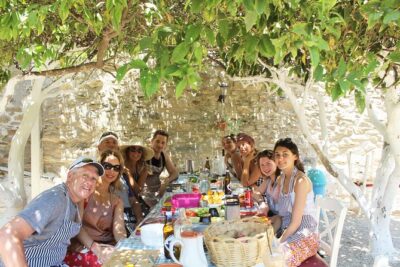
Browse the lists this tour appears in